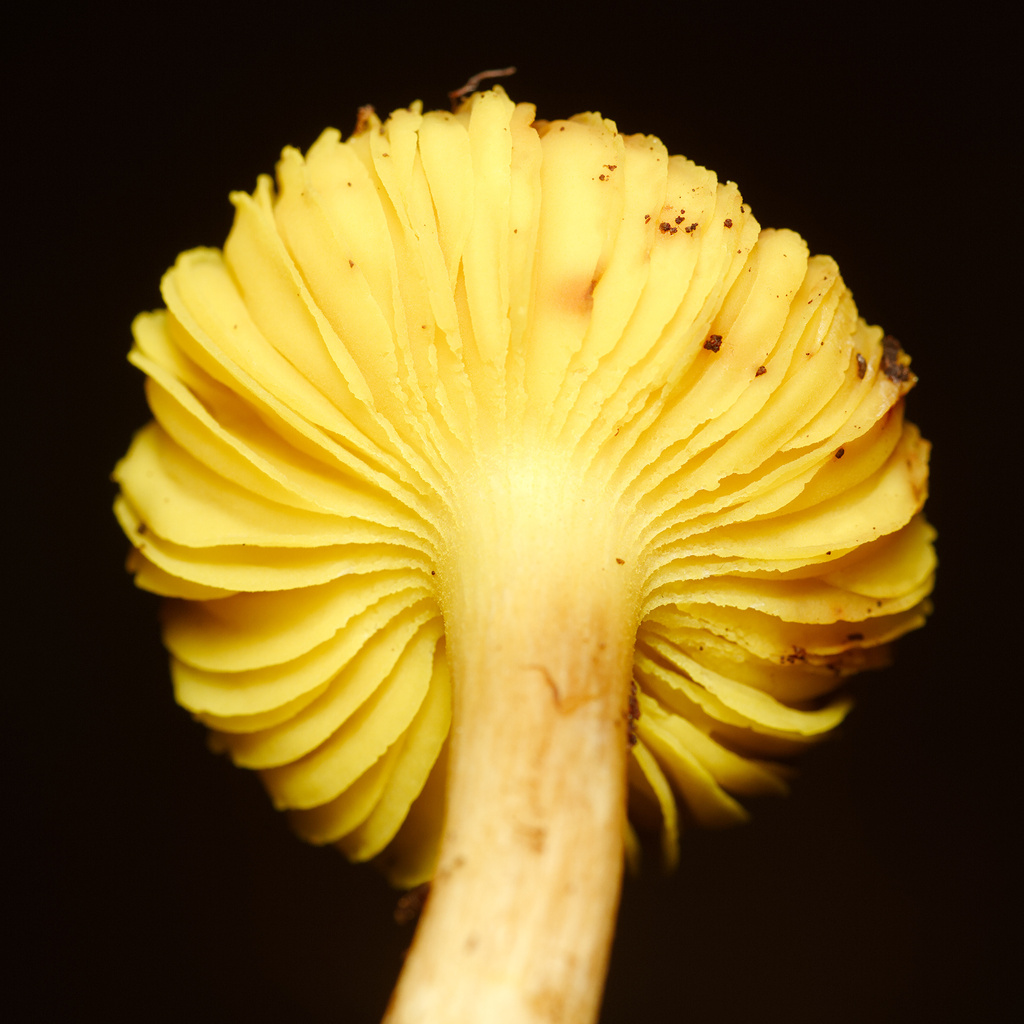
GSM-NONP Progress Report April 2026
Burt J., Springer B.
*This report will be updated as sequencing data is received. Results will be added along with additional comments. Last updated September 14, 2026.
Hello everyone! April was a very busy month overall. With my impending move to southern OR, now completed, we made a push at the beginning of the month to make shared collections in this study. Taking advantage of good mushroom weather too, we were able to collect on multiple spring target genera and families. As I write this in mid-May in a much warmer and drier climate, I am excited to report on some of these more luscious and moist spring finds from up north.
Morchella stands out as an exciting genus for most people. I don’t have any particular fascination with eating them, however I do enjoy looking at our park local members of section Distantes. Here we take a look at a little group surrounding the lake of potentially three species.
Some other major highlights are a few finds in and around one of the abandoned mine systems within the park, some disputed Helvella, and a lovely sighting of one of my favorite families. Don’t want to spoil too much but am much happier with this report than the last.
Our May collections for this study will be made exclusively by Brodie, while I settle into life in OR and make an off-study trip to CA for a meetup near Shasta. I will be “approving” and discussing the May collections with Brodie in a report, it is simply worth noting that this April report will be our last more thoroughly shared report, for now. I will return to this park a couple times before then, however Brodie is more than capable of making our collections for study until the fall picks up.
March results are not complete; however, we have already received a handful of interesting answers, including a brand new temporary code for a Donadinia species. We hope to use some of the data here from April, and some from March, to assist in convincing the park to allow retention of a few additional specimens a month. More to come on that later.
With our first full month of study returning that new temp. code I would hope everyone, not only the park, can see both the need and the interest in completing this more general work in ONP. I would love for these studies on park lands to contribute to broader research, including information that is valuable outside of the park. There are similar studies globally, and nationally, even statewide, BUT I am very proud of the work we are putting in here to assess both these wonderful habitats and species! However general it may be sometimes.
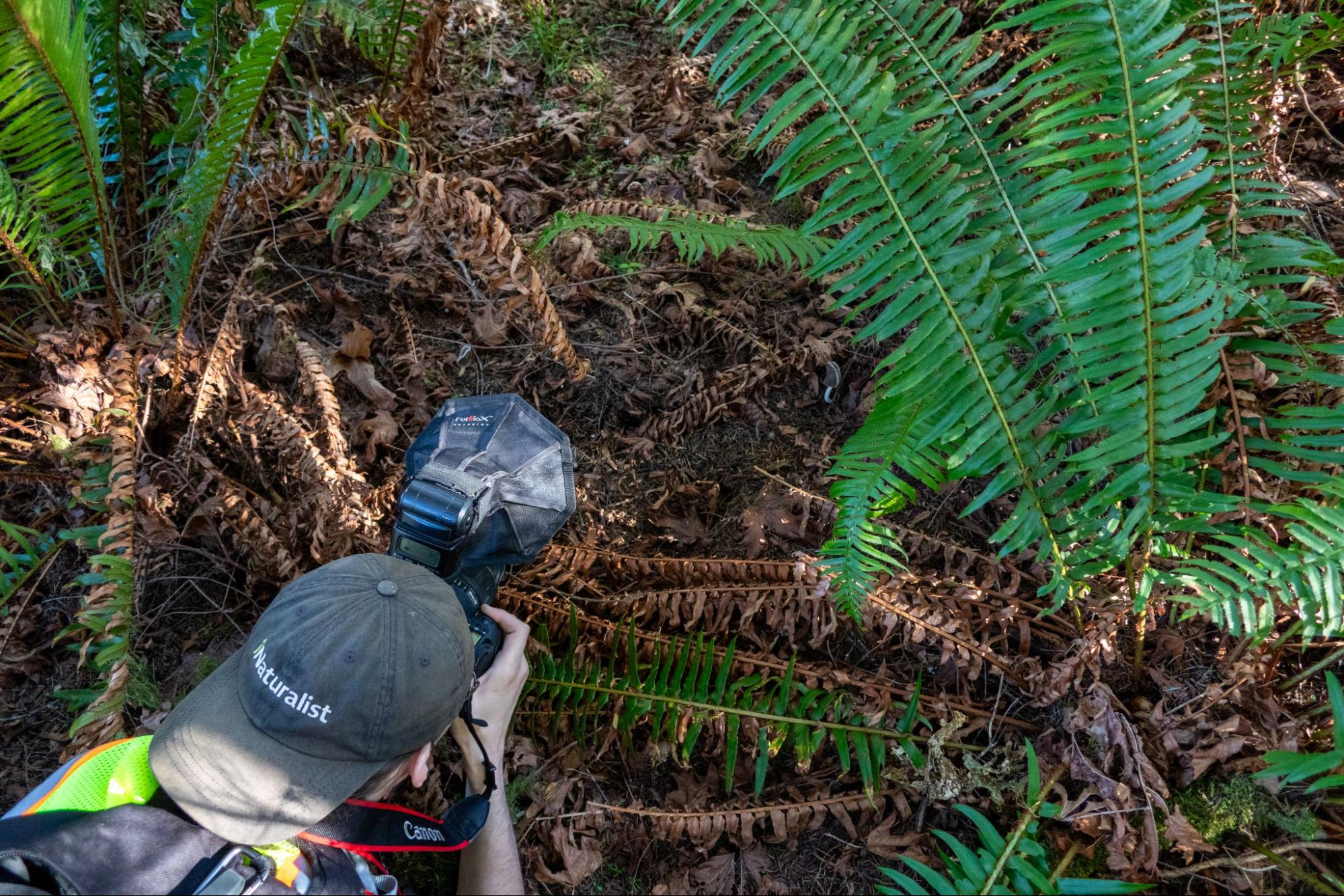
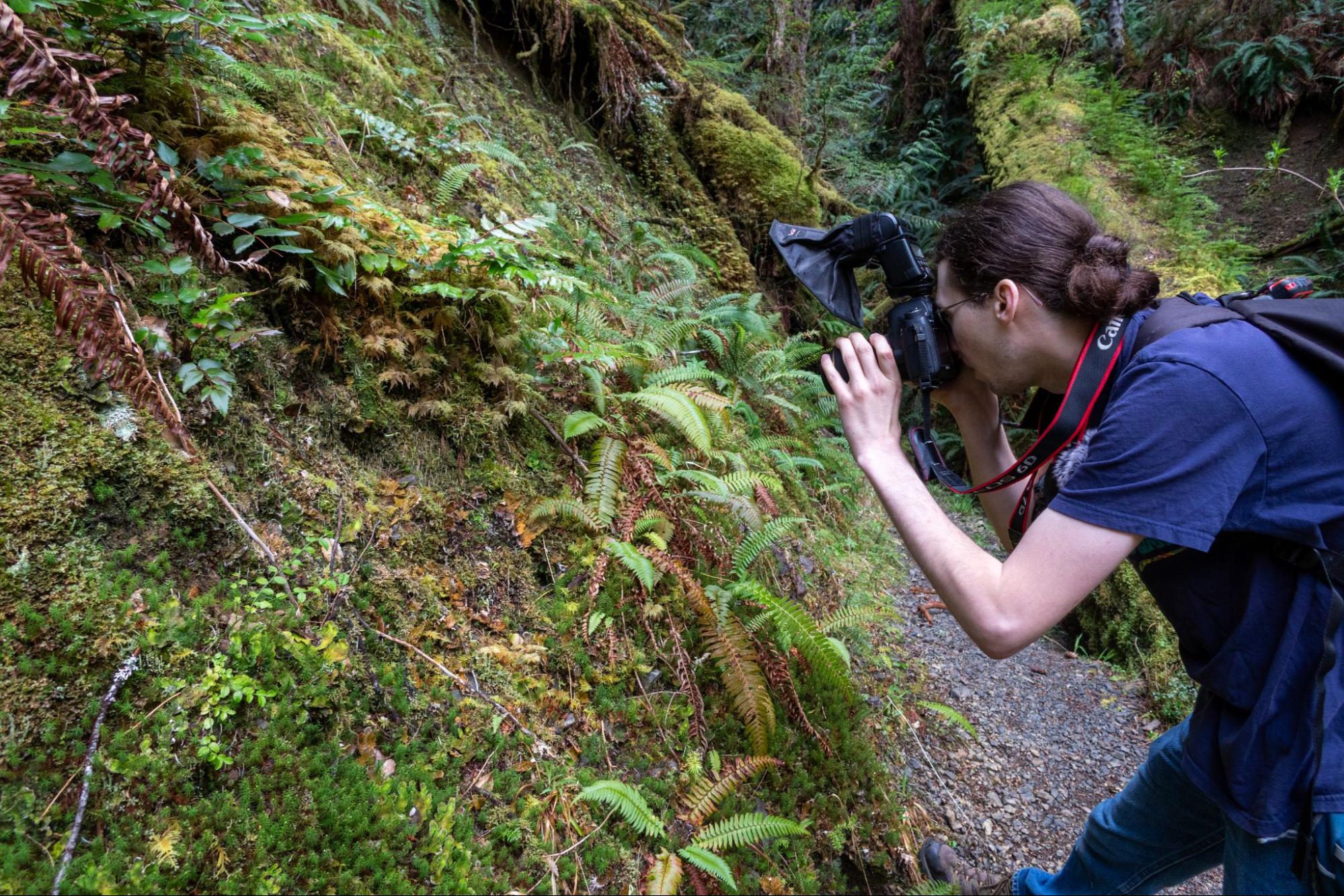
We will continue to update this page with new information as it comes out. As usual, most of our specimen photos are taken by Brodie. Again this will change come June, when I begin publishing more of my solo photos. For now I am happy to have his exceptional help out in the field.
Without further delay, here is our April progress report!
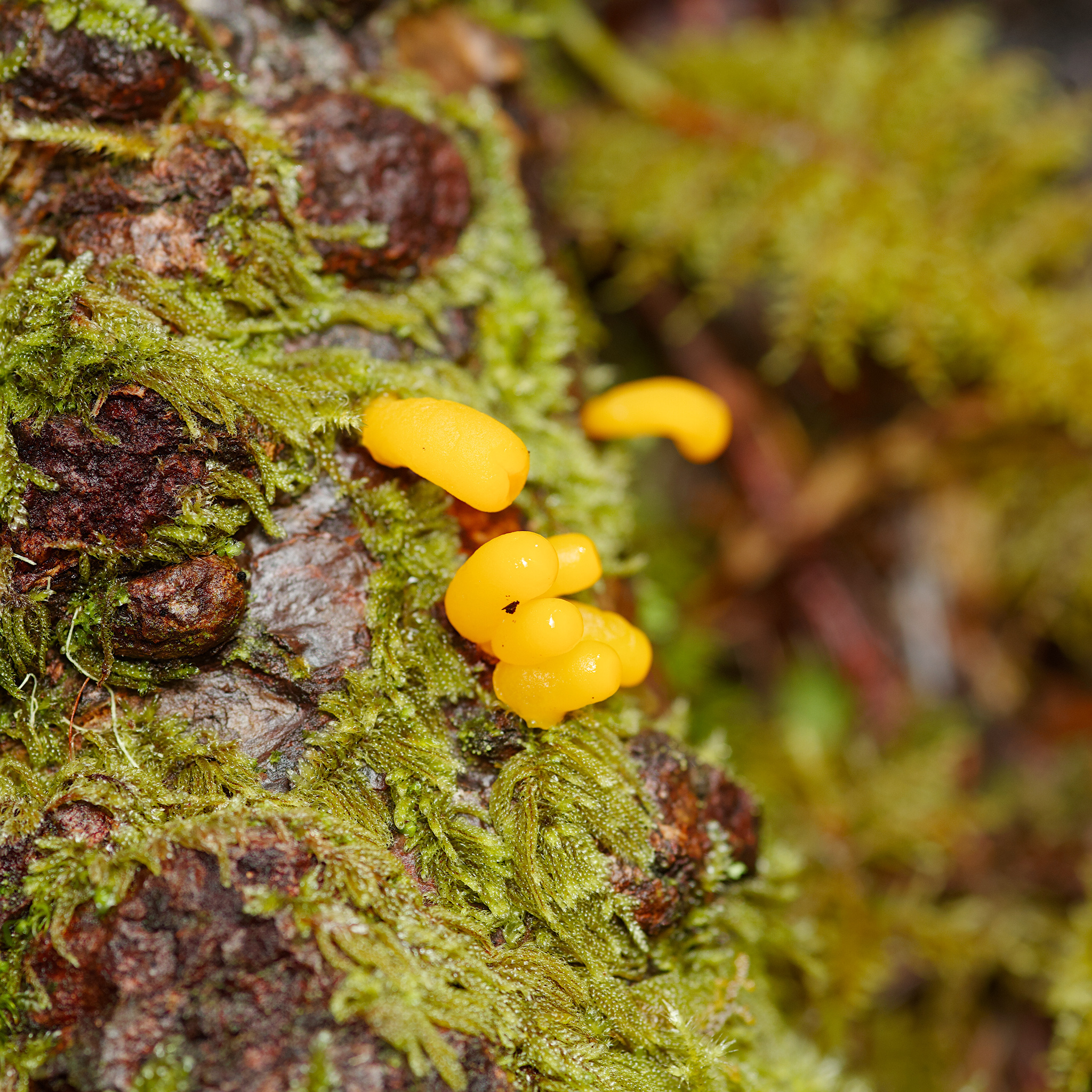
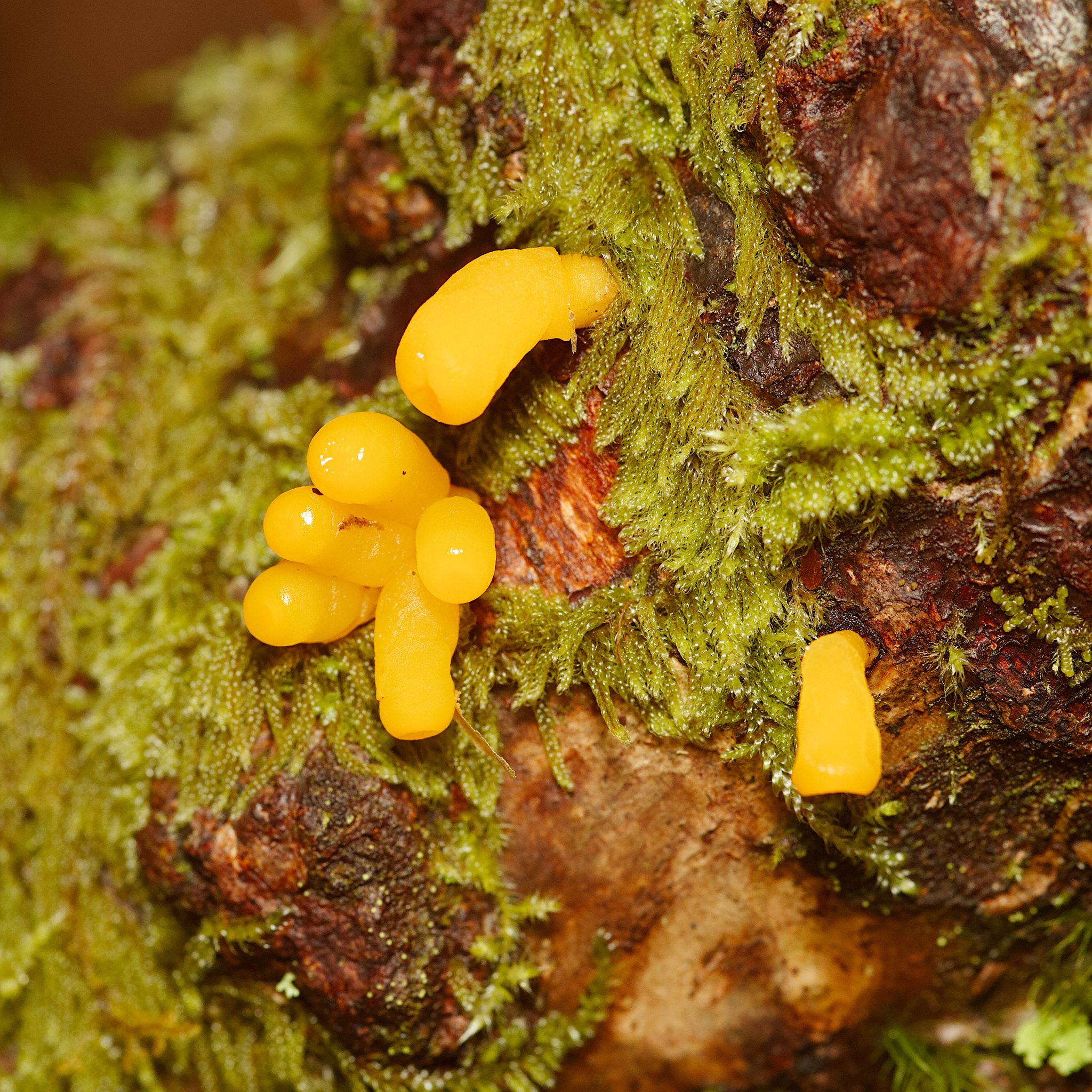
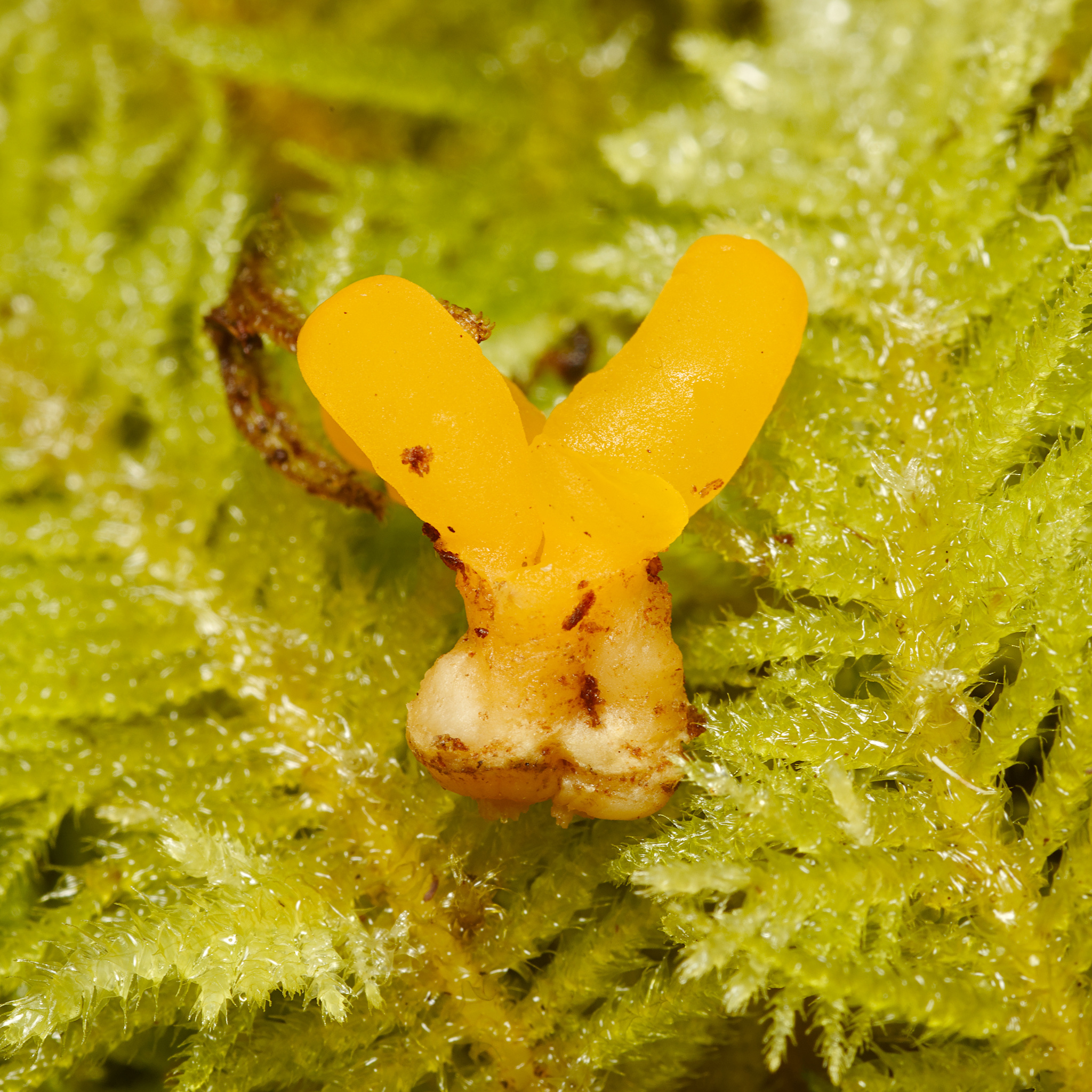
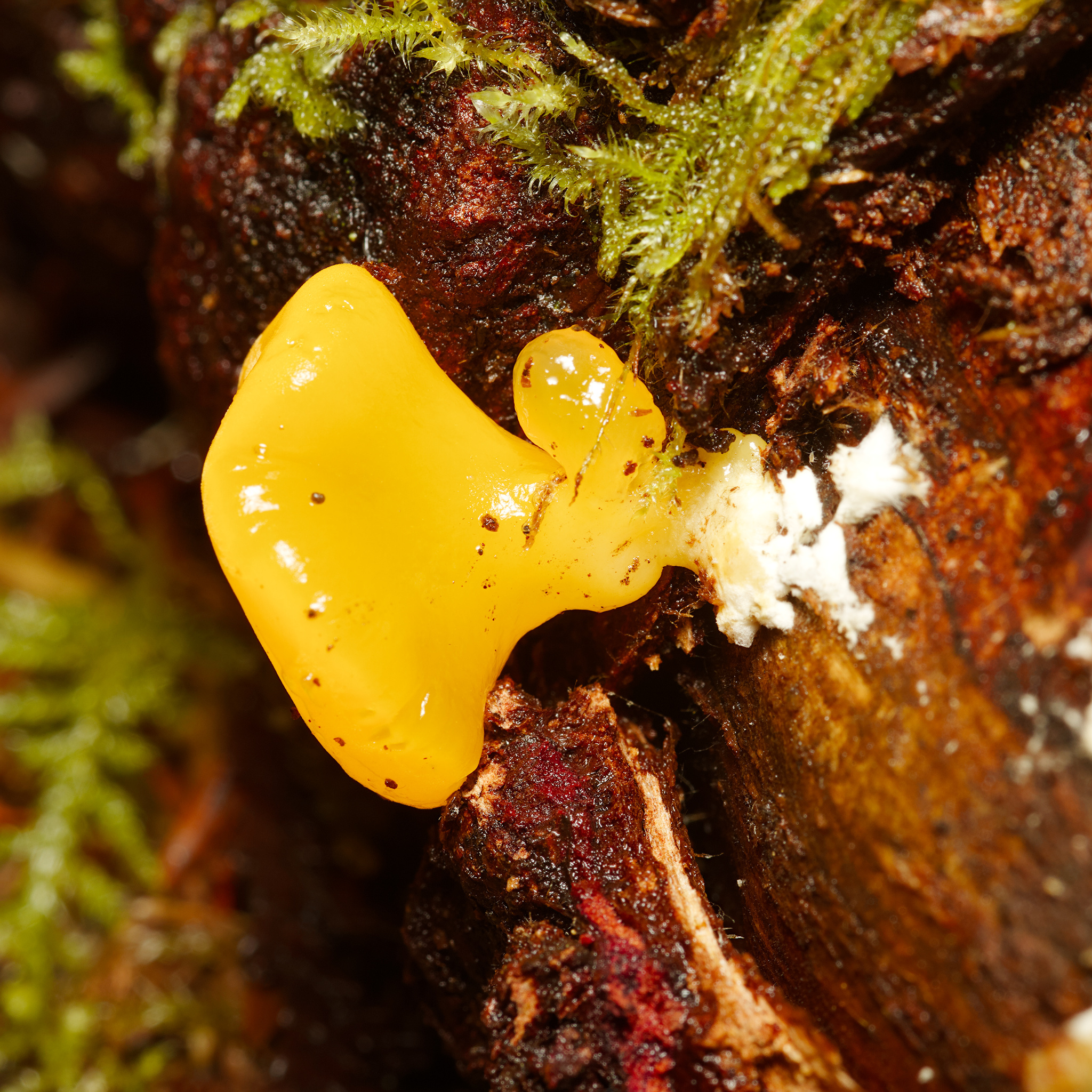
Starting off with two collections of what may be Guepiniopsis ‘alpina-CA01’. (351054207, 351054209) Who knows though? I have continued asking around about jellies, especially cones being one of my favorites, and I always get mixed answers. I would simply say that I am happy to collect more data on that known species, within any attempt to find more! Will keep it short here due to prior, and future, coverage of these species.
Update: Sequencing has returned results of Guepiniopsis sp. 'alpina-CA01' for the first collection and Dacrymyces sp. 'CA01' for the second.
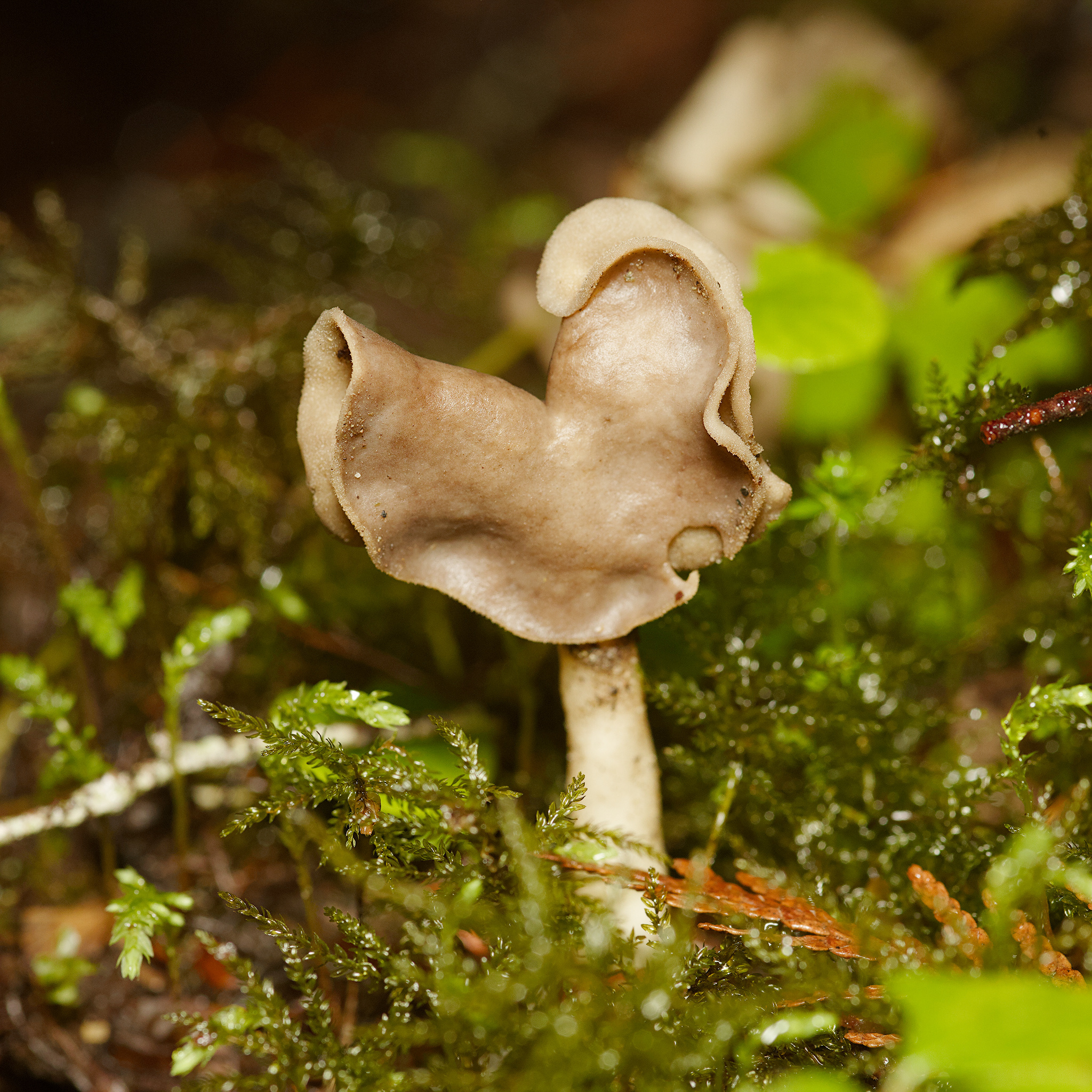
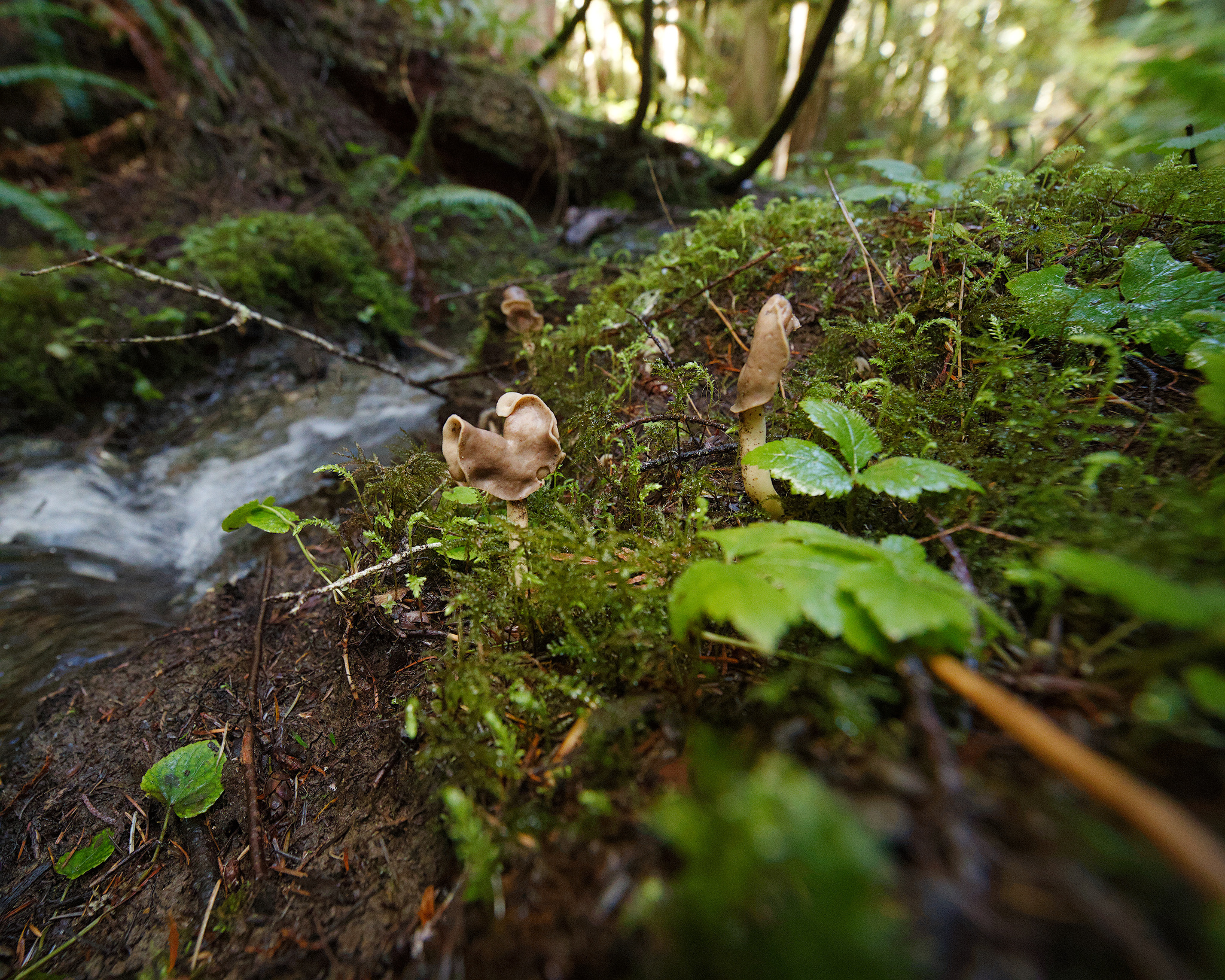
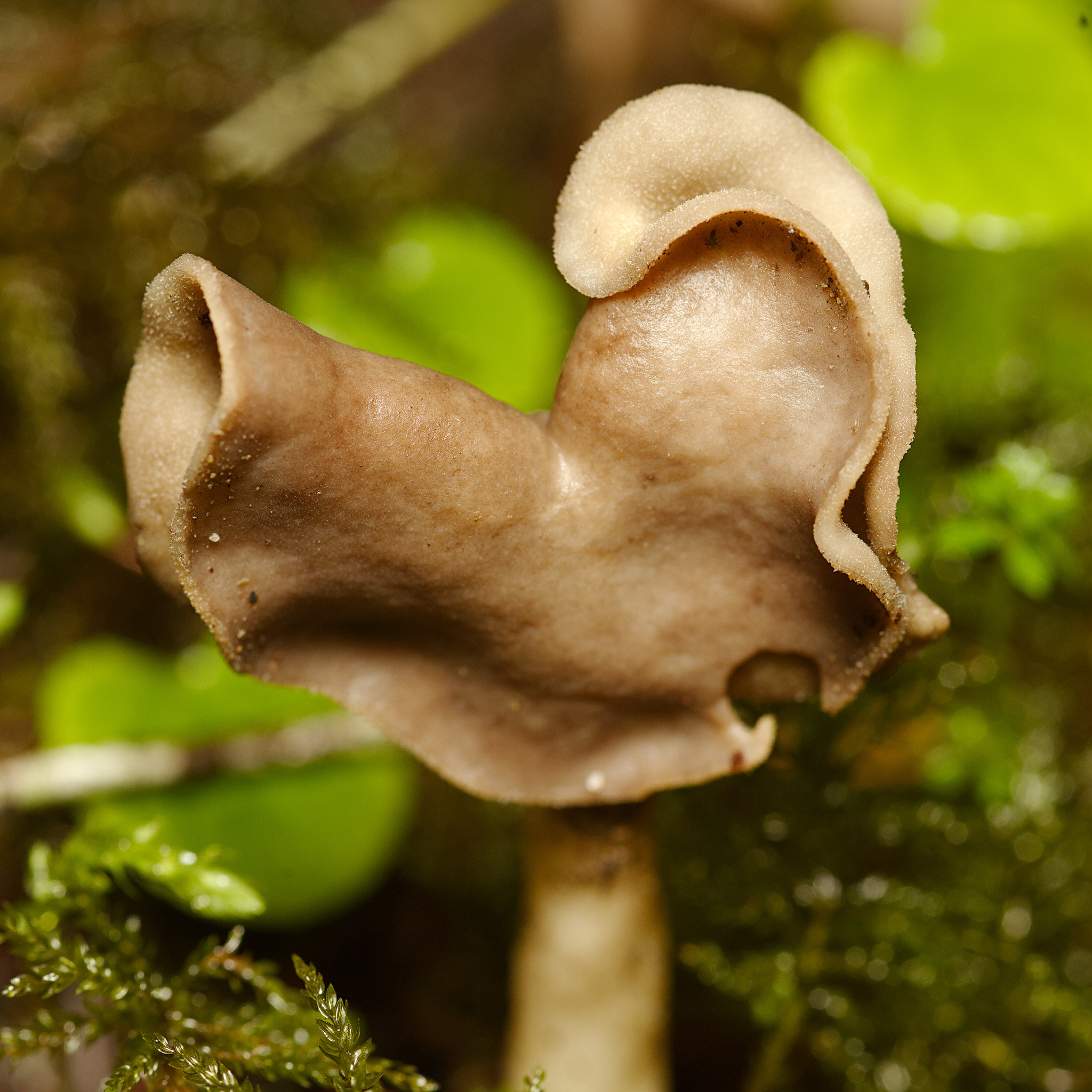
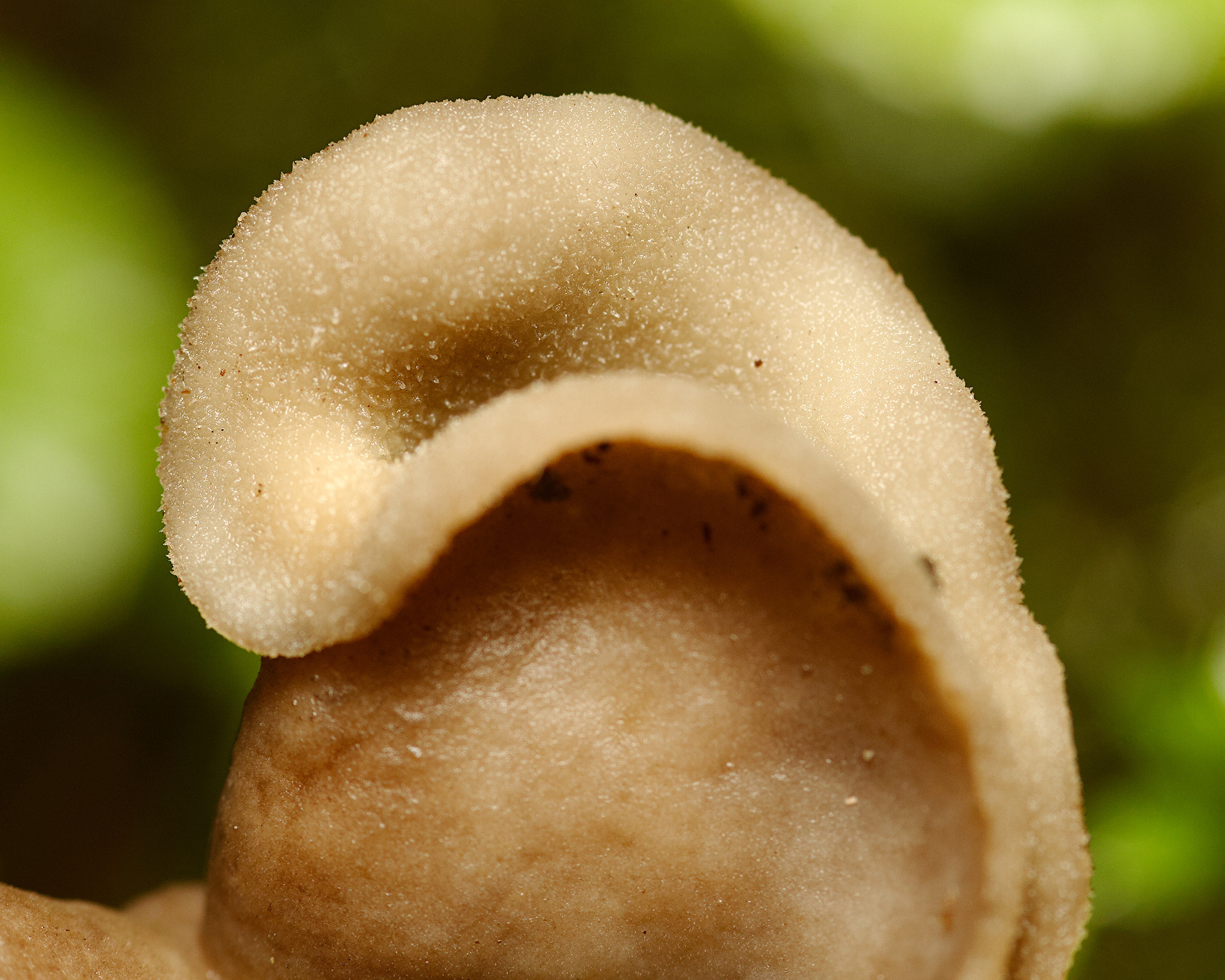
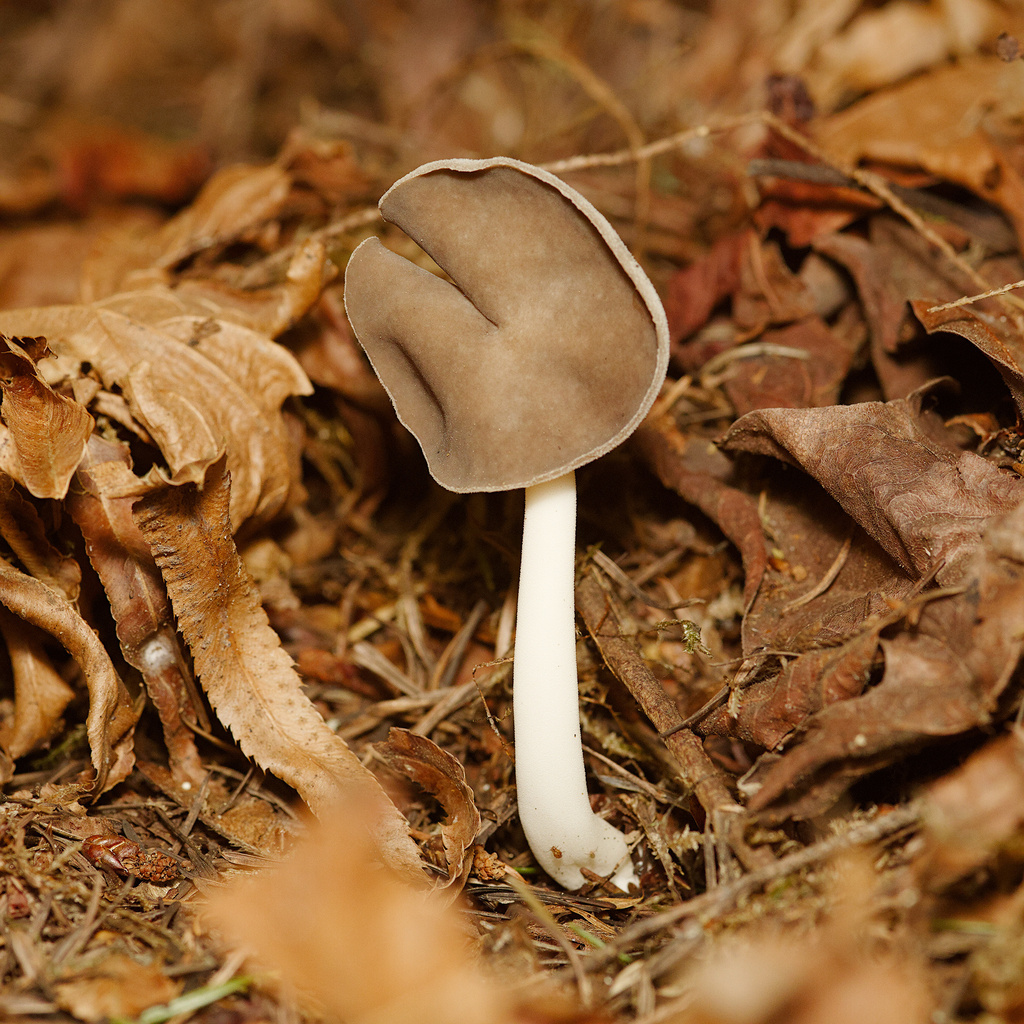
As we continued up the creek area to reach our target, one of the abandoned mines, we stumbled across this collection of Helvella. (351054214) This lovely group was growing in extremely wet substrate that was partially submerged in an offshoot of the cold, crystal clear creek. Currently disputed ID of complex H. elastica or H. compressa. My opinion leaning towards the latter, despite paleness here. Although I might add I have less strong opinions about this collection.
Update: Sequencing has returned a result of Helvella sp. 'CA12'. After a couple months of waiting we have also received word that this temp. code is H. compressa after all. I was correct! Nice.
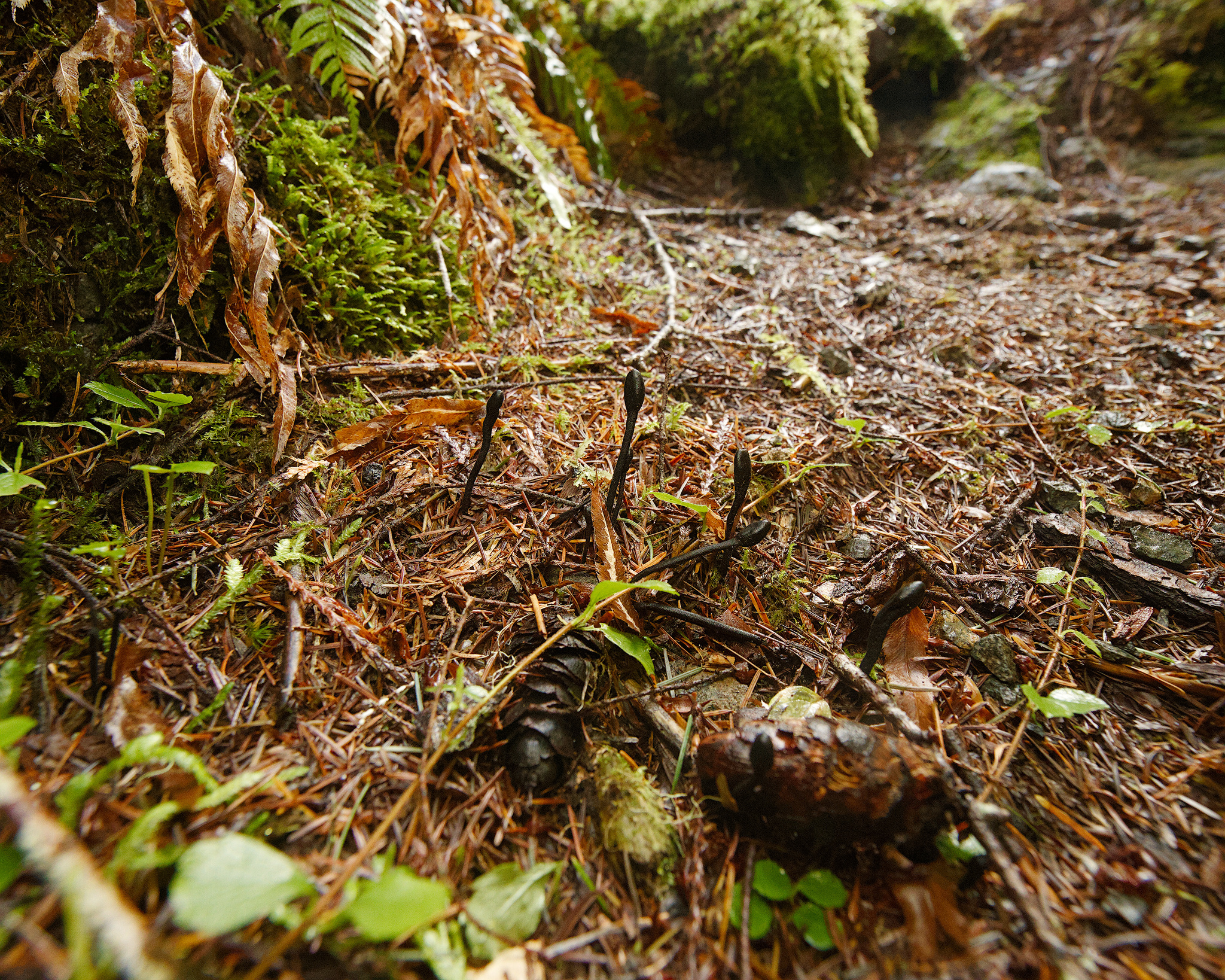
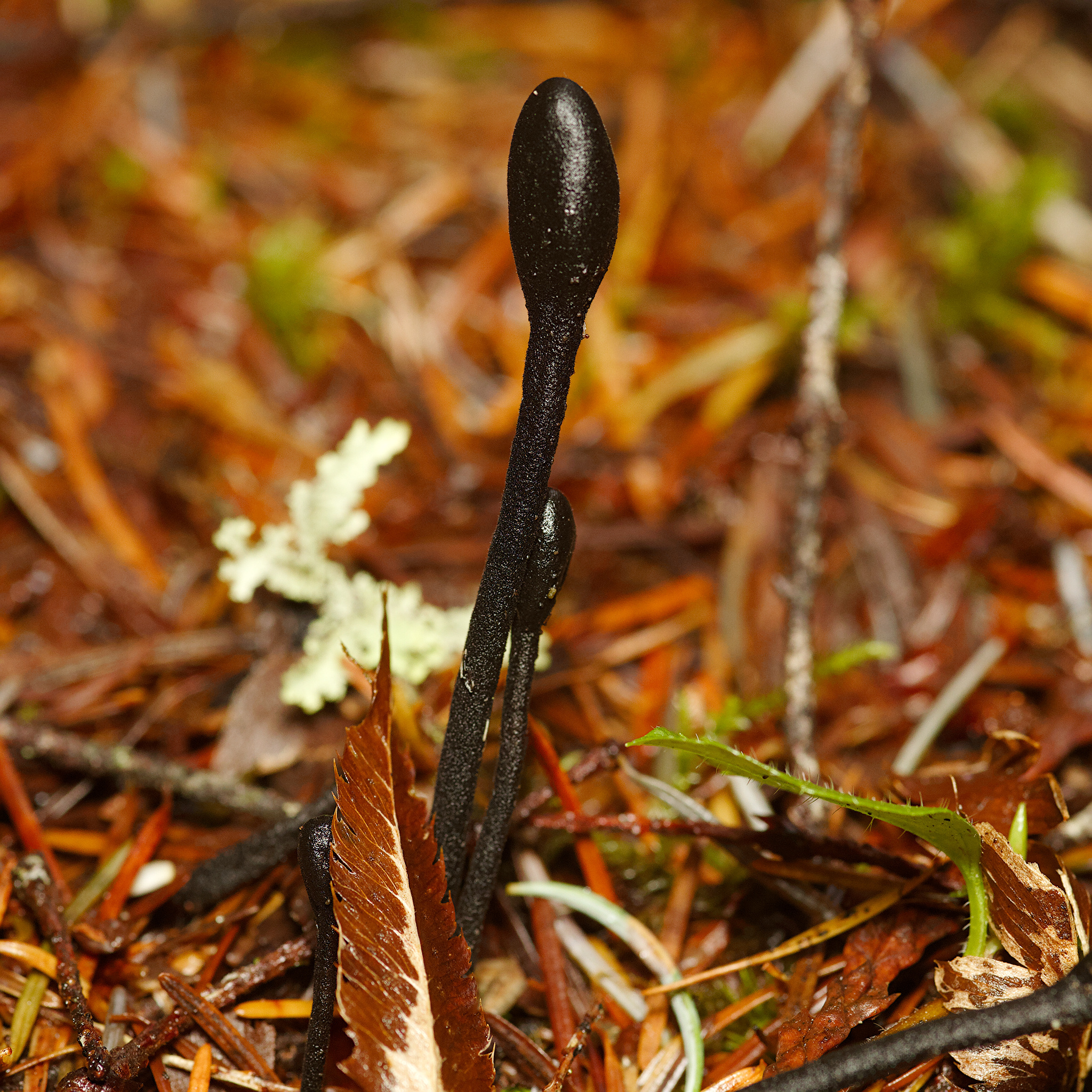
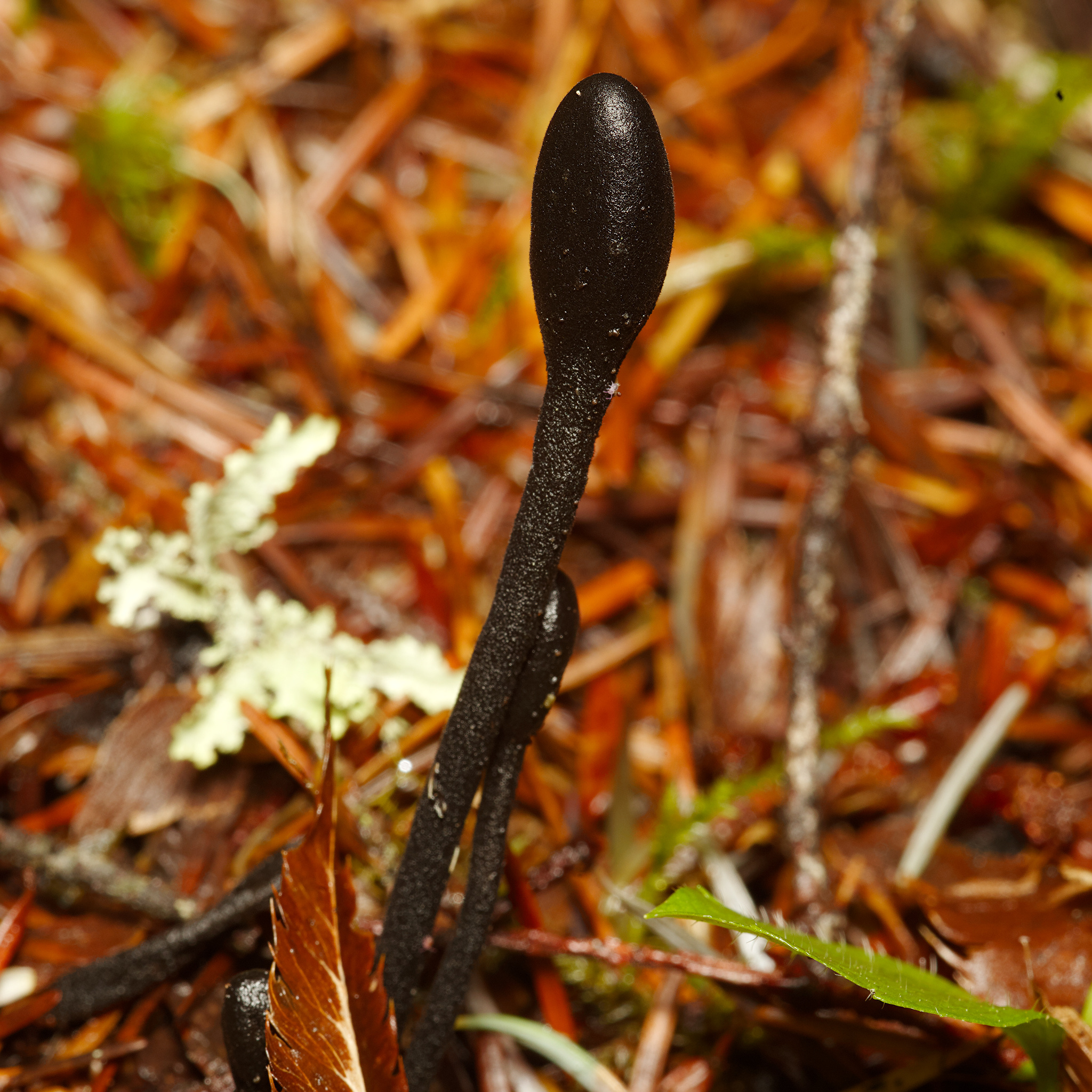
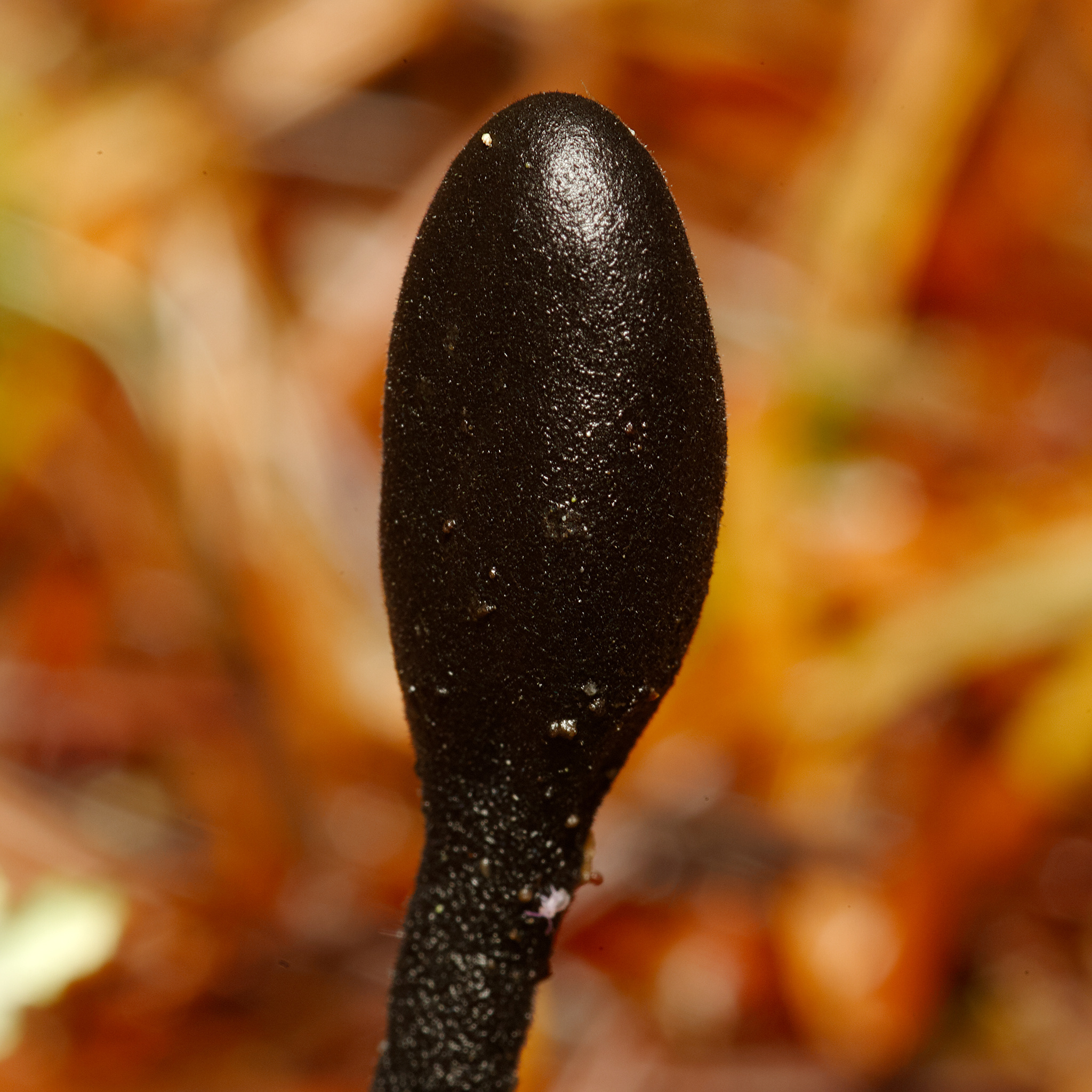
Our next collection was this sighting of what is potentially Trichoglossum hirsutum var. irregulare, which we found in March. However this collection (351054215) might be slightly different in shape, or perhaps simply less mature. Another instance of simply being happy to collect more data.
Update: Sequencing has returned a result of Trichoglossum hirsutum var. irregulare.
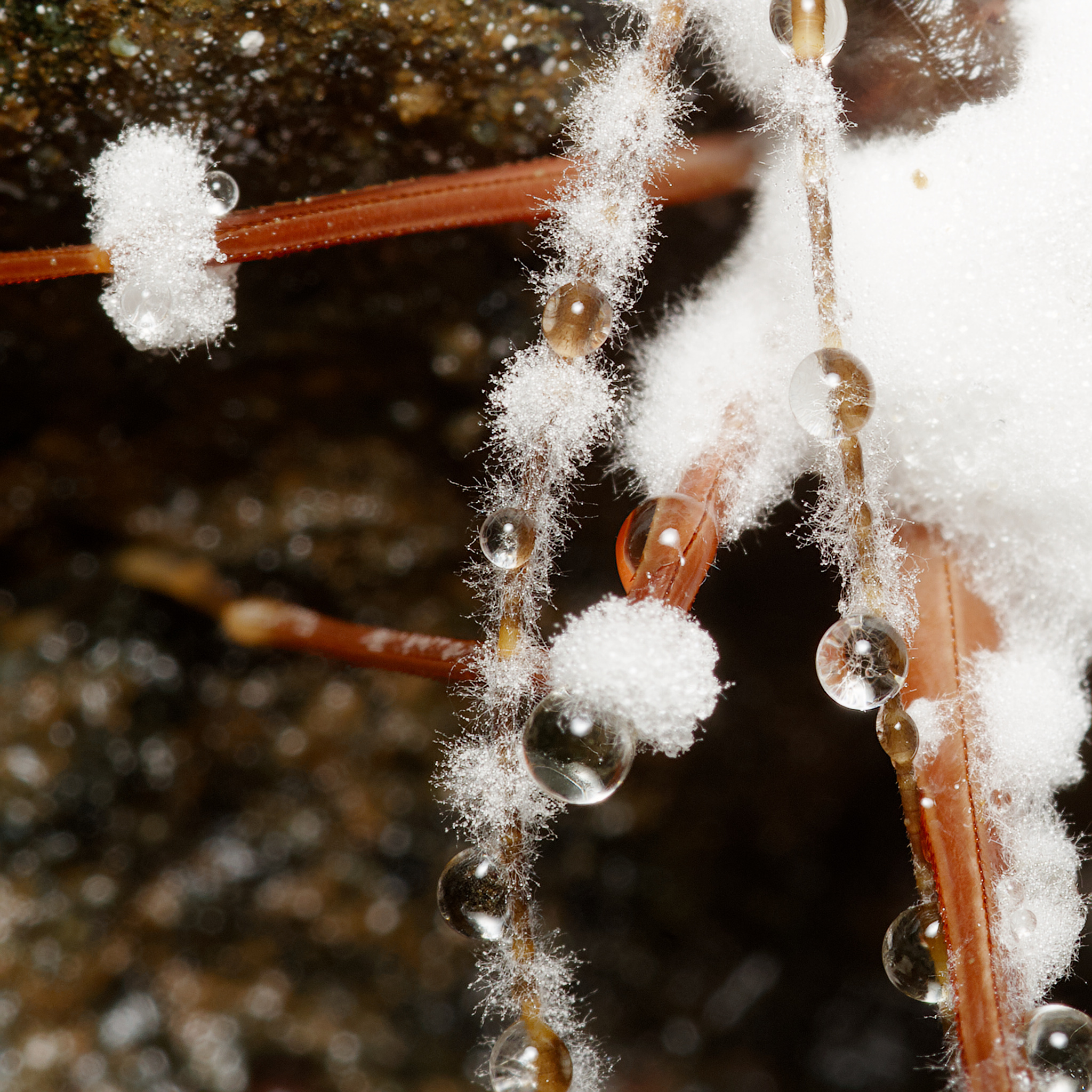
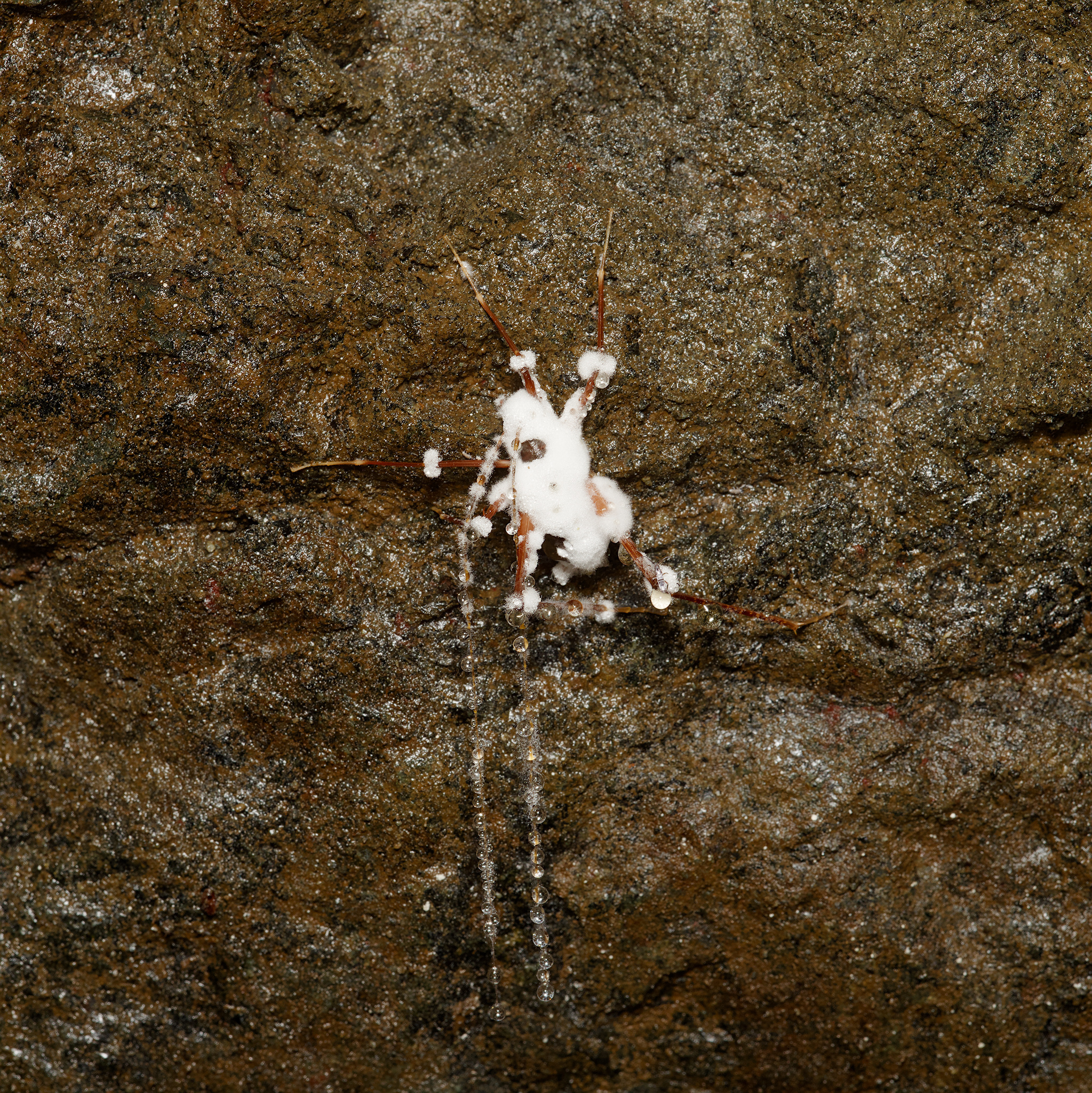
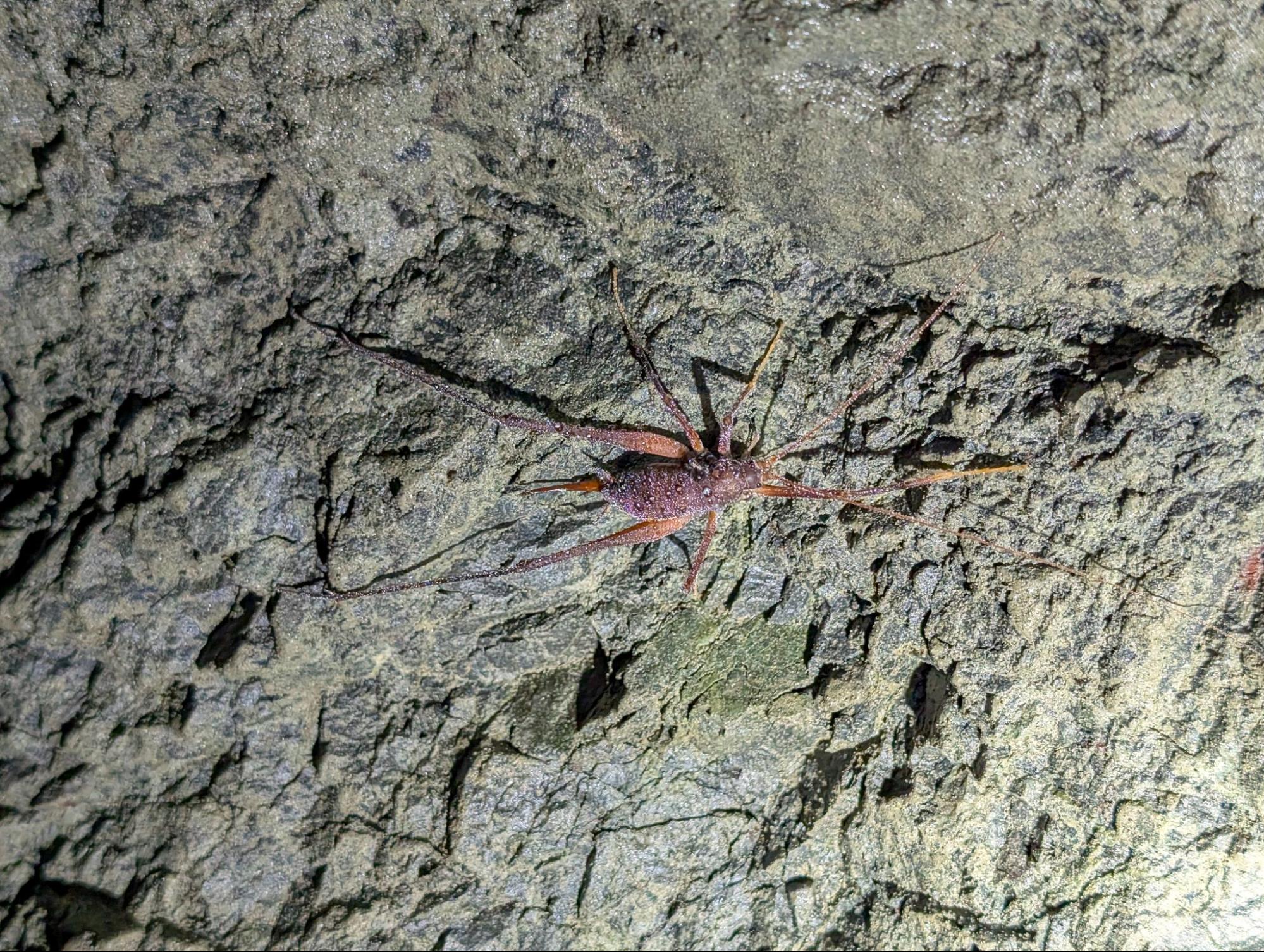
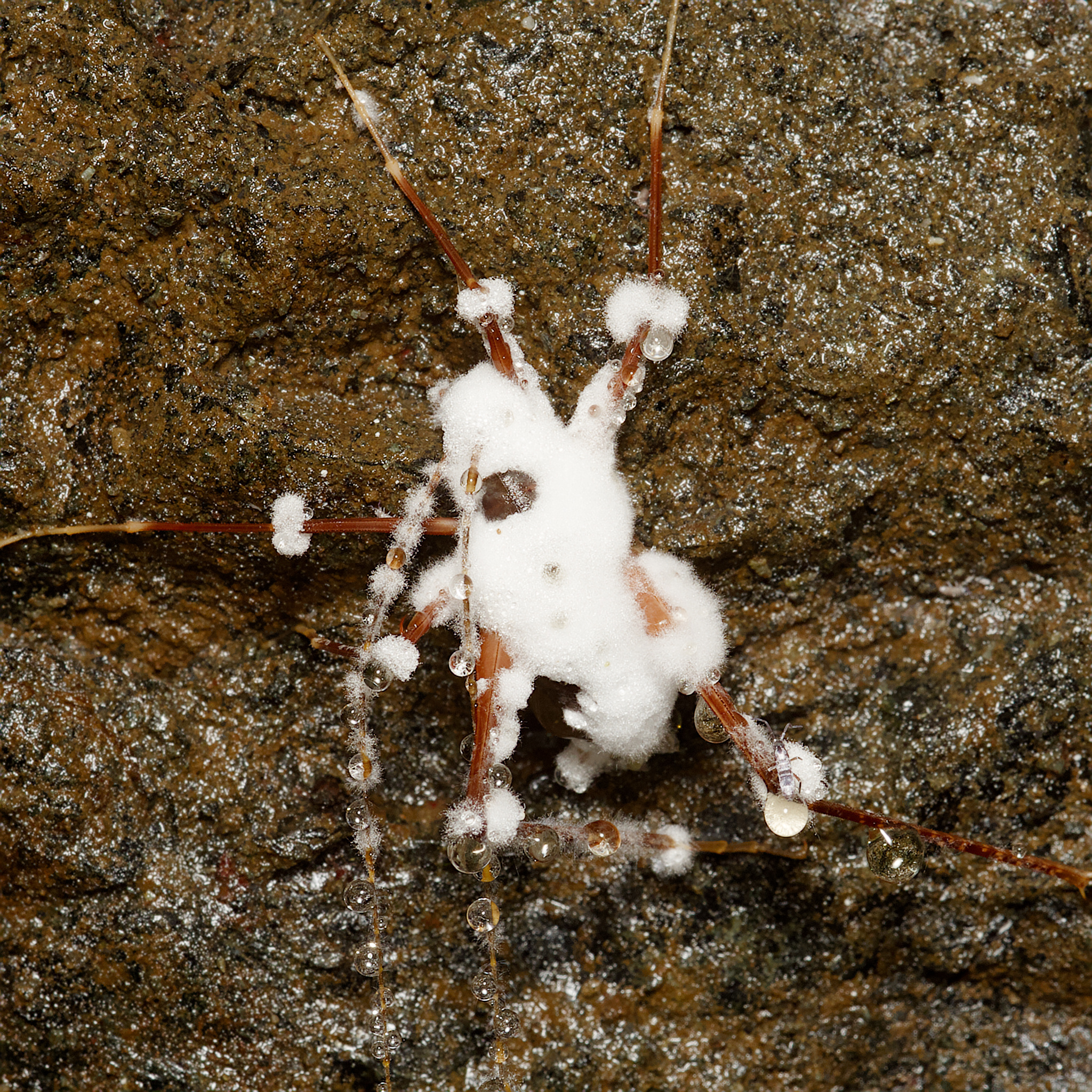
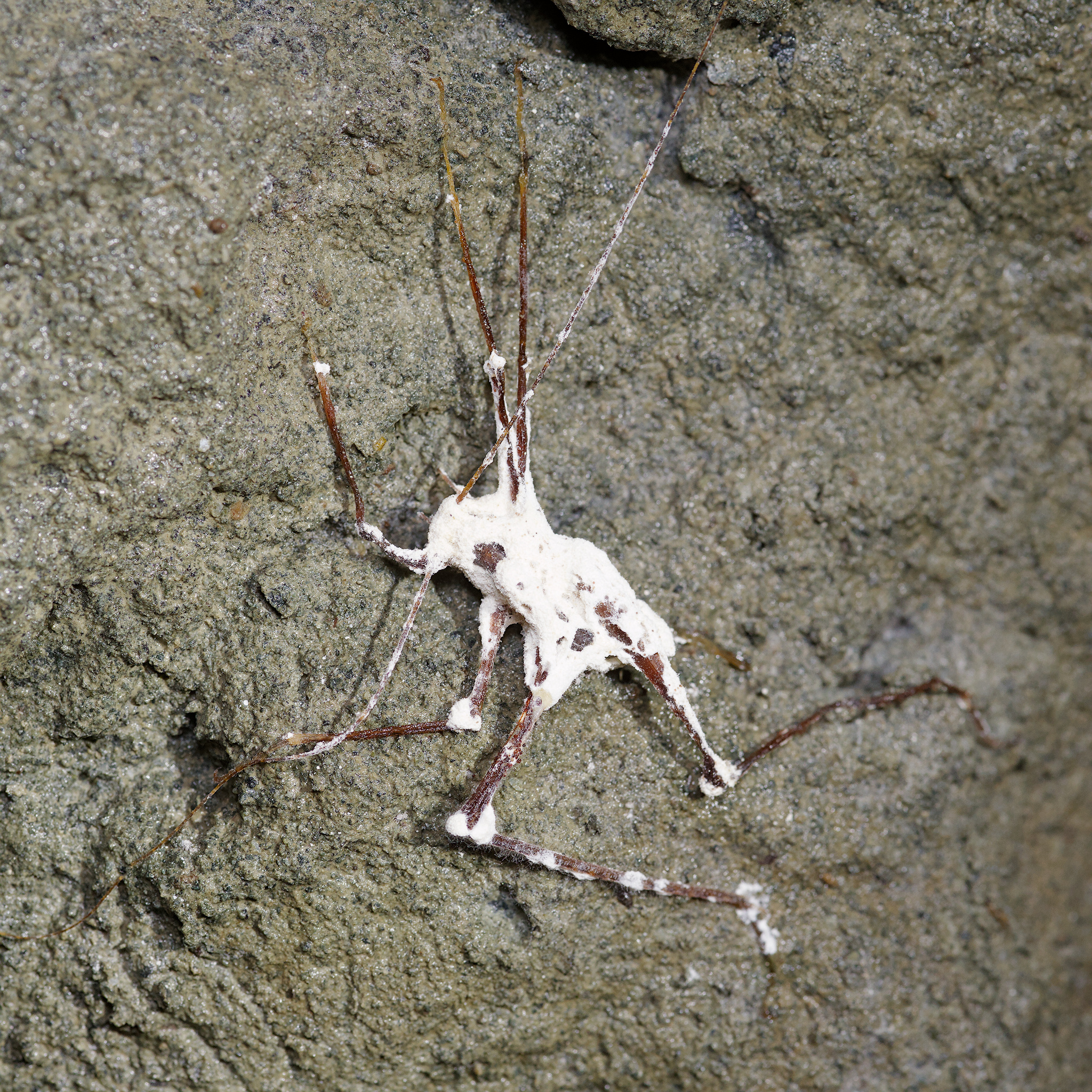
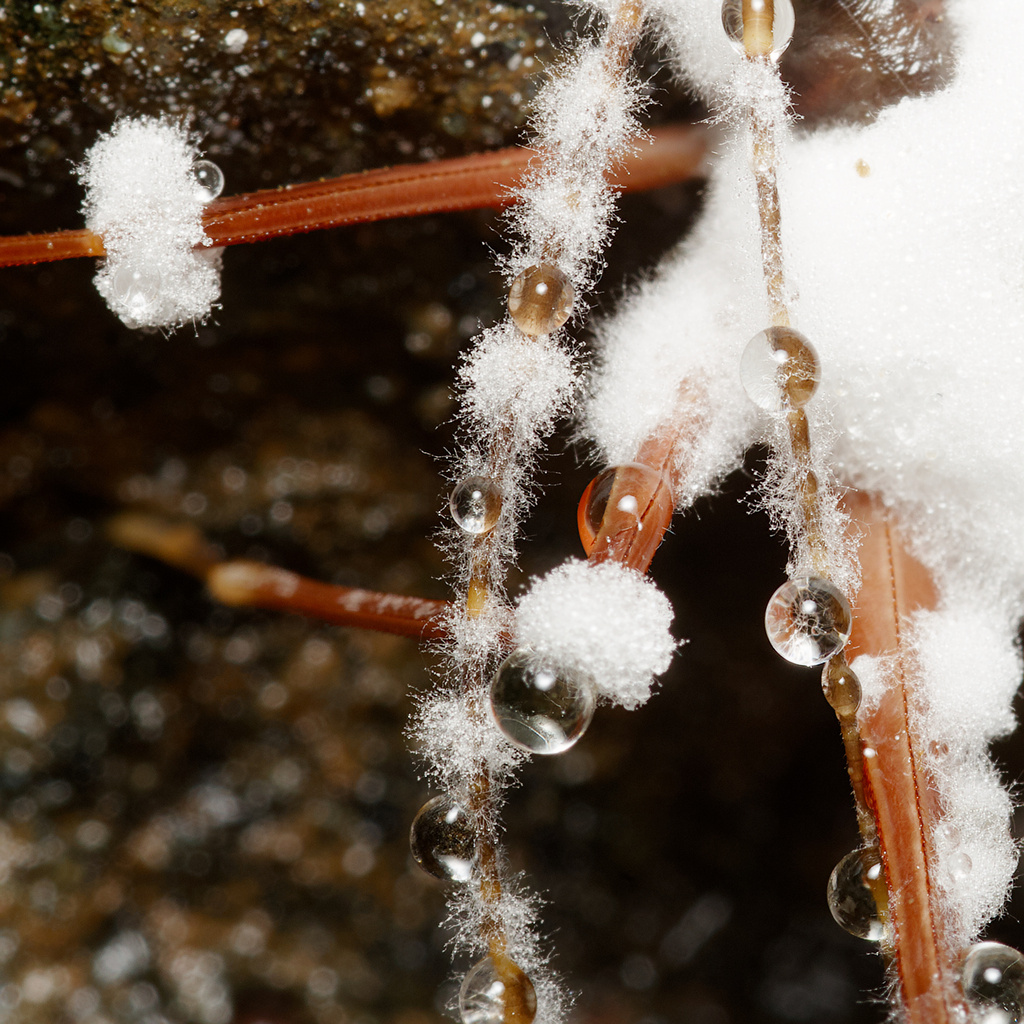
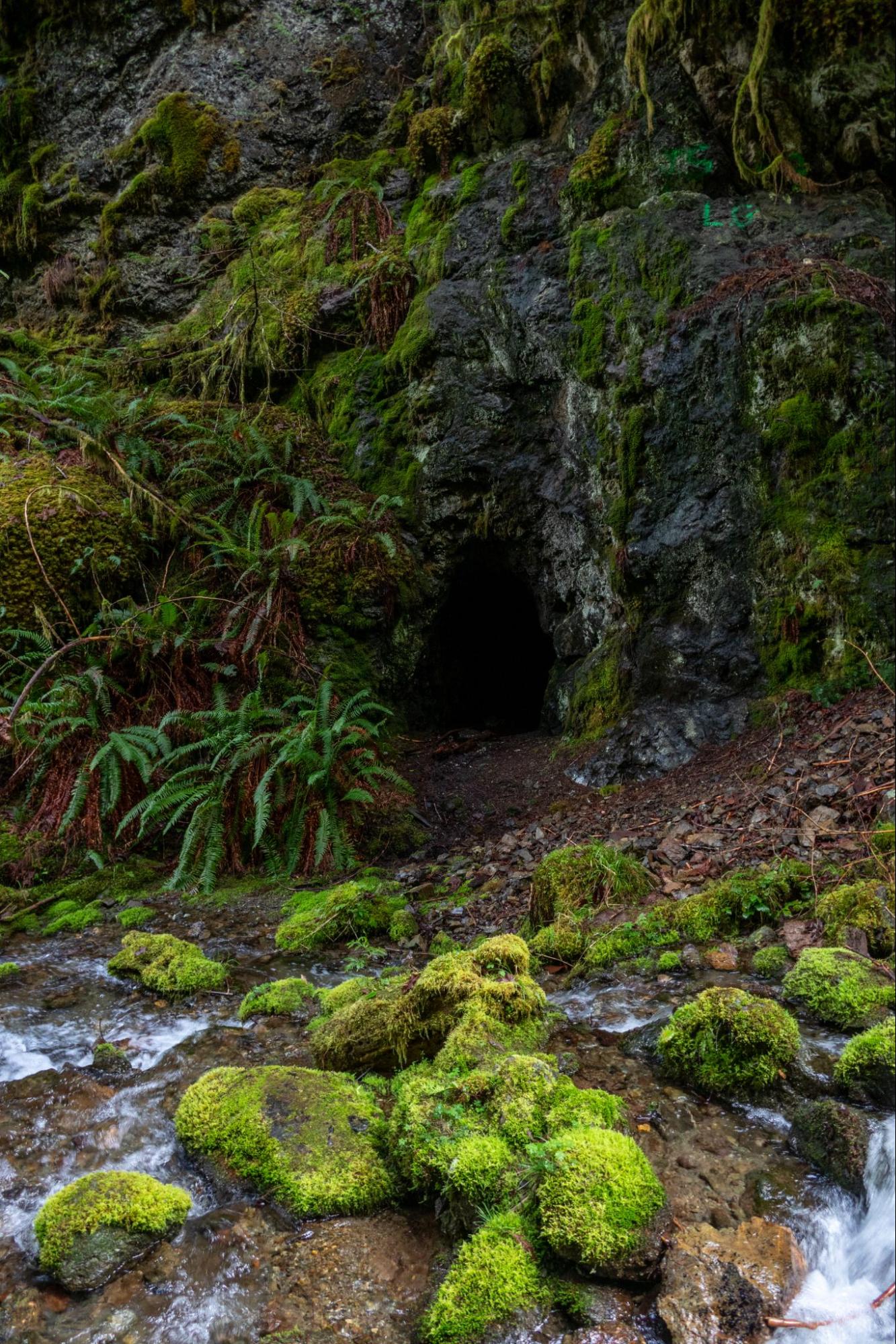
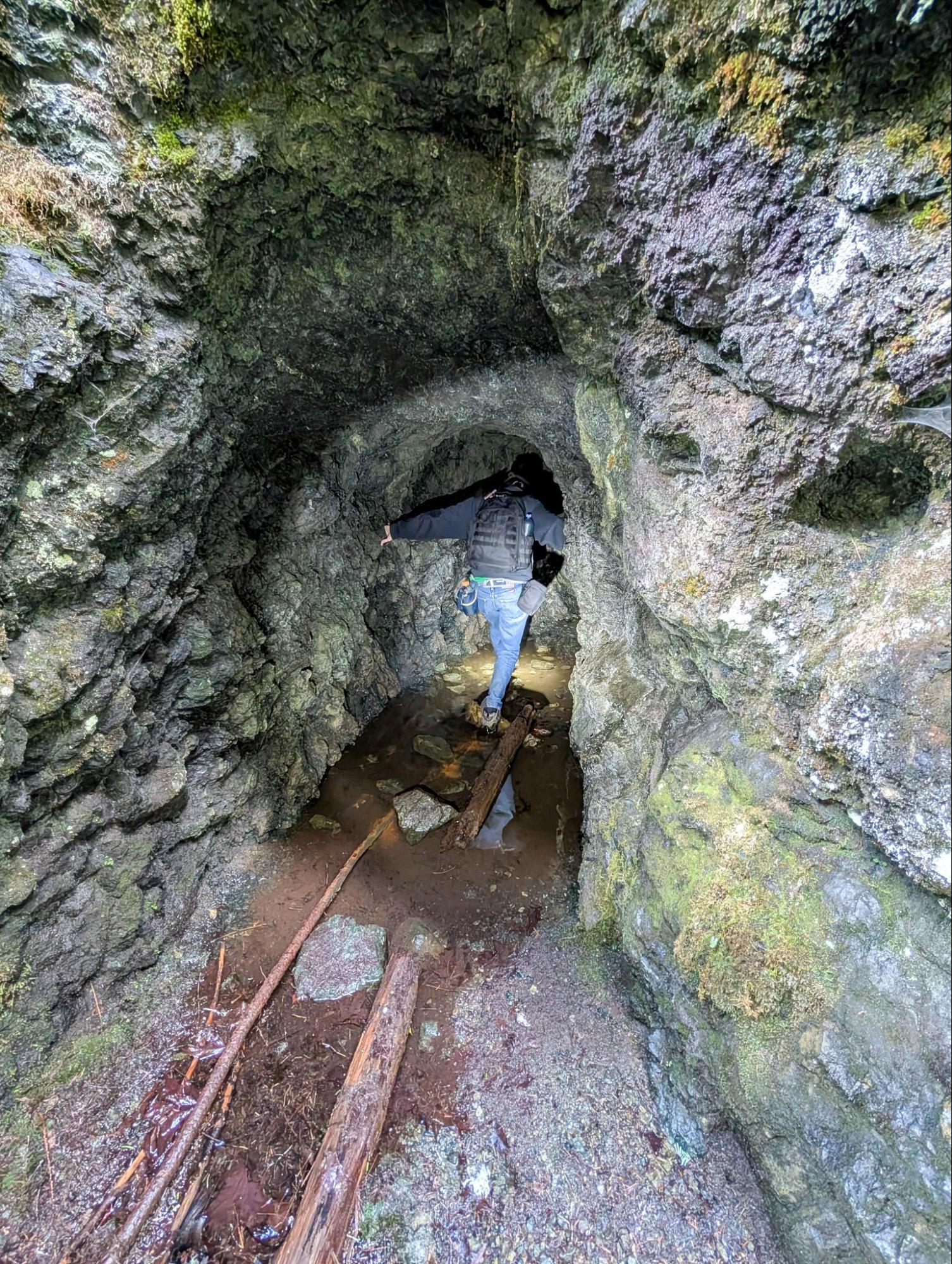
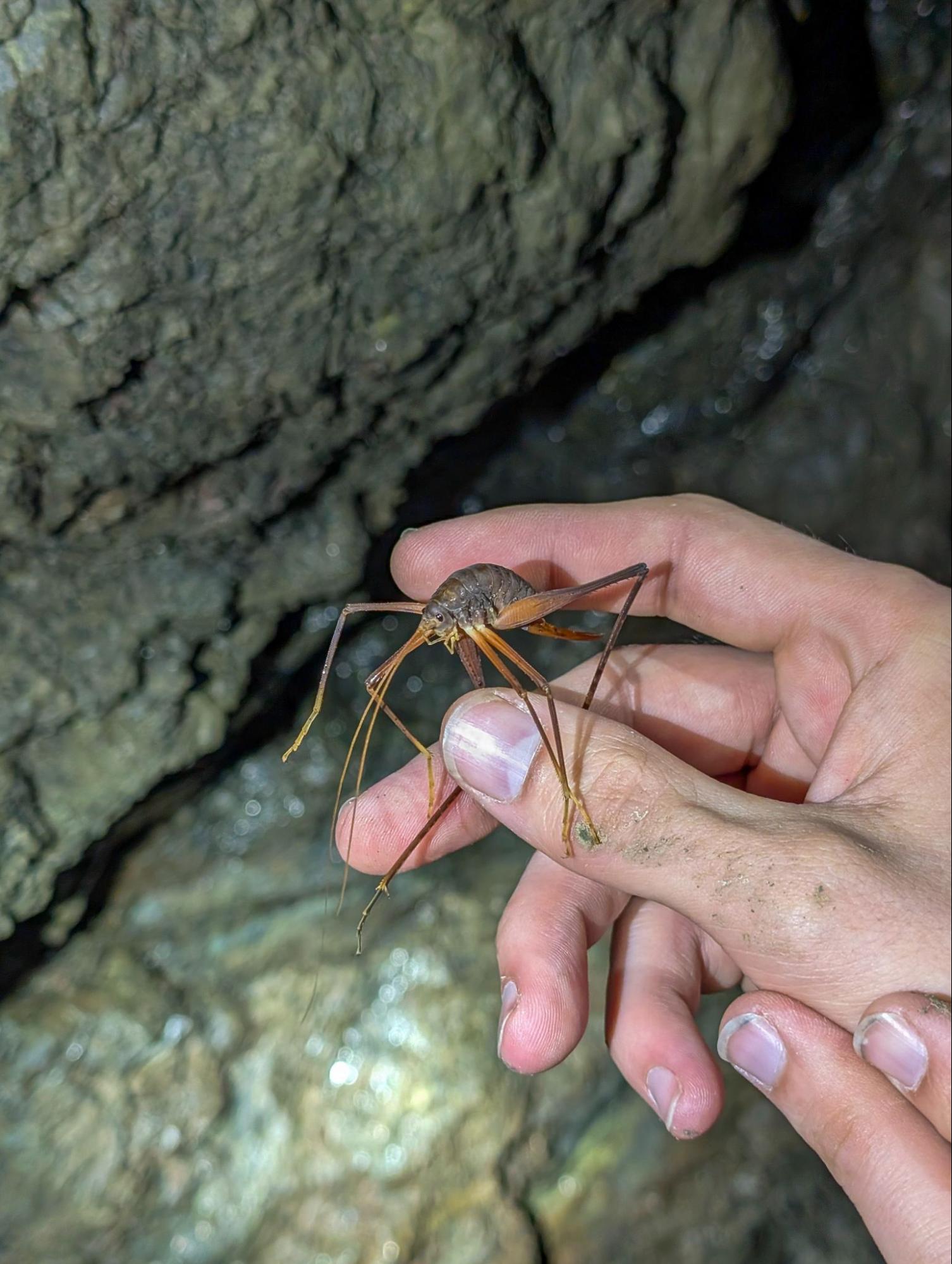
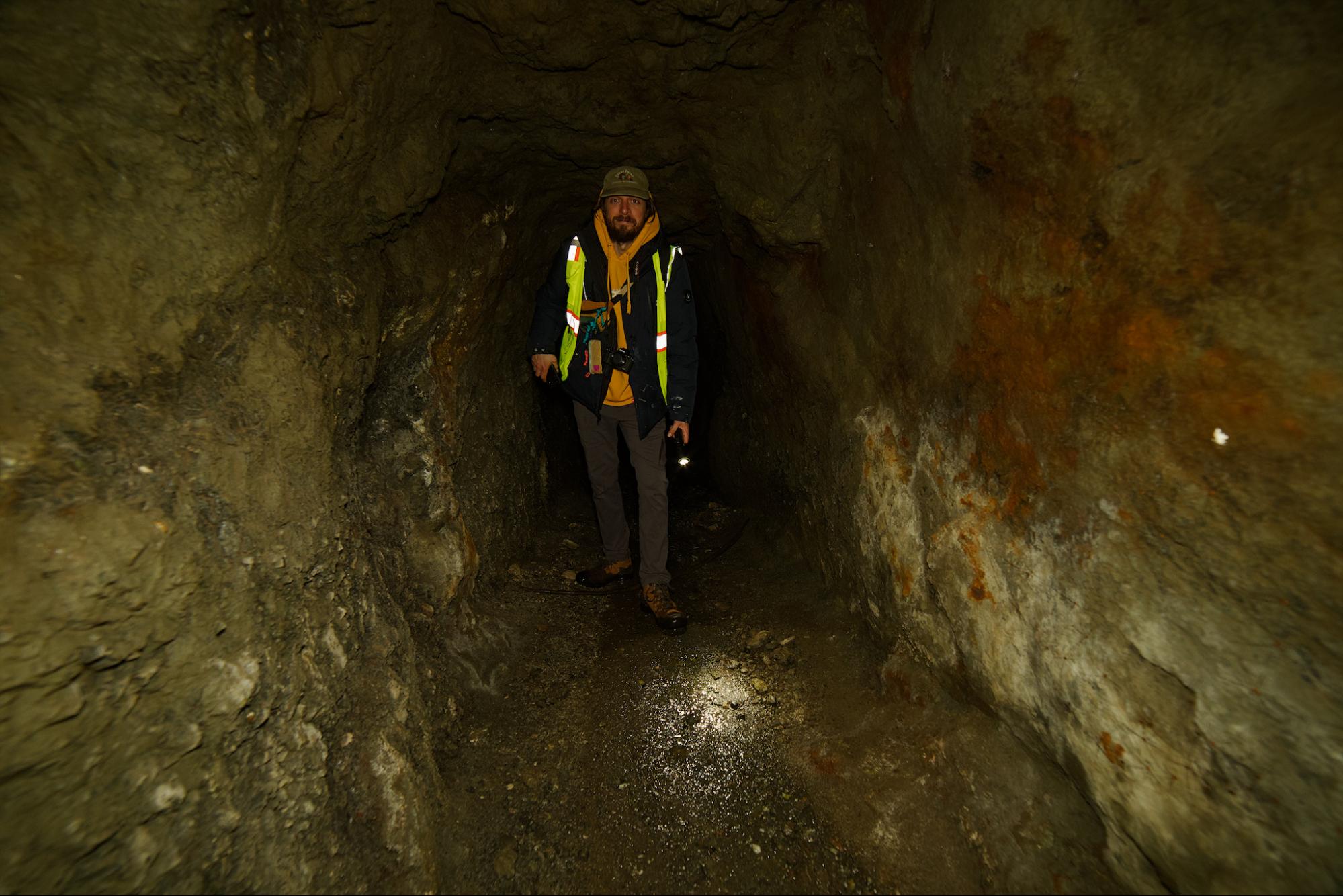
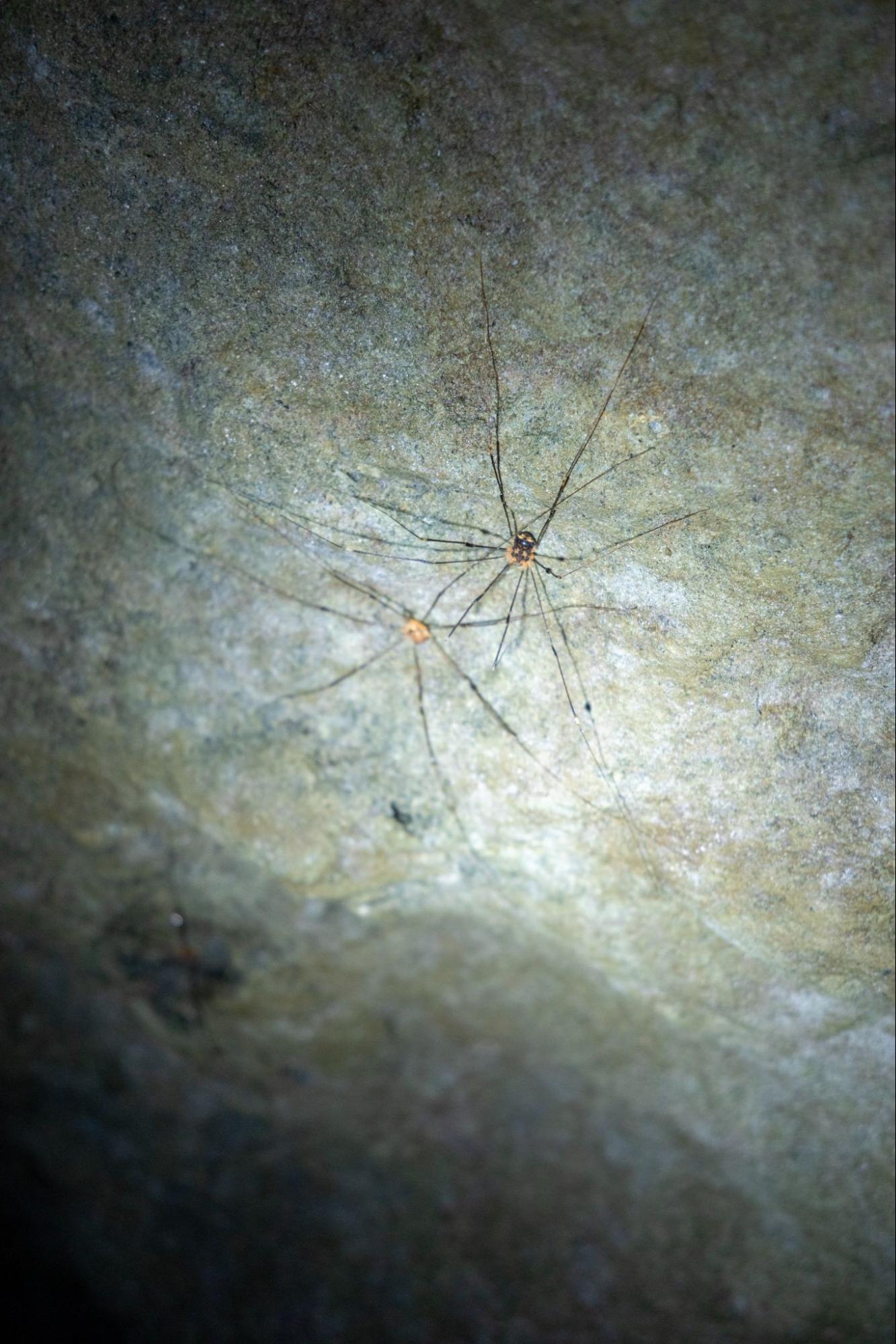
What an amazing location and find! An awesome opportunity to see a “cave” of sorts and make some weird finds. This is probably a Beauveria species, (357068246) and it was found growing on Square-legged Camel Crickets (Tropidischia xanthostoma).
Photos both above and below show some of these fascinating hosts, and their home. Along with those of course, who have reached their demise to a fungal organism thriving in the same moist, dark, often warmer habitat they enjoy.
The fungus forms these lovely white fuzzy growths on the infected host, and slowly consumes the entire body of the insect, bursting out of joints in the legs and body sections. Not entirely clear if all of the droplets we saw are guttation from the fungus or simply collected moisture from air, or both!
I really can’t say enough about the whole experience. It was just another day in the park for Brodie and I in many ways, but I would say this was a really special hike. While we certainly won’t stop anyone, I would not recommend unprepared or perhaps unpermitted folks, try to reach this mine. The trek up was beautiful but a bit messy and rocky, especially during this wet time of year. Once at the mine location though, safe access was relatively easy.
Update: Sequencing has returned a result of Beauveria bassiana.
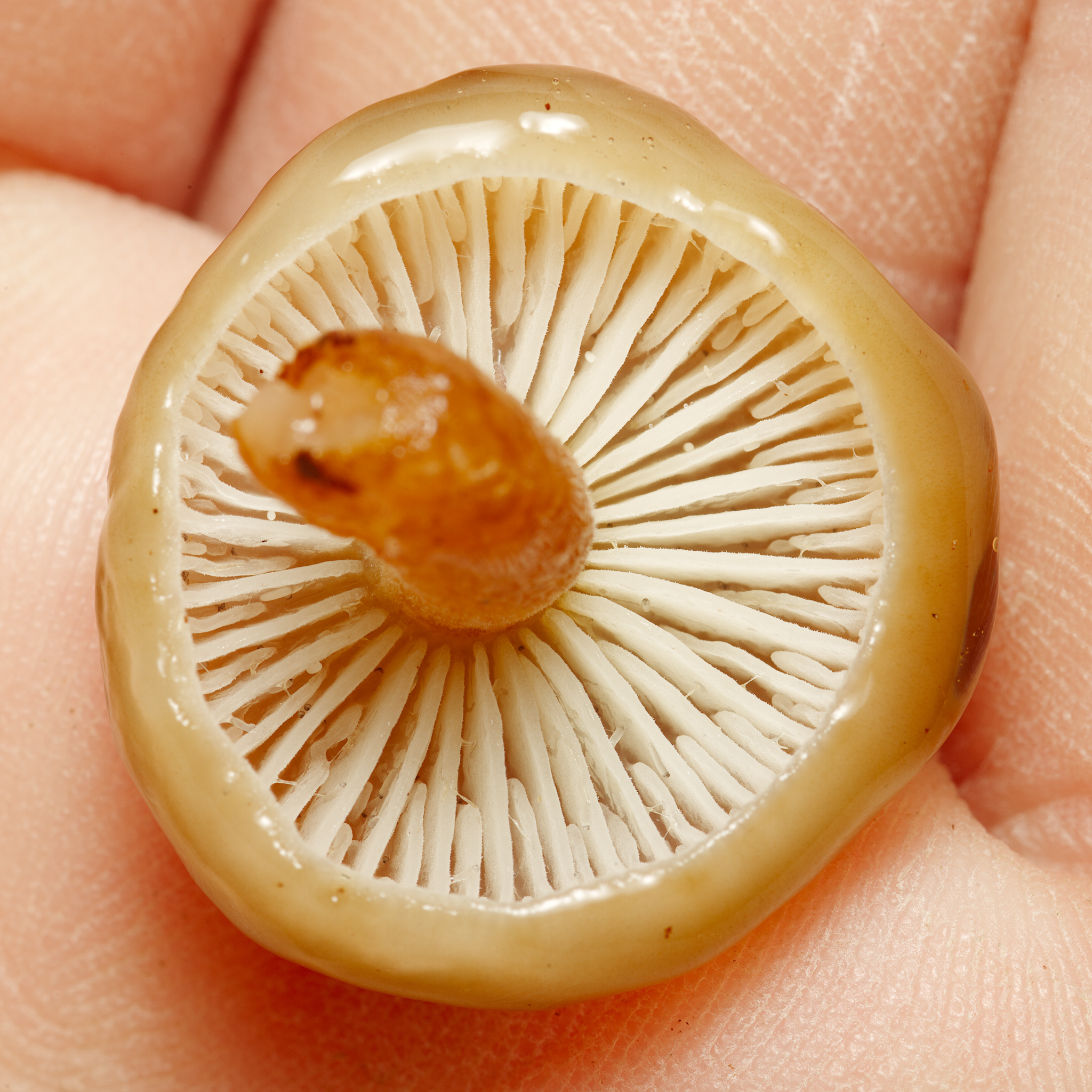
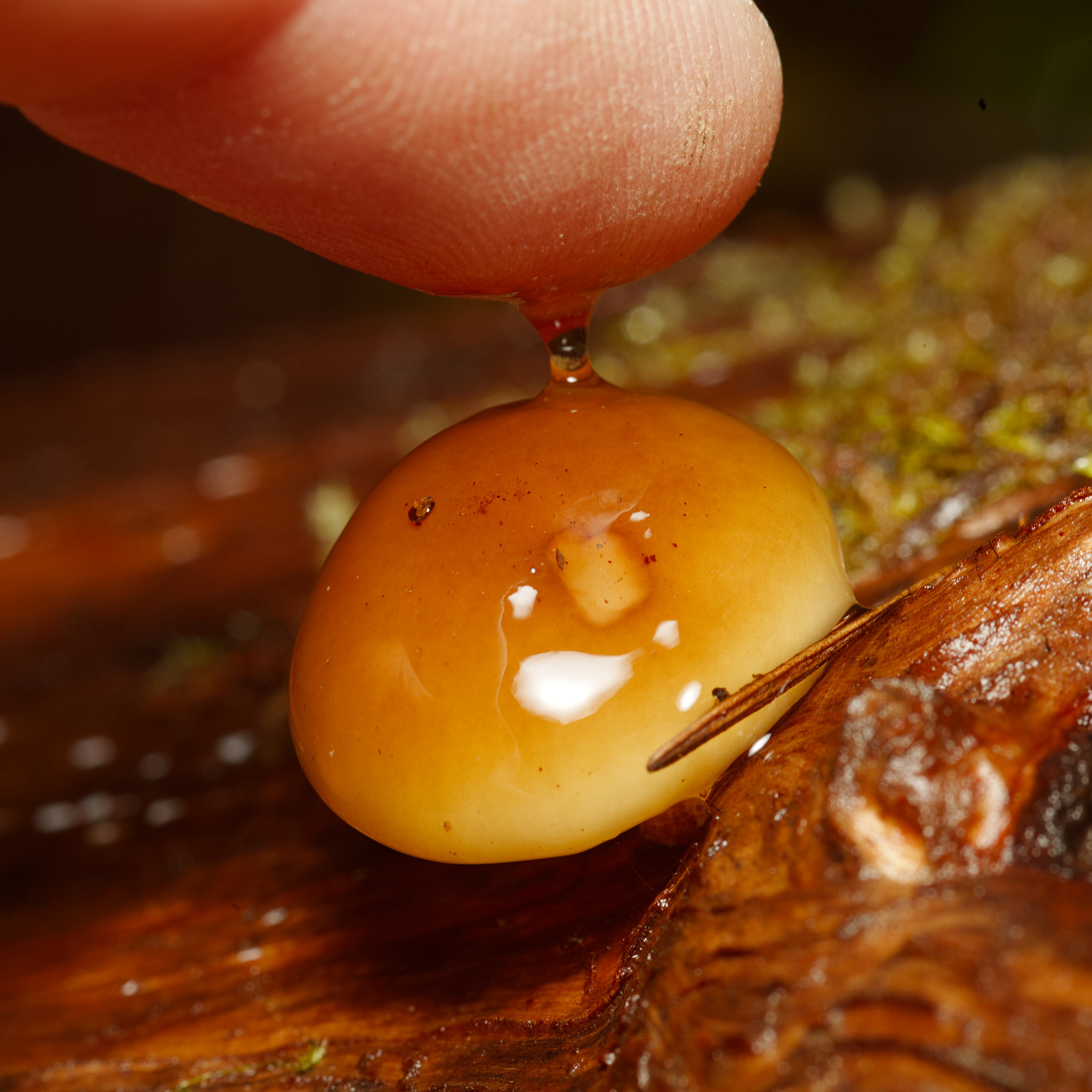
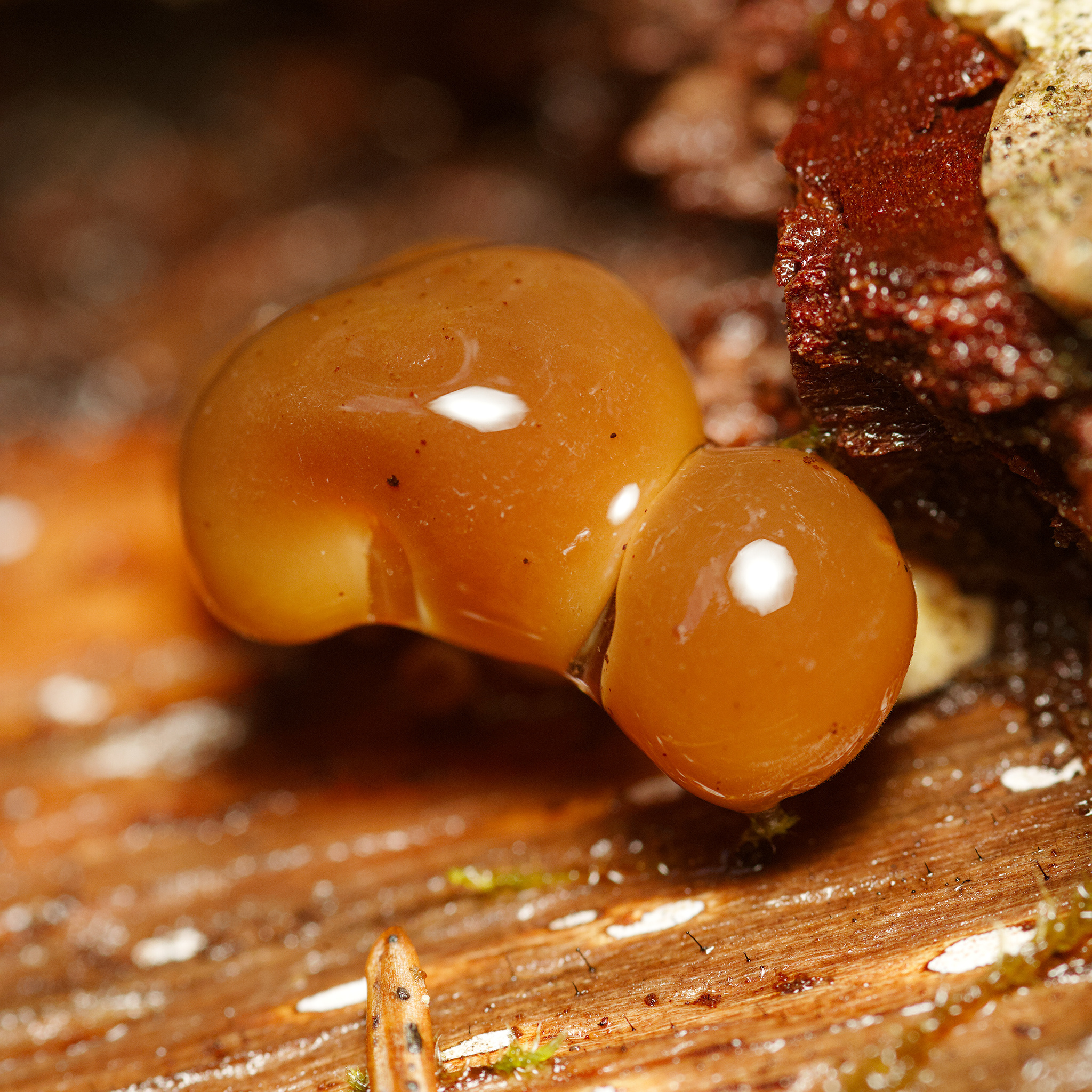
After turning around at the mine, we came across a large log propped up by the side of the creek. It had a few different mushrooms on it, most notably this small collection (351054231), of what I believe is probably Flammulina. Ruling out Hypholoma capnoides and such out, for the time being. As to a species ID, no idea. My understanding is that even F. filiformis is a possibility.
Update: Sequencing has returned a result of Flammulina filiformis.
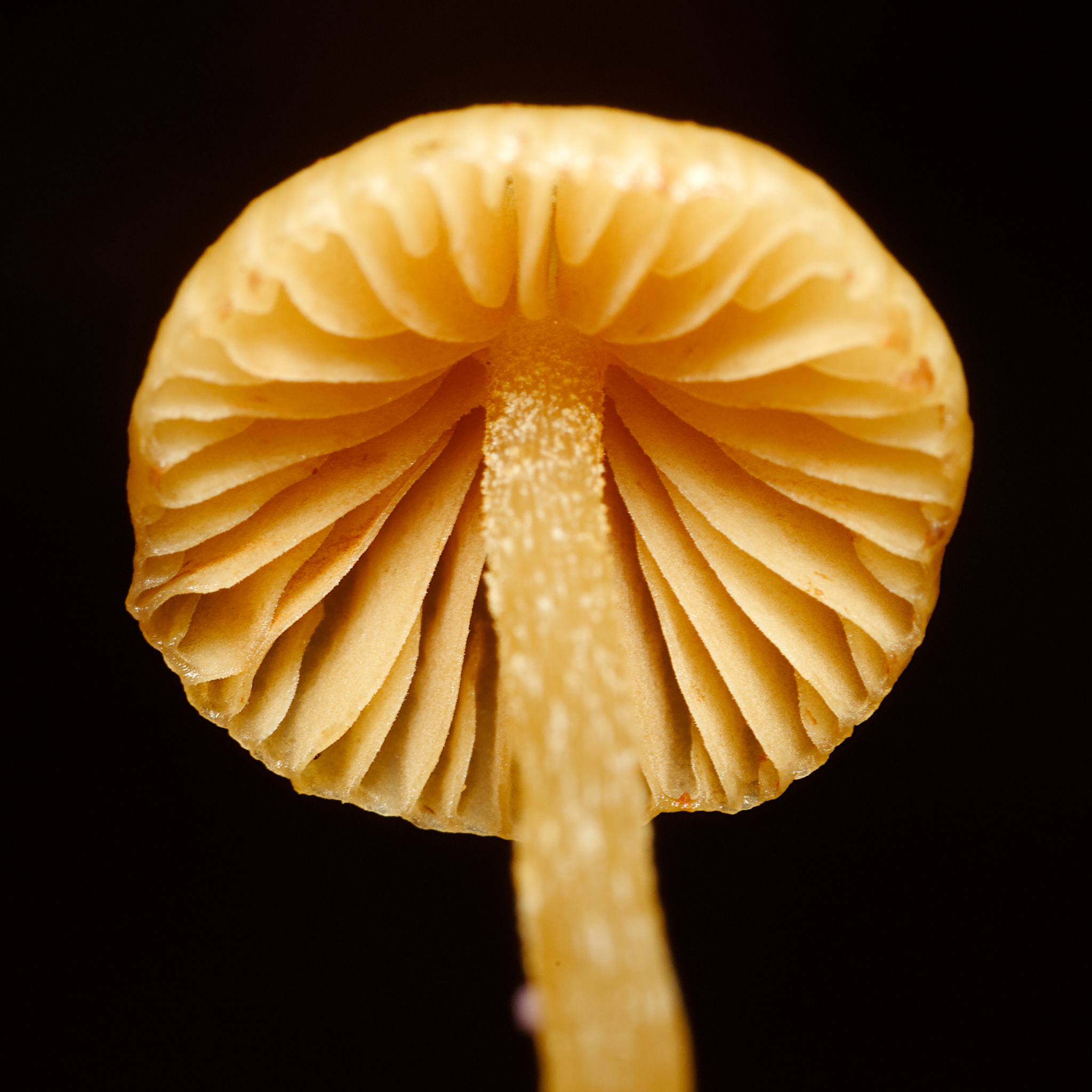
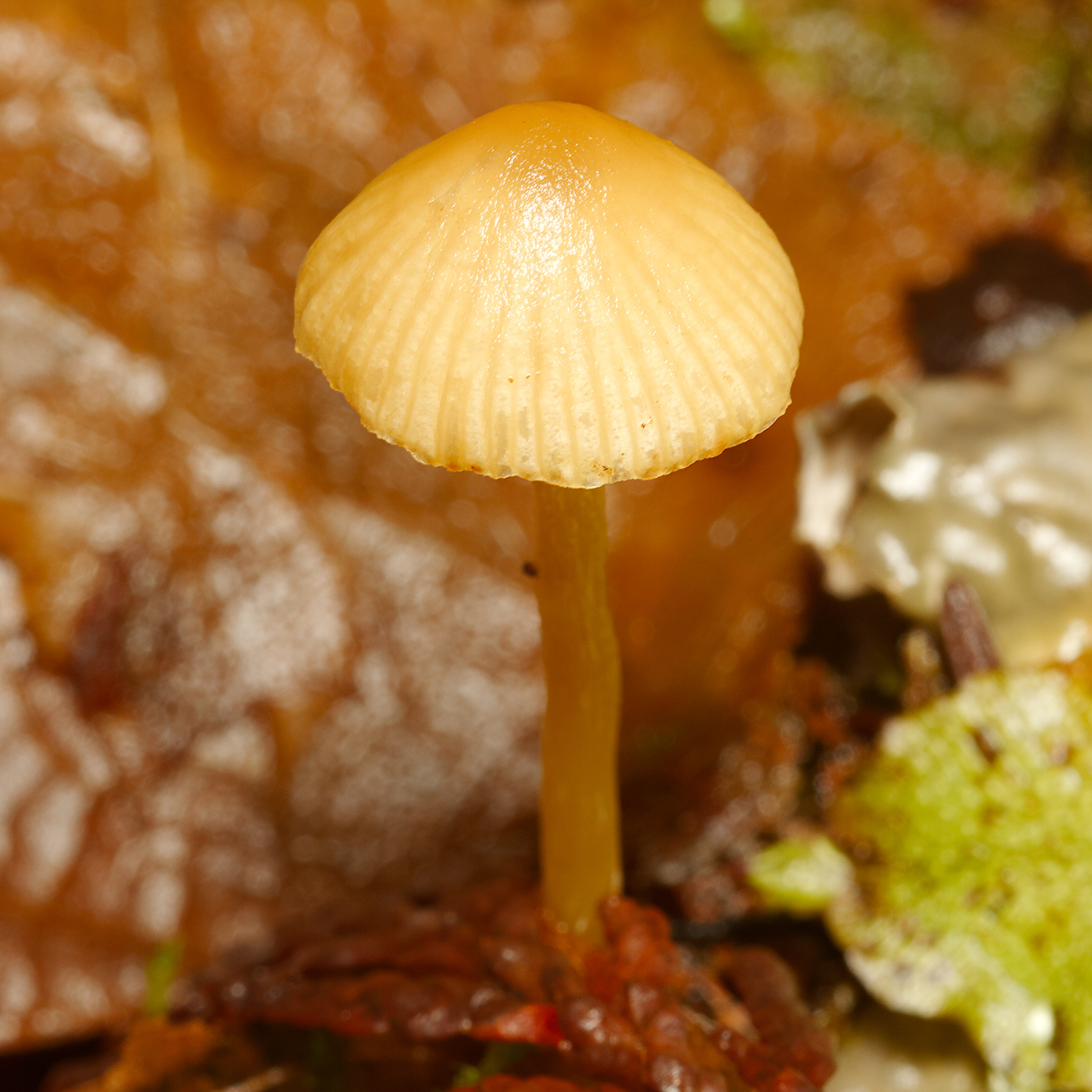
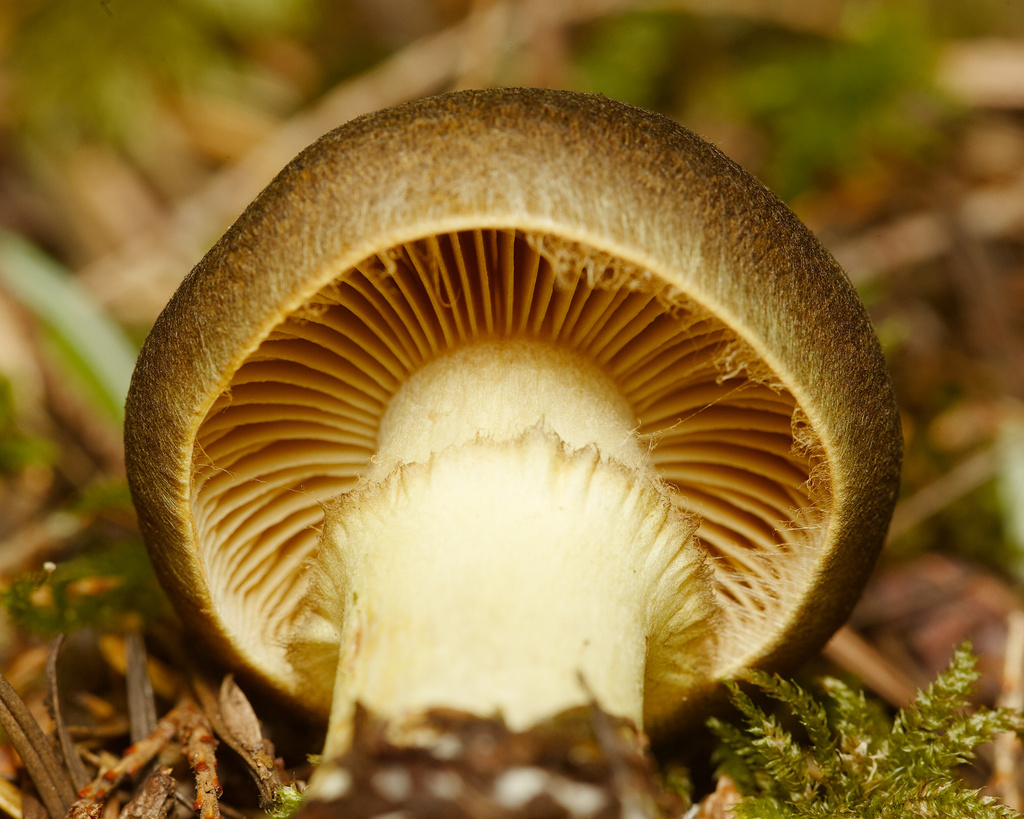
Featured above is a small, relatively nondescript Galerina. (351054232) I think probably G. semilanceata again. There are so many little “moss bells” though, that I think it is plenty fair to chock this one up to general data collection again, if the sequence is the same as our March collections.
Update: Sequencing has returned a result of Galerina semilanceata.
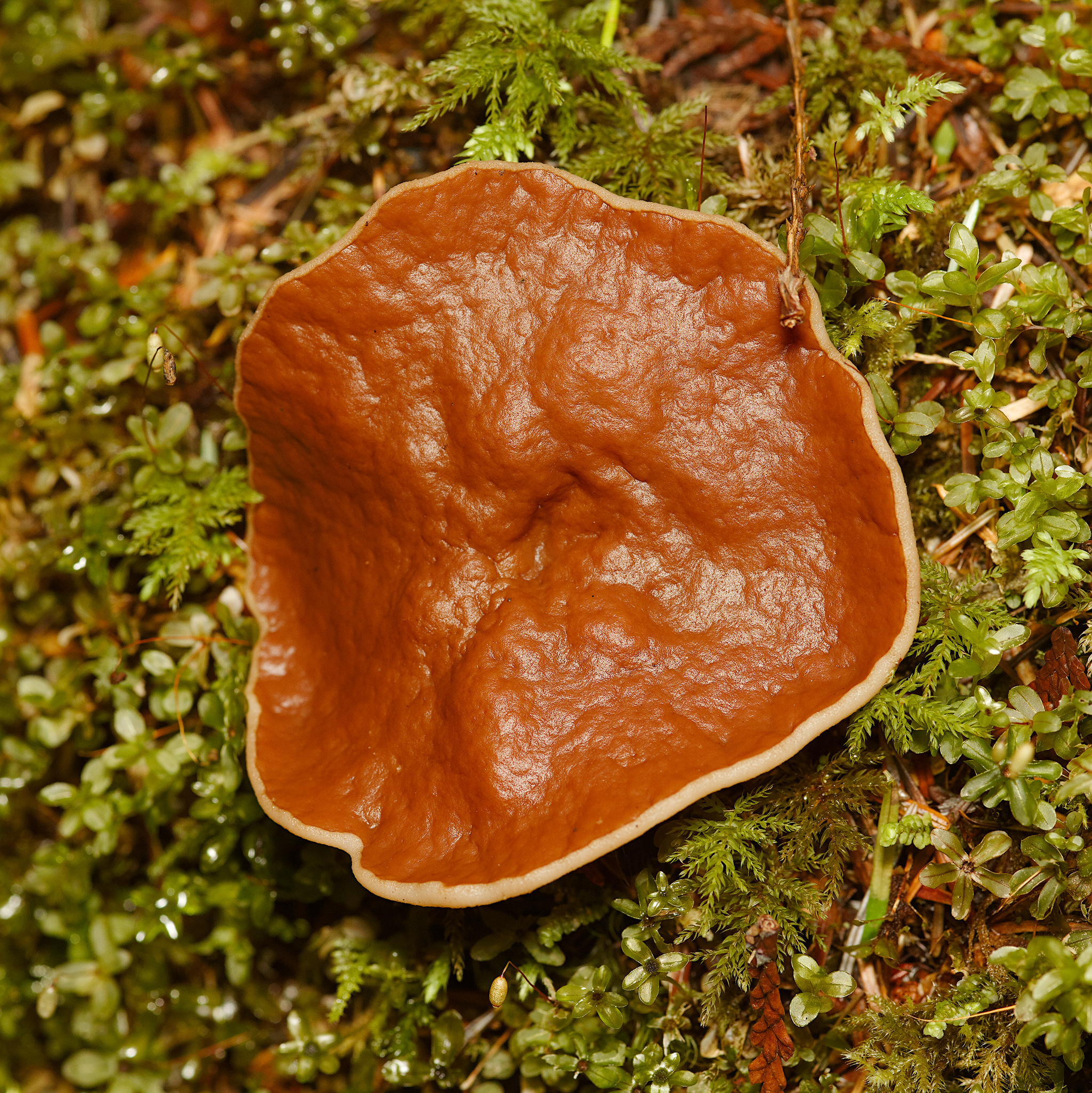
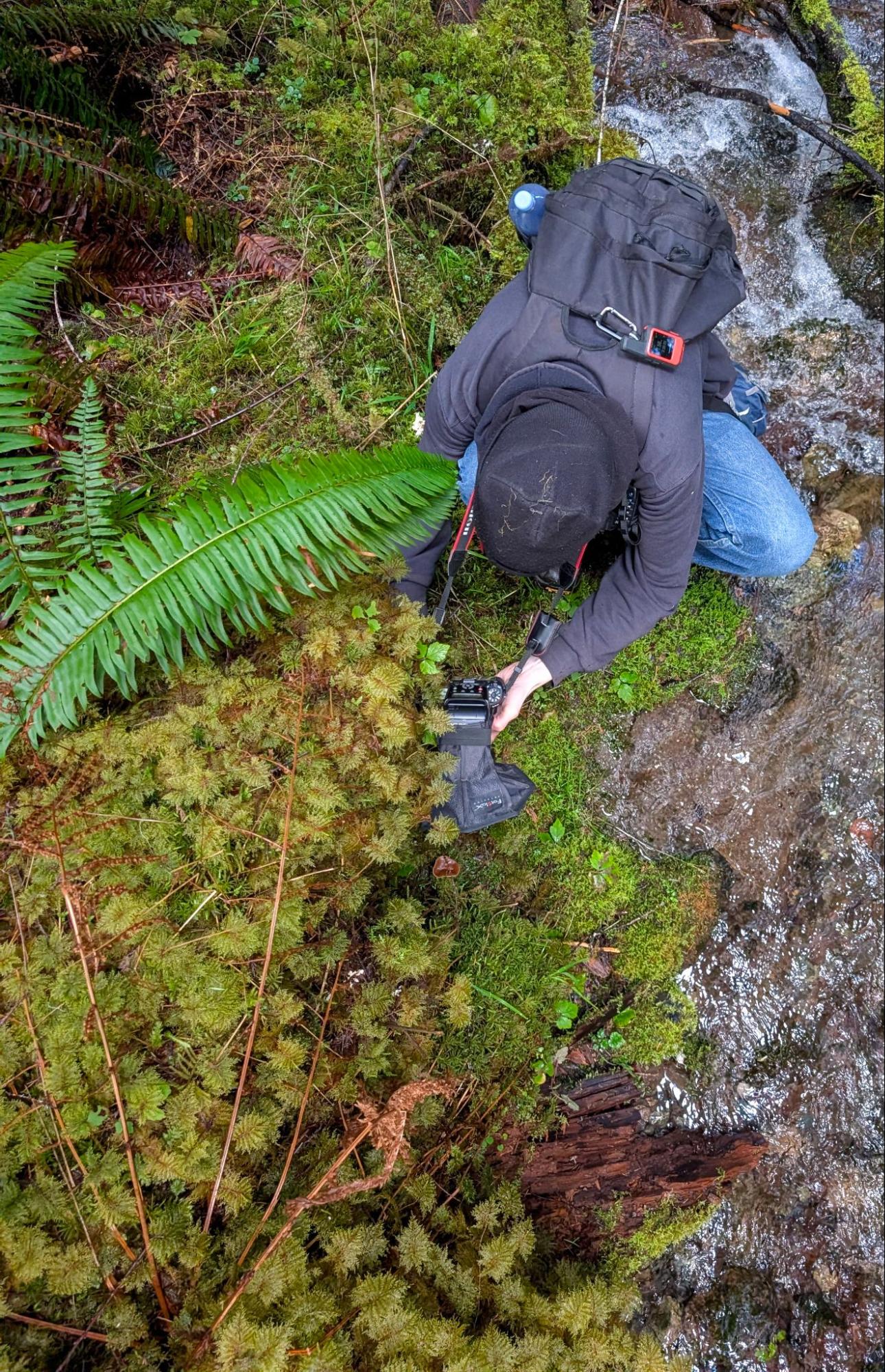
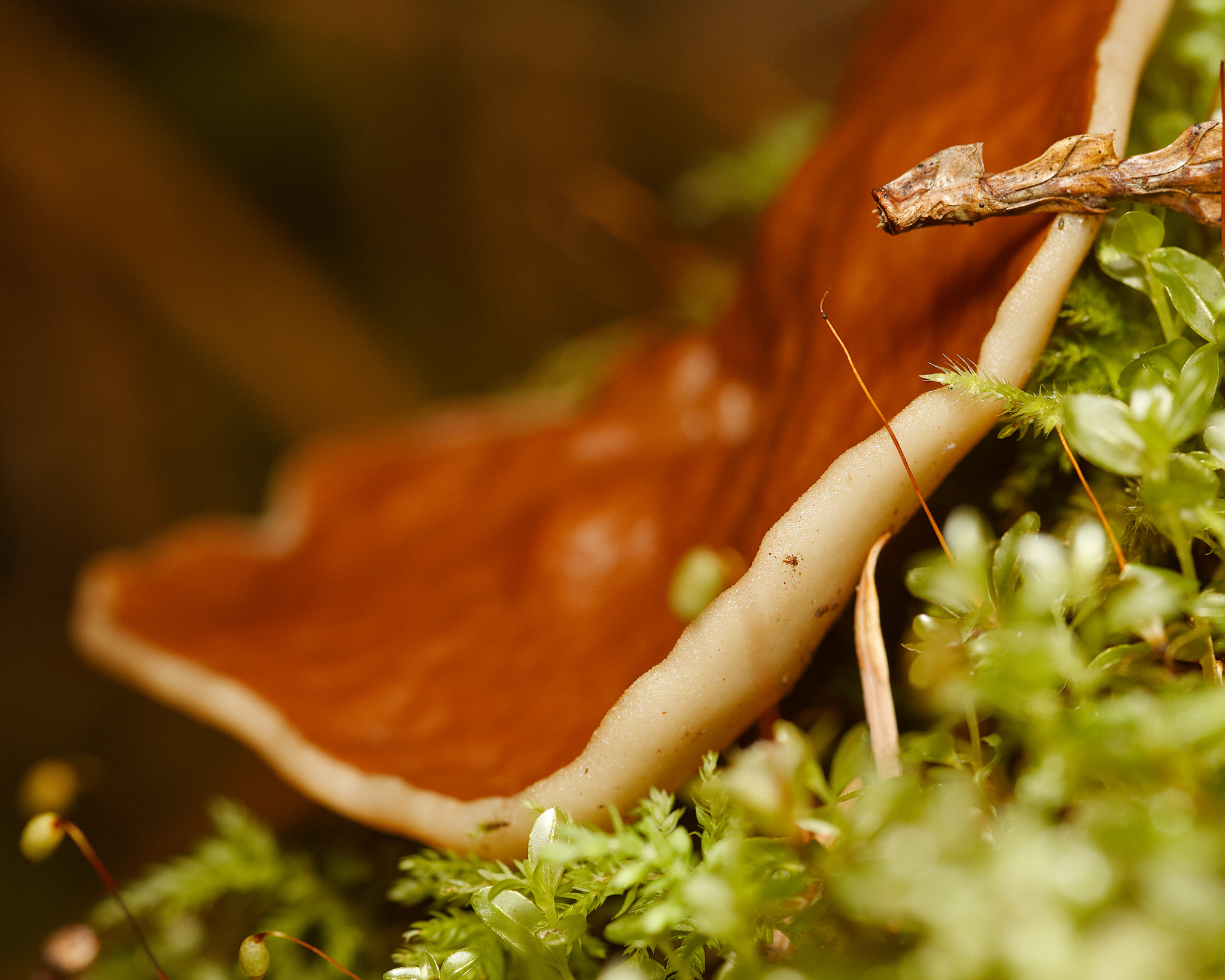
I’m glad to have stumbled upon this spring mushroom, (351054240) as we have encountered it a couple times since March without making a collection.
If I had to guess I would say this could be Discina mcknightii, but due to my lack of personal experience with the flatter members of this genera I’m going with Discinaceae for now. There are multiple flat Gyromitra sp. 'splendida-PNW01' / Discina in the area.
I do have an affinity for Gyromitra sp. 'splendida-PNW01', and while this species doesn’t have as much dispute or involvement with the recent family/genus split, I would mention, that is a thing. Many of these species are undergoing naming things currently.
I’m not going to make an argument for or against the aforementioned split, in this study. I would however, love to use this study to contribute data on any taxon within the family. There is much to be gathered and I personally would like to collect at least a couple species included and not included in that split, within the park. I will leave the more experienced folks in this genus/family to argue names, and may eventually use new names as they continue to be accepted. Hoping to collect all the members we have in this area and in my more southern study also.
Update: Sequencing has returned a result of Discina mcknightii.
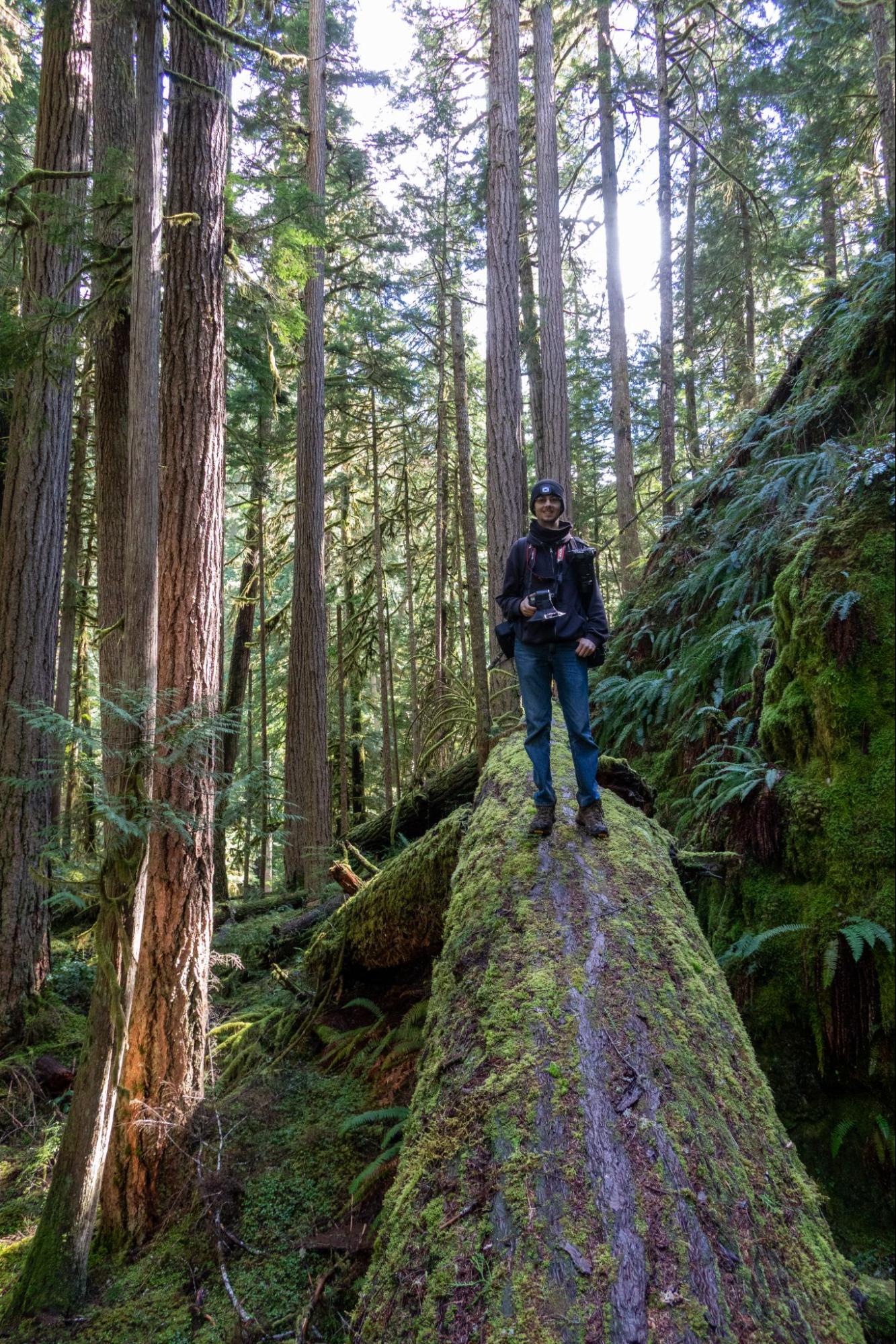
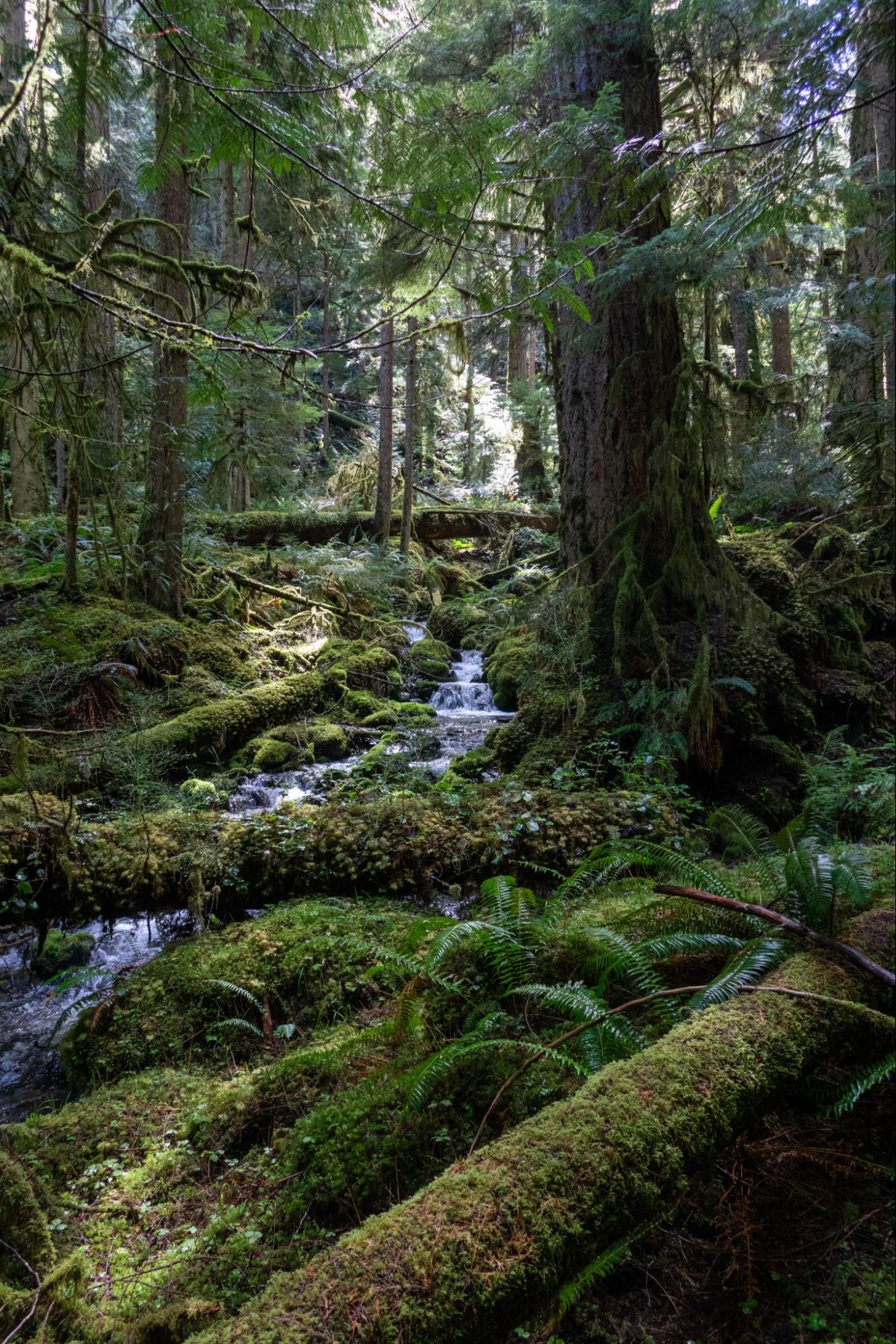
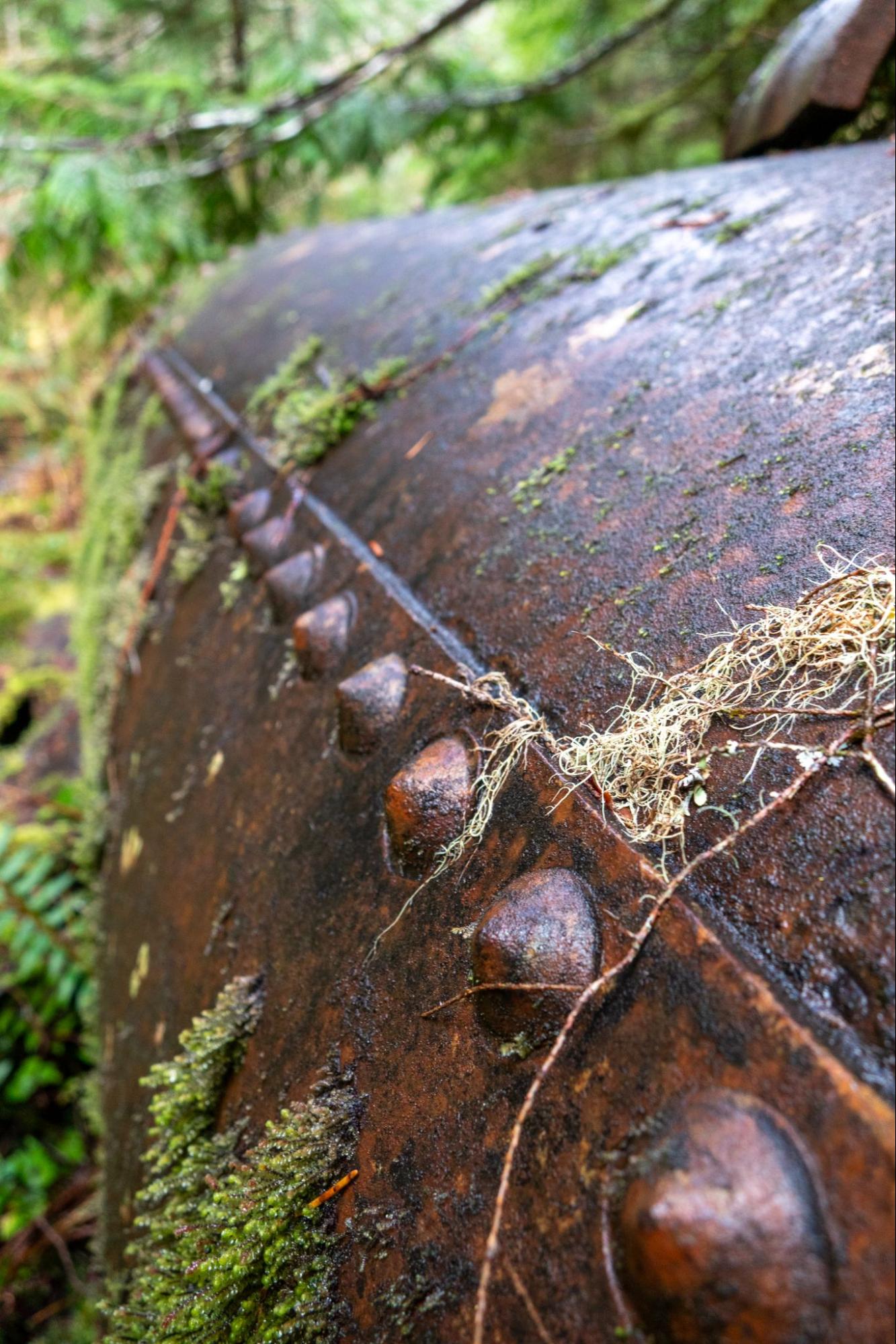
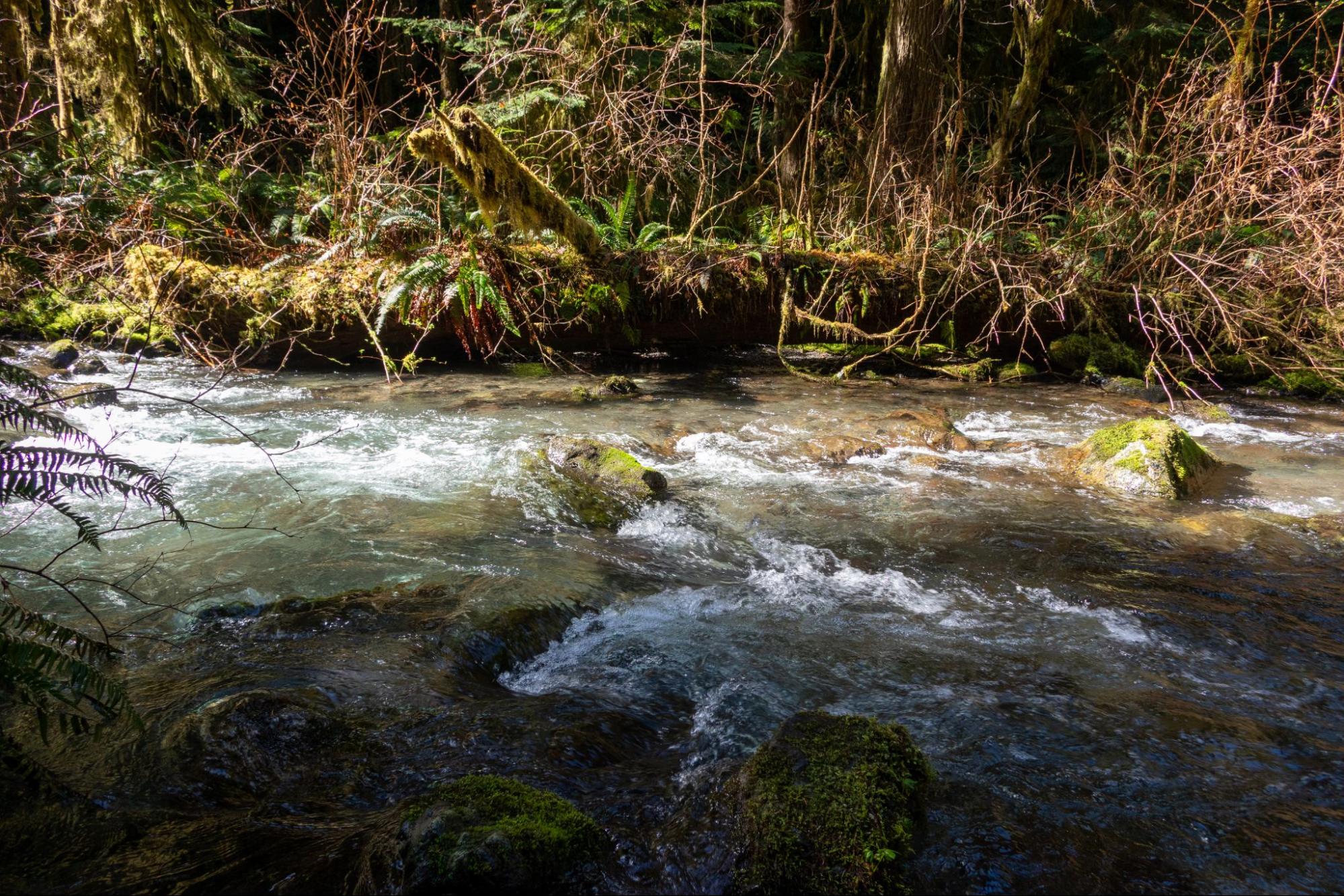
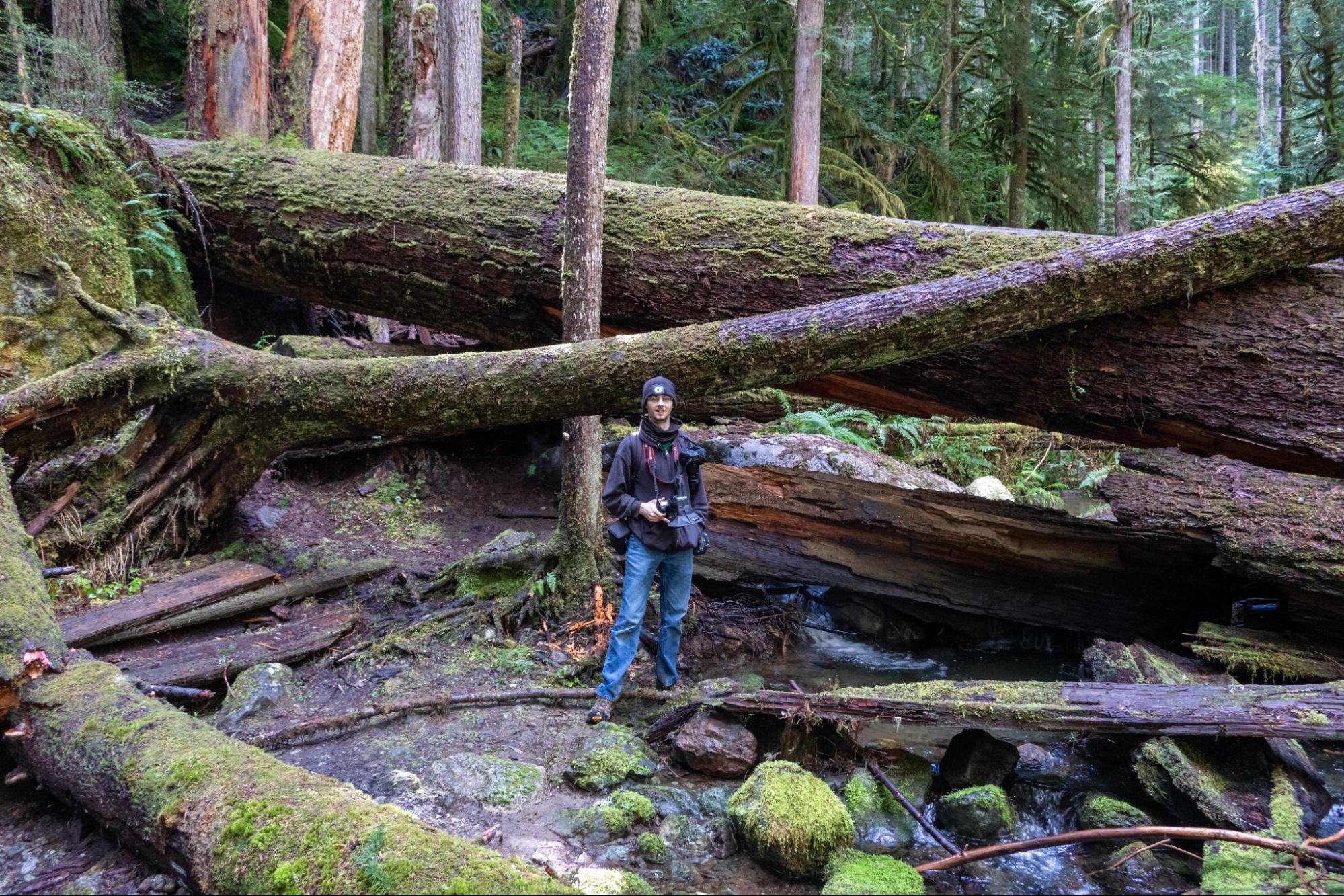
This hike was again, pretty great overall. It was an interesting mix of relatively unchecked natural beauty, combined with a few lasting reminders of previous human involvement in the area. Some old mining equipment is found along the trail, including a large air compressor tank, with lovely conical(?) rivets. Sturdy looking.
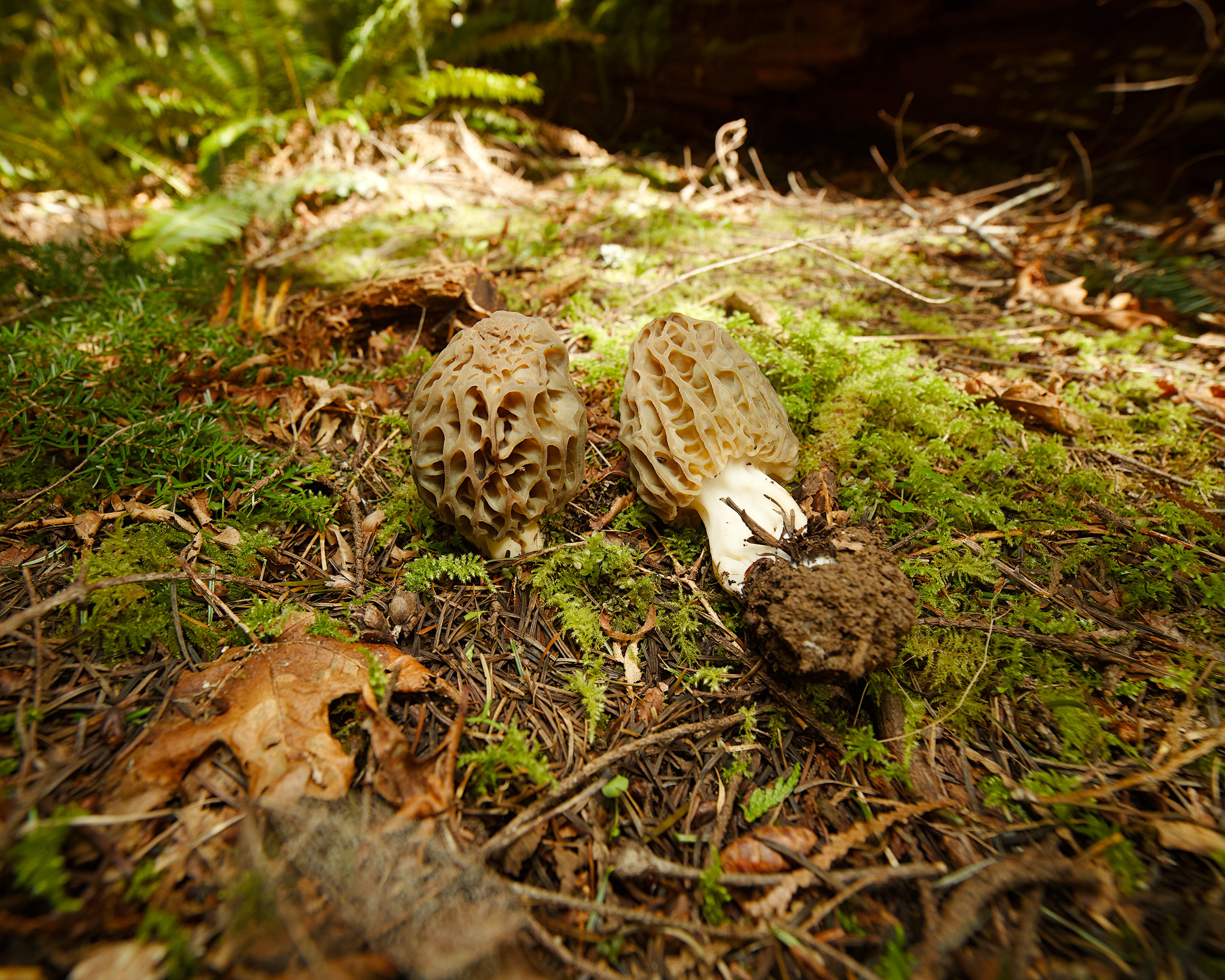
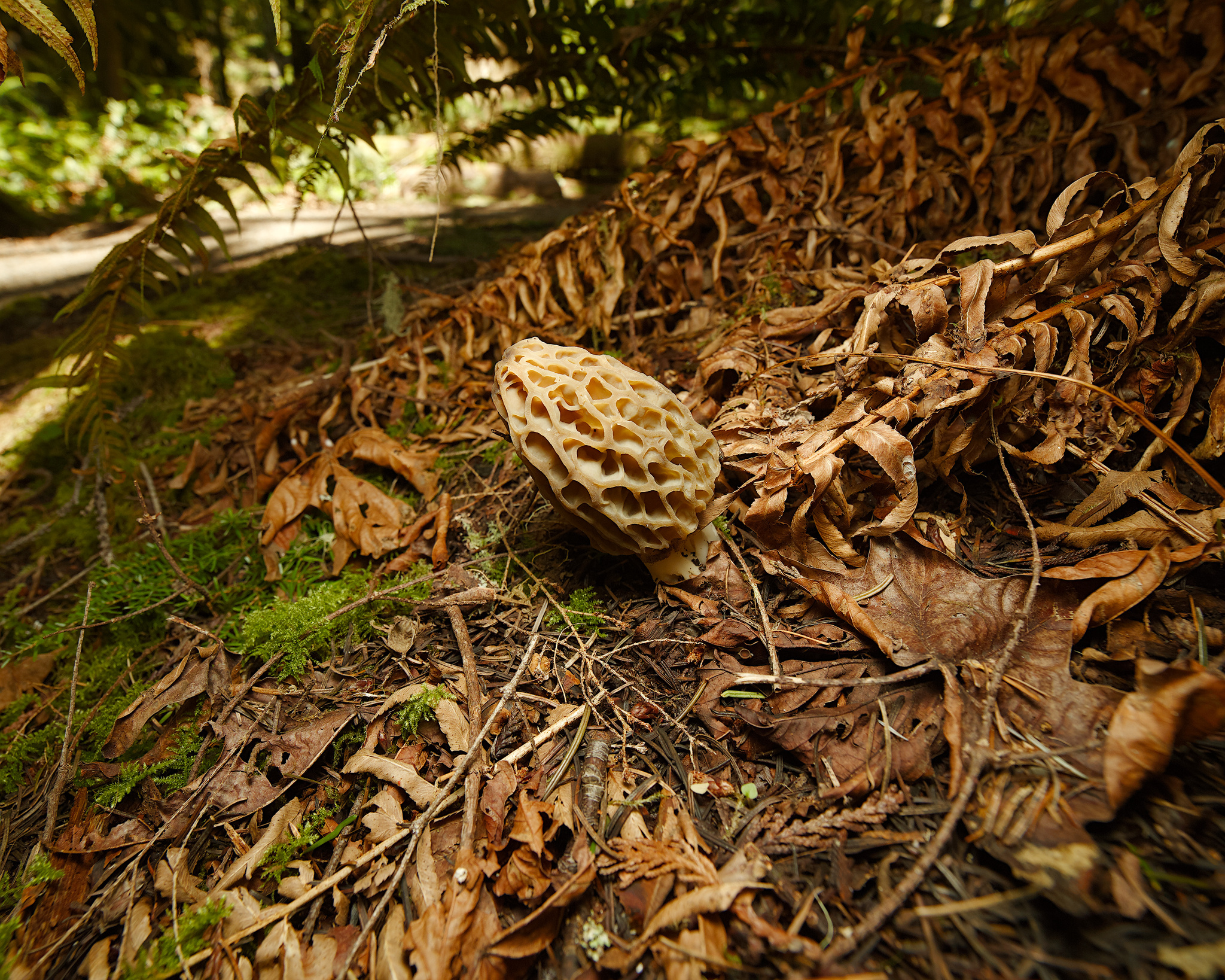
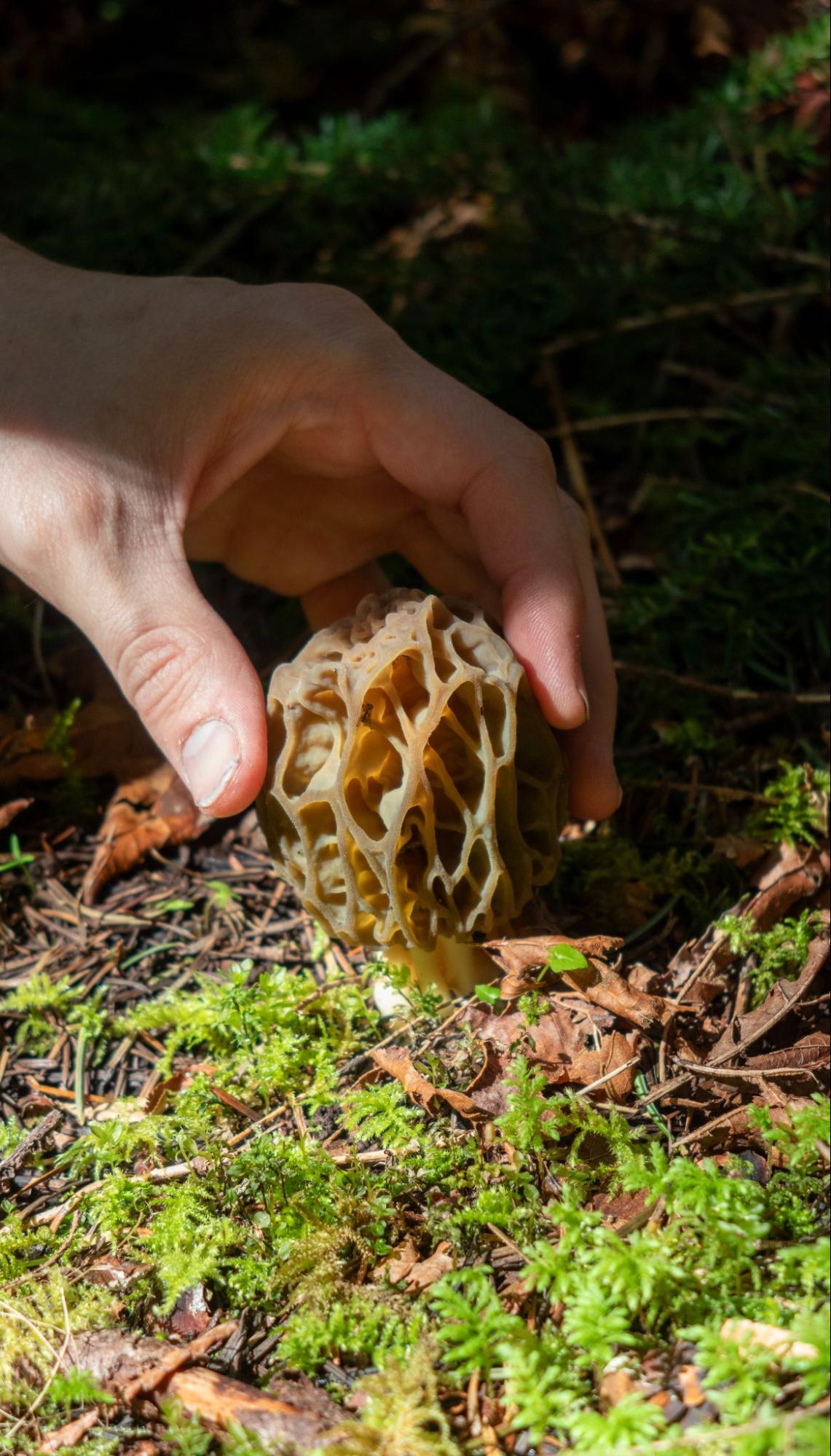
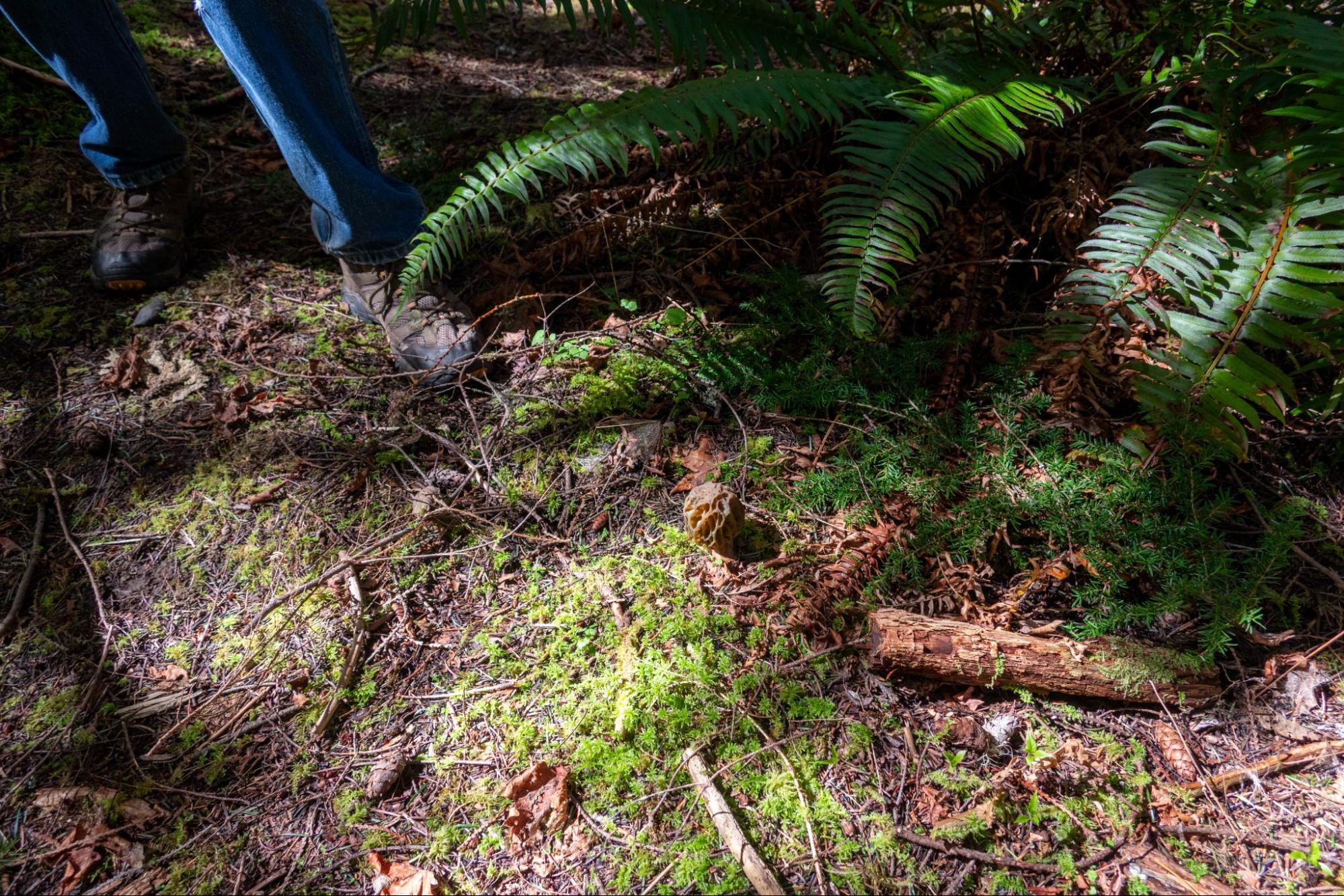
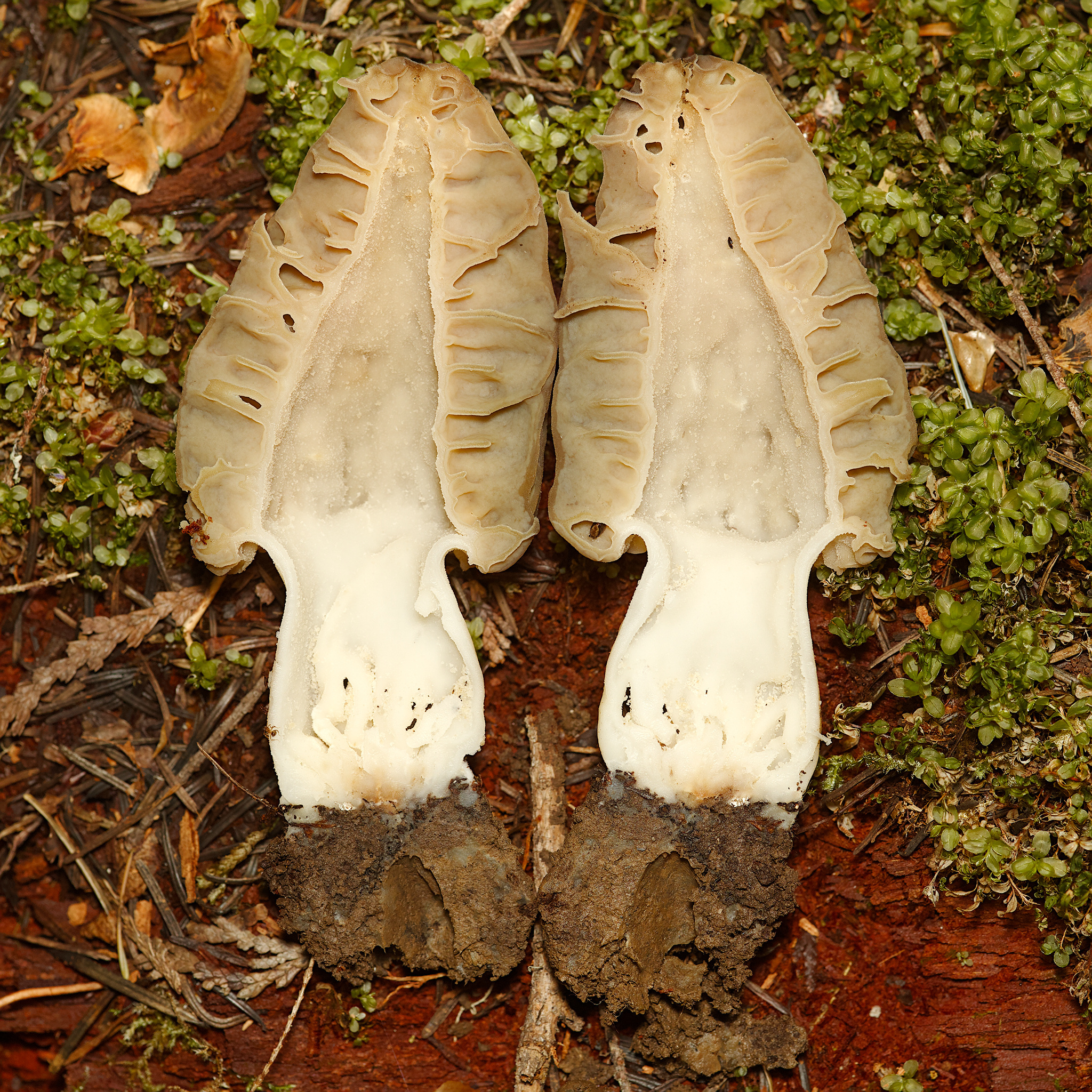
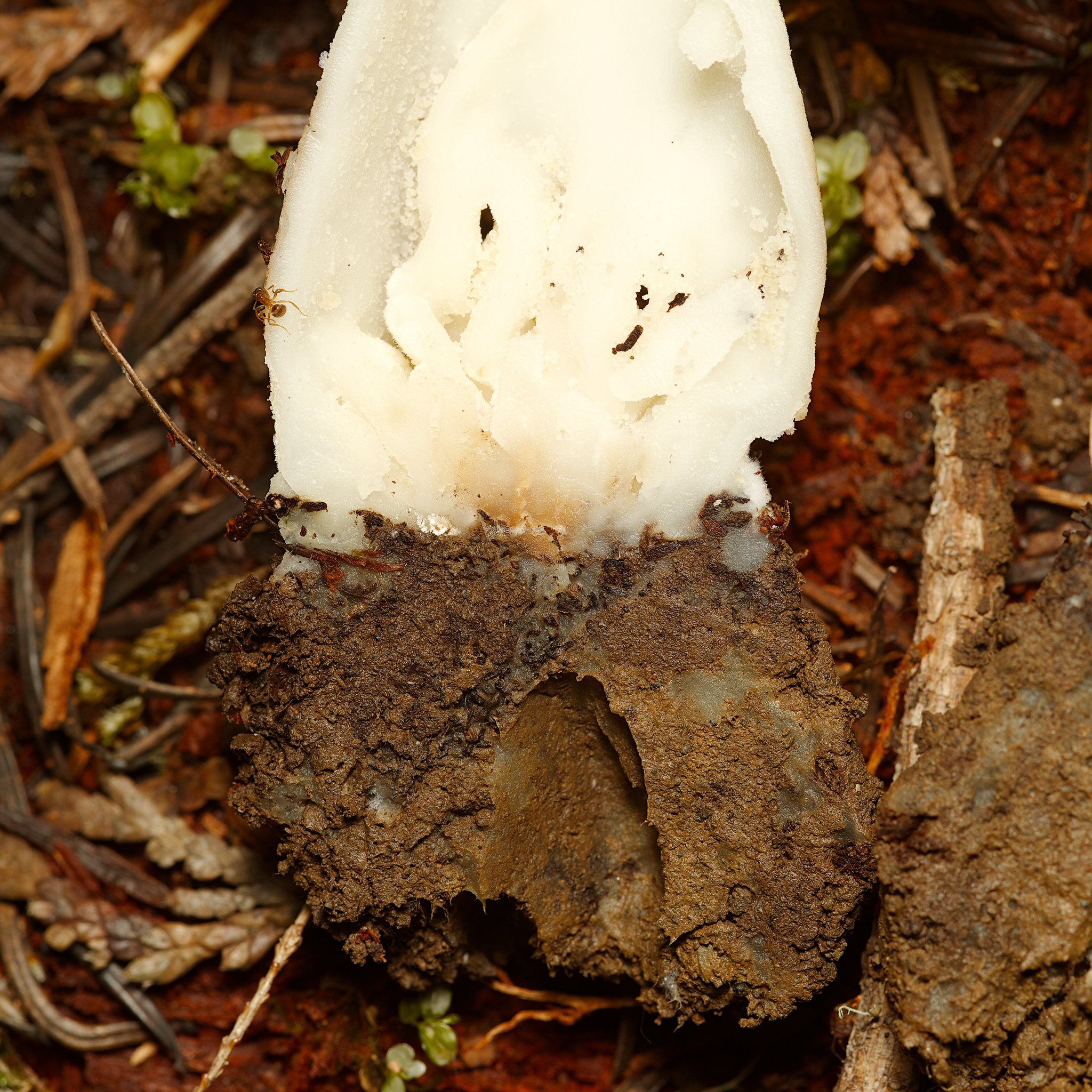
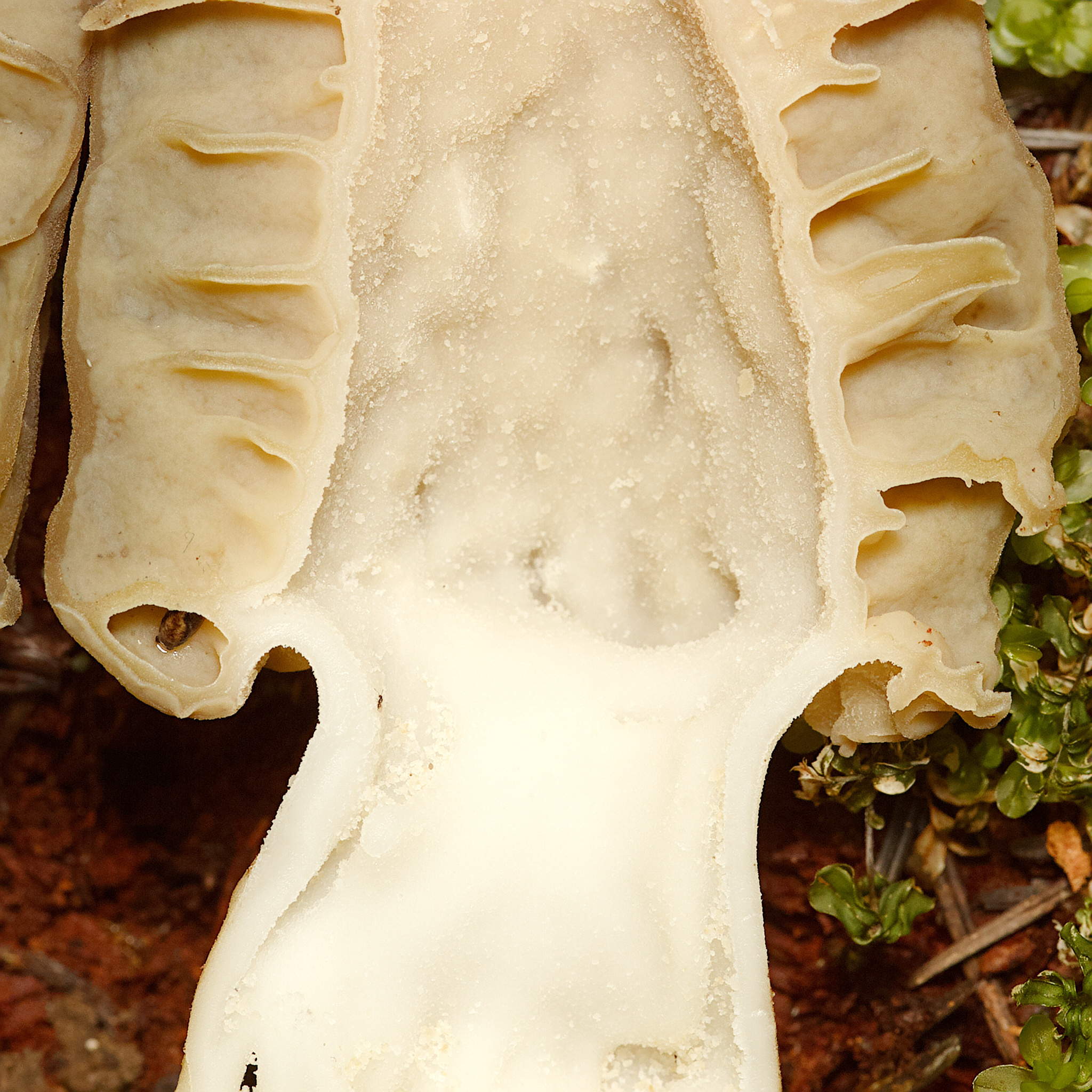
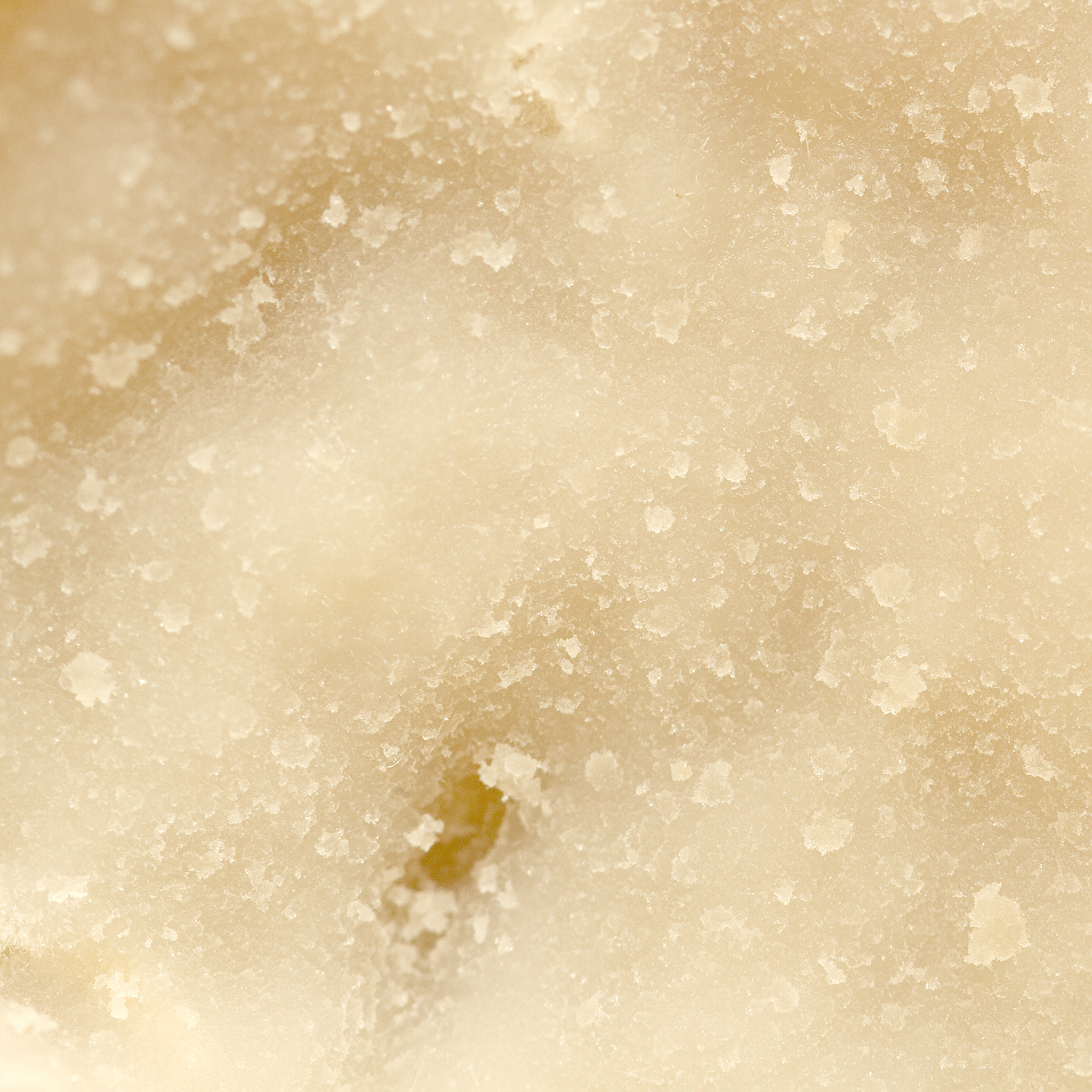
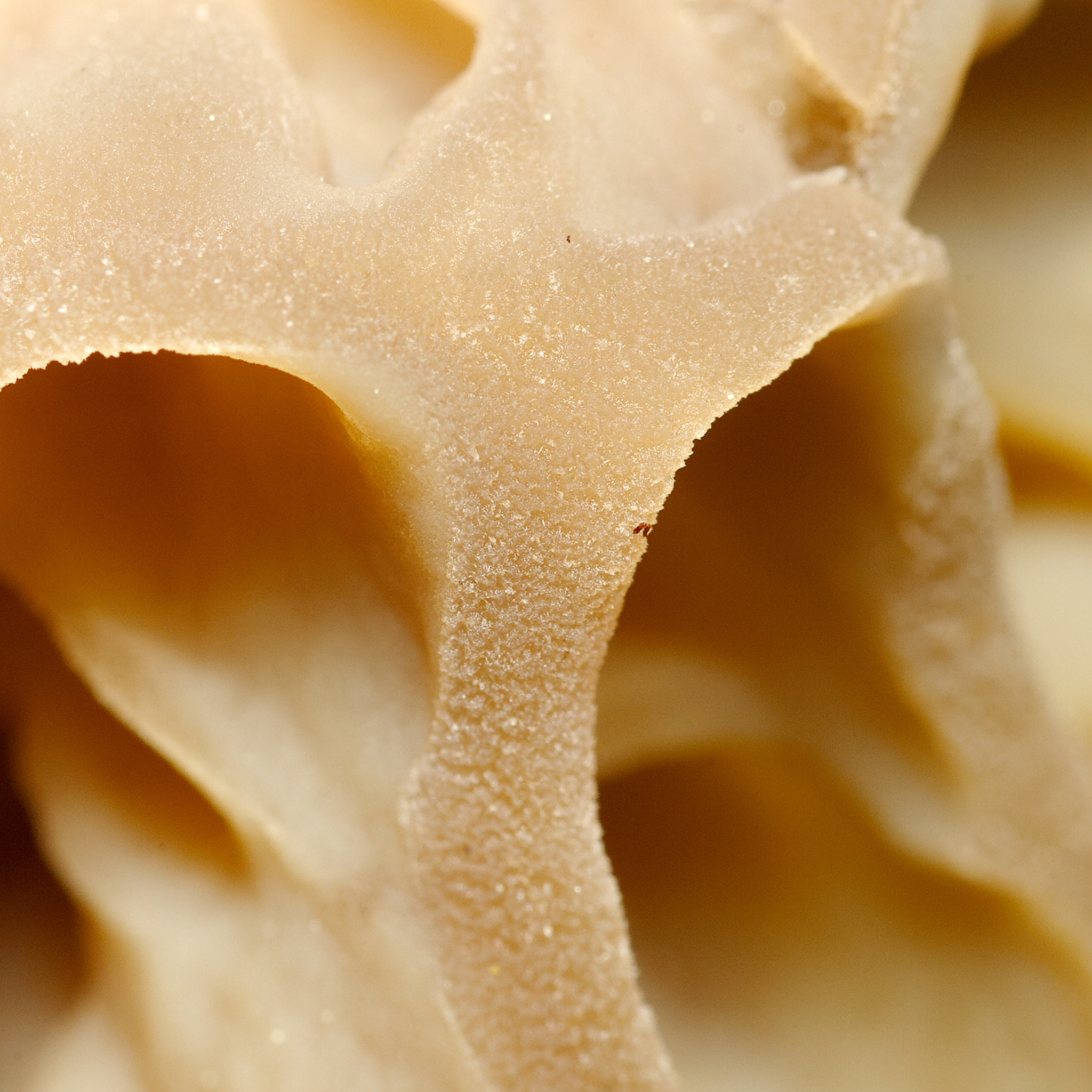
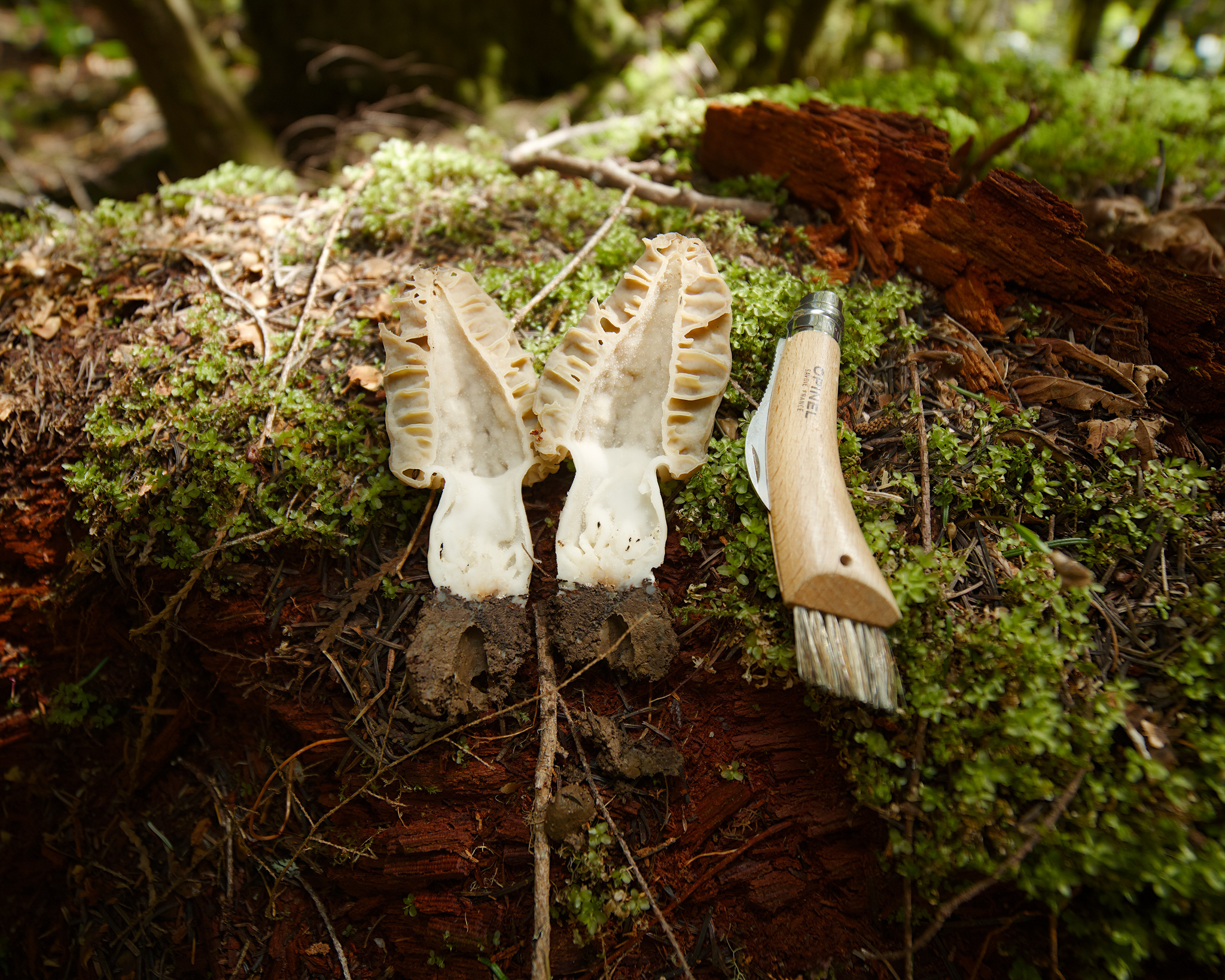
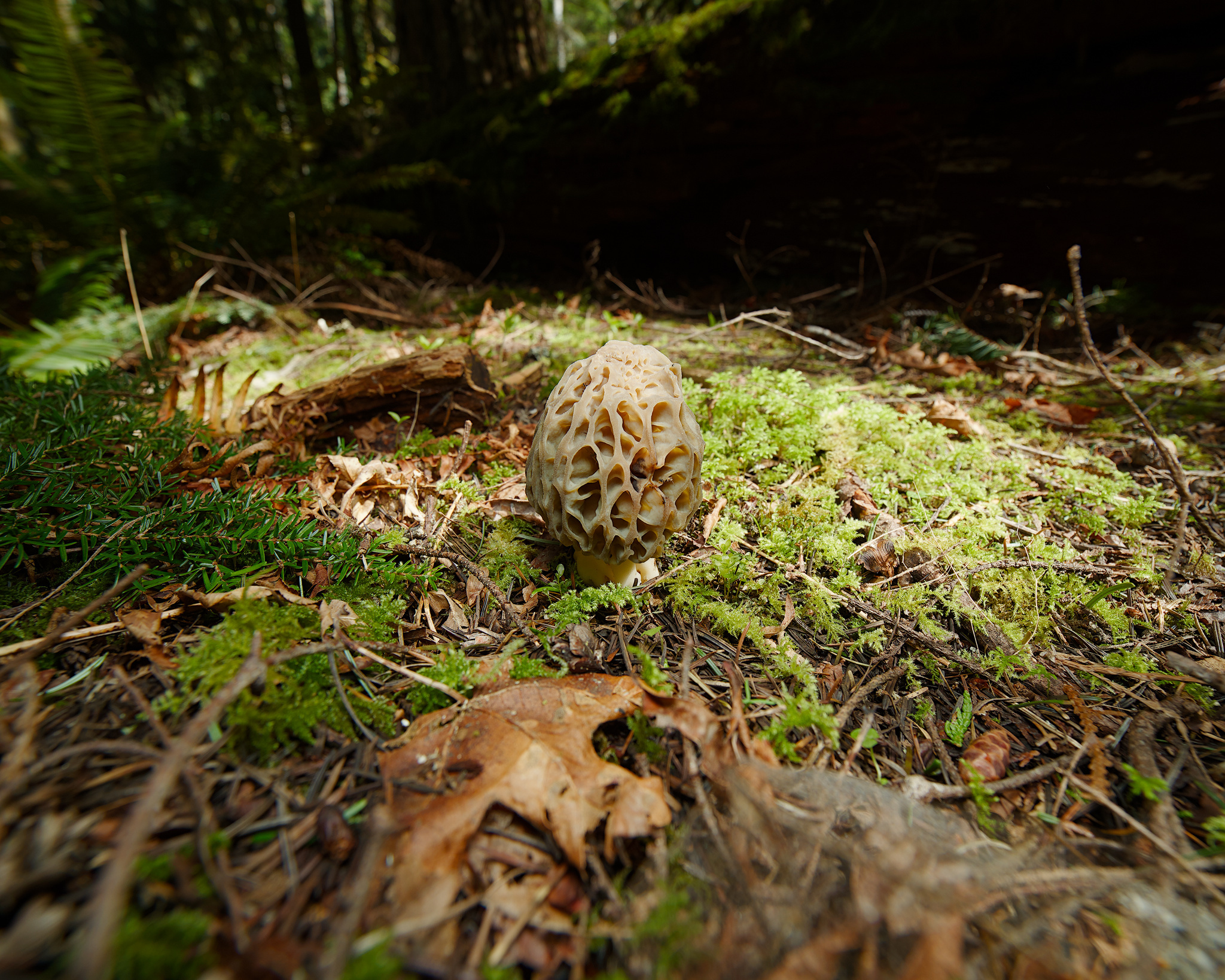
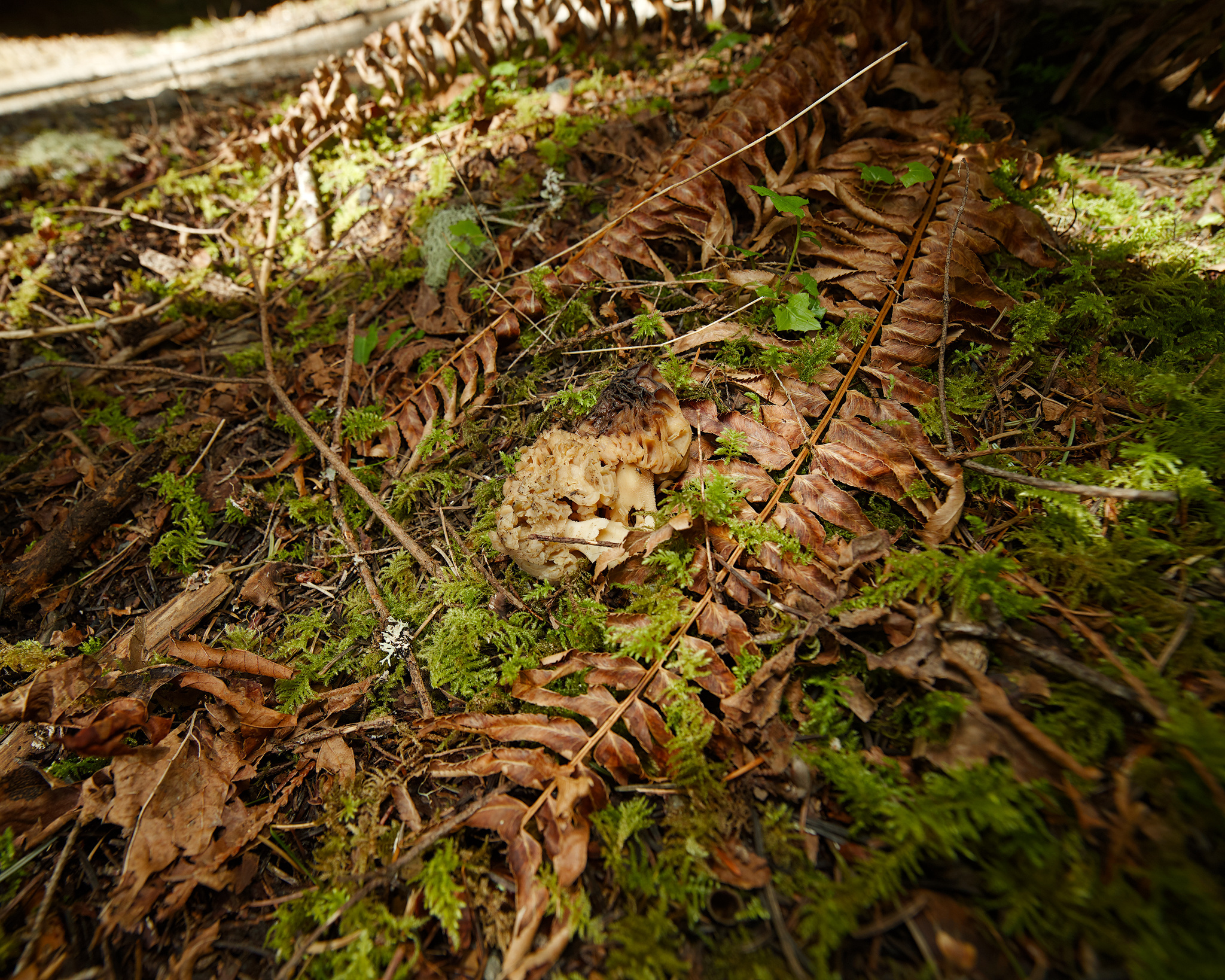
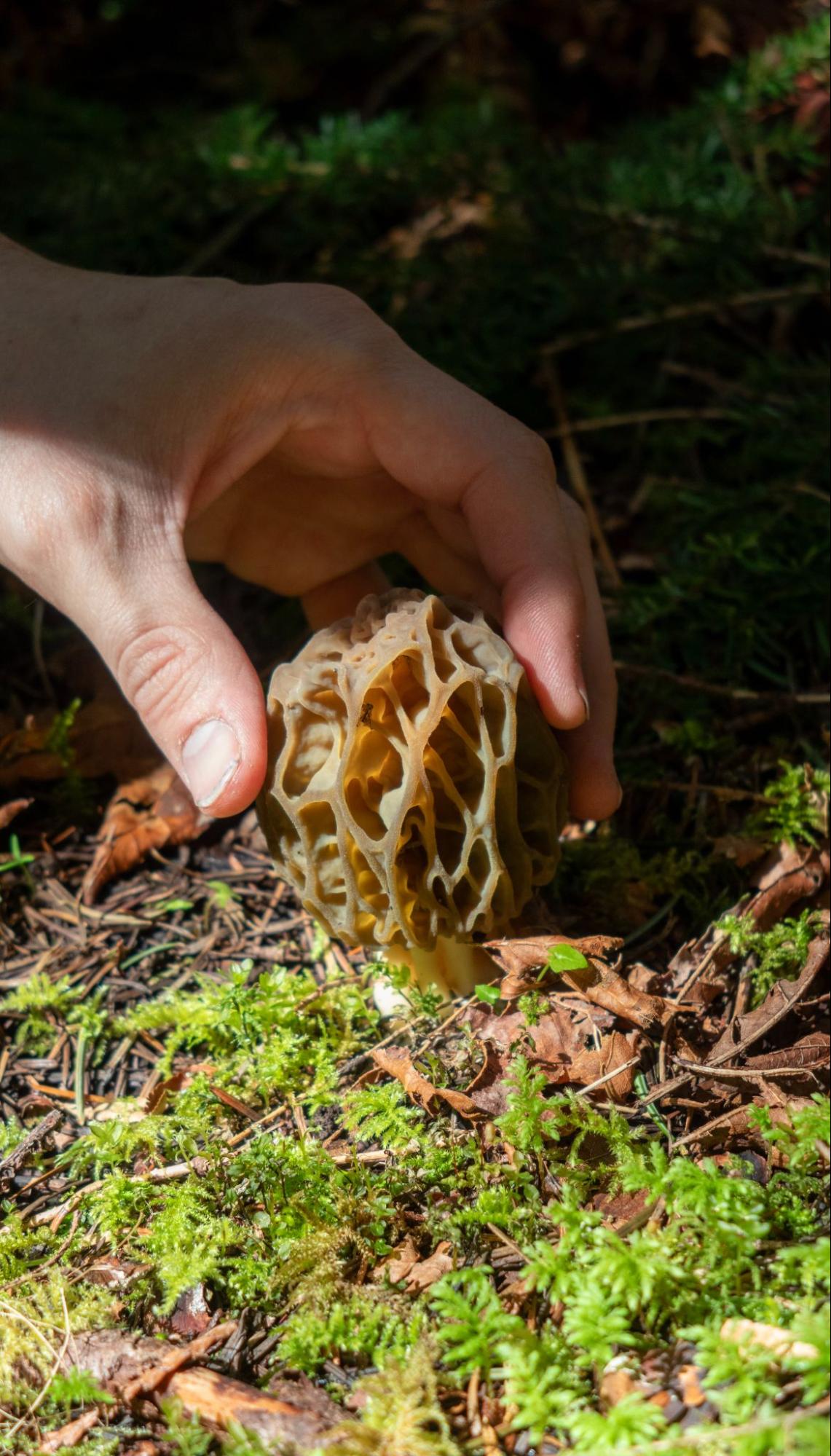
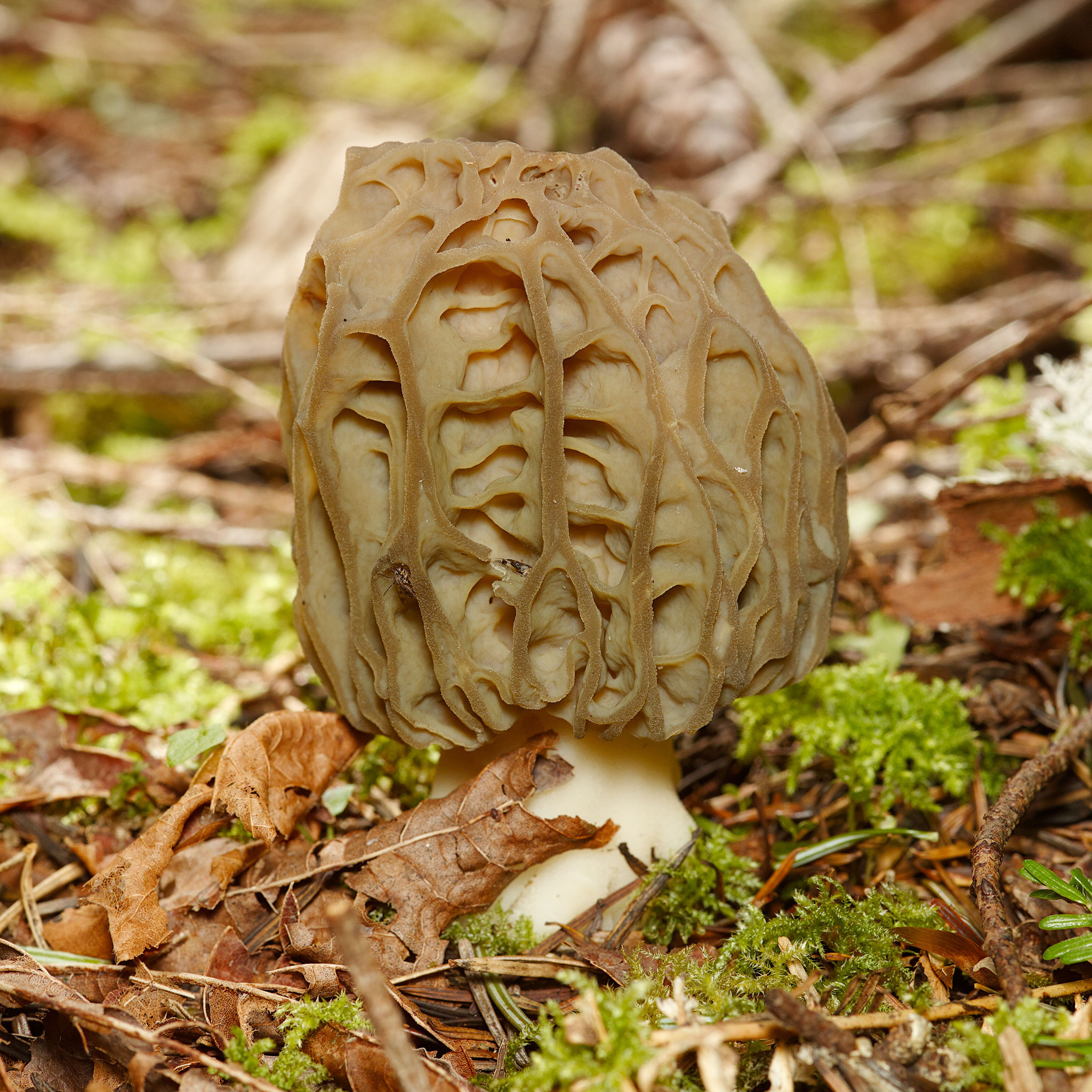
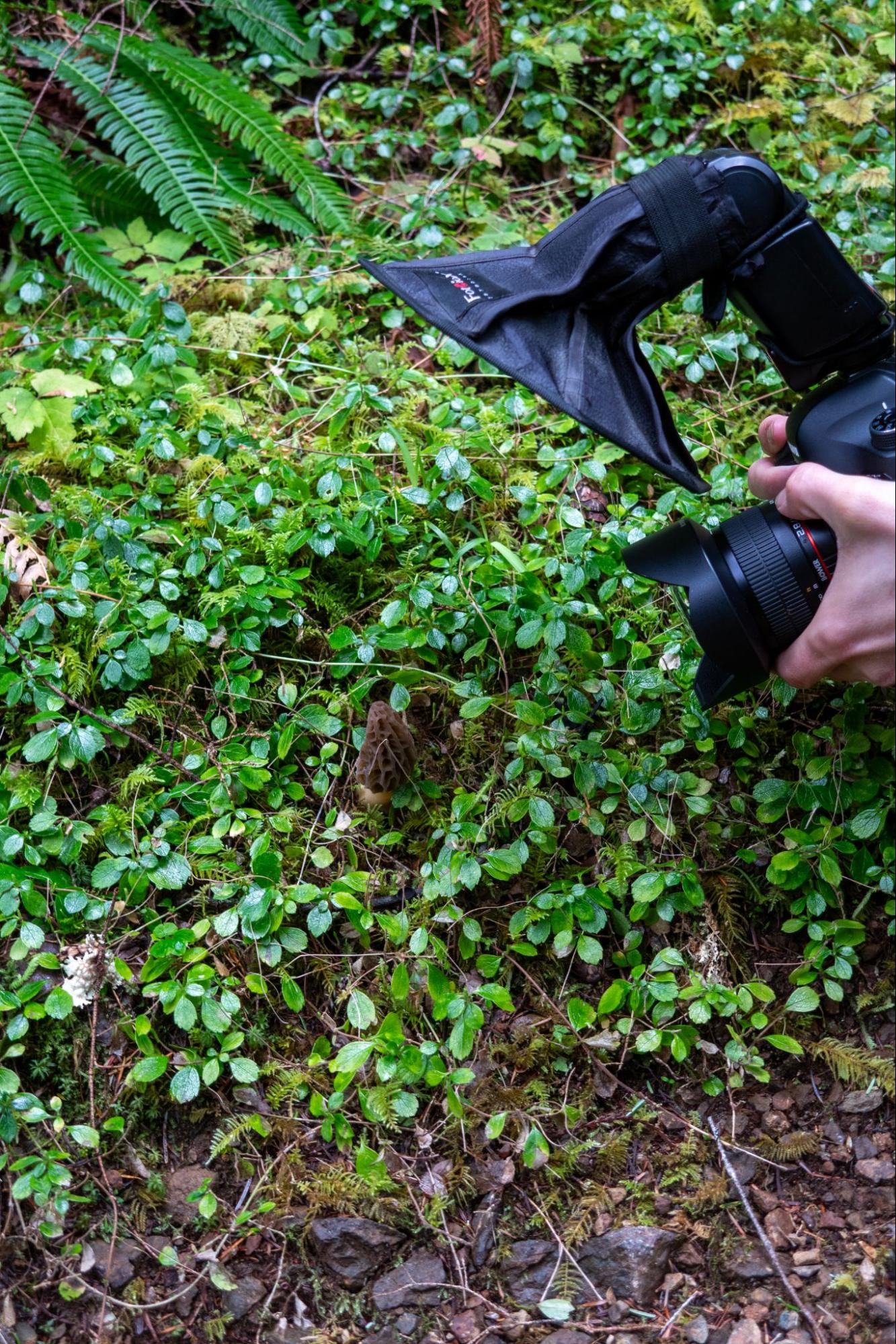
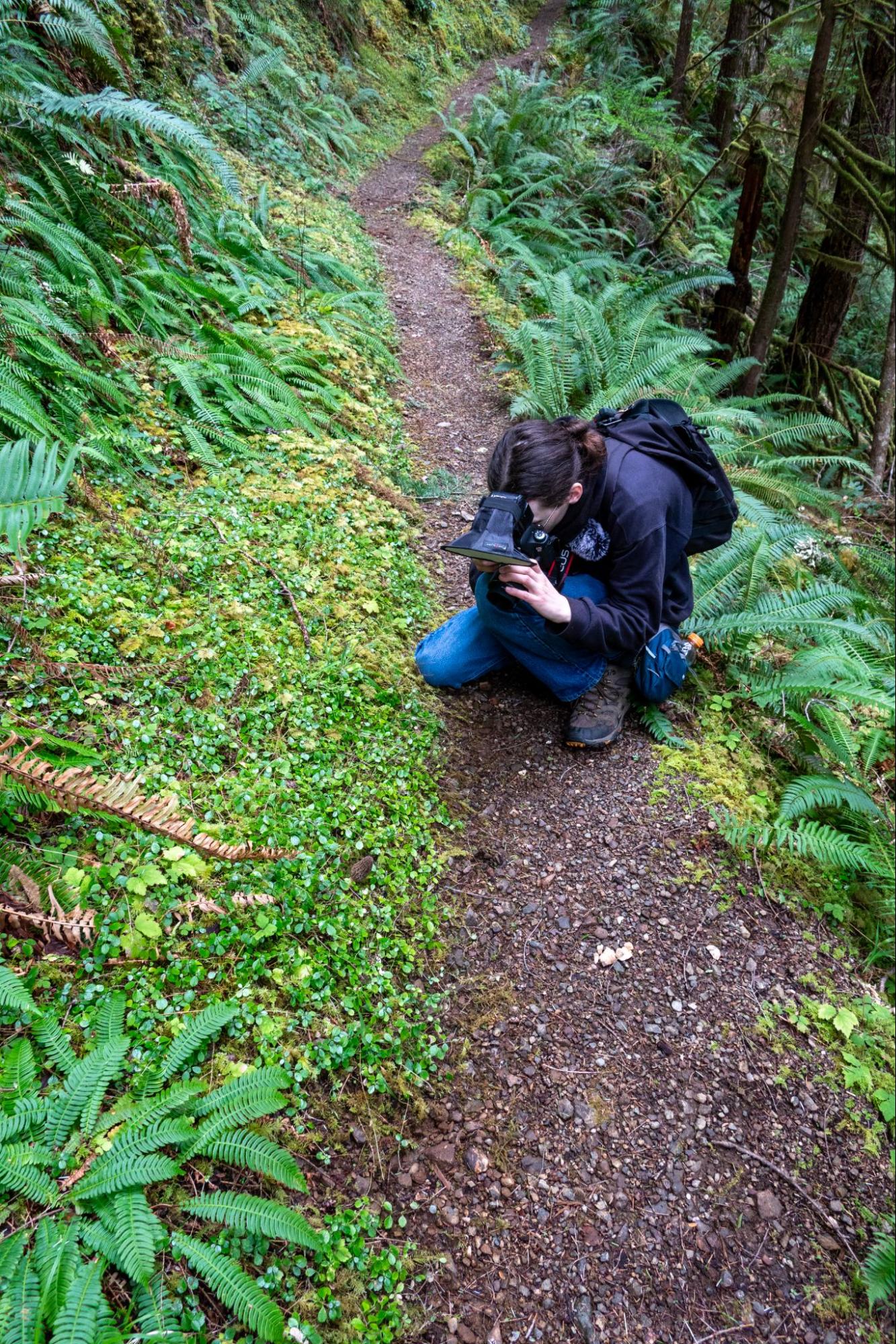
On this beautiful spring day, a warmer burst after some rain, we set out to find “anything interesting but hopefully at least a morel”. To our surprise, right off the side of the trail we found this chonker as our first mushroom of the day. We collected some of its slightly smaller fruits and left the main one. (351054241)
A member of Morchella section Distantes, this is -not- one of our local M. norvegiensis “group” members. (See update below…)
--removed section--
Update: This has sequenced to M. synderi, not one of the species previously discussed below. This usually more eastern, burn lover, took us by surprise here. I had written a whole section above, now removed and placed elsewhere, detailing how we thought this was one of our local members of a different group of species. It is not, so I have removed a large portion of this entry and moved it to another. It is now located under (25. Which is a more relevant species to this section from almost the same location.
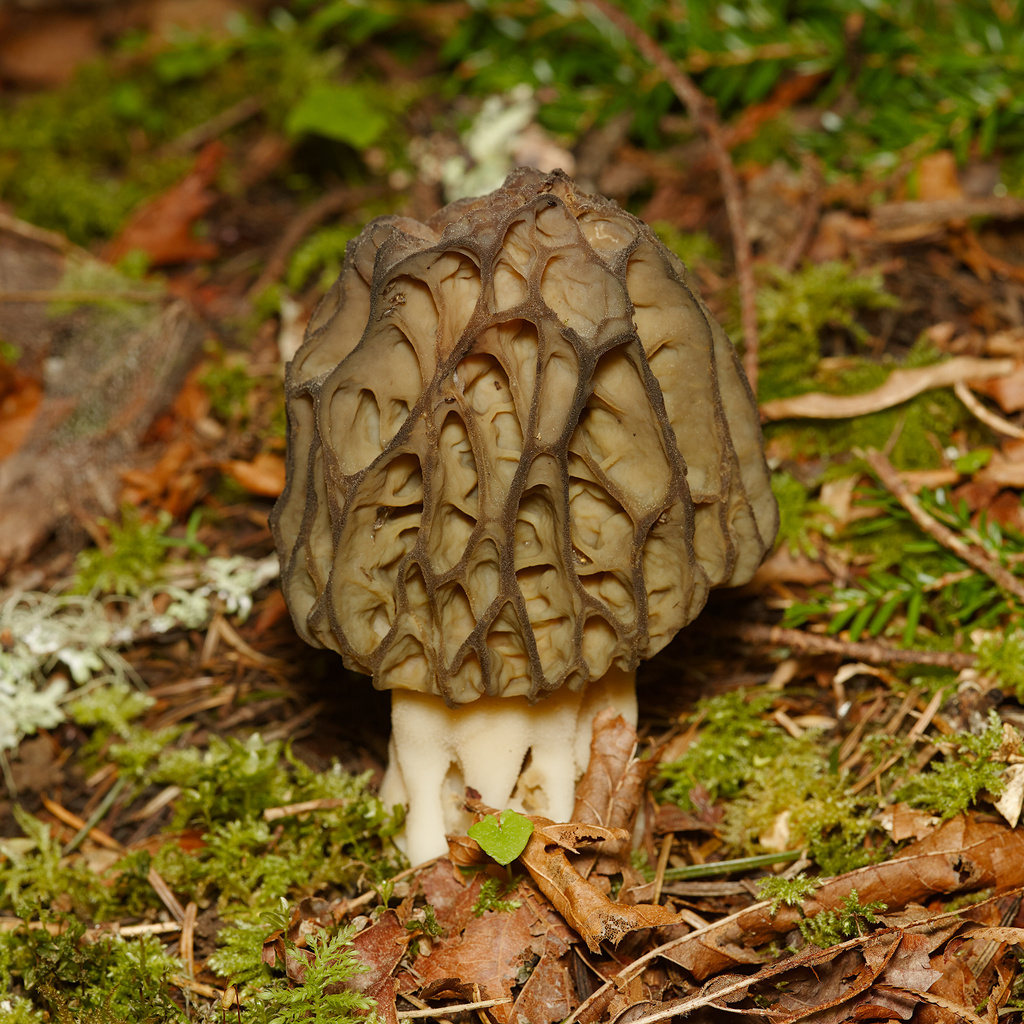
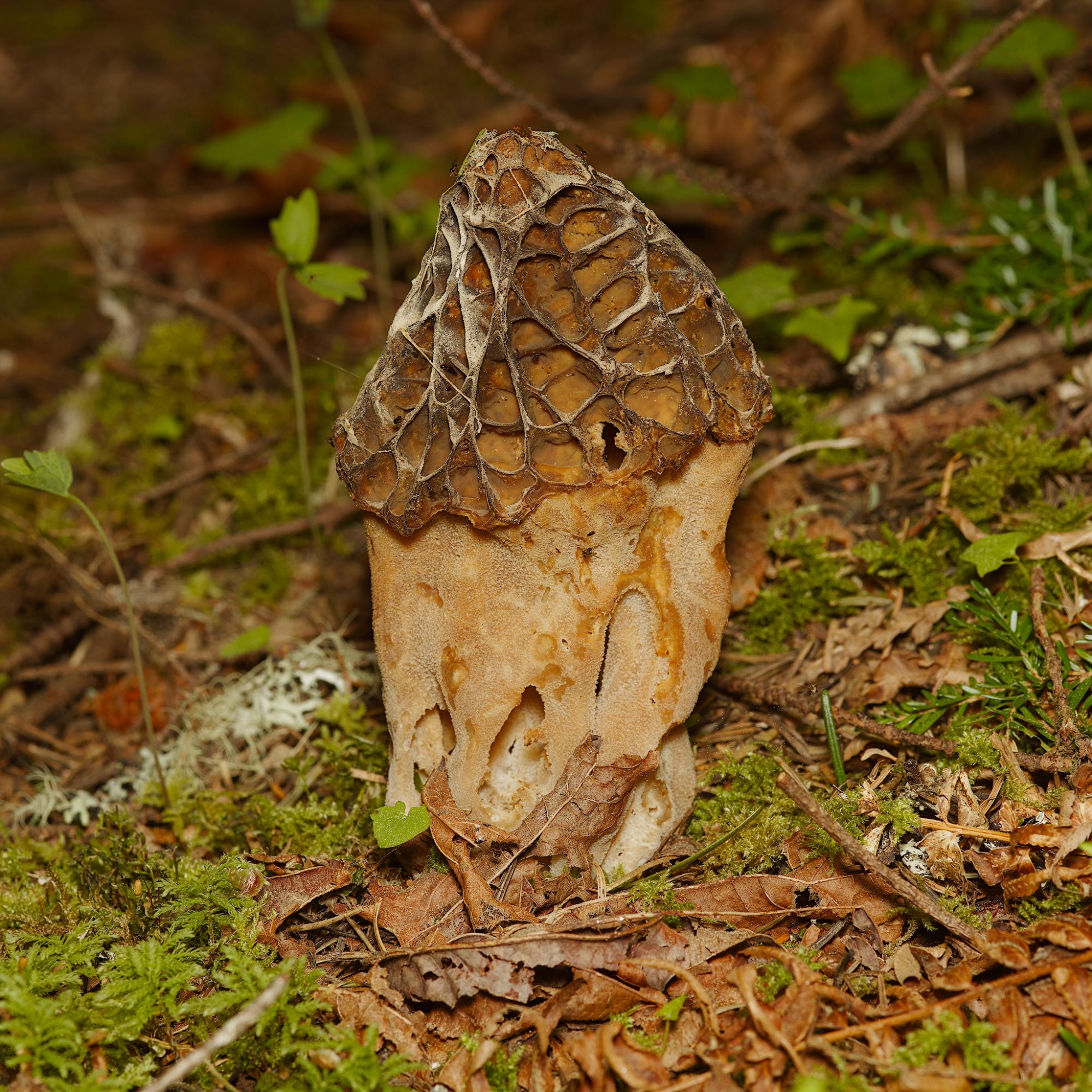
Below we can see the mushroom featured in this observation as it ages, at a couple weeks, and then a few weeks after we initially found it. Within our normal hiking areas but still cool of Brodie to fulfill our idea of showing it aging in the wild!
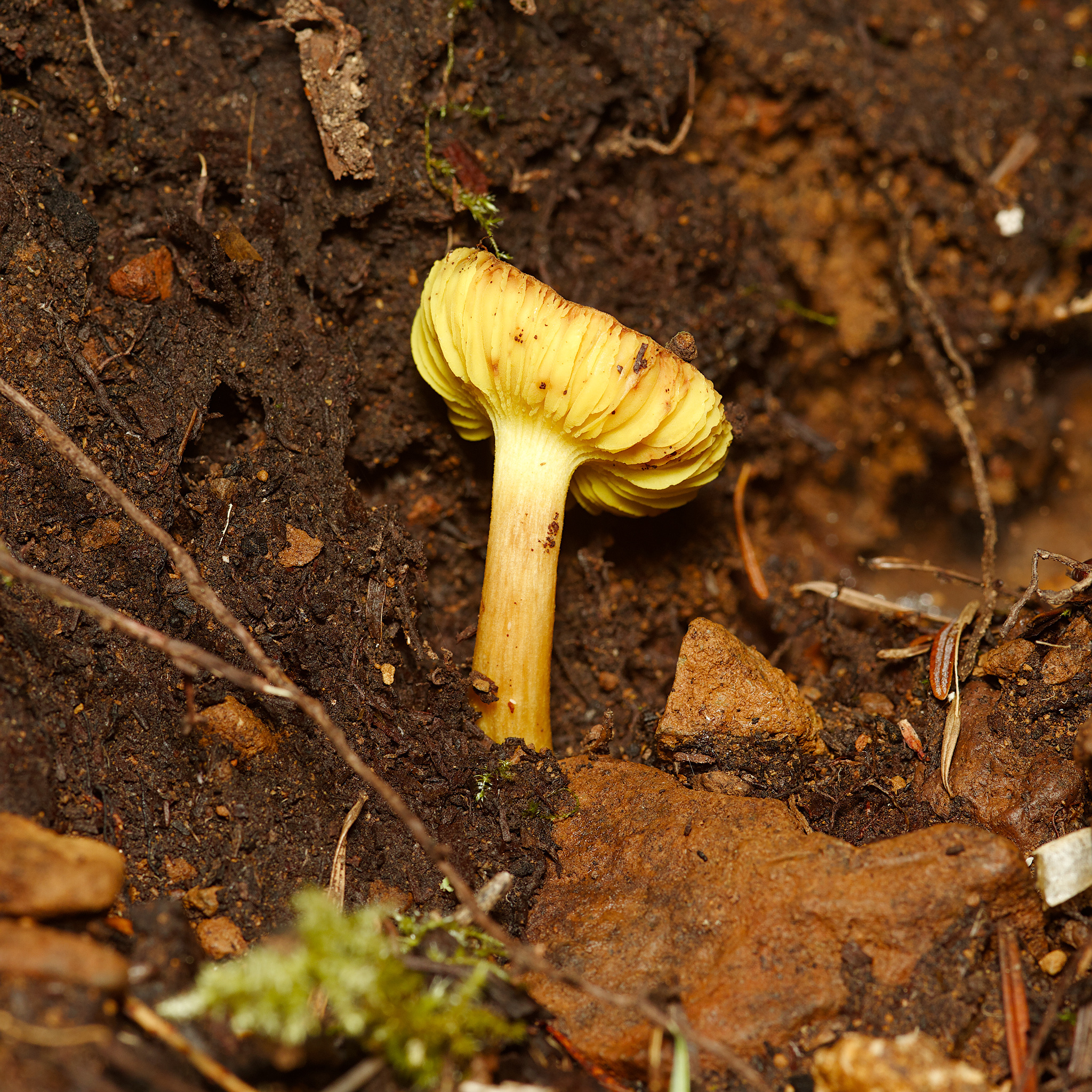
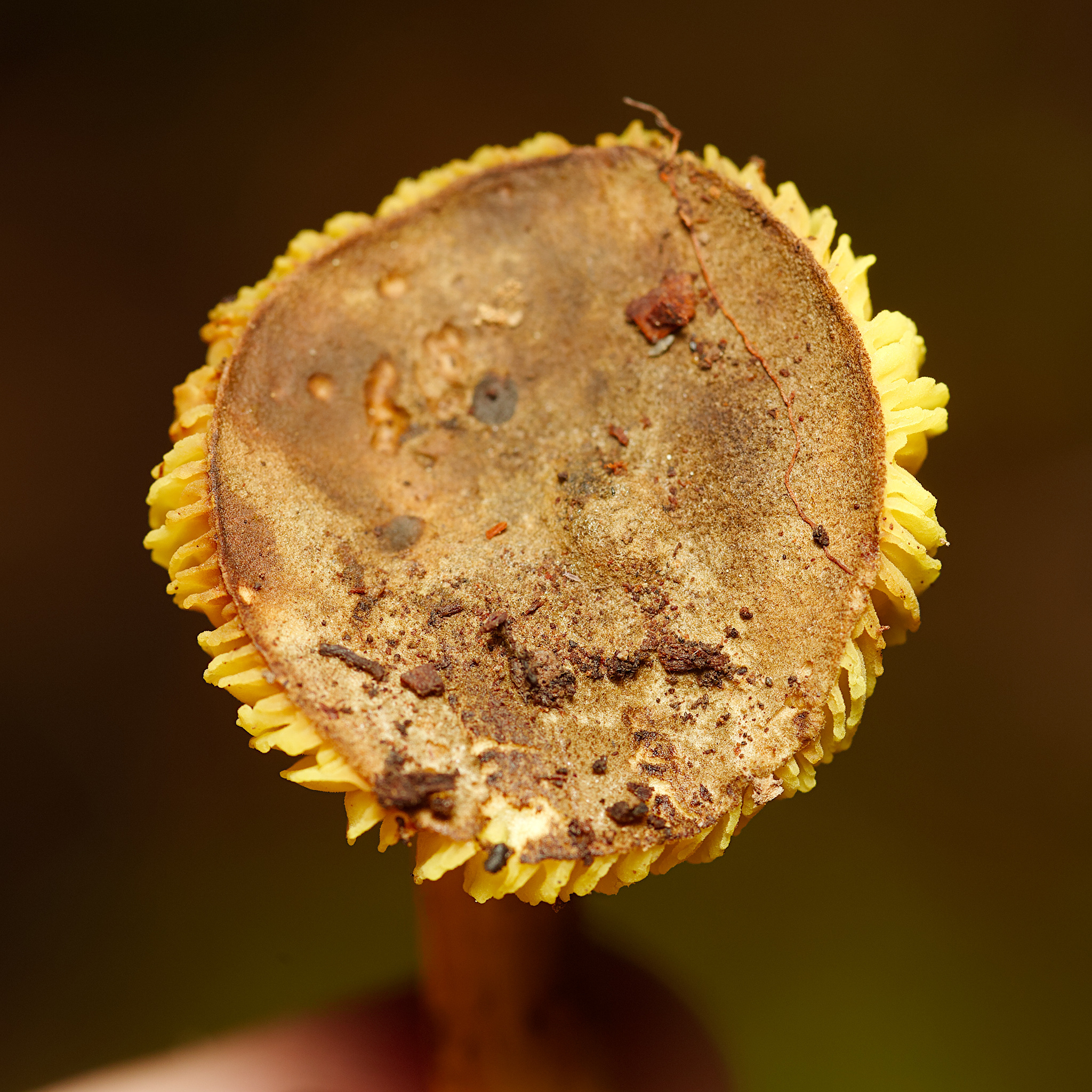
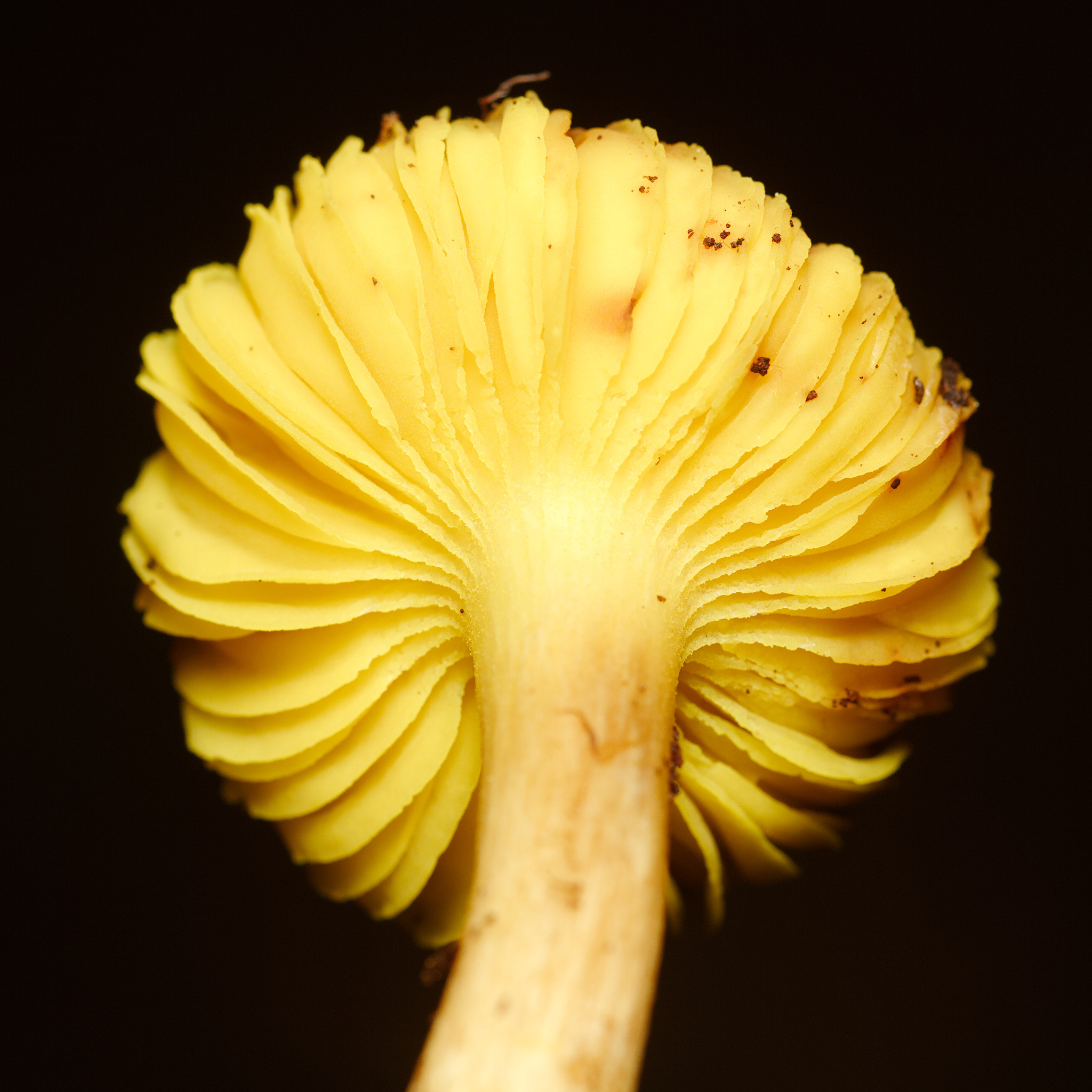
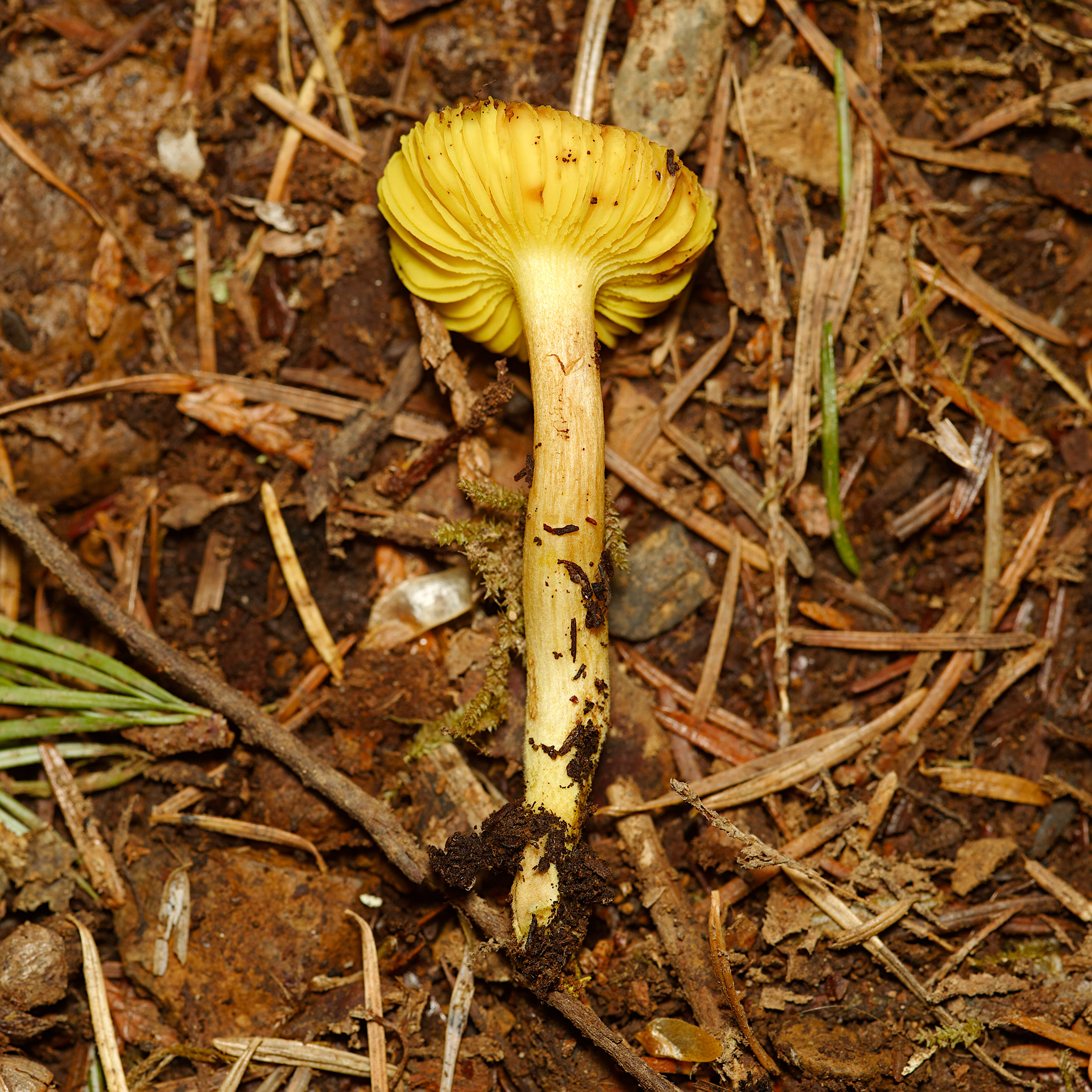
The next collection (351054245) we made was this small Phylloporus, presumably P. arenicola, the western gilled bolete. However there are multiple temp. codes present in the PNW so we shall see! I love gilled boletes really, and was happy to find one in the spring as opposed to the numerous Gomphidious, Chroogomphus, etc. that appear in the fall. I am not super familiar with this genus outside of notes like Danny Miller makes on his site, “These are very closely related to Xerocomus boletes, in fact it's not certain if they belong in Xerocomus or deserve their own genus.” He also notes that they can be tough to sequence, so “we shall see” indeed!
Update: Sequencing has returned a result of Phylloporus. Initially we received a temp. code but it is now associated with the same species.
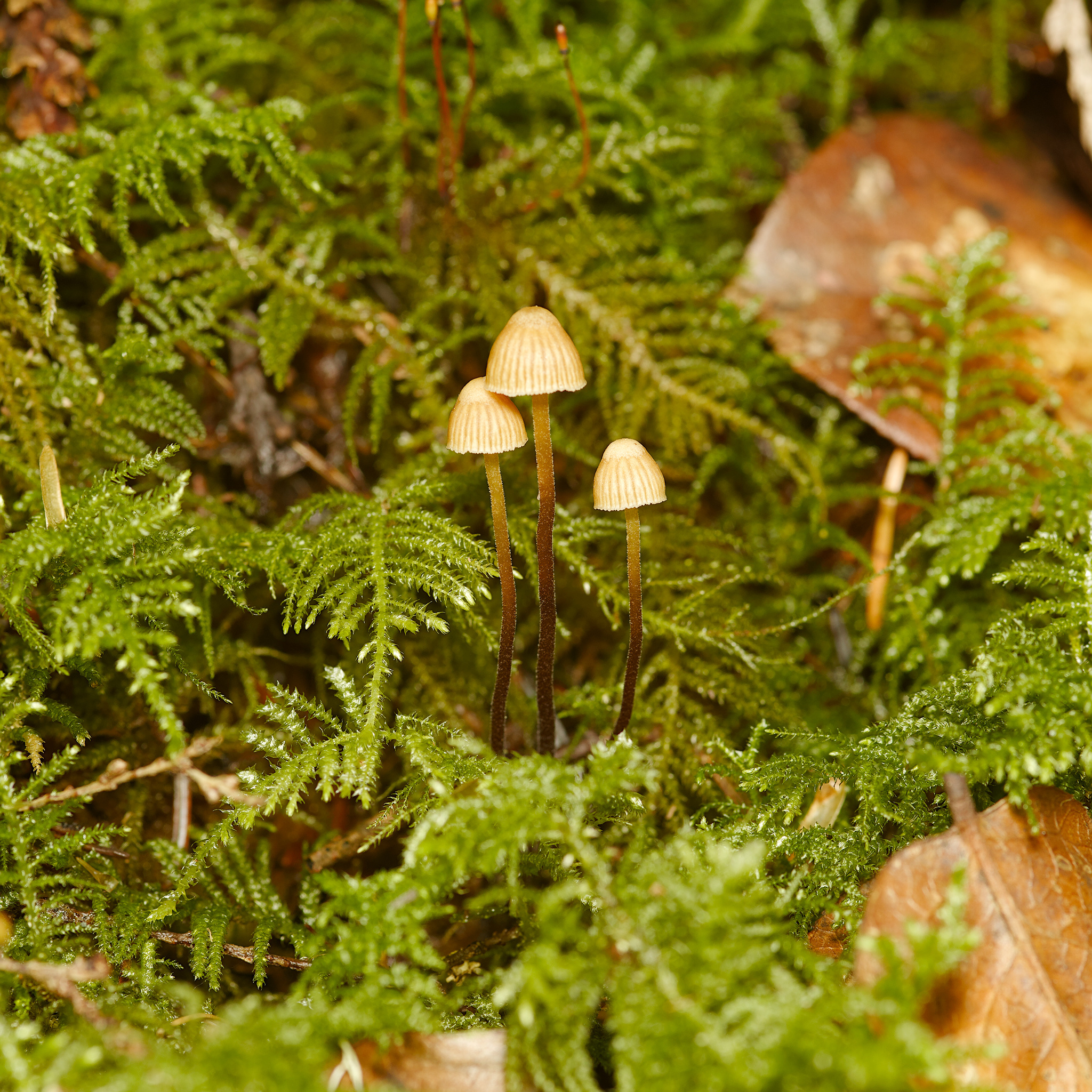
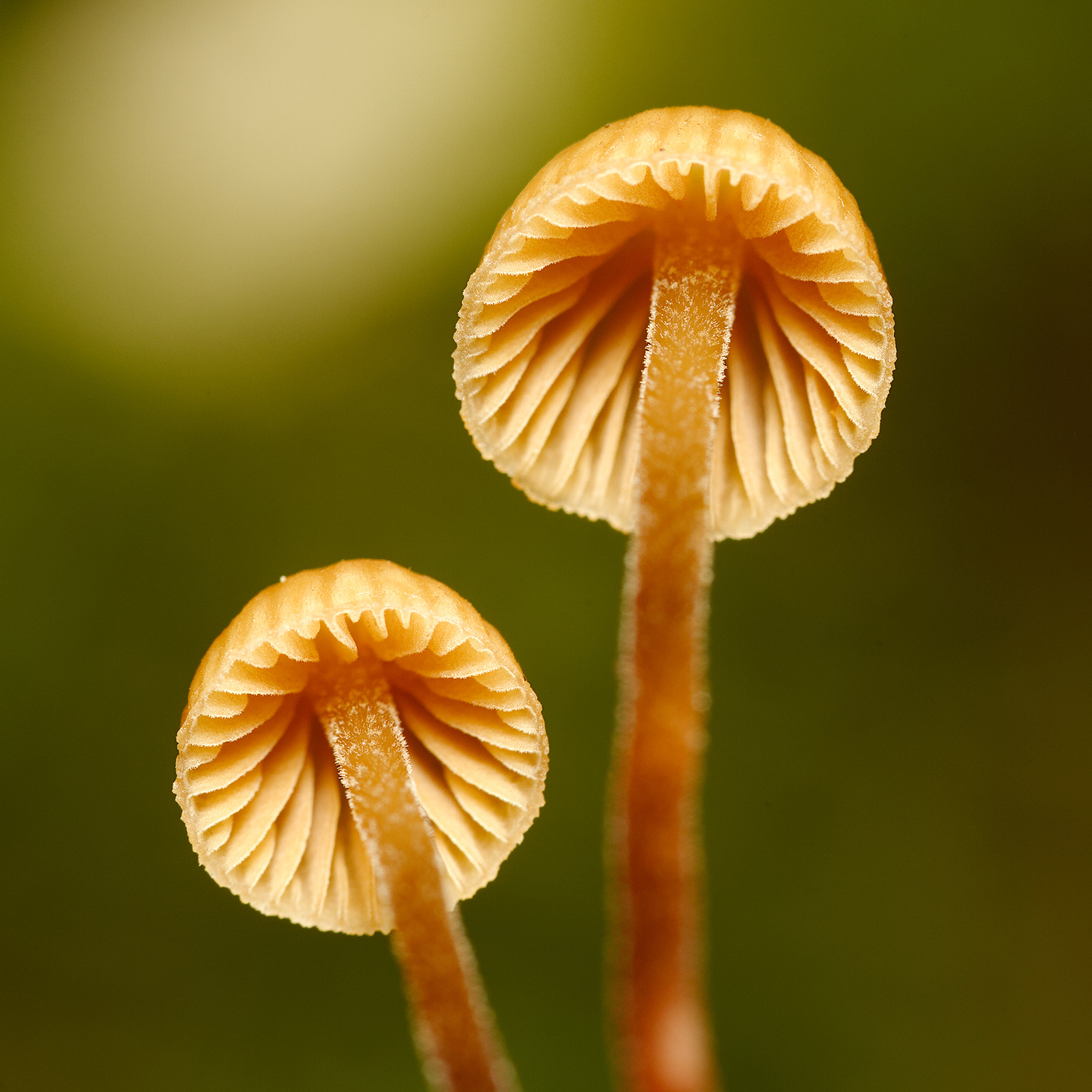
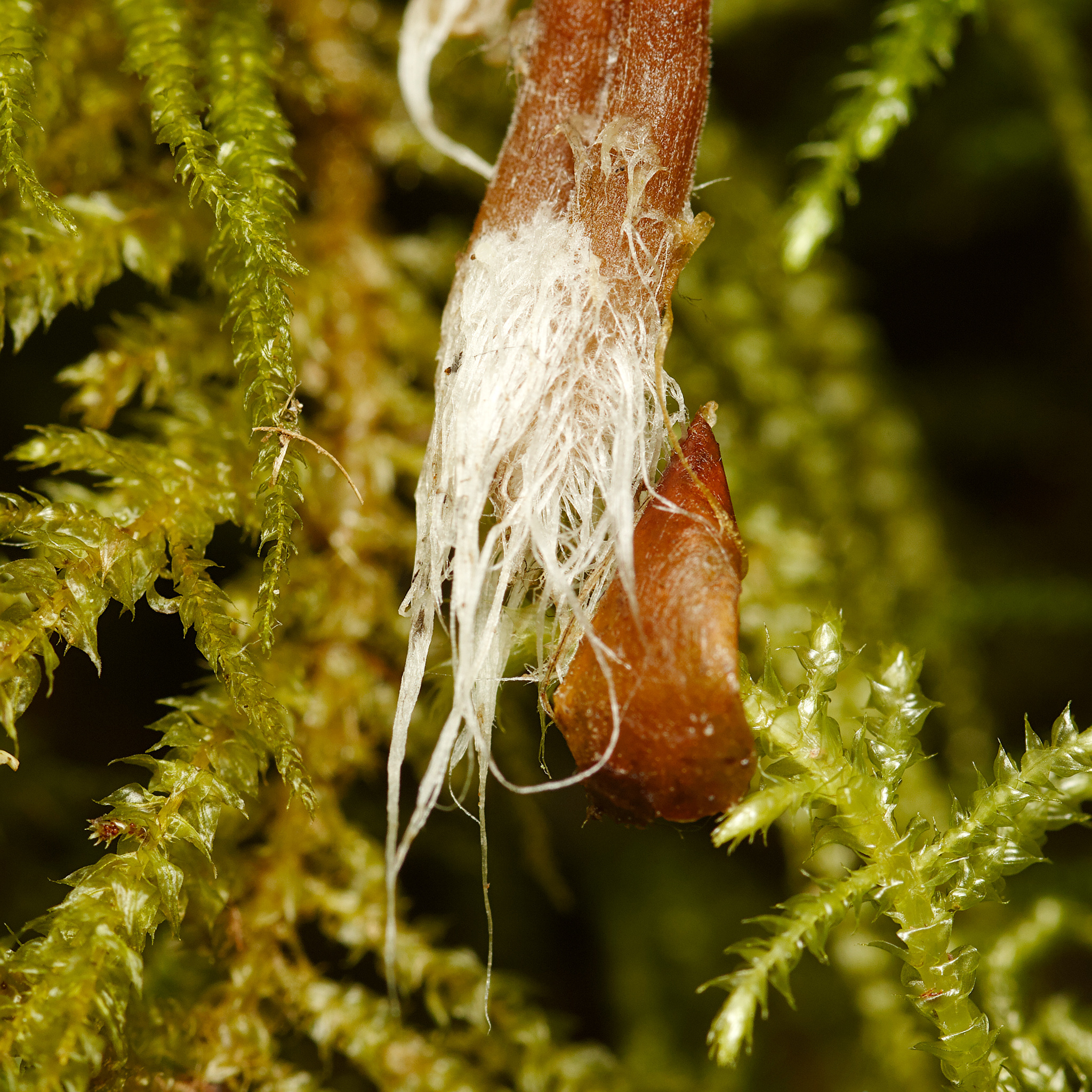
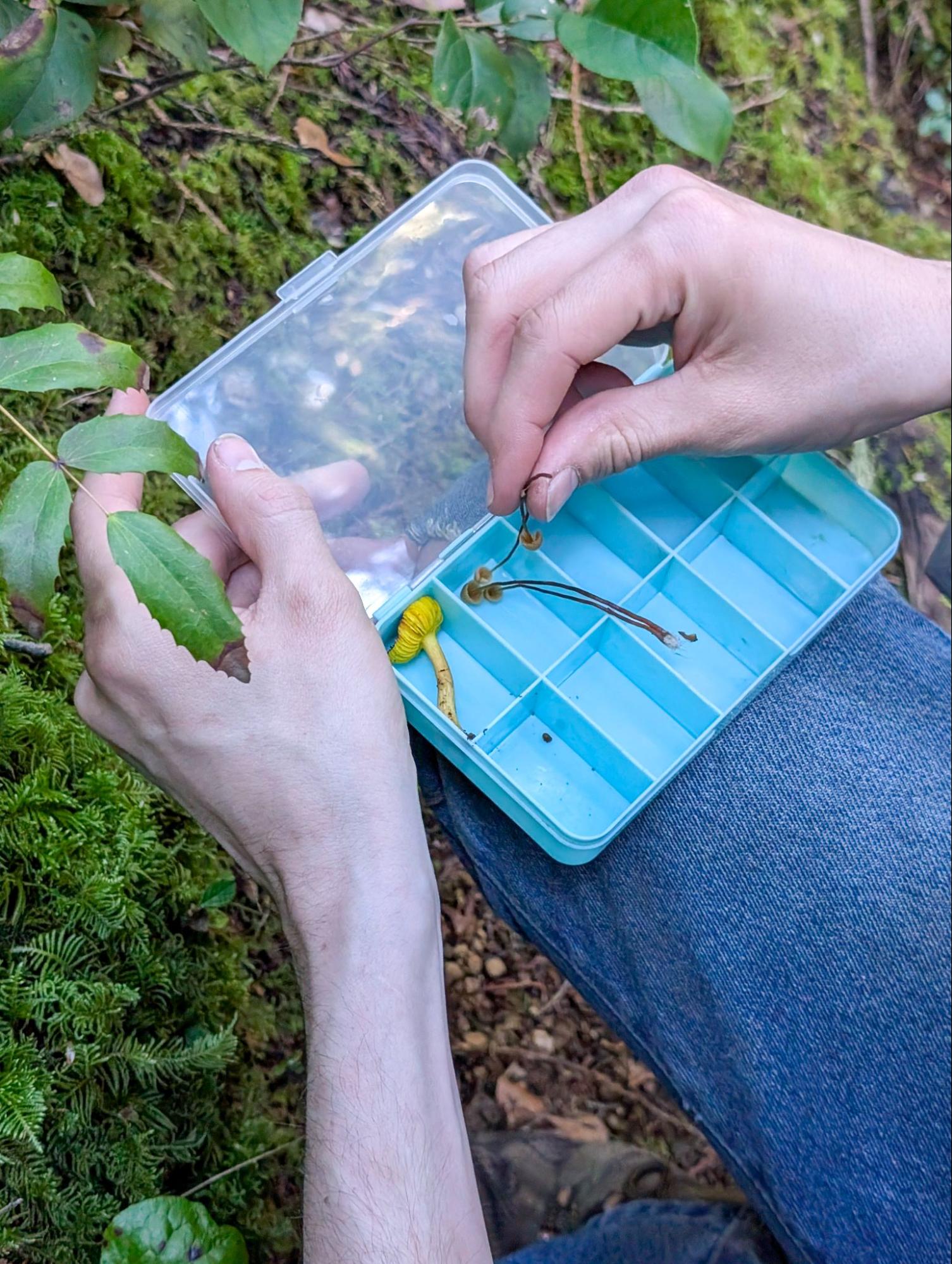
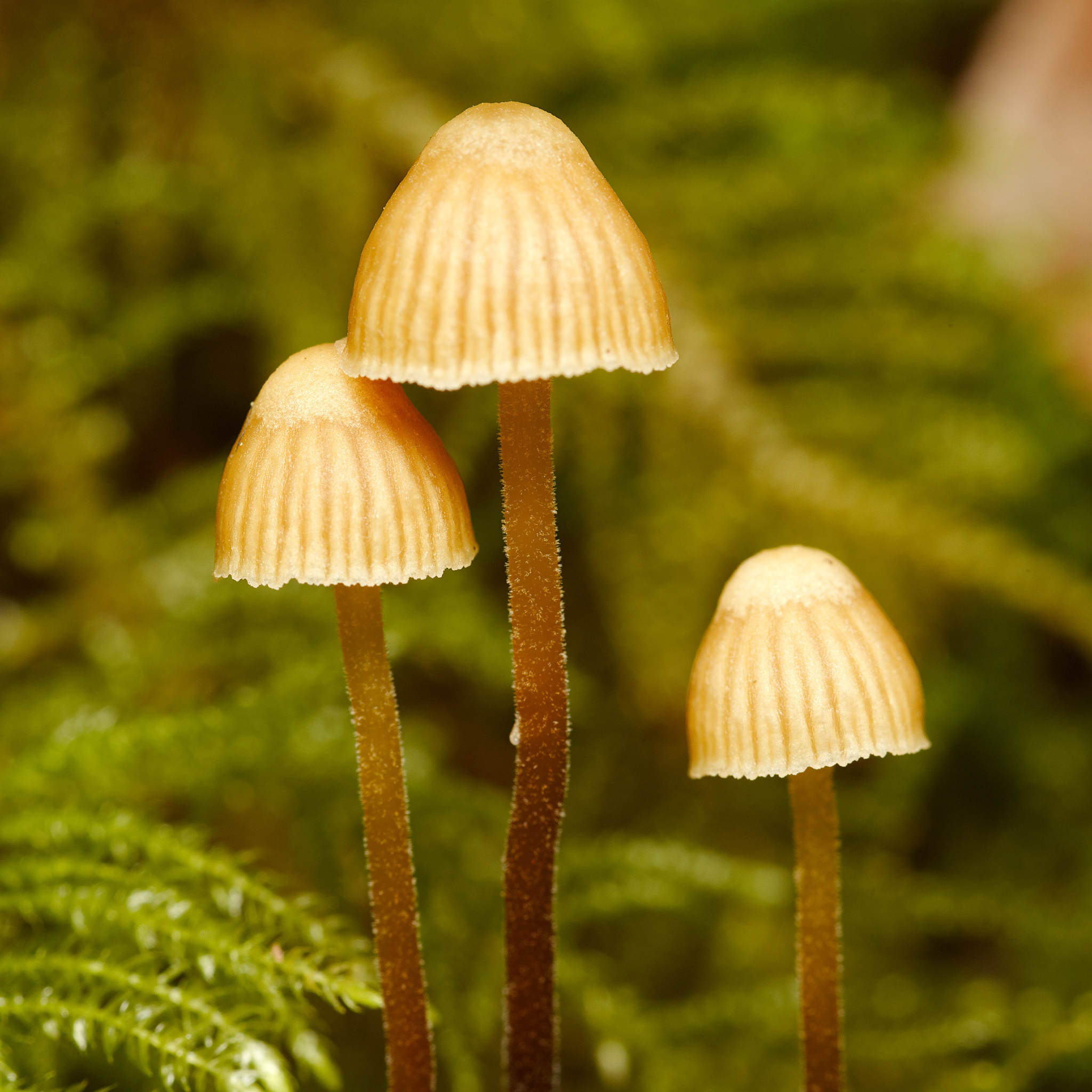
A very mycenoid Galerina for the next collection (351054248), especially if we ignore some of the color and texture on the stipe. Some folks might think the smaller things, especially our numerous little moss bells, are a bit boring. However, for me this was our third interesting collection of the day. Check out that stringy foot, and lovely color gradient. You can see a bit of scale in the in-situ image as well as in the top right, where Brodie places our collection in a bead box, next to the prior collection. Probably G. vittiformis group.
Update: Sequencing has returned a result of Galerina sp. 'vittiformis-PNW10'.
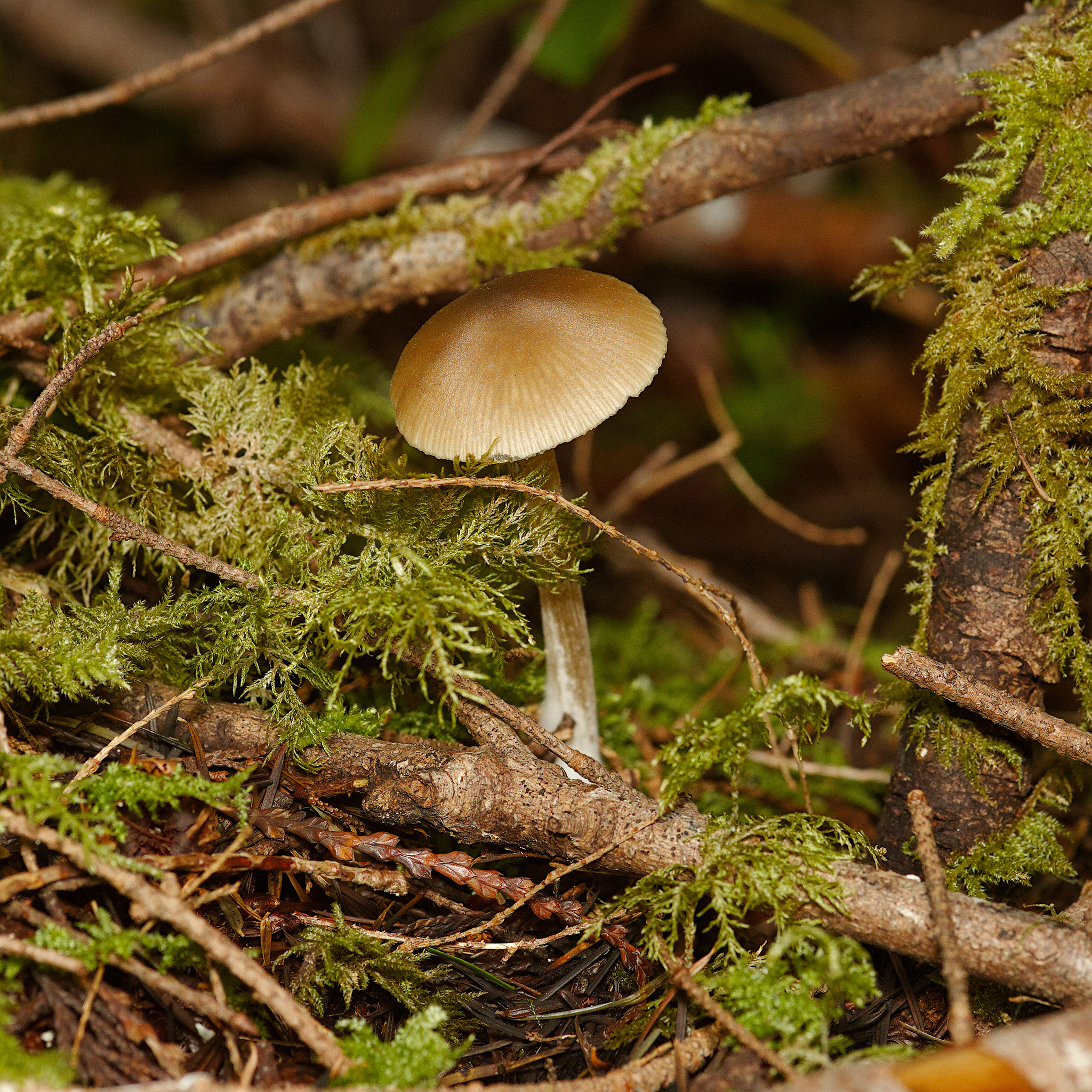
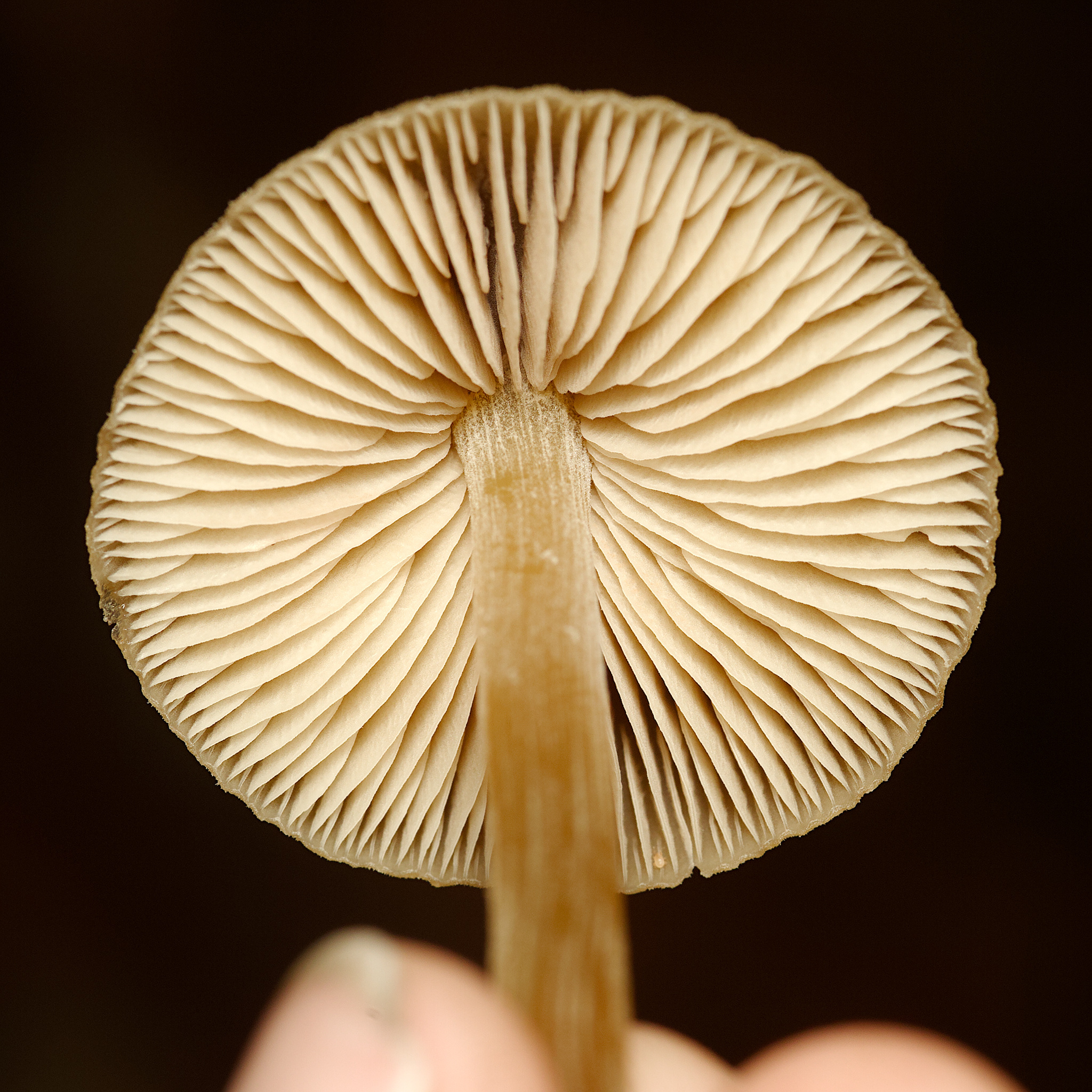
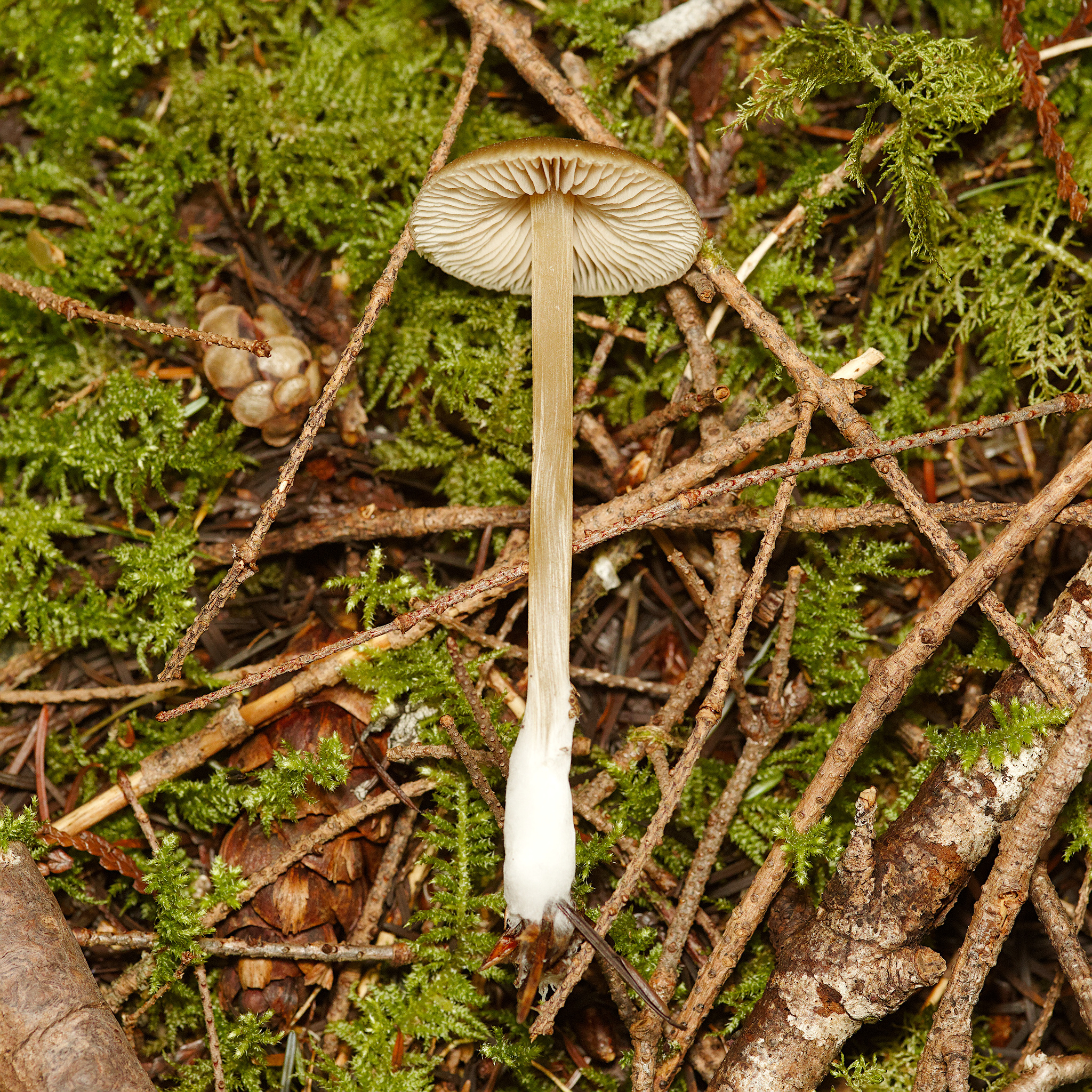
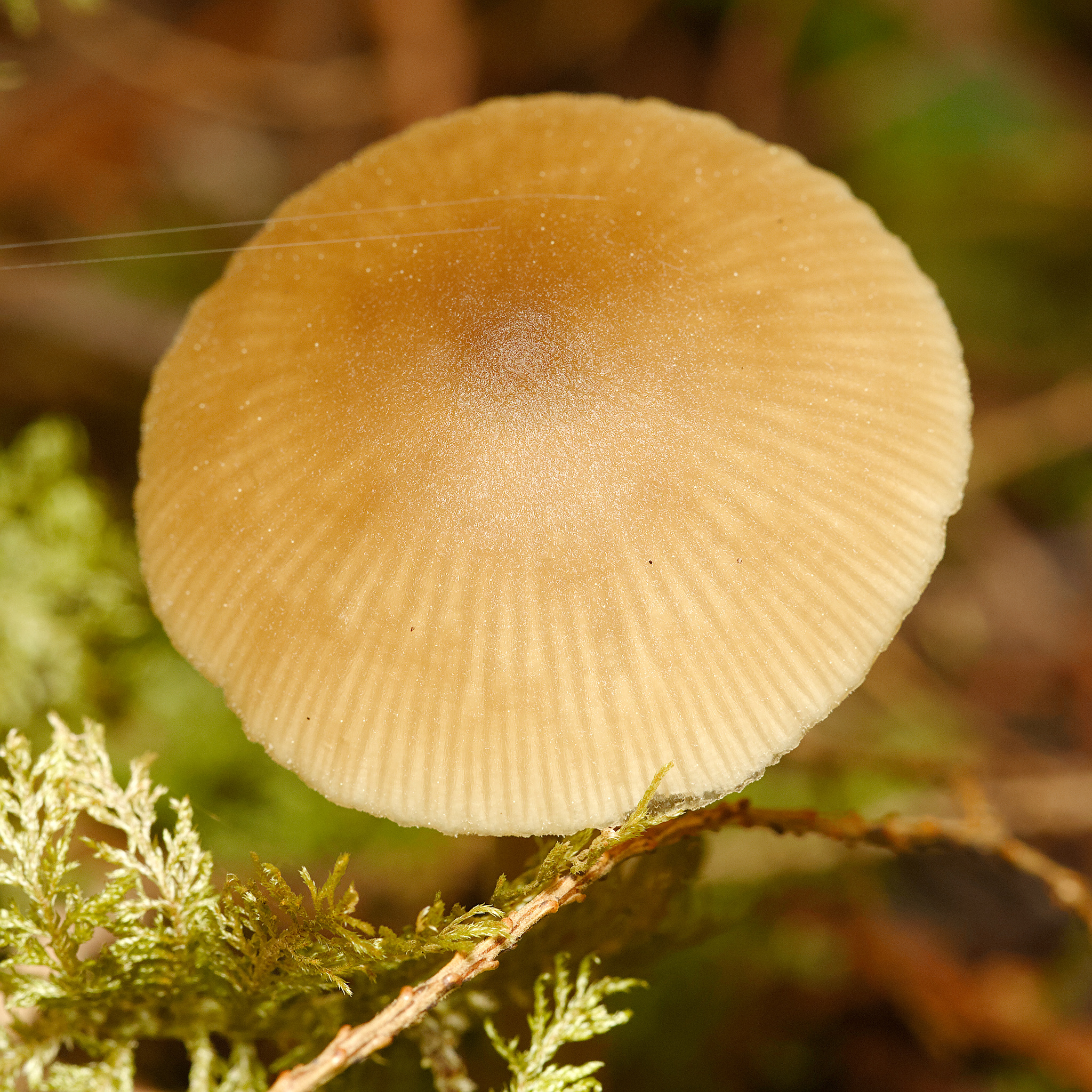
A casual Entoloma subgenus Nolanea for our next collection (351054252), probably in section Holoconiota. (N. holoconiotum, E. holoconiotum, etc.) Pruinose stipe seems to agree. We both see many of these in the fall, along with other spring Nolanea. I’m not extremely particular to the brown entolomatoids, but it’s always nice to see flushes of neat, very “mushroom”-esque mushrooms. These always have very fuzzy feet.
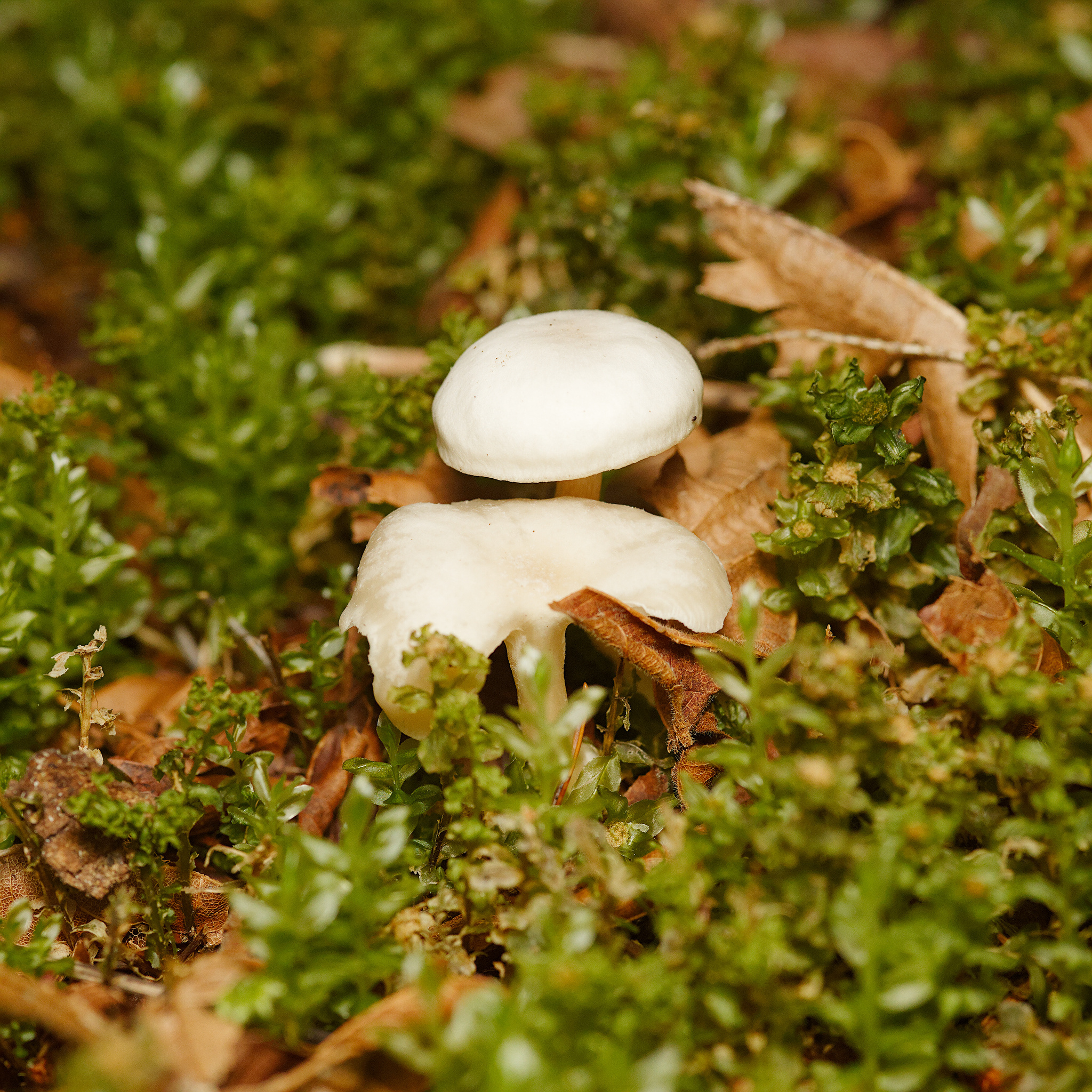
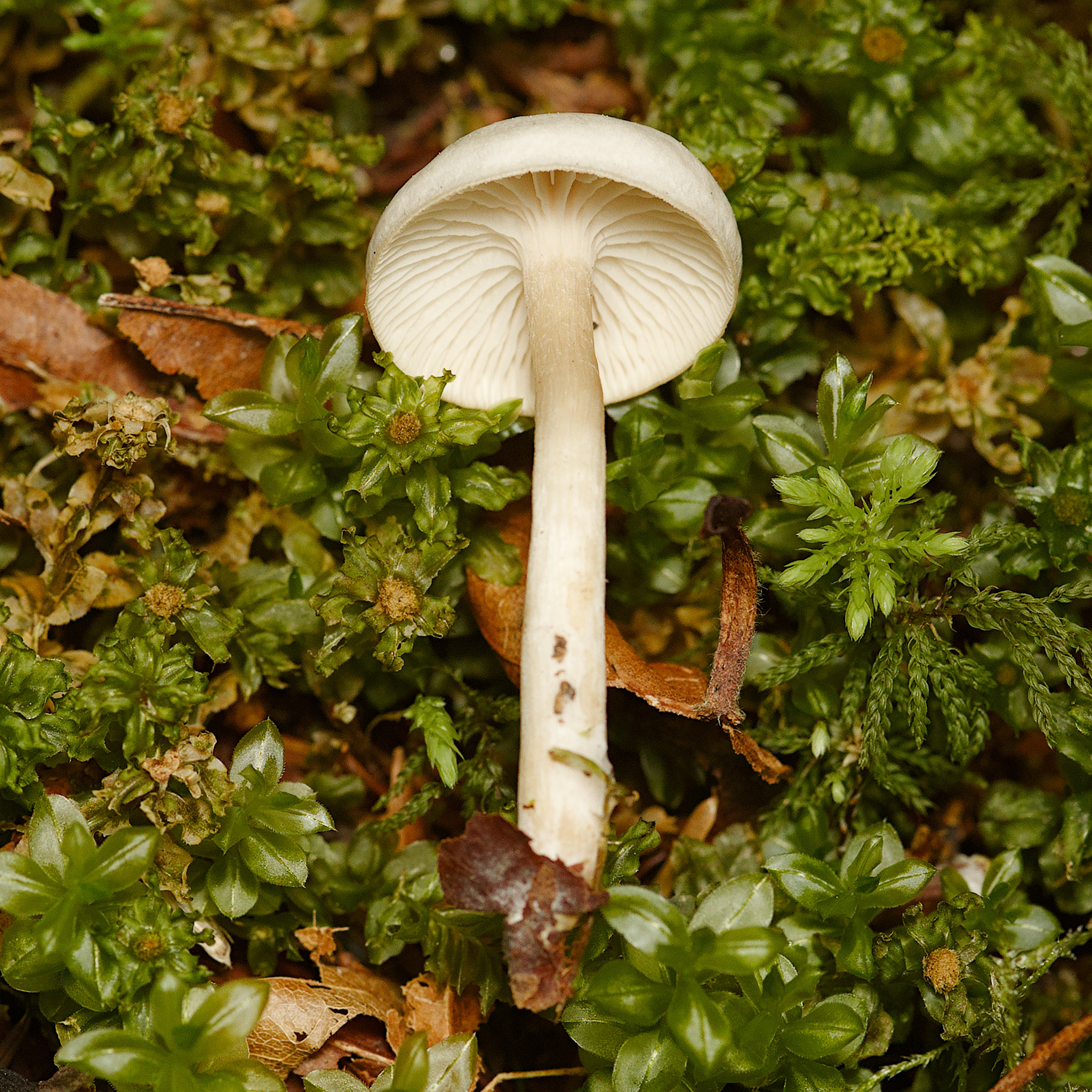
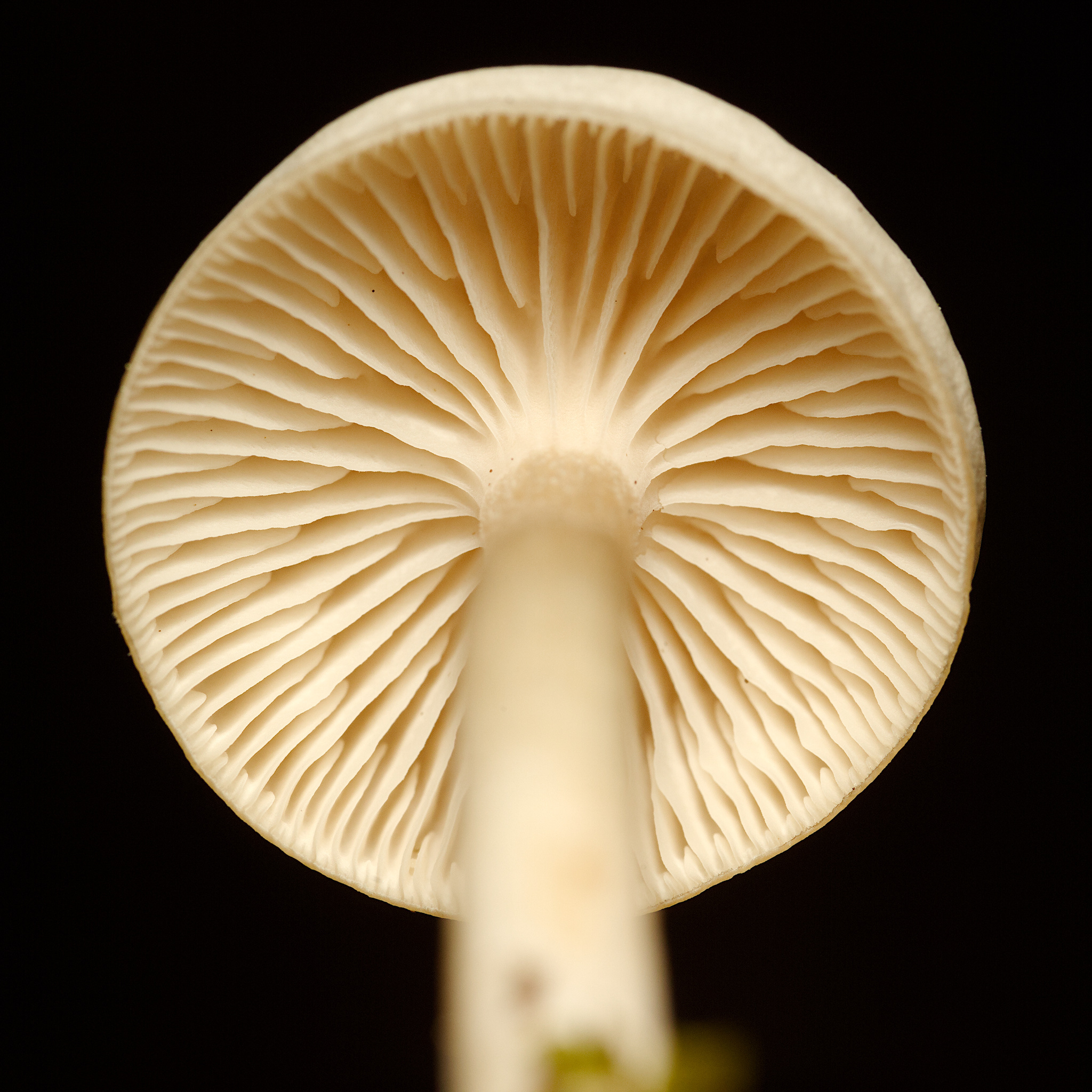
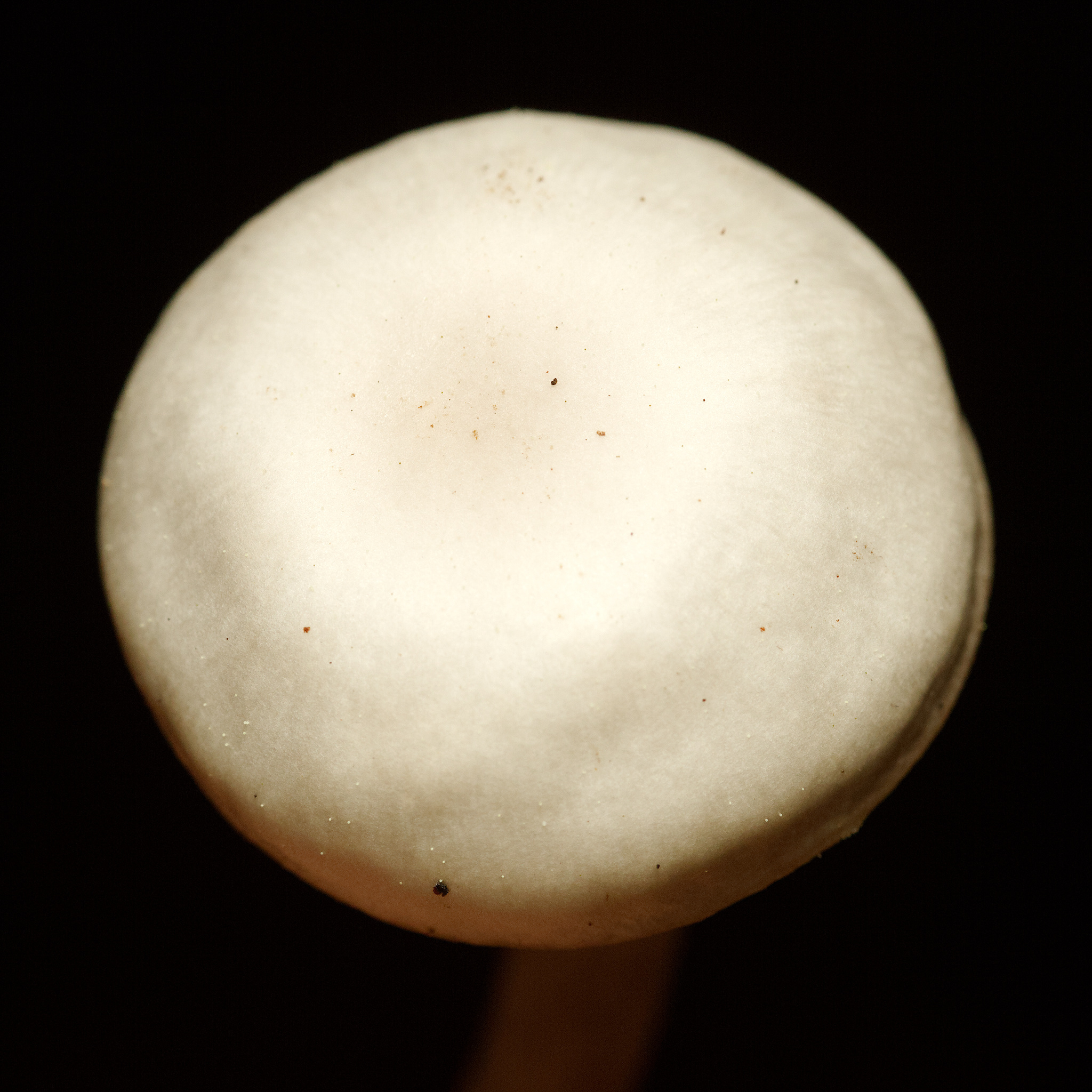
Our next collection (351054258) was of this pale, relatively small, very fragrant clitocyboid mushroom. Something tells me this may have been, but is no longer in Clitocybe. I would have to compare to small similarly odorous options that now reside in Collybia. I see textural similarities to a collection I made in fall 2024. Same family so, Clitocybaceae it is for now! Always happy to provide more research on fragrant clitocyboids, Paralepista gilva is one of my favorite fungal odors. That species absolutely comes to mind when describing the somewhat farinaceous smell of this collection, however there was another odor here too.
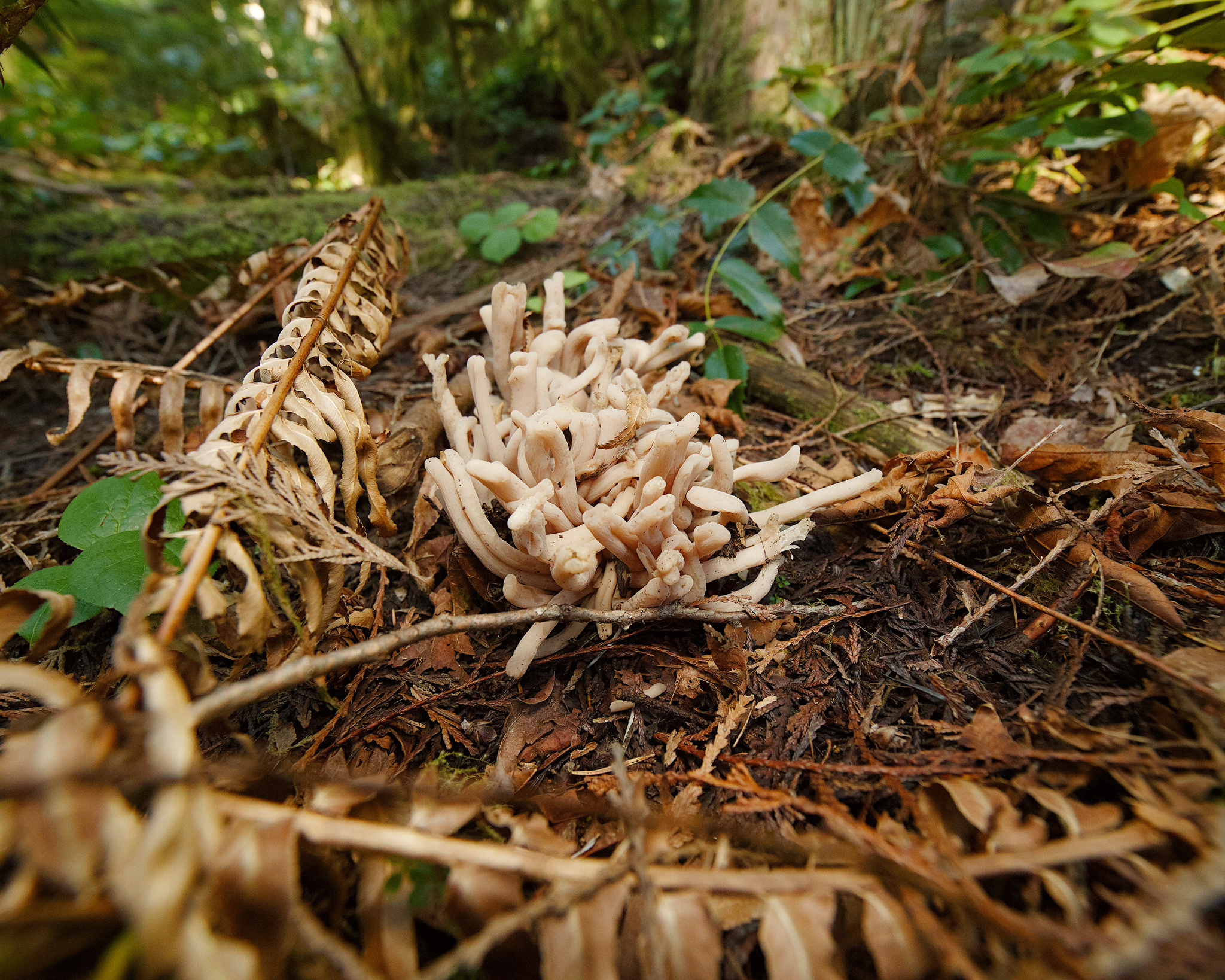
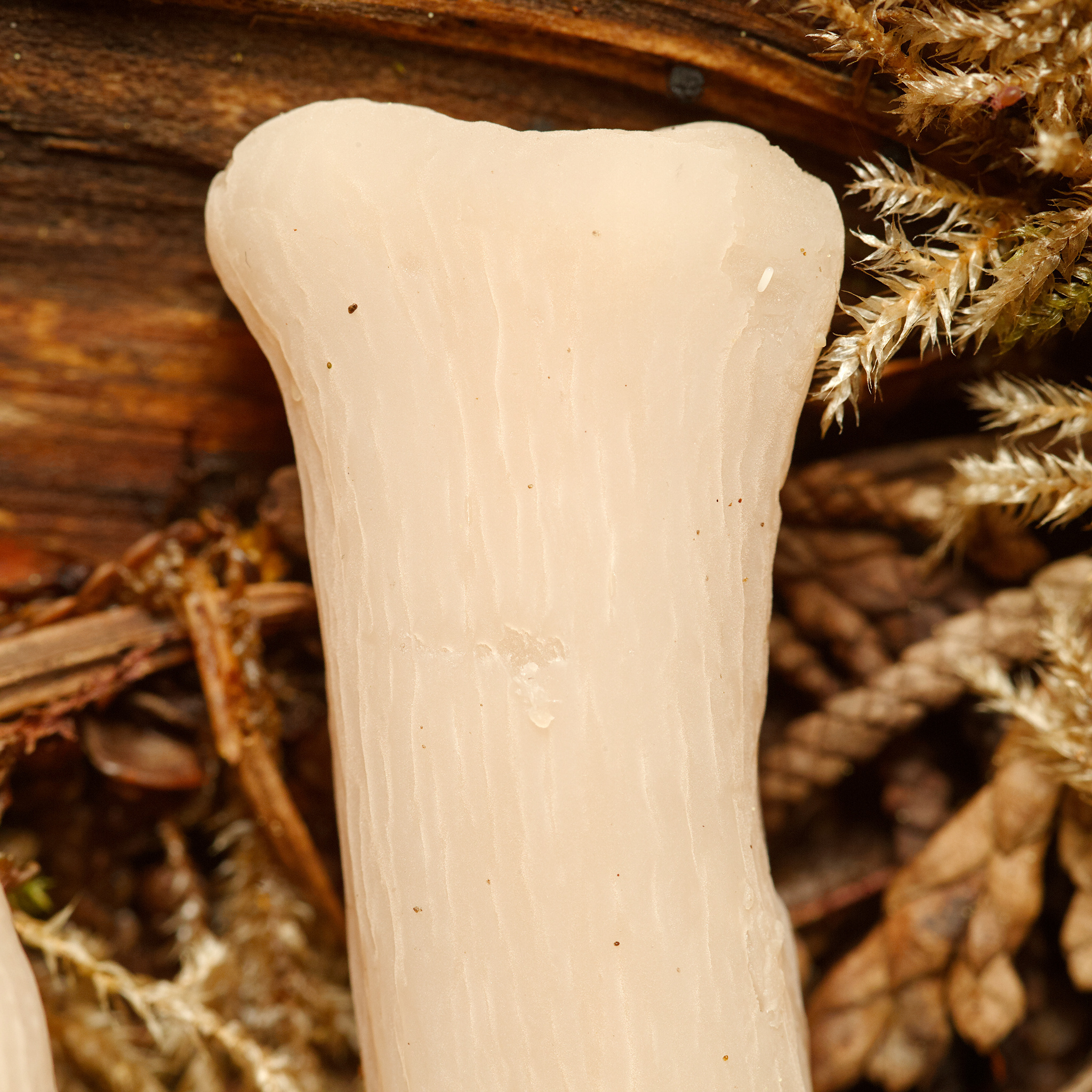
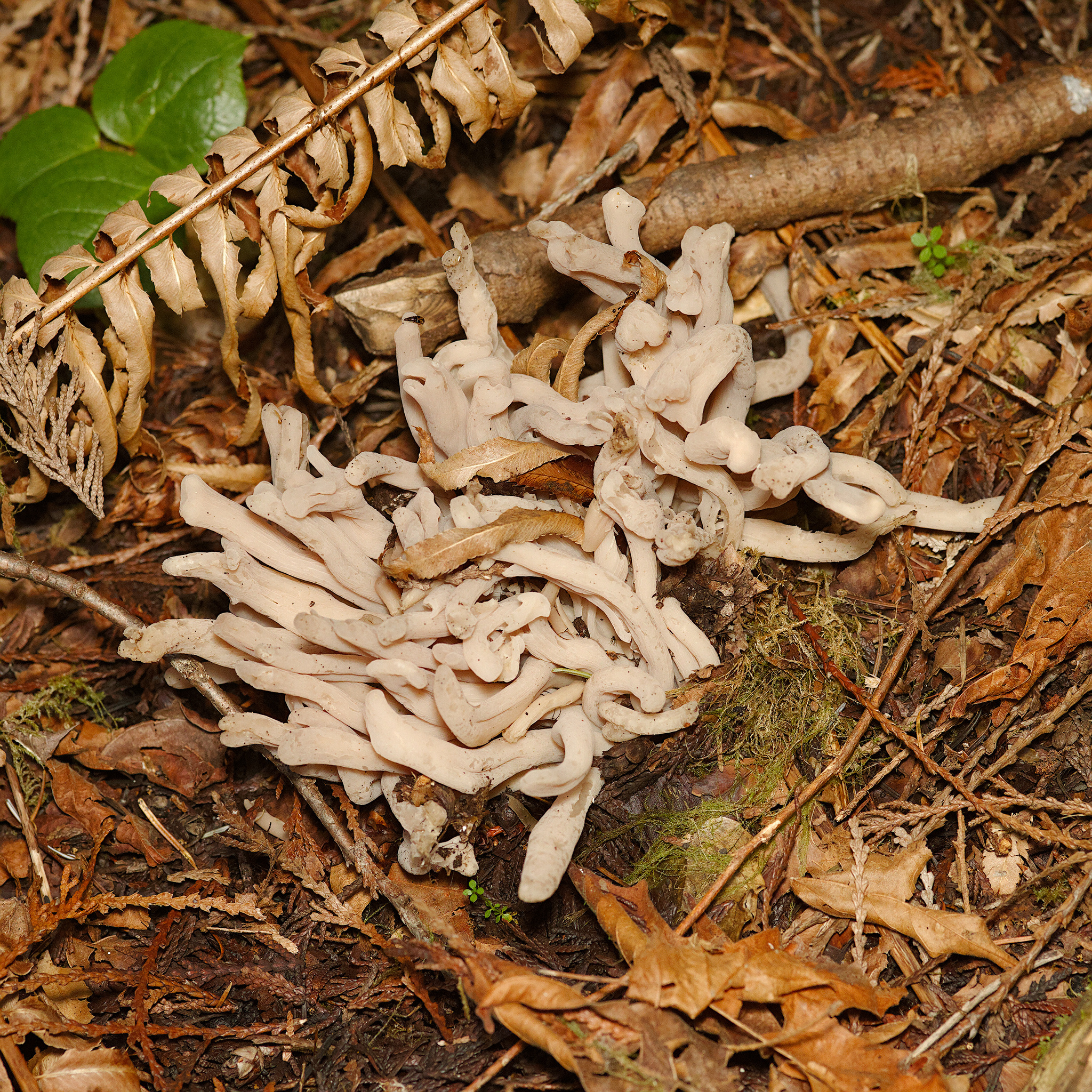
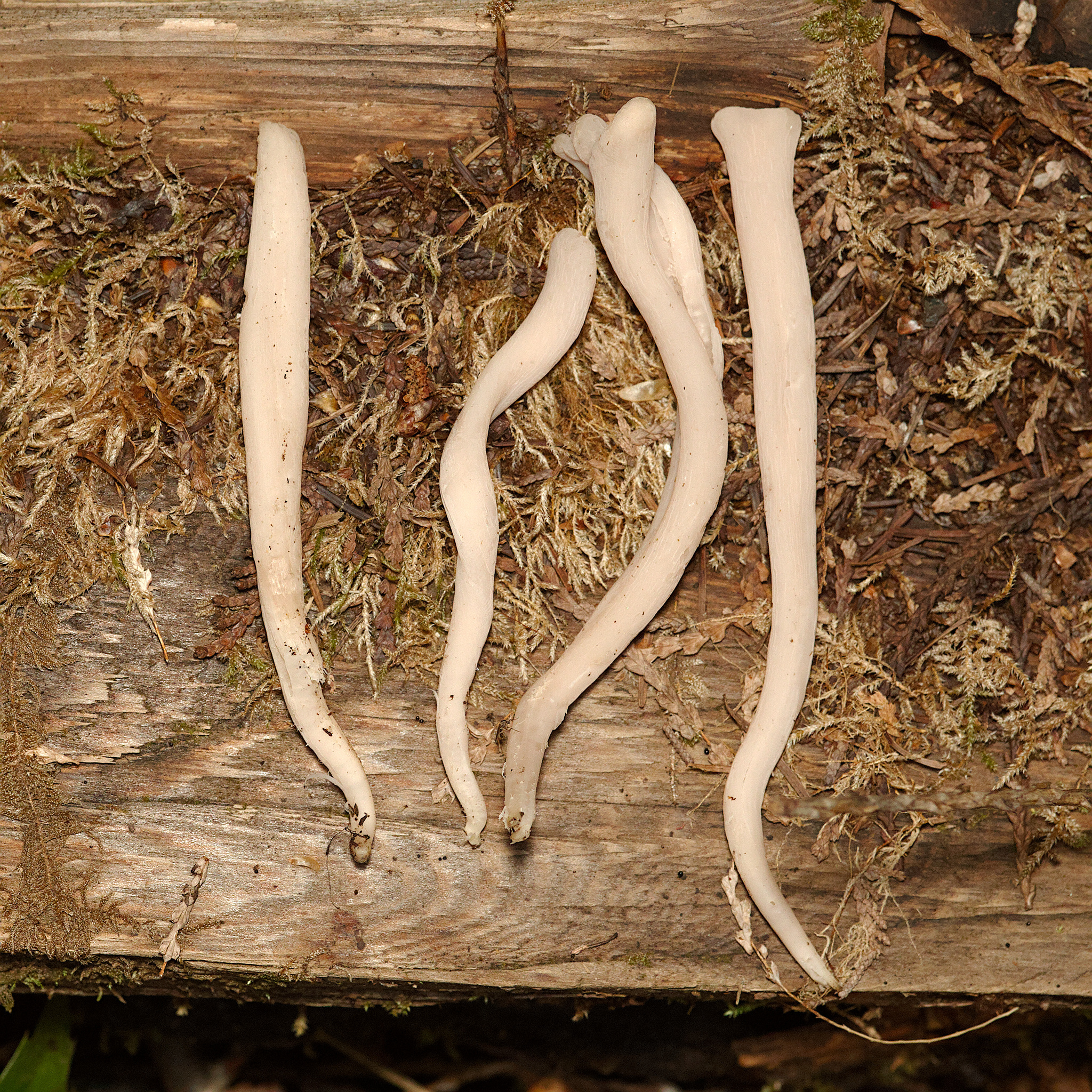
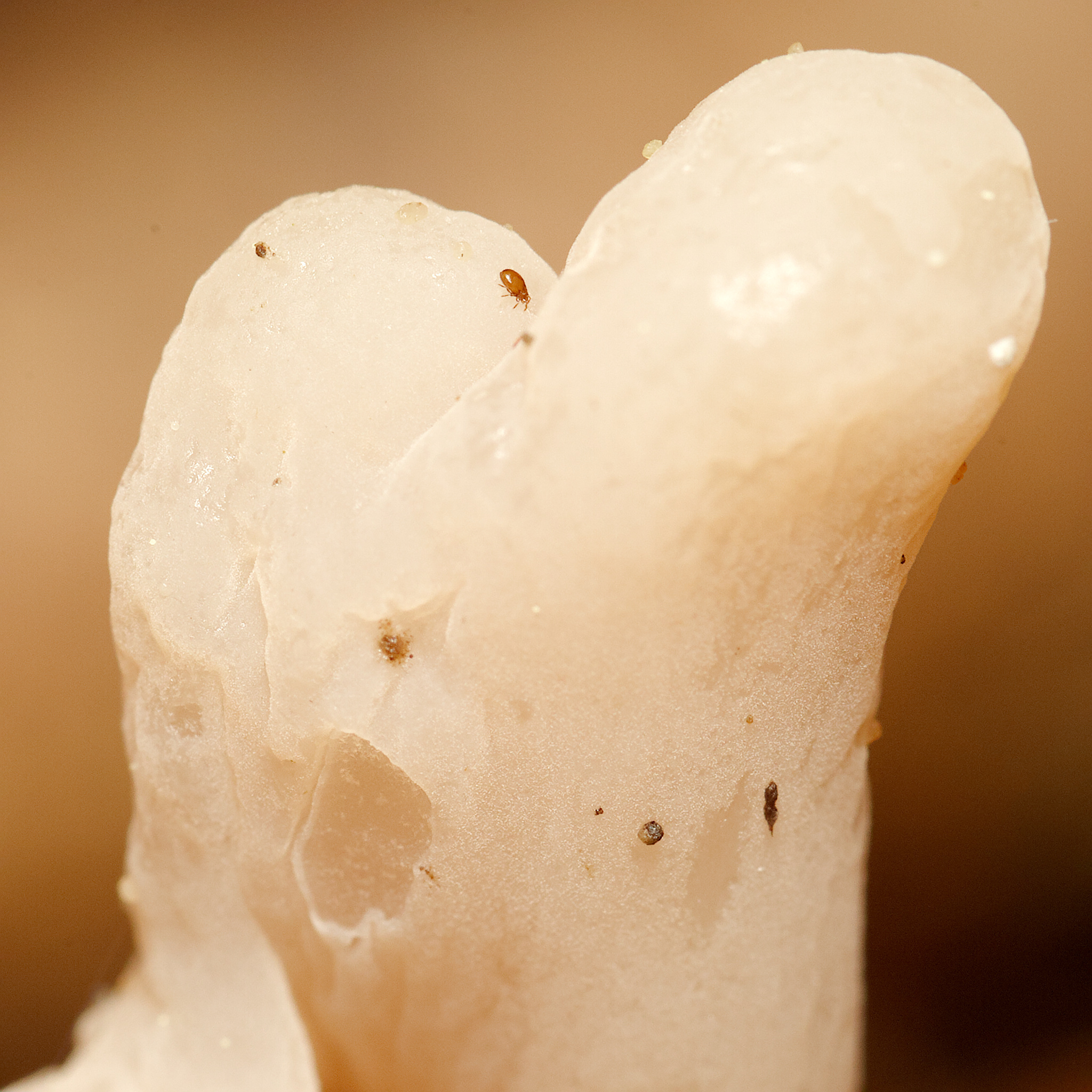
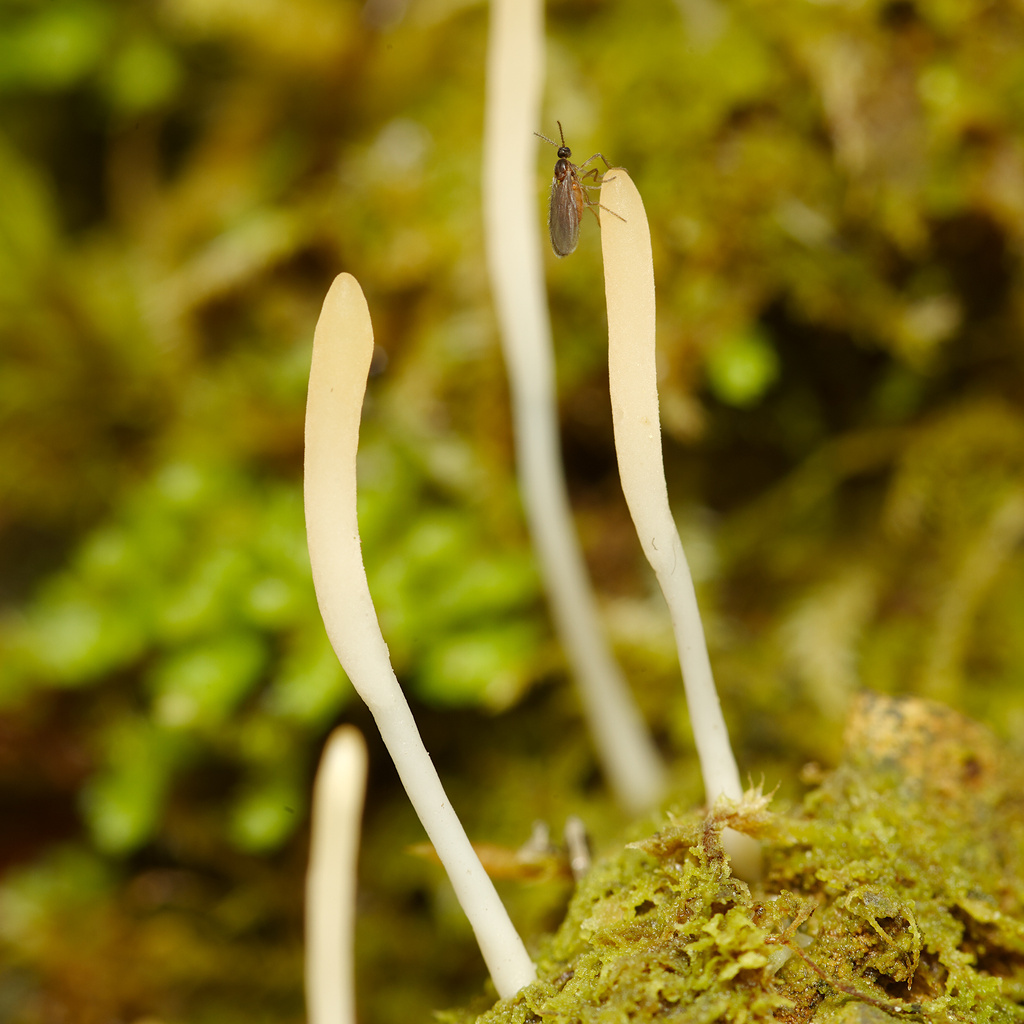
If this collection (351054260) is Clavulina rugosa or closer that direction, I’ll eat my hat. I really think shapes, textures, and more individual growths (pretty much no actual branching) here suggest clavarioid fungi instead. I have left this with an ID of Clavariaceae and Brodie agrees with that for now too, though we could both be wrong.
Update: Sequencing has returned a result of Clavaria sp. 'CA19'. Dope! Lesser known Clavaria, I would like to follow up here. Micro pending also, once we get some higher magnification images calibrated.
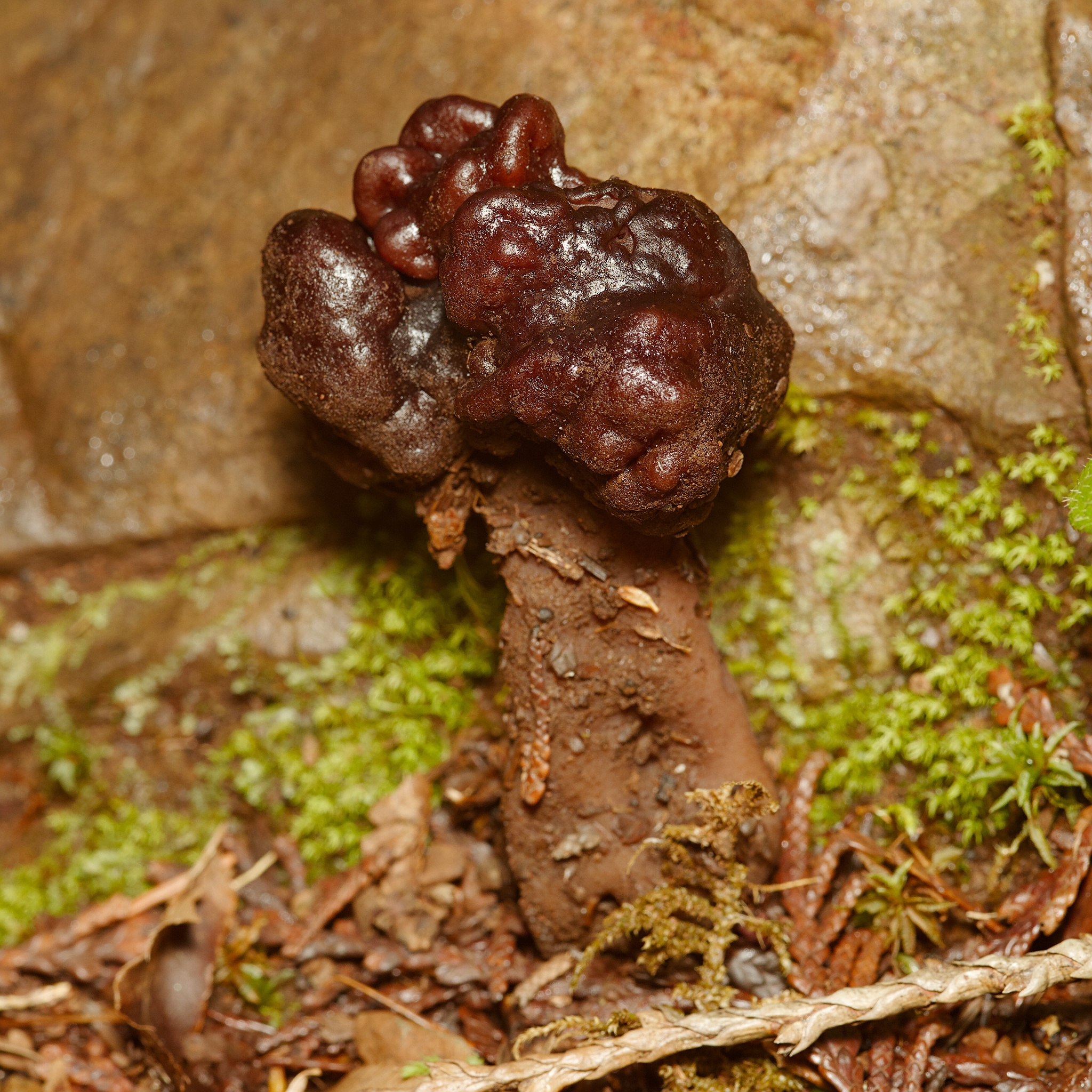
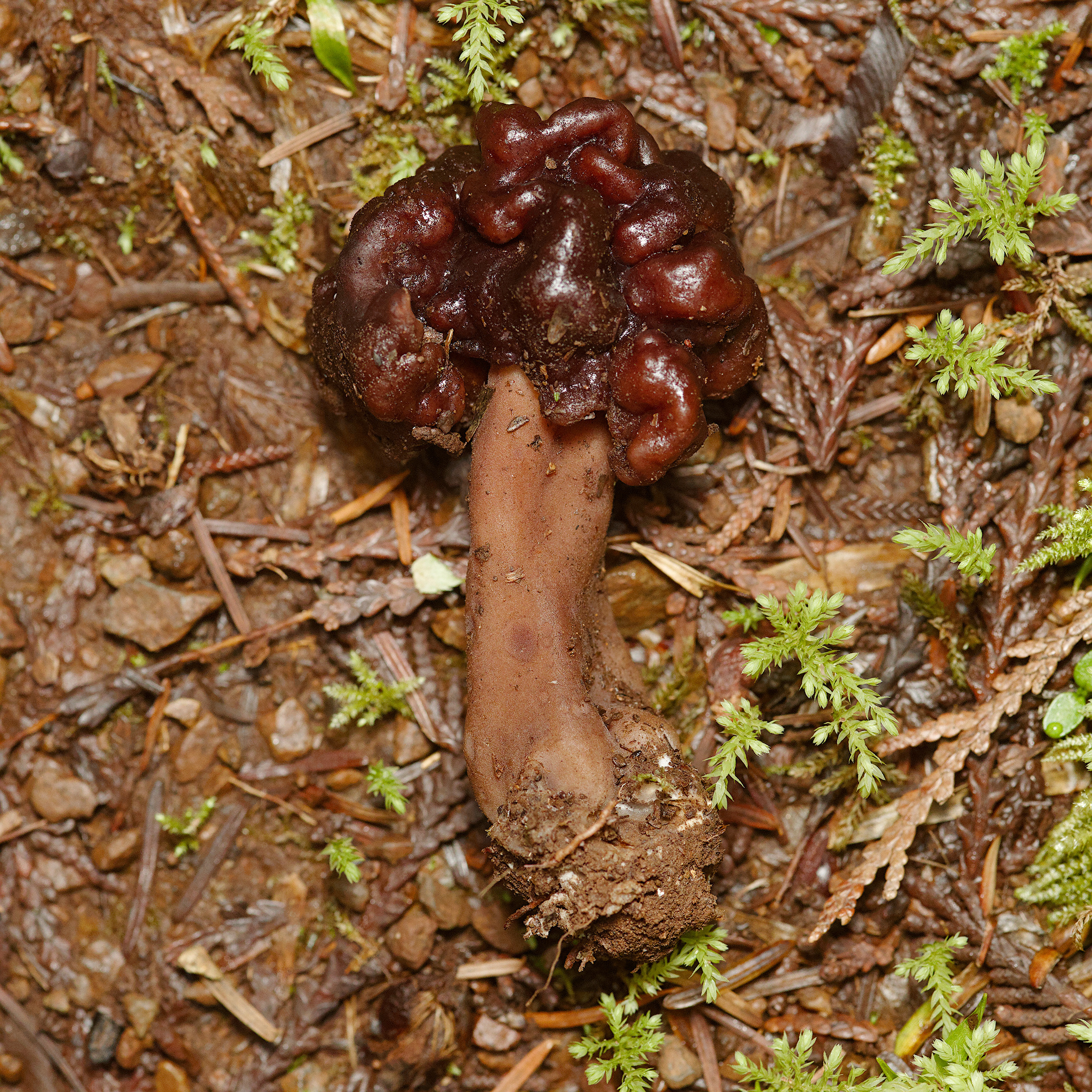
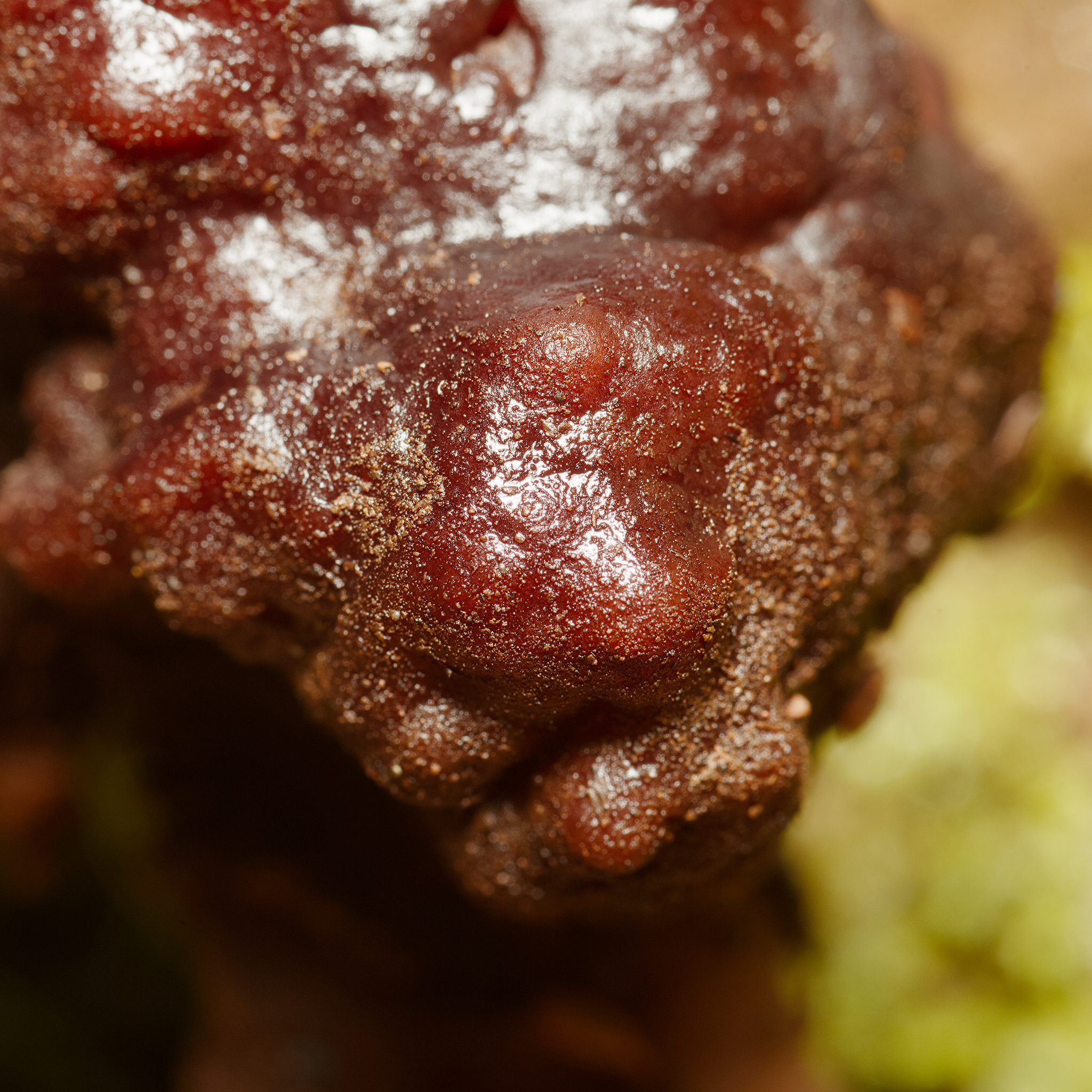
This Gyromitra sp. 'splendida-PNW01' collection (358079957), is either G. venenata or G. splendida. Based on my limited understanding of the difference between the two, I am leaning towards the former. G. esculenta clade at the very least, one of our local gyromitrin containing species.
Update: Sequencing has returned a result of Gyromitra sp. 'splendida-PNW01'. I believe this will be the same result as a June collection in CRLA, and should match any other collections we make in the group / clade in WA. We won't collect many more, but will instead focus on a few other members of the family we have yet to collect.
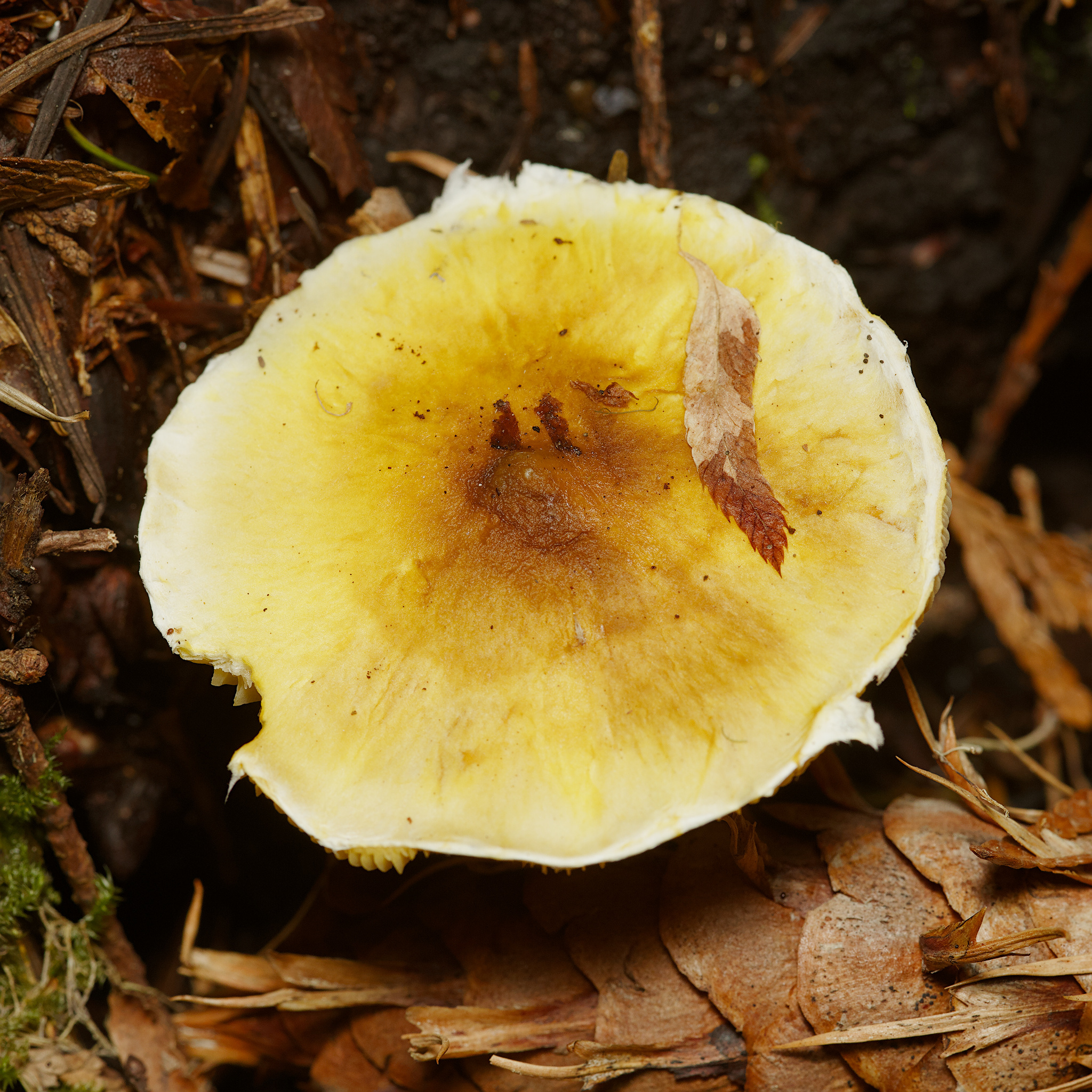
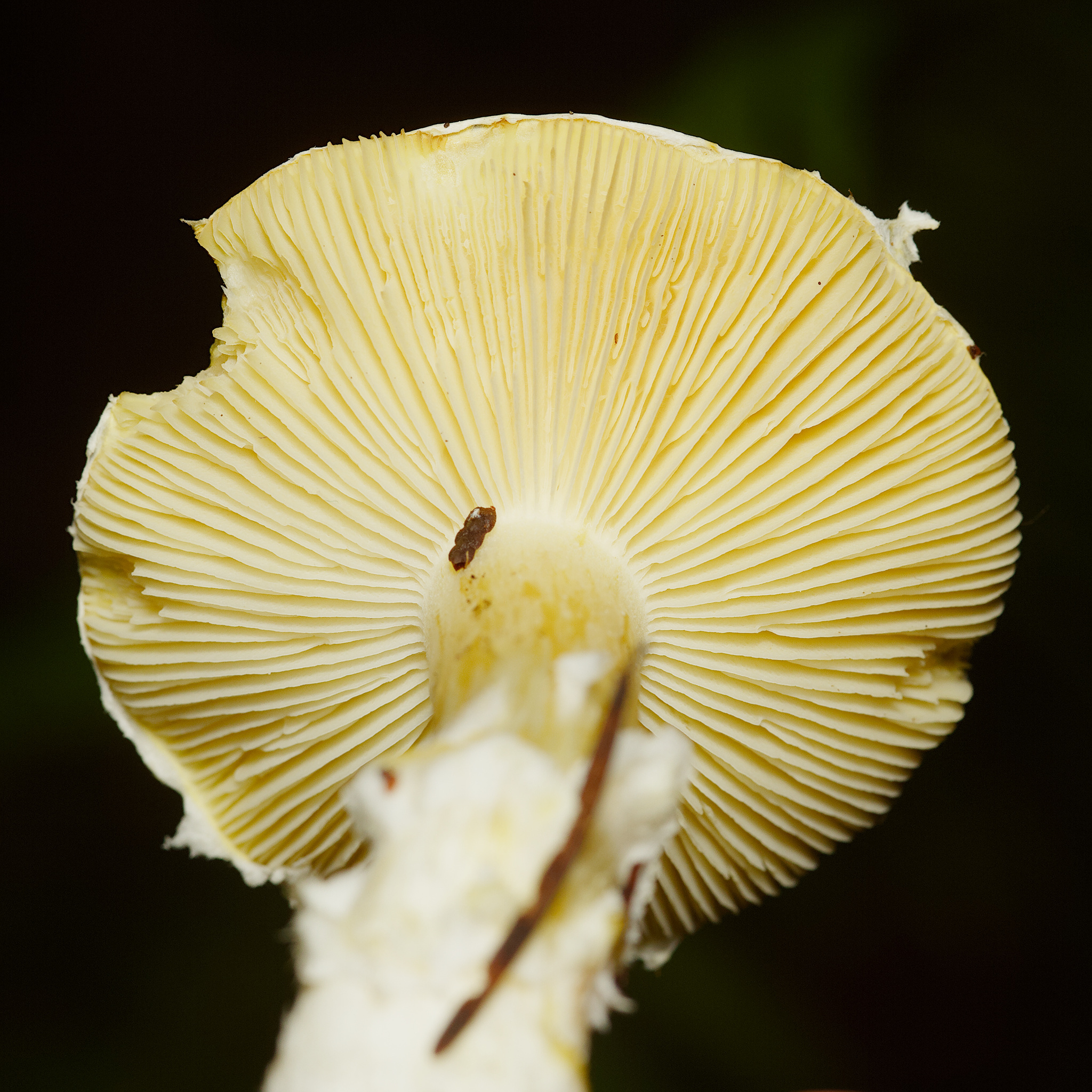
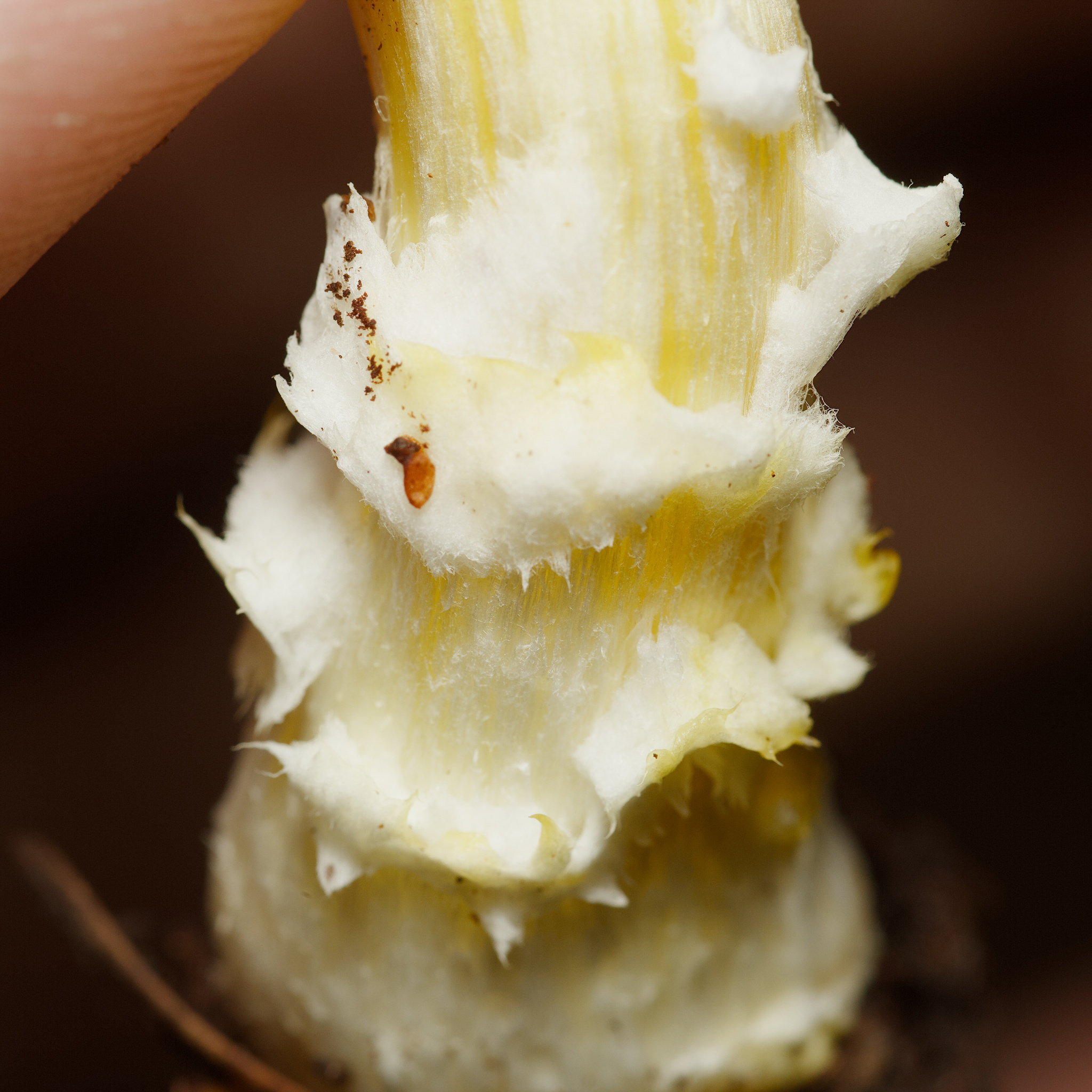
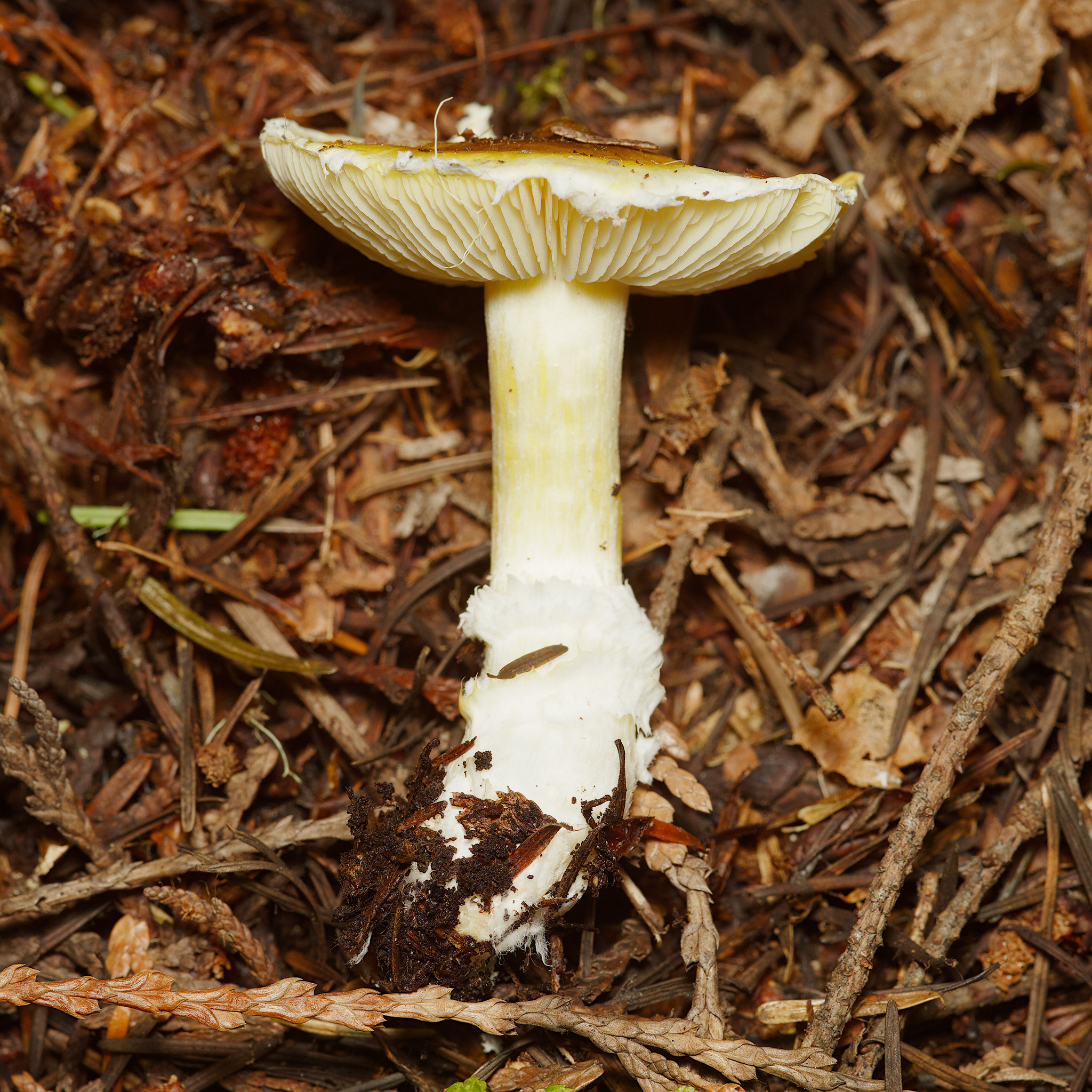
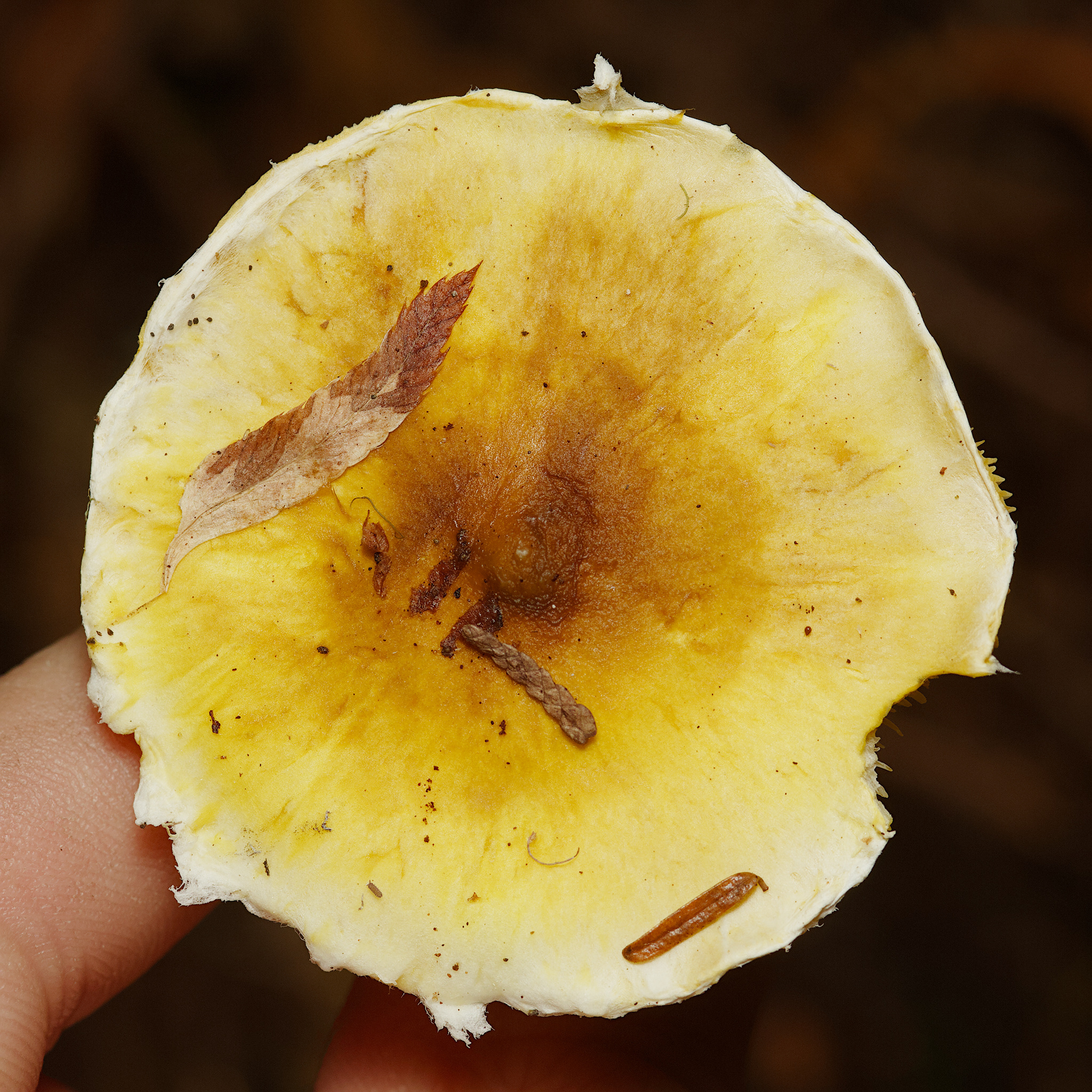
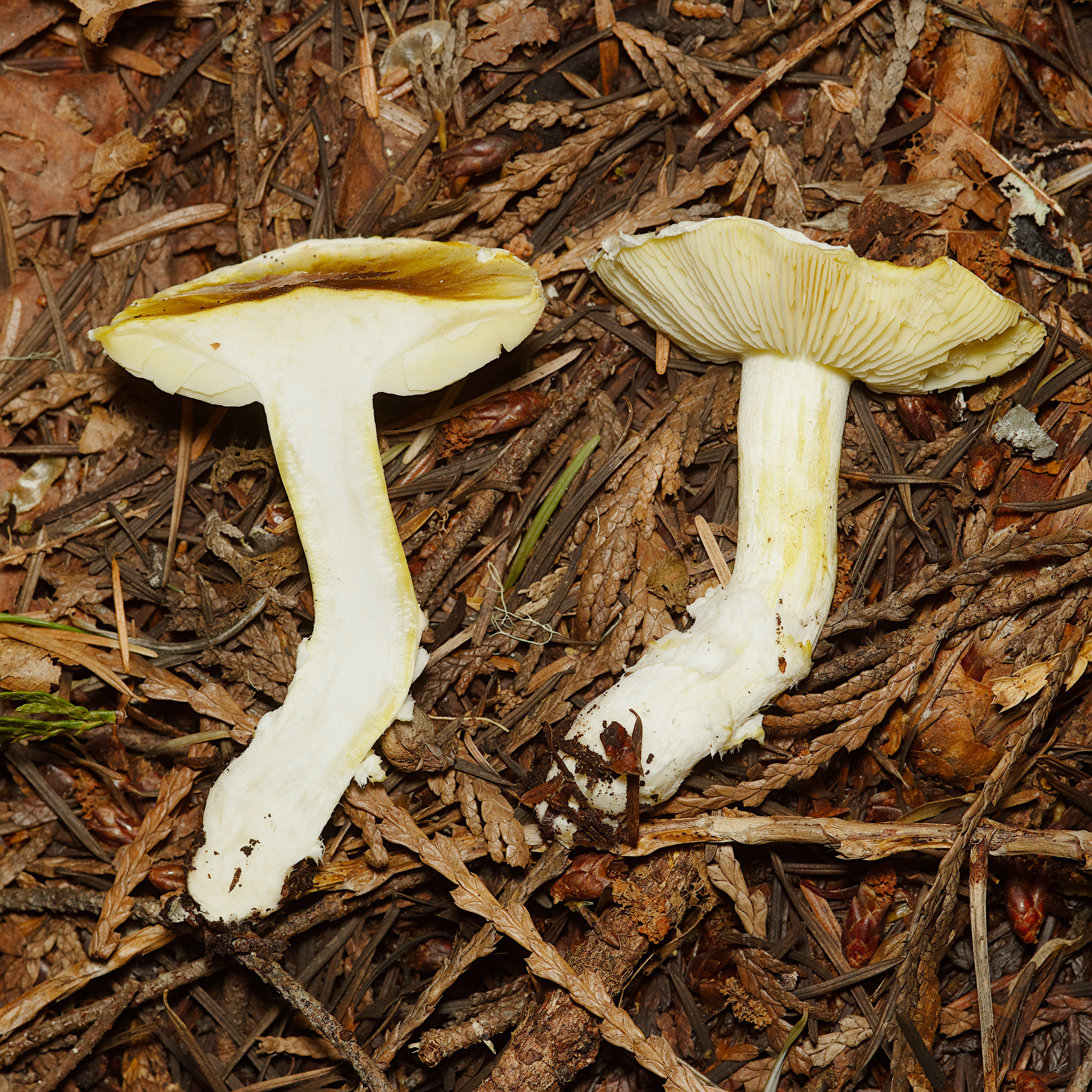
A fairly tricholomatoid, lepiotoid mushroom. This collection (358076962) appears to be Floccularia. We have one more known local species, F. albolanaripes, but I am unsure if that is what we have here. I don’t believe we have any other options for genus so I’m excited to see if this is an example of that species or not, seems likely at the moment. This collection was made solo by Brodie on the 8th, on the east side of the Elwha.
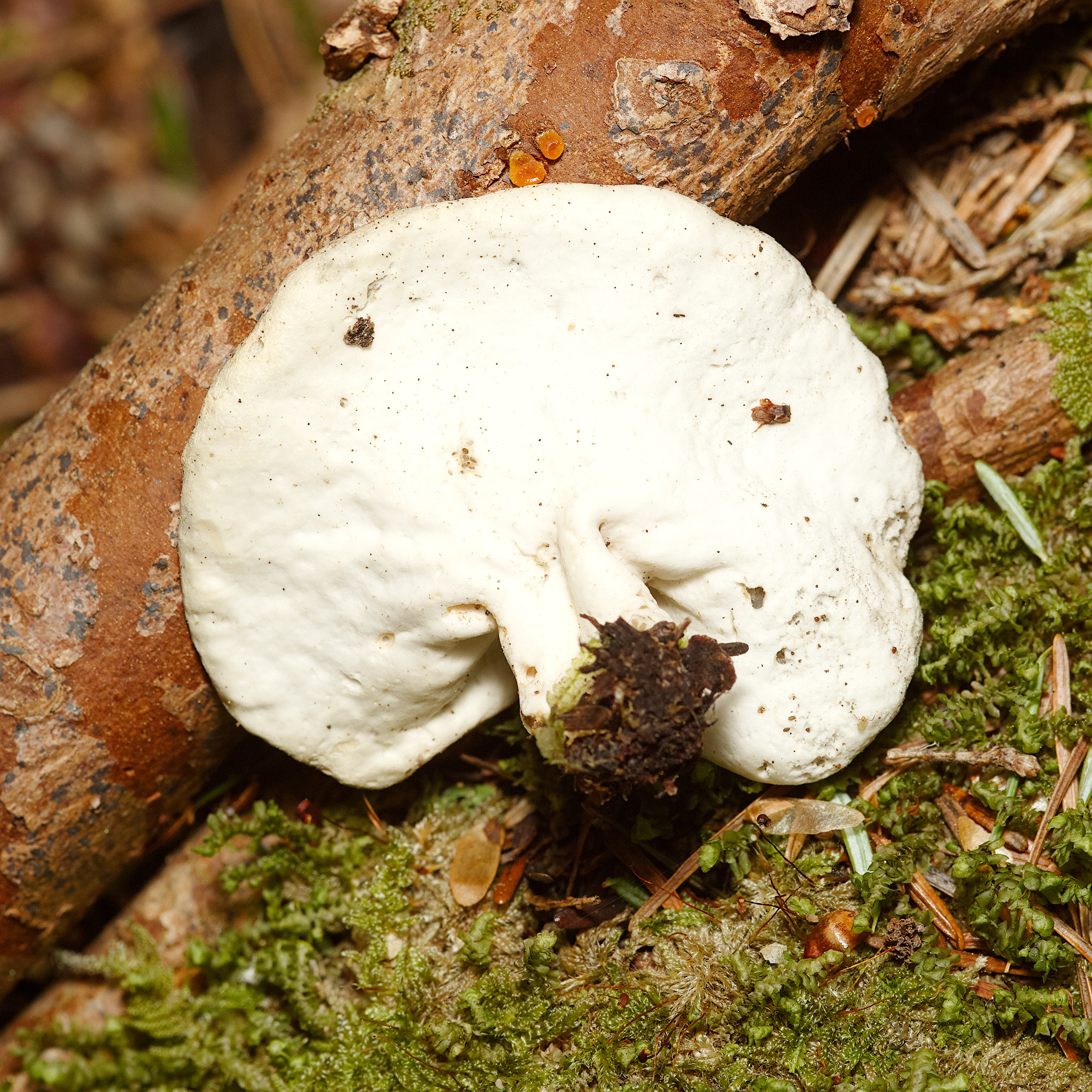
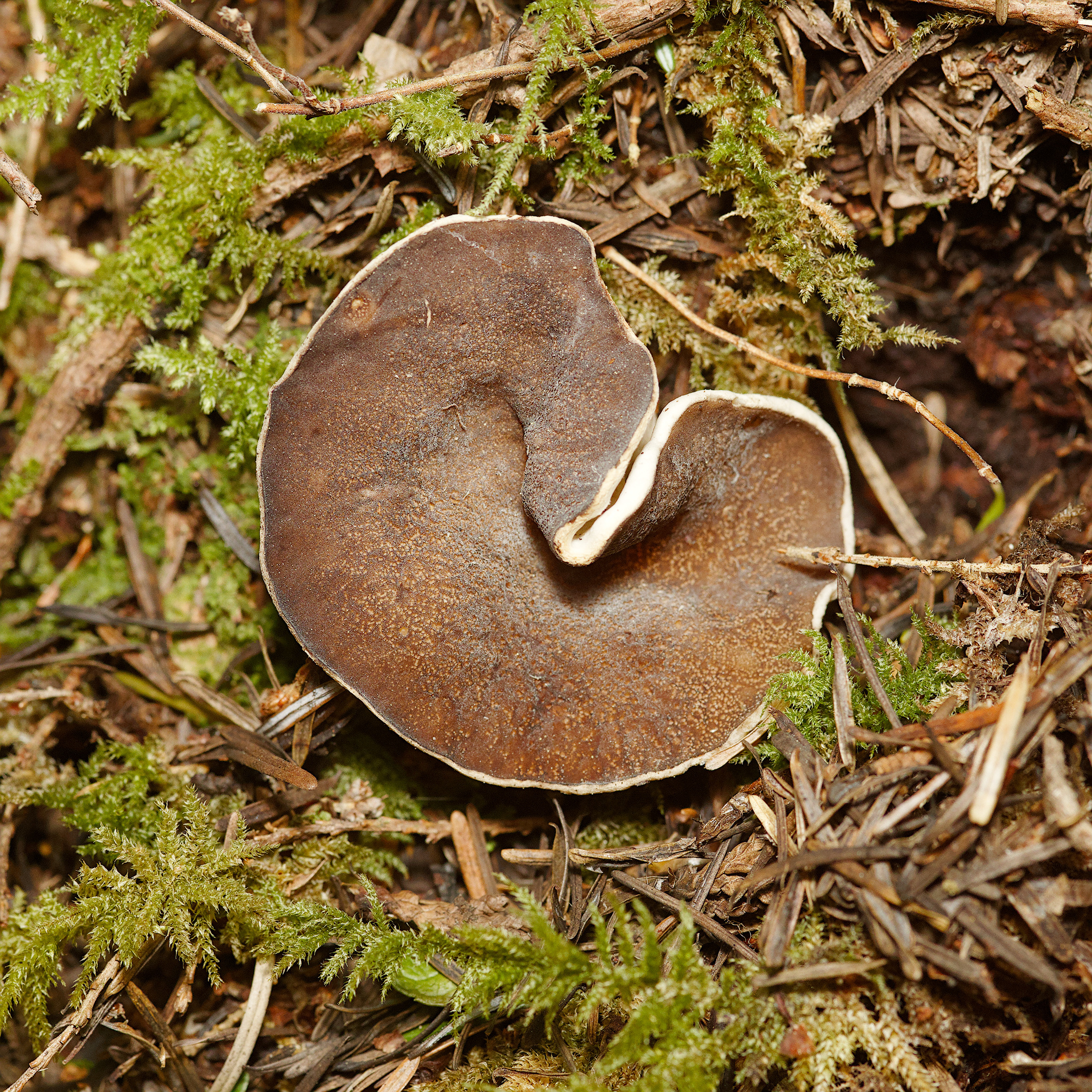
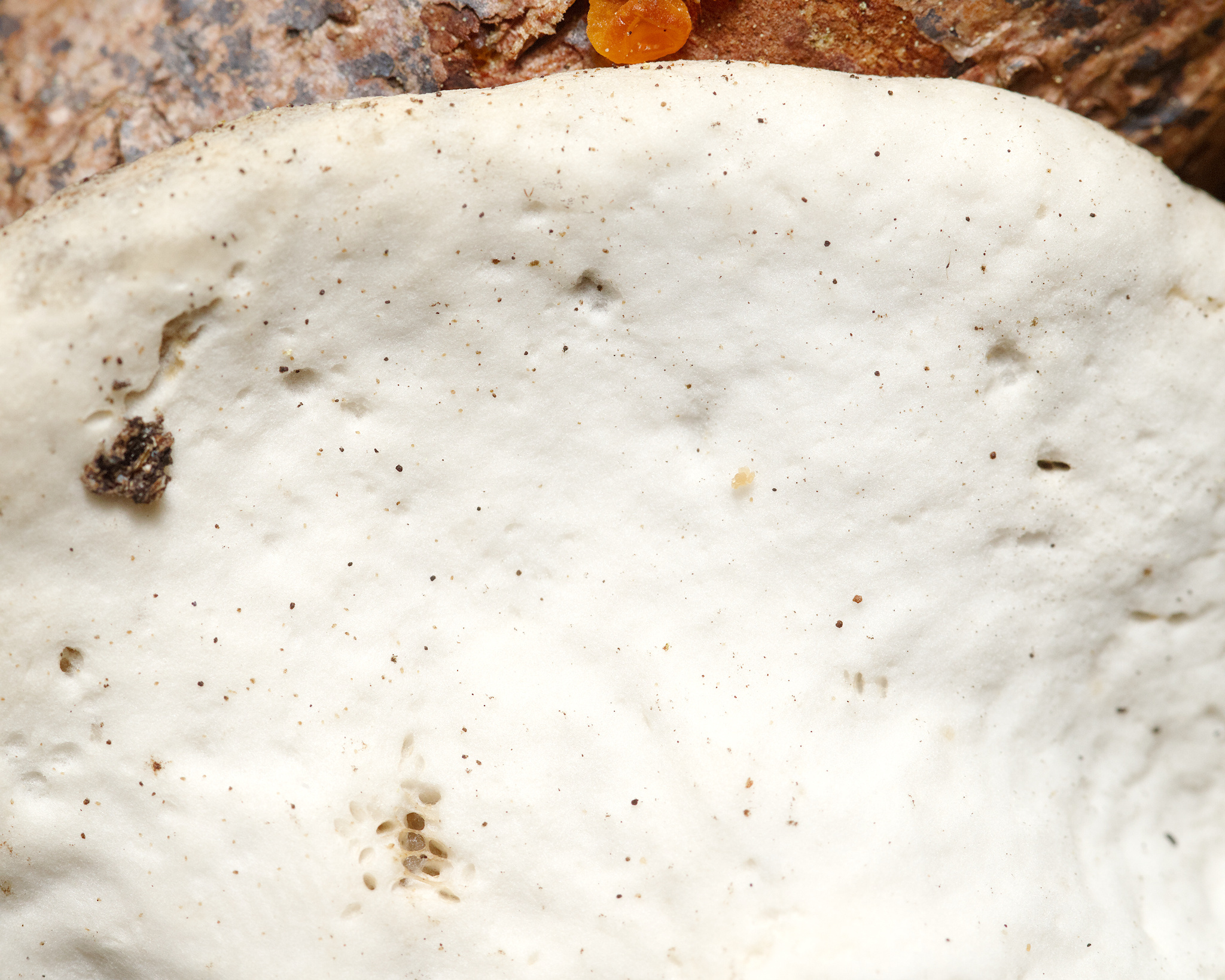
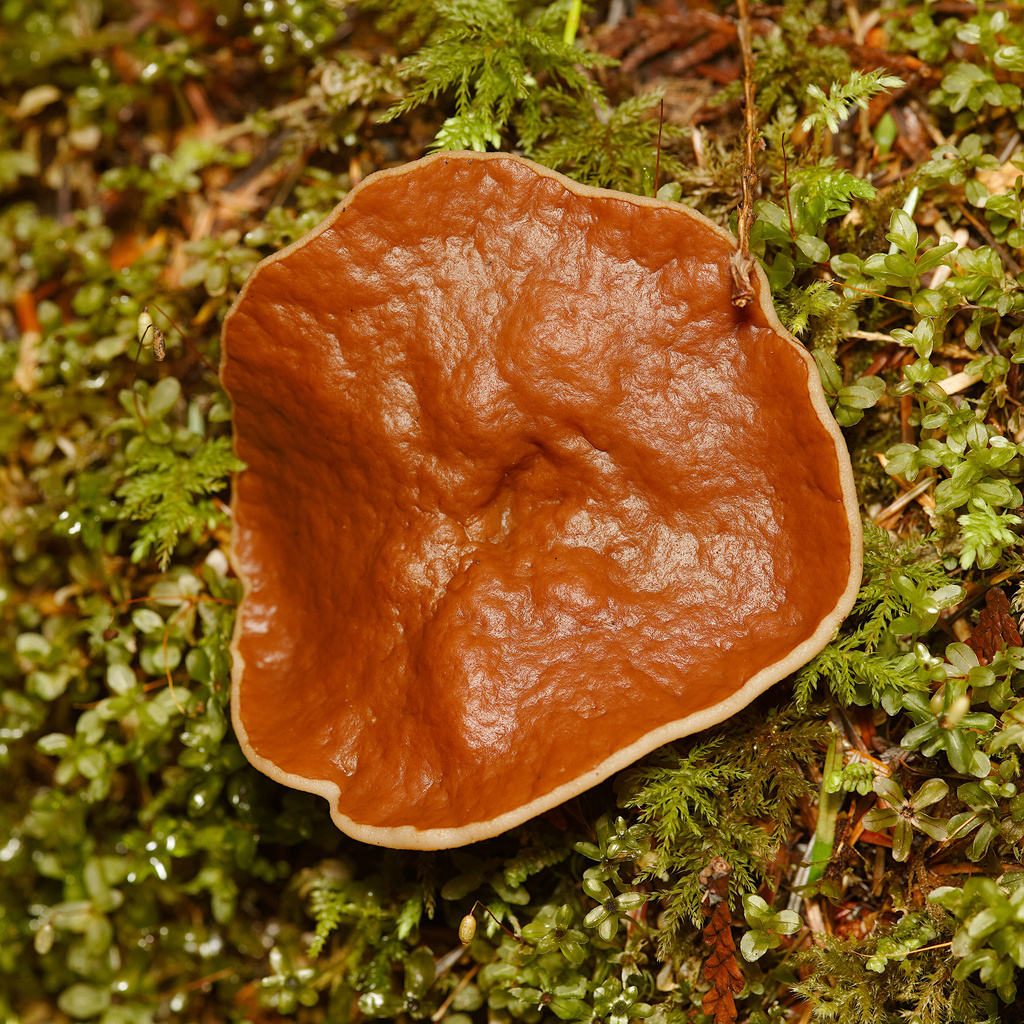
Perhaps another example of a flat Discinaceae, this collection (351054265) has some interesting textures. In the field I briefly assumed that it might be one of the cup-like Helvella, but looking at textures and structure and shape some more, gives me confidence that this may be a different member of the family. Age is likely still playing a role in some of the color and texture here.
Update: Sequencing has returned a result of Pseudodiscina melaleucoides. We were able to assess this as a likely answer before sequencing came back! Very cool. We now have a few collections of this fascinating species, young and here, old.
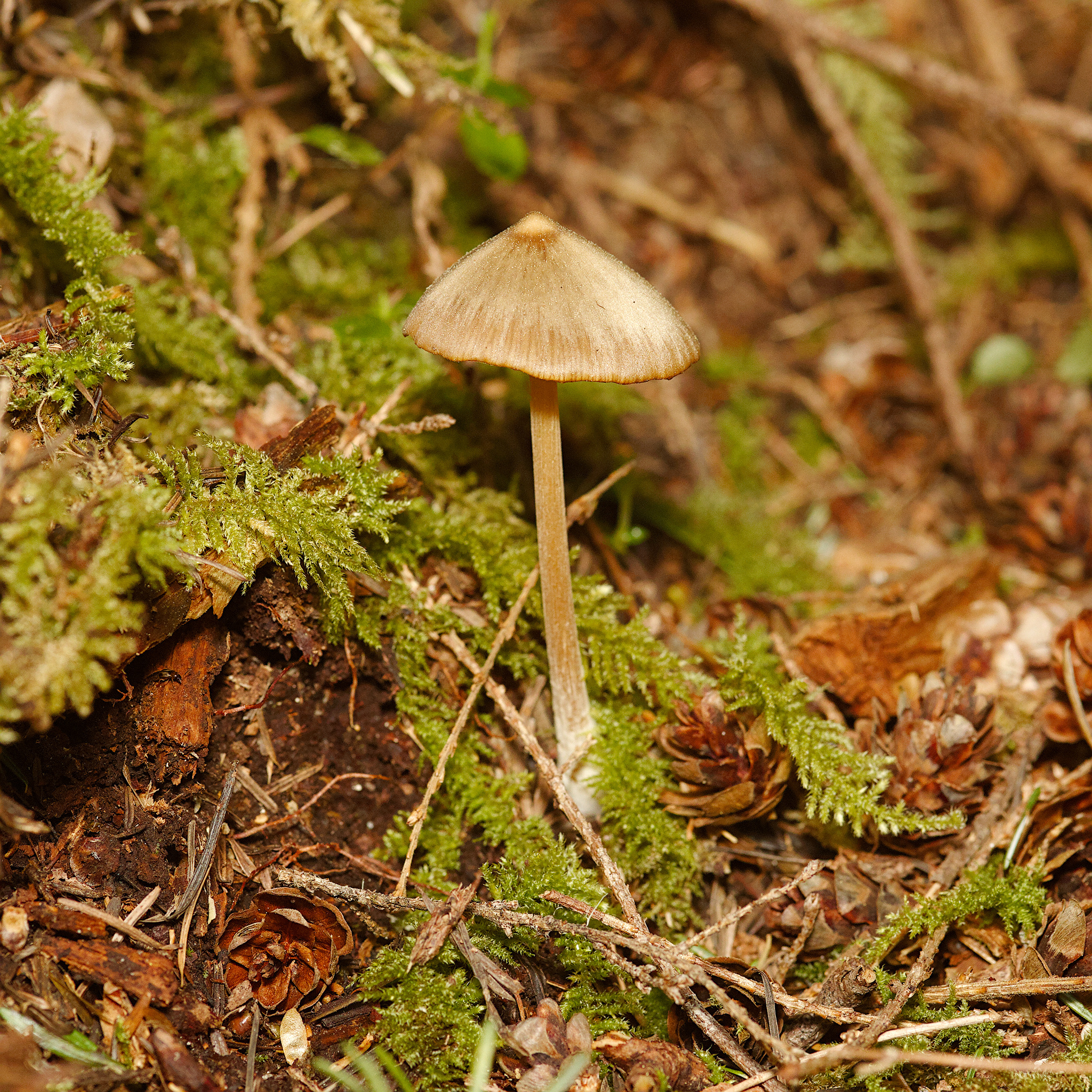
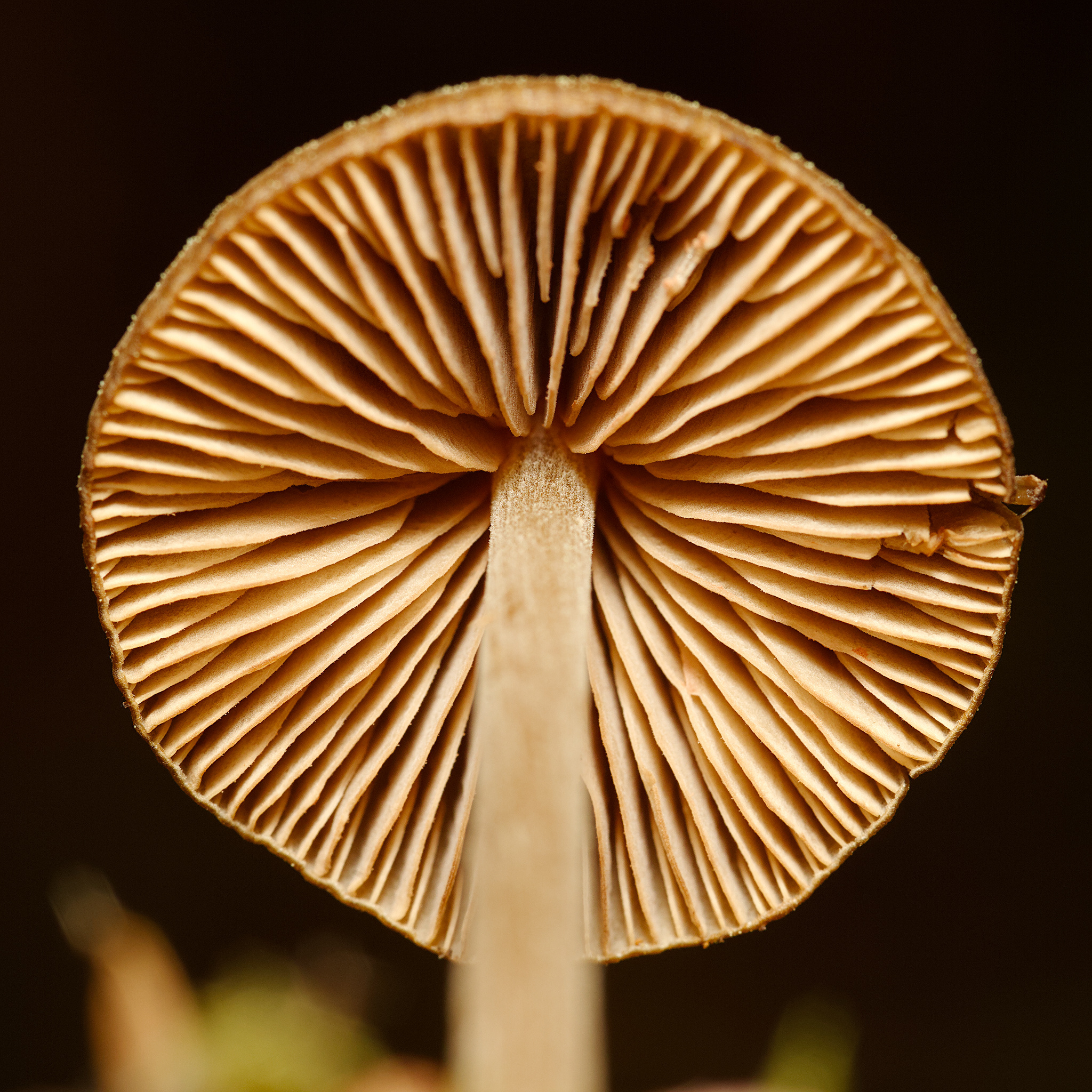
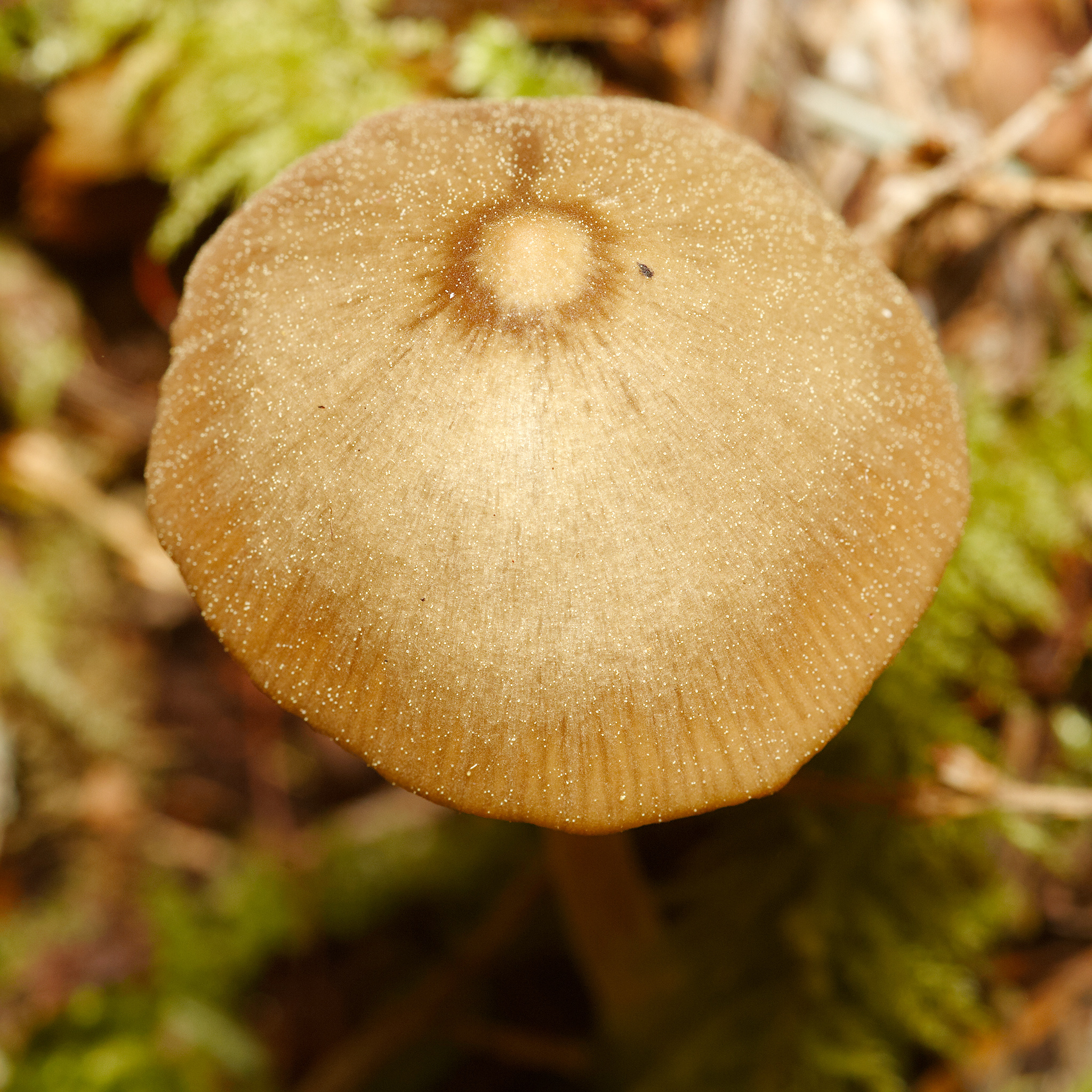
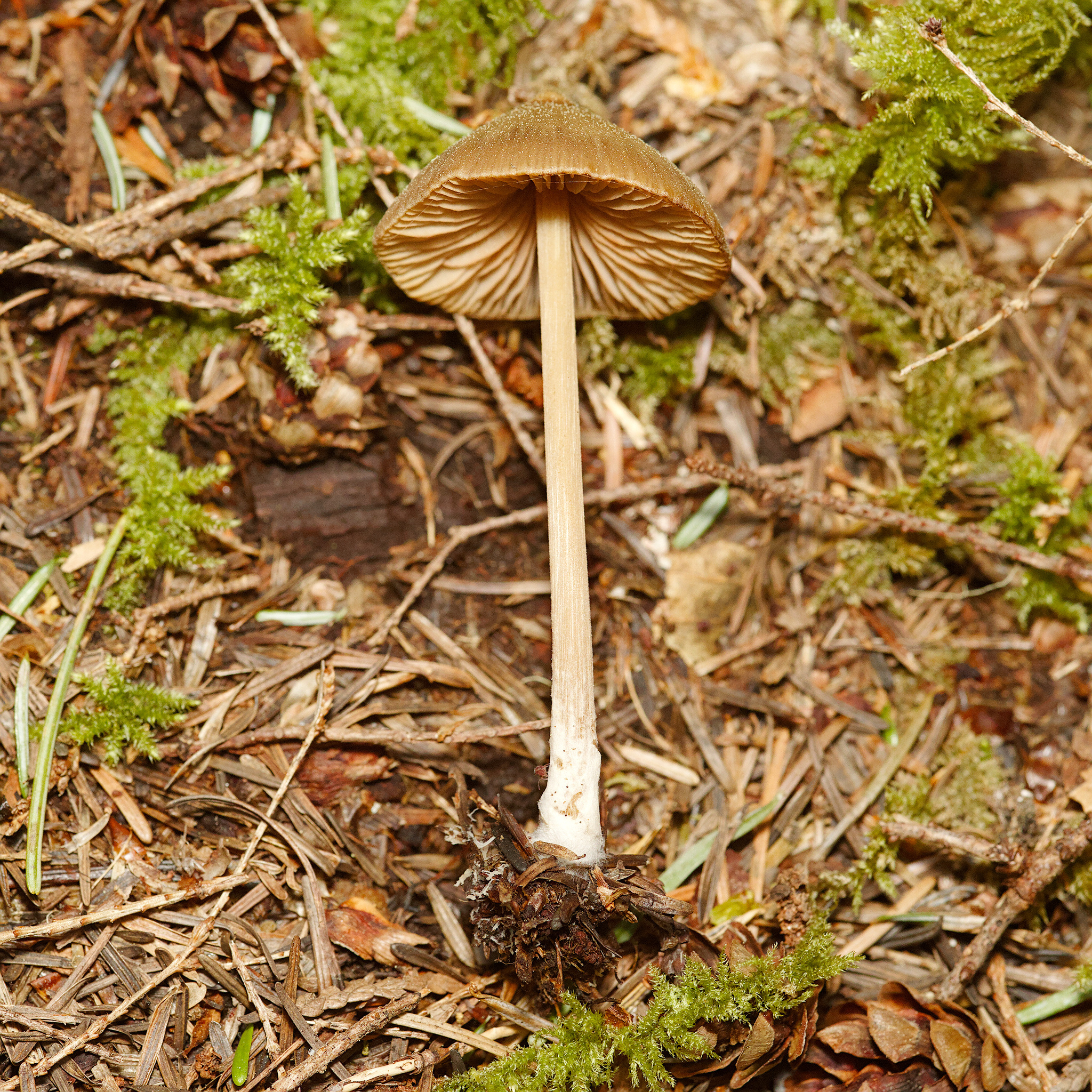
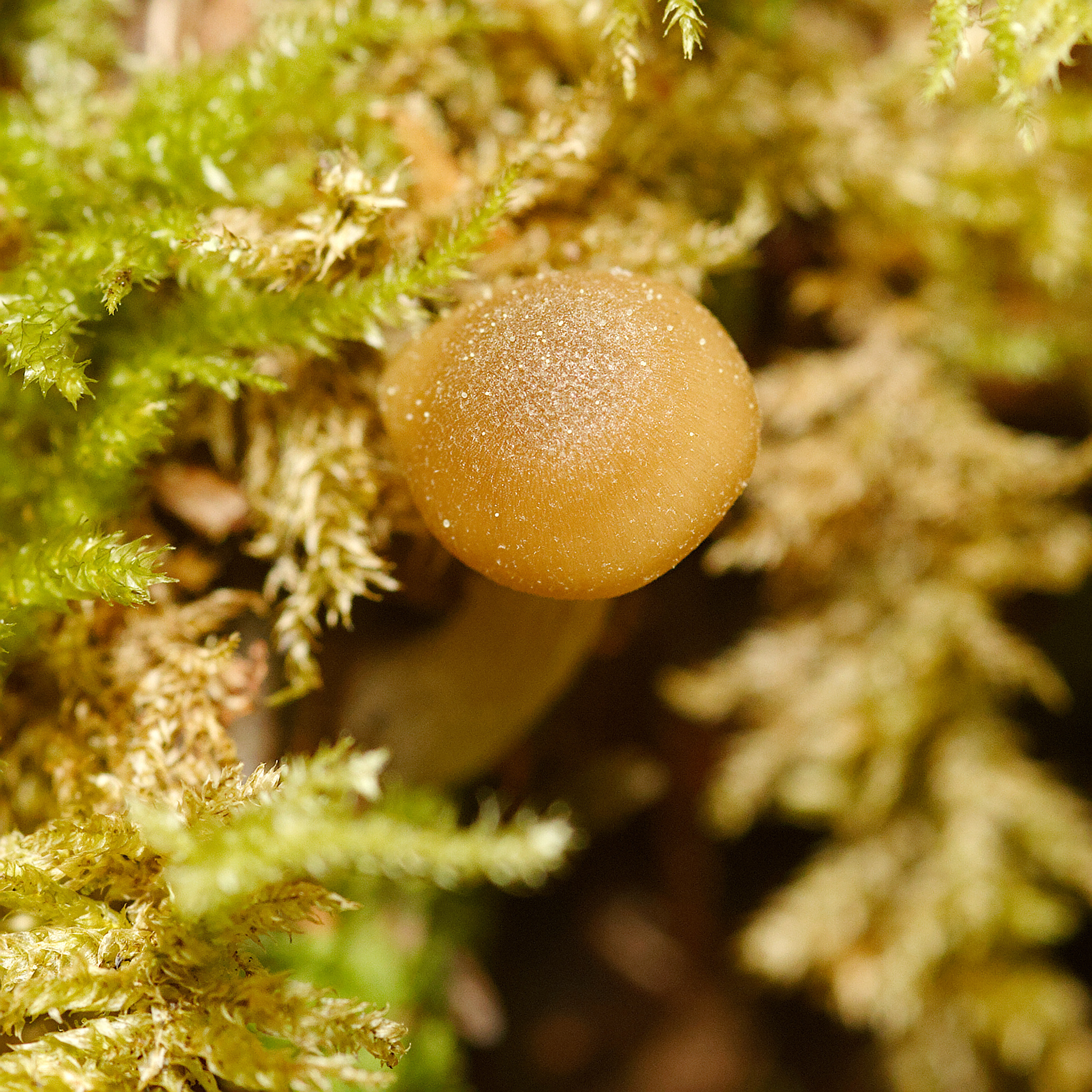
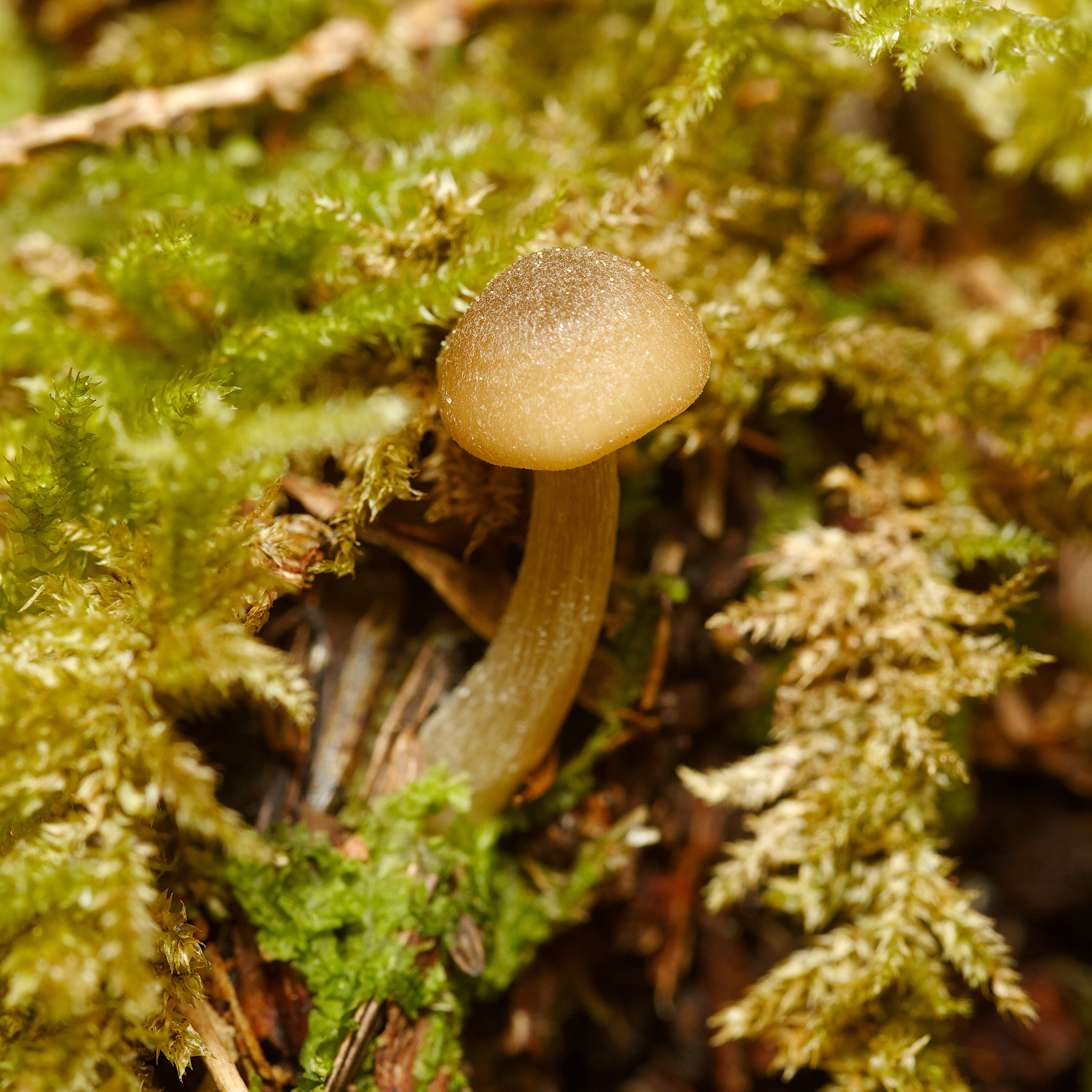
Another spring Nolanea, this collection (351054267), may represent an older example of the previously shown Nolanea species. While I think that may be likely, considering a slightly more conical, slightly less pruinose species, might be fair.
Update: Sequencing has returned a result of Entoloma holoconiotum.
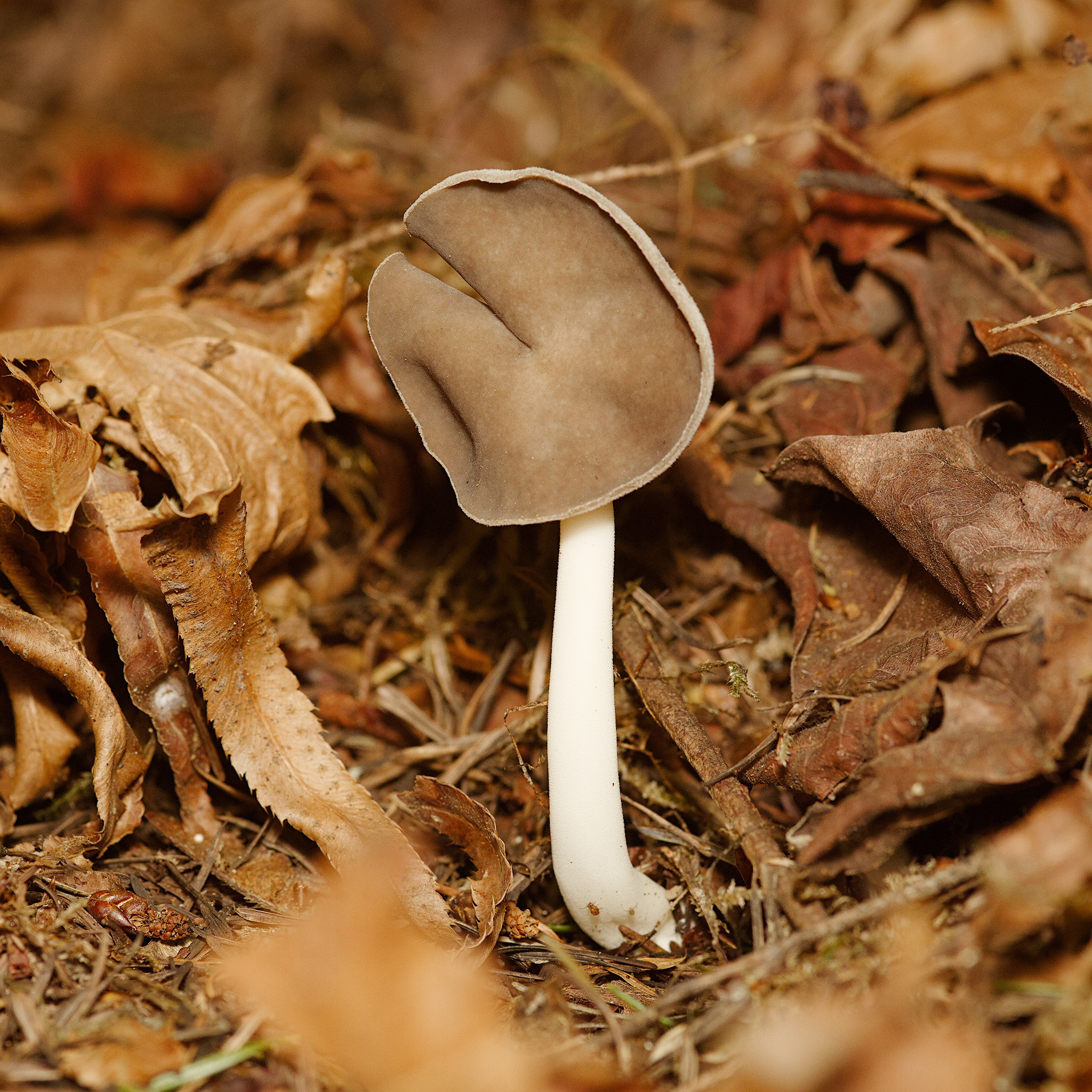
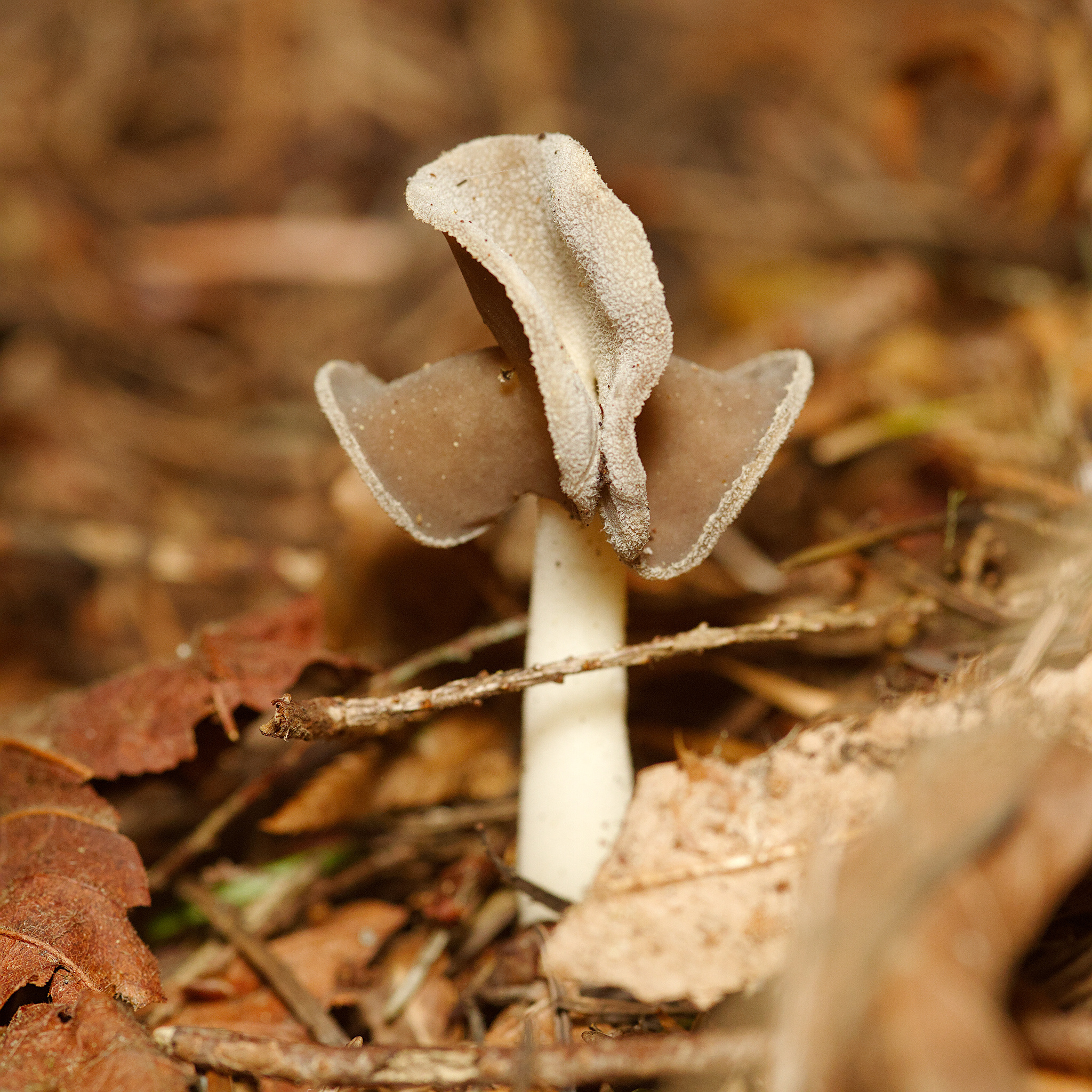
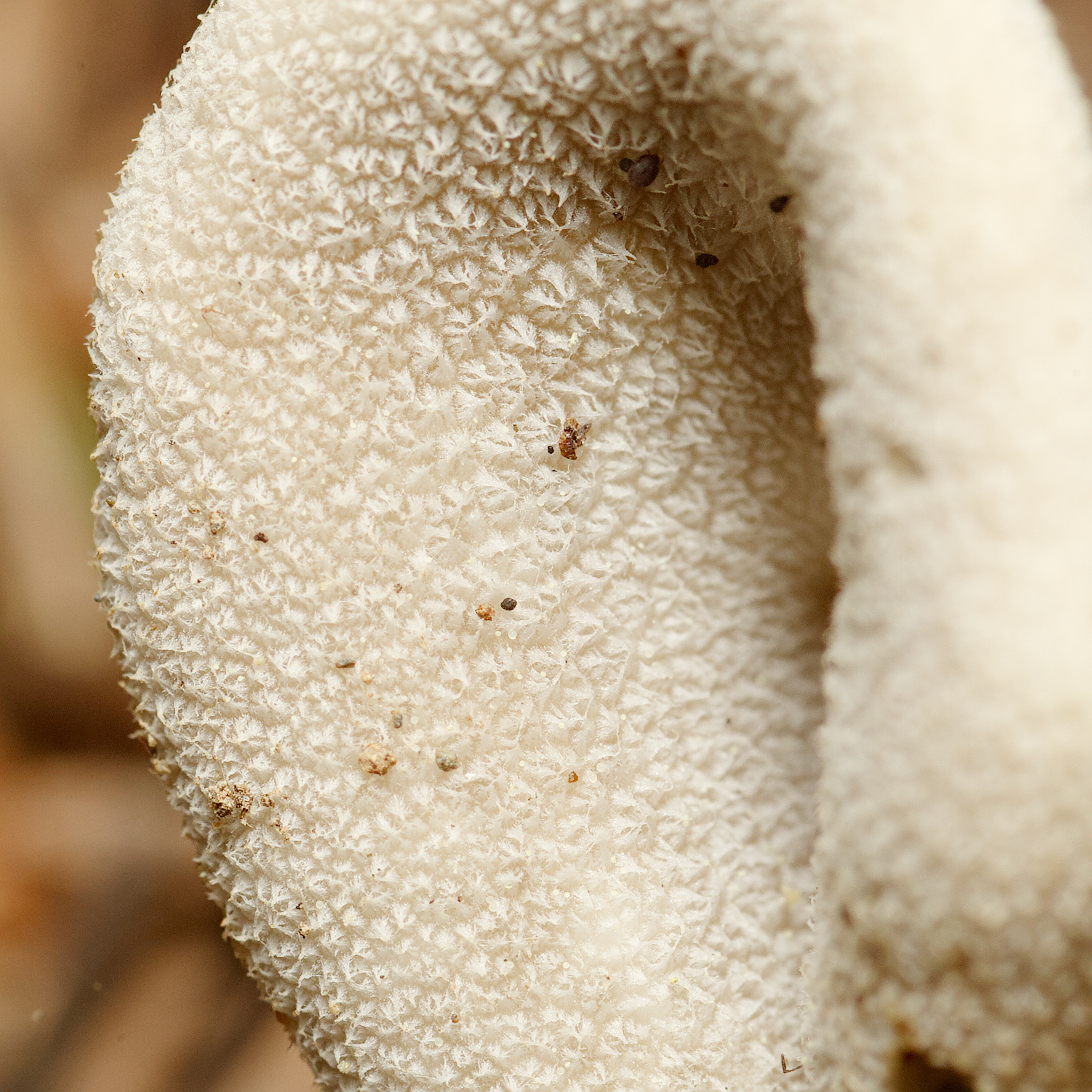
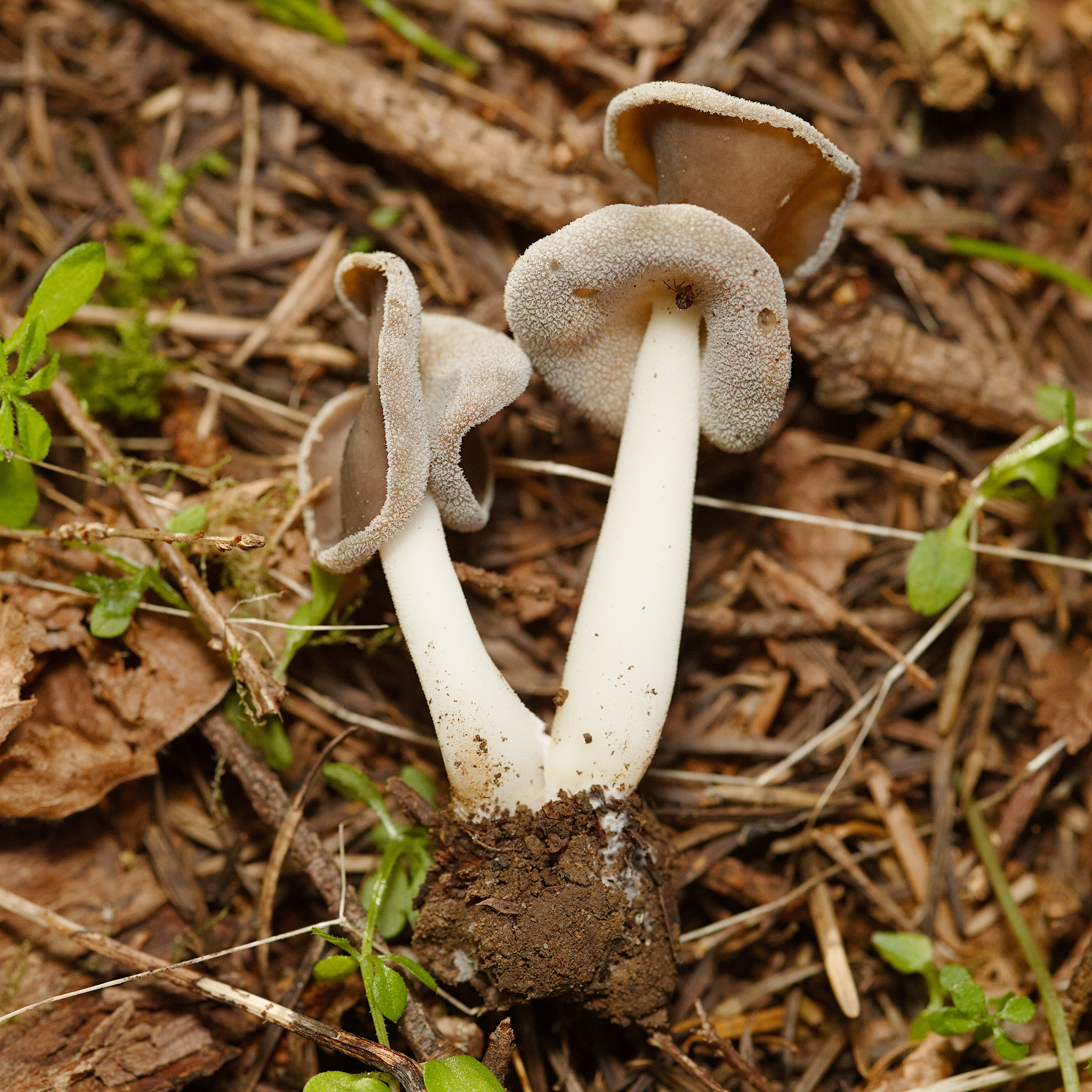
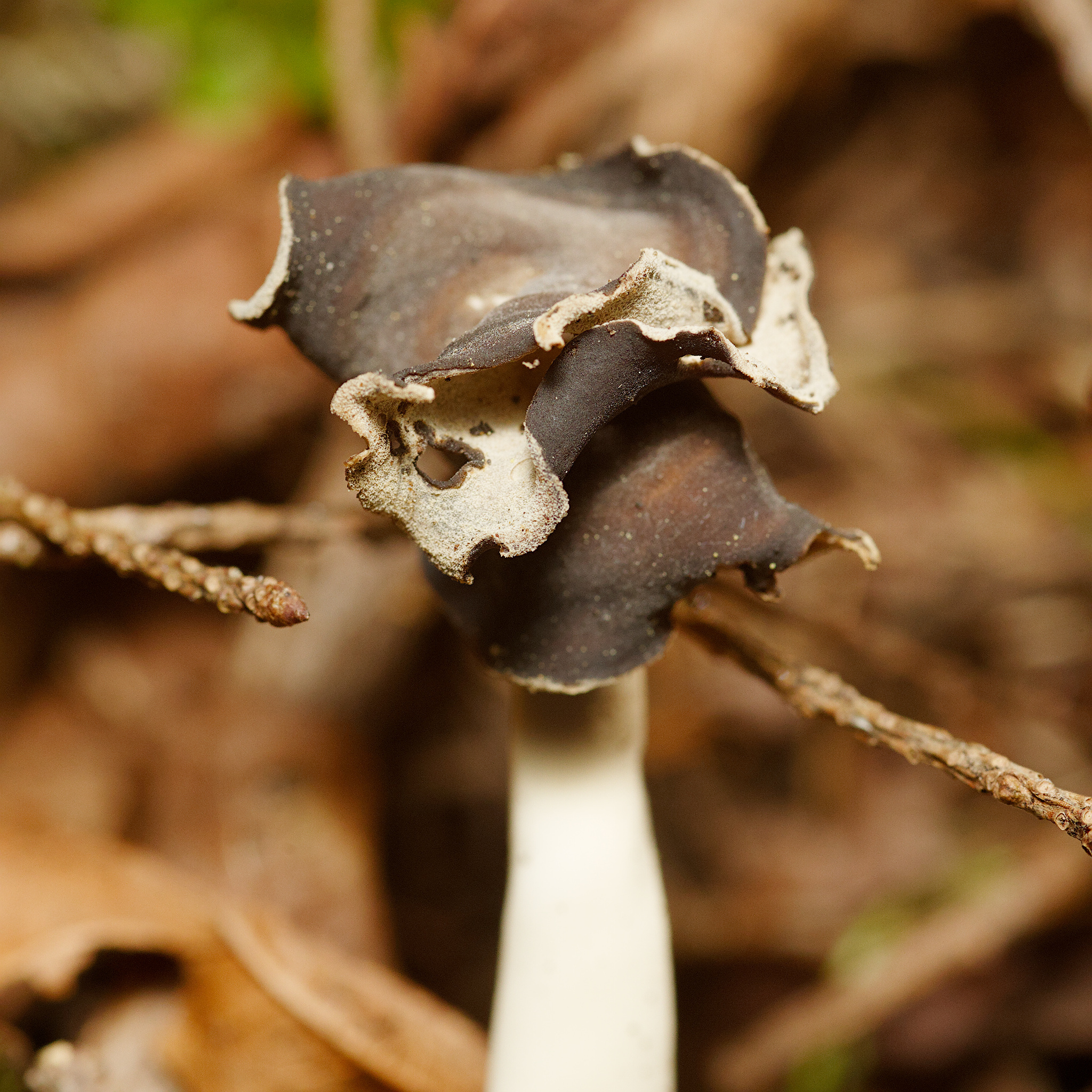
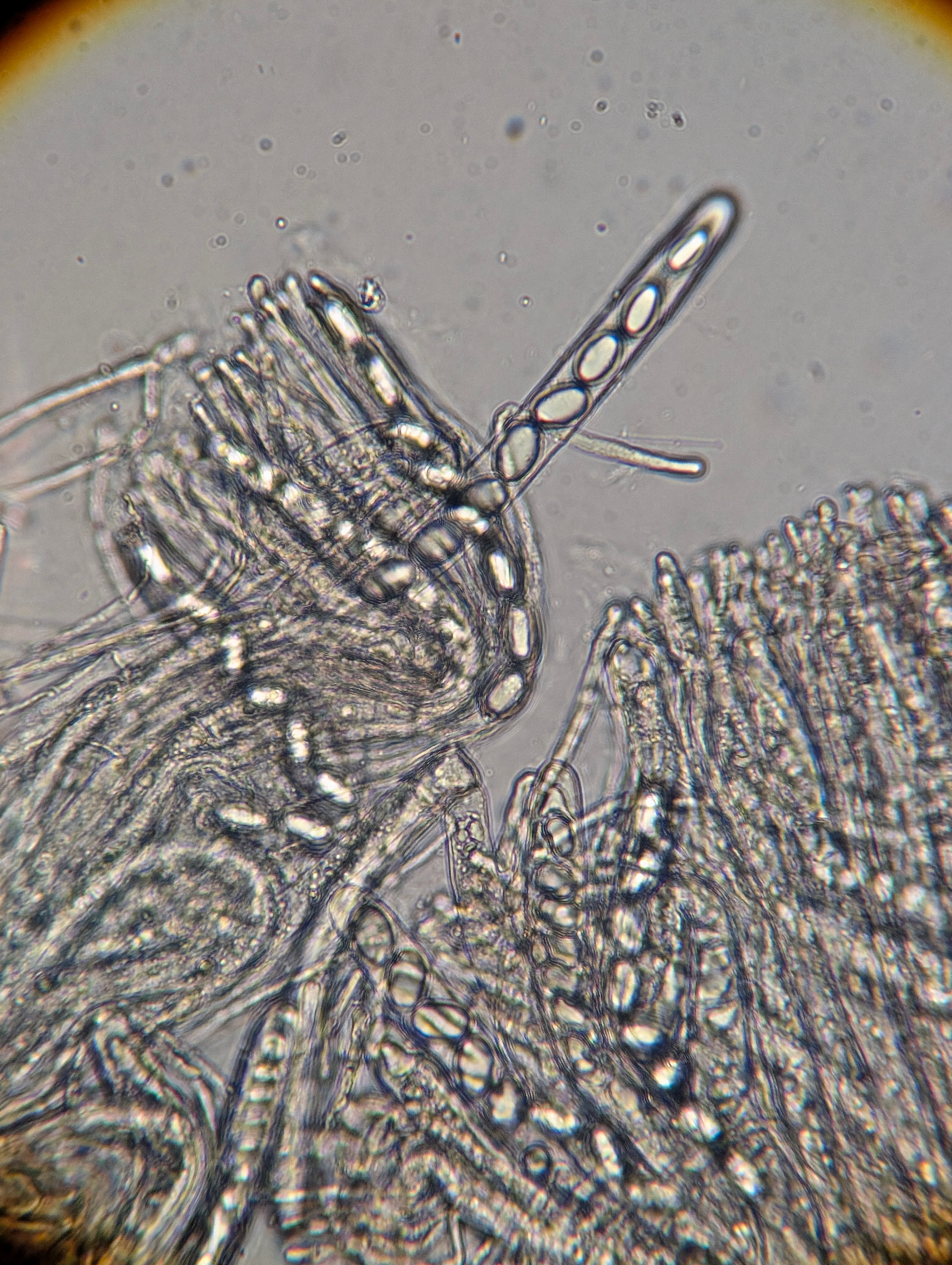
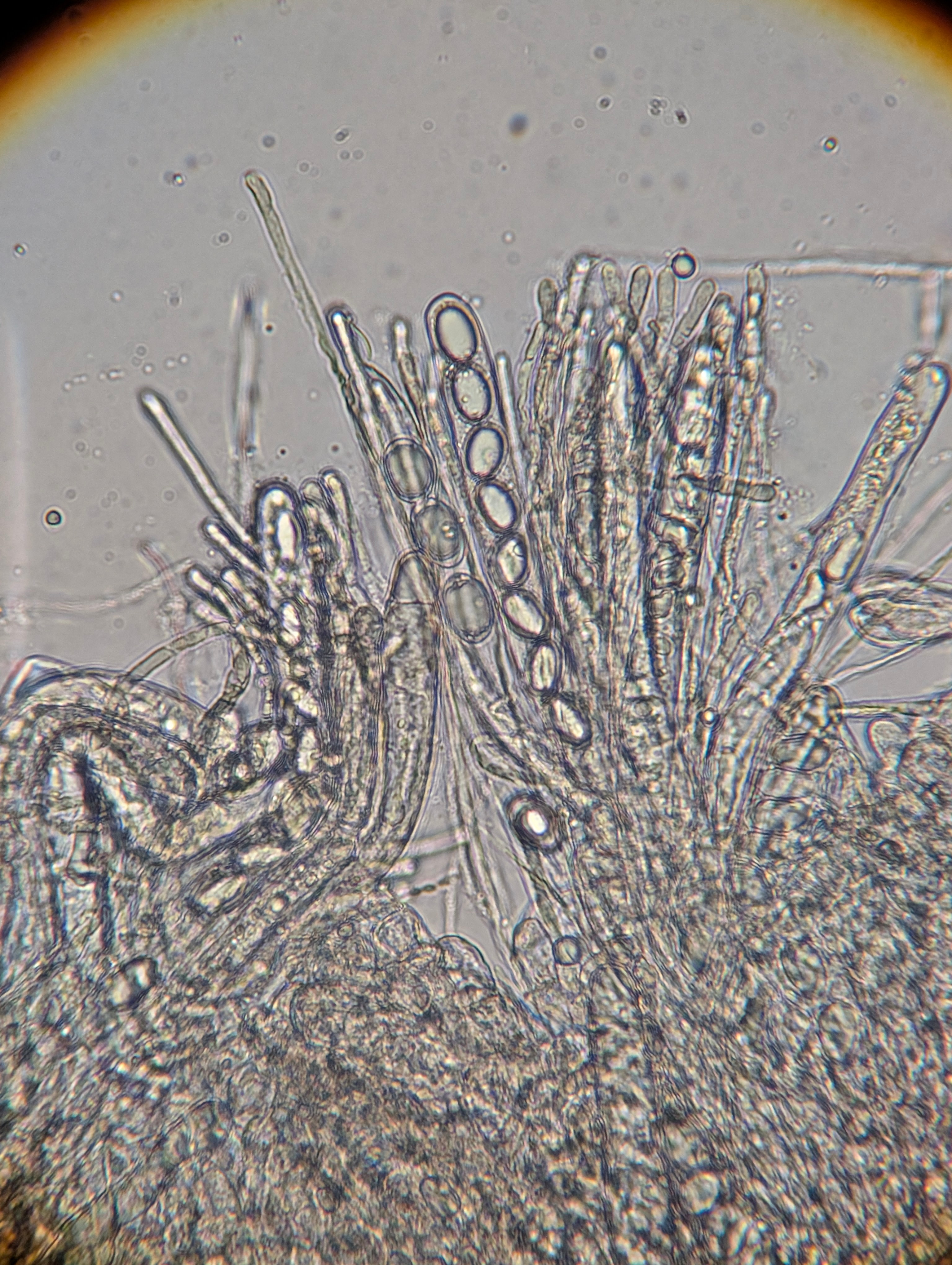
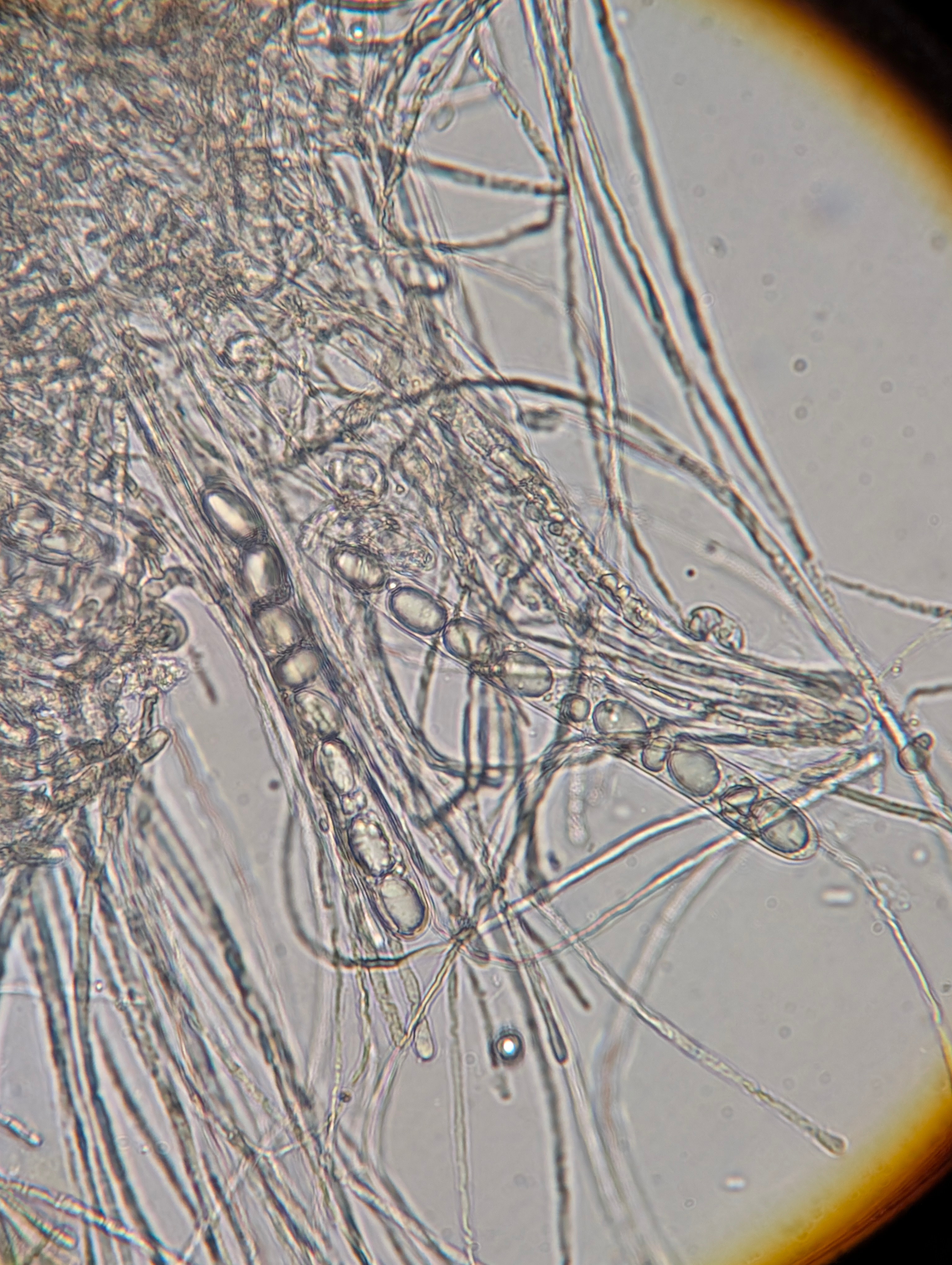
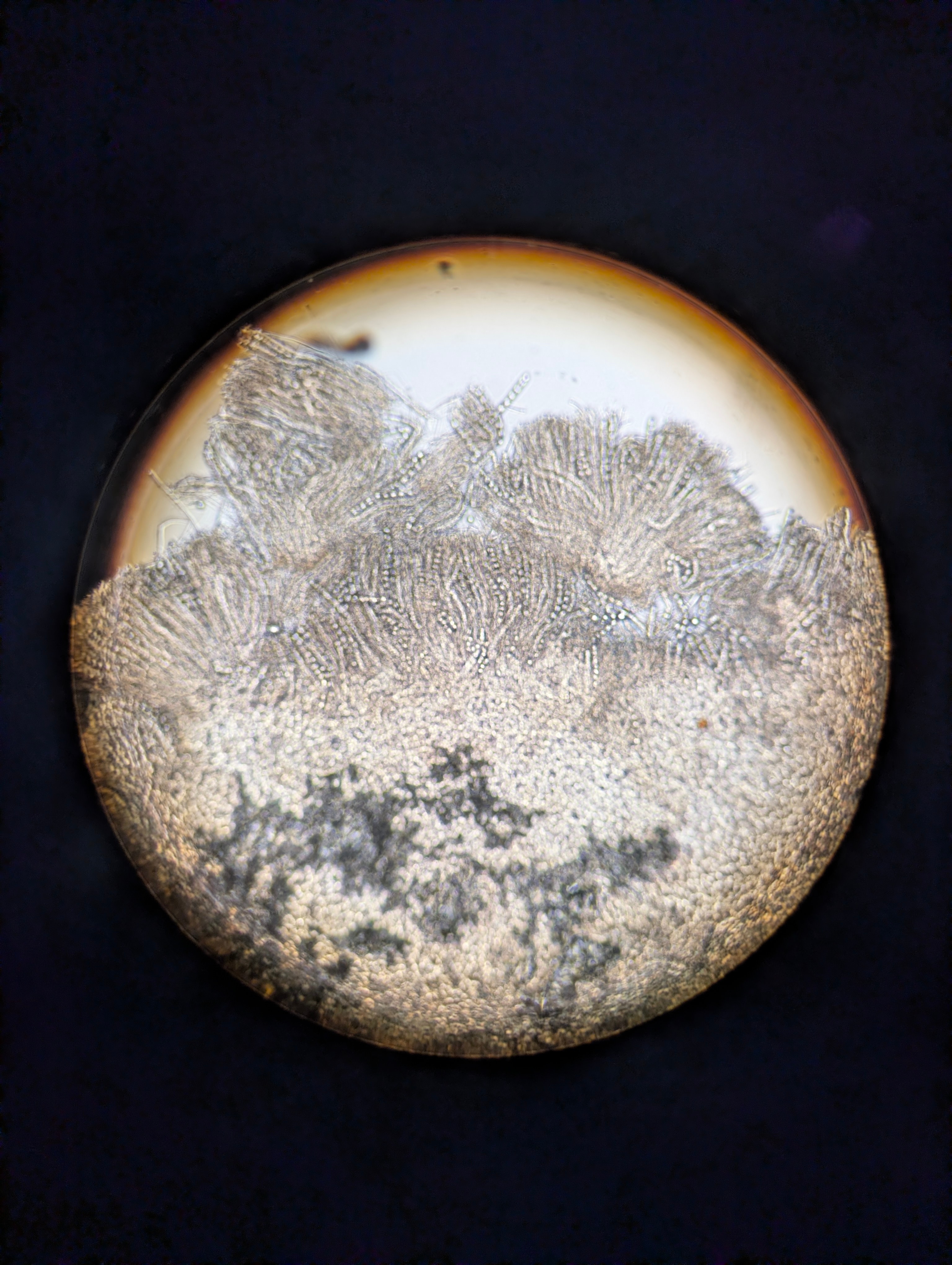
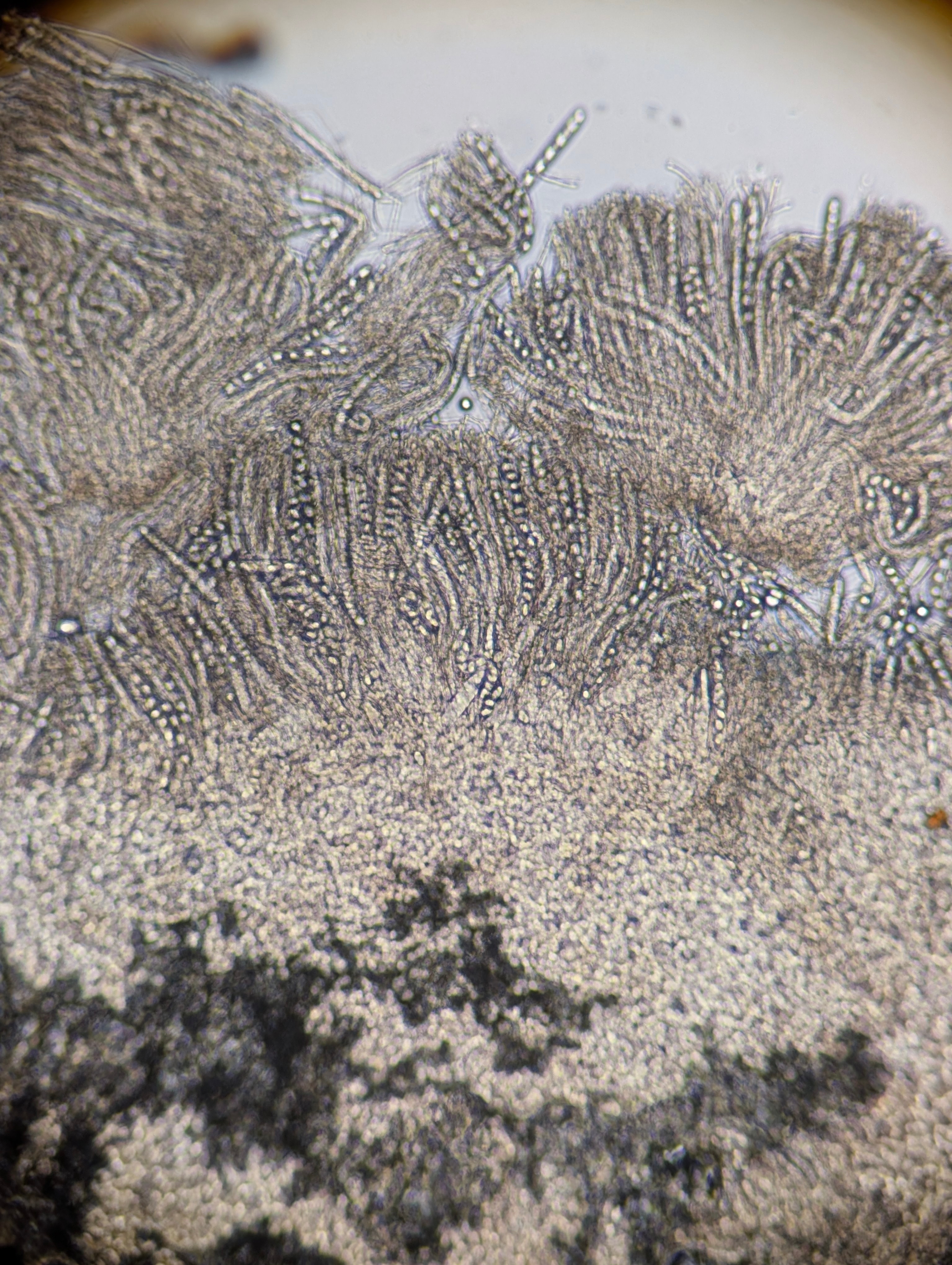
The next collection (351054281) was from a gorgeous patch of Helvella. This collection I would be more certain leans towards H. compressa. I am open to being surprised but the pubescent hymenium here kinda seals the deal for me, based on the description and examples of this species. I always love the shapes and textures of this genus regardless. This collection was also found in relatively close proximity to water, with the rushing Elwha nearby.
Update: Sequencing has returned a result of Helvella sp. 'CA12'. Again, this code is now confirmed to be H. compressa per latest updates from Danny and others. Some microscopy added here.
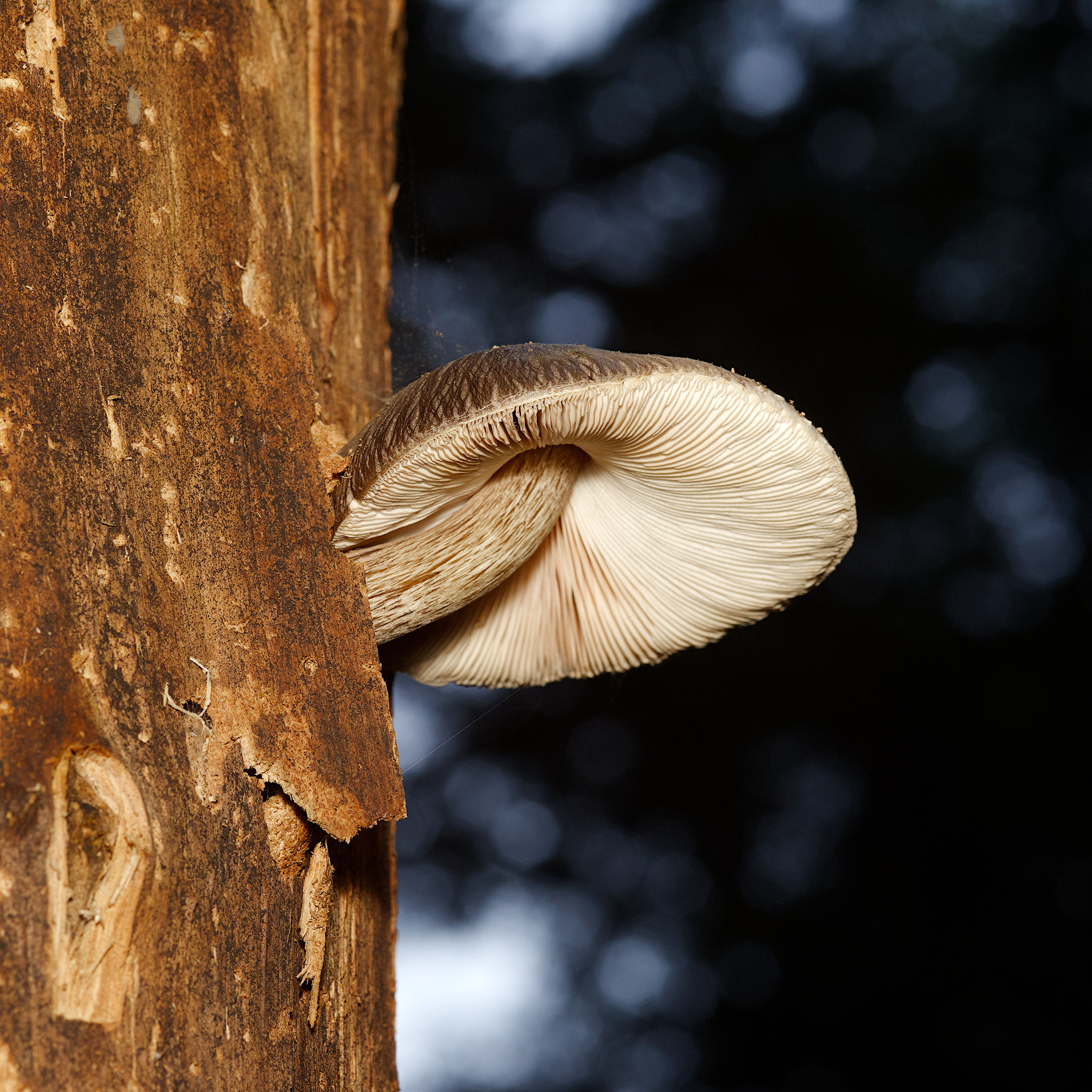
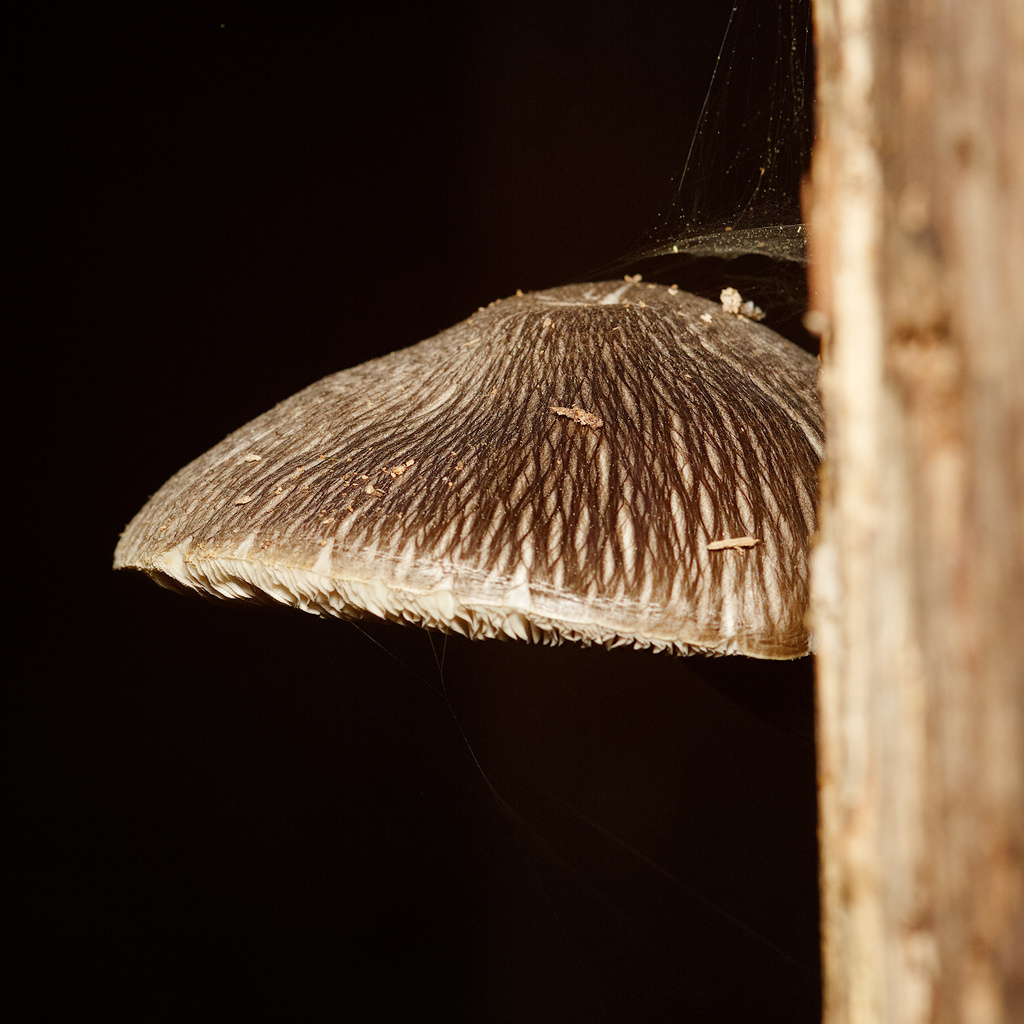
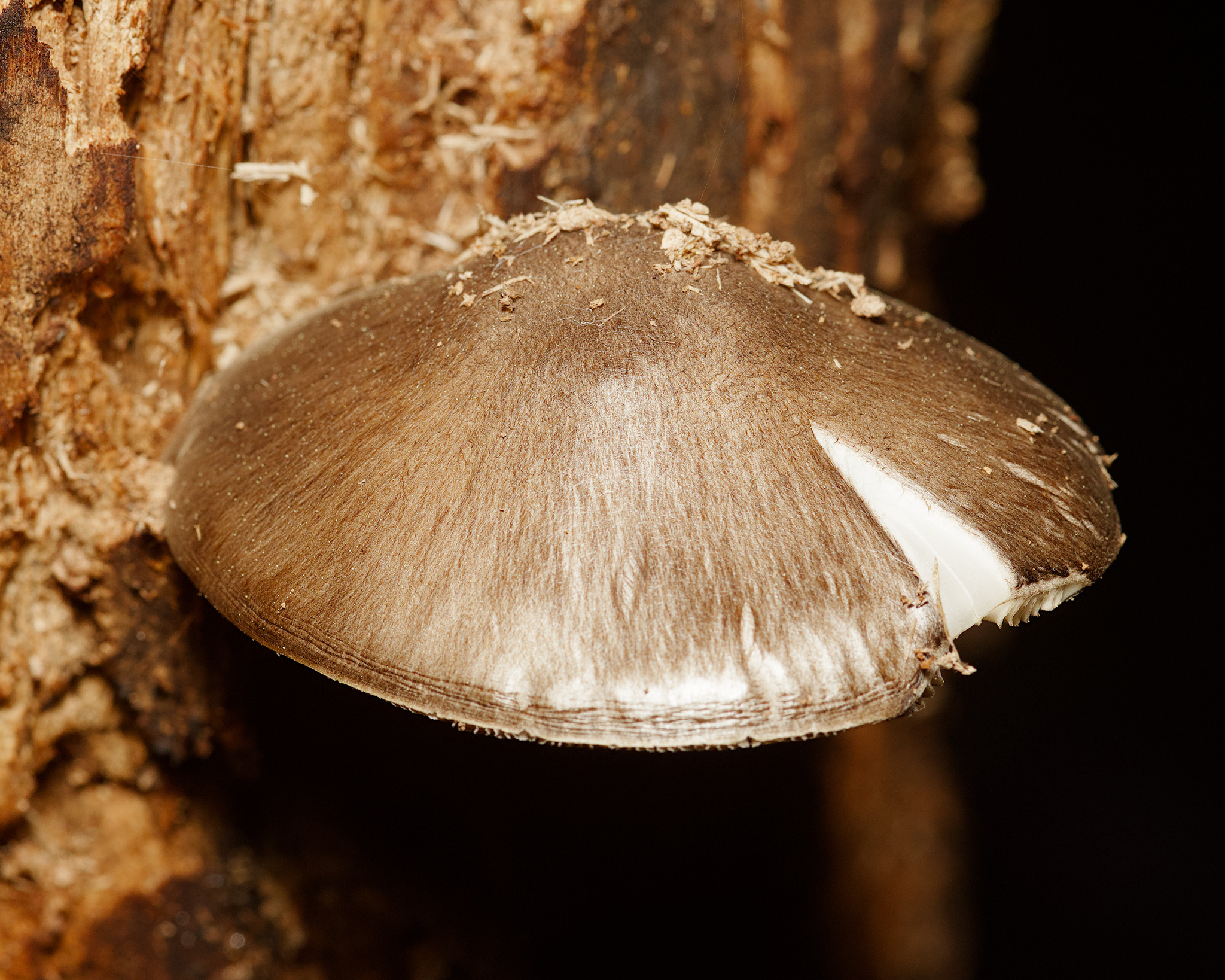
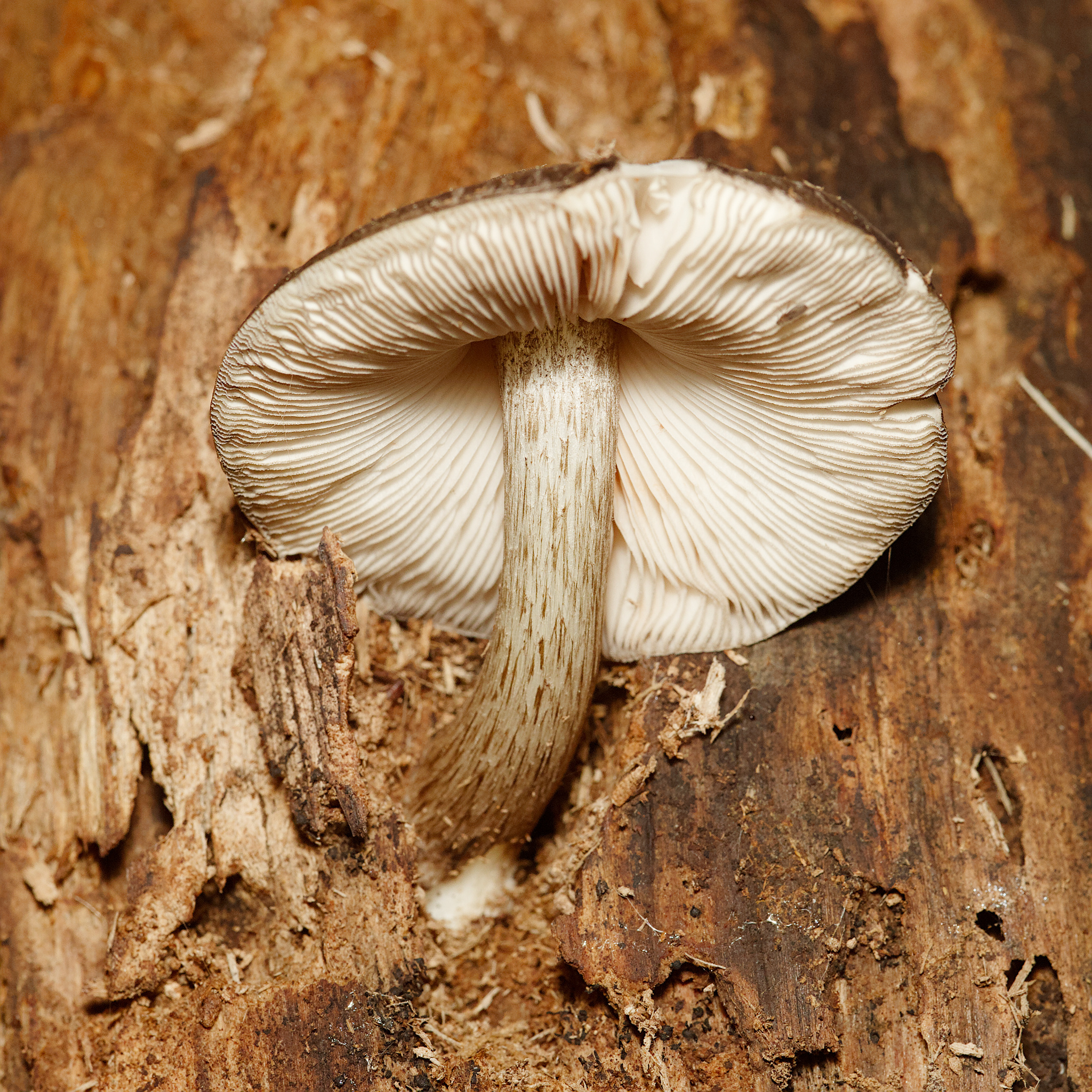
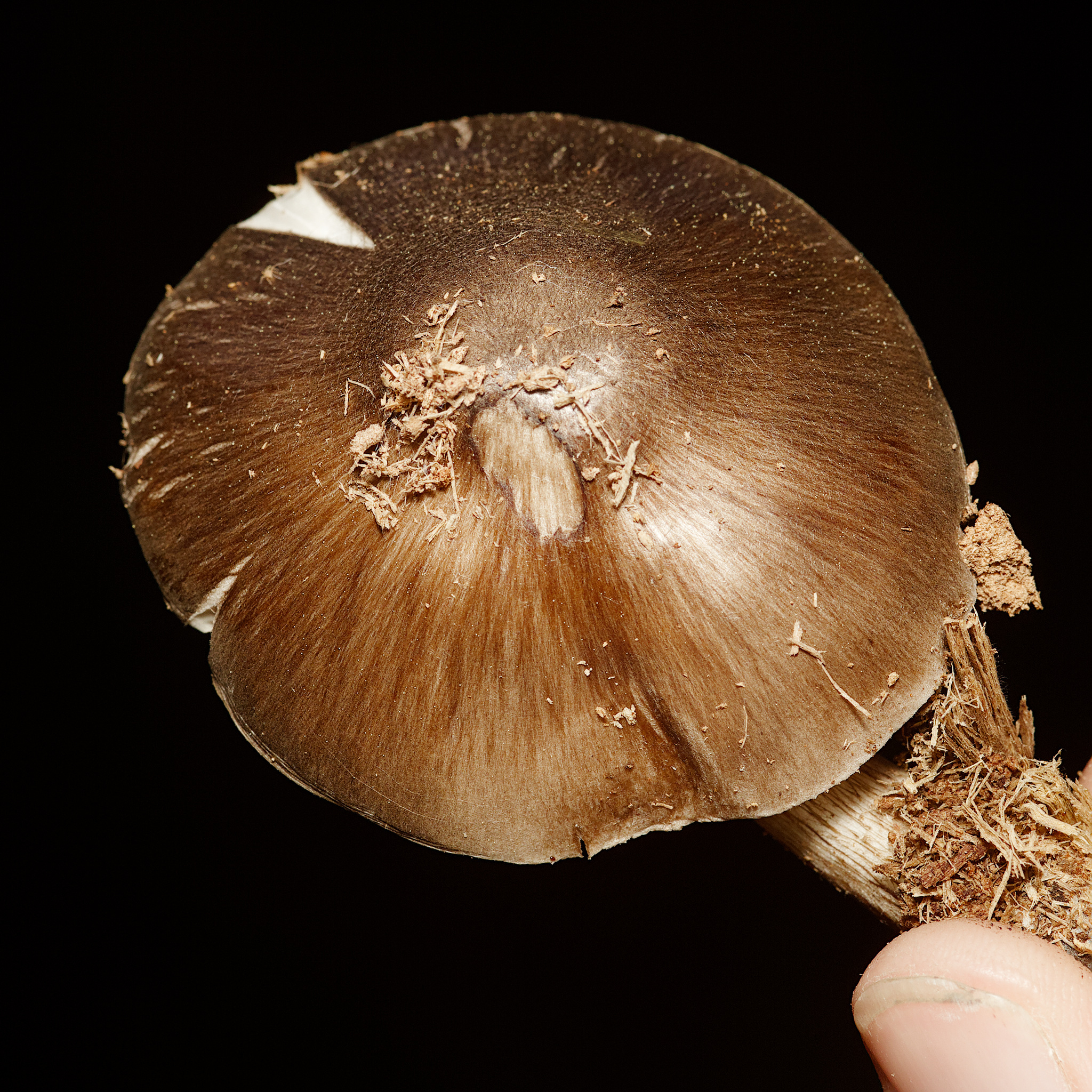
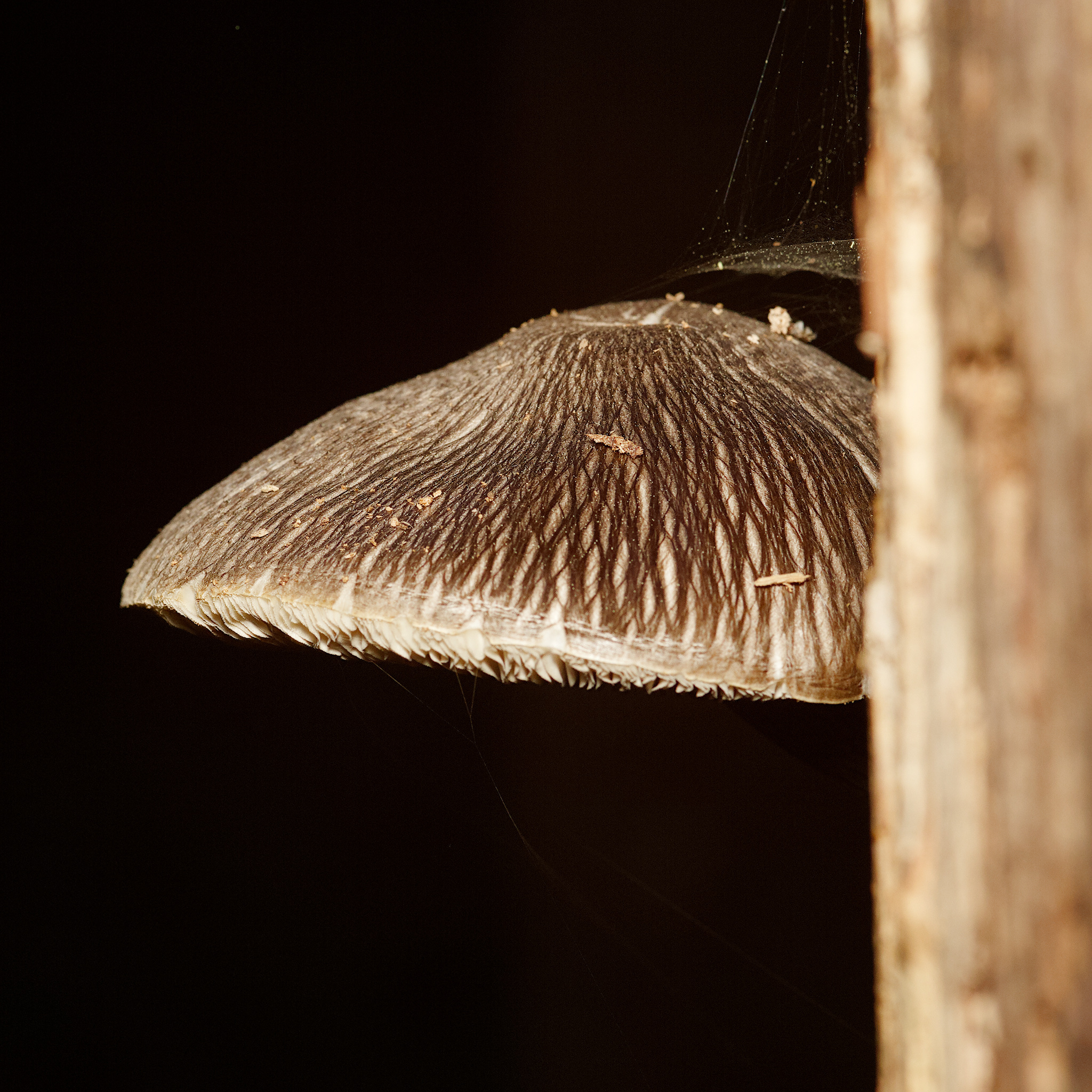
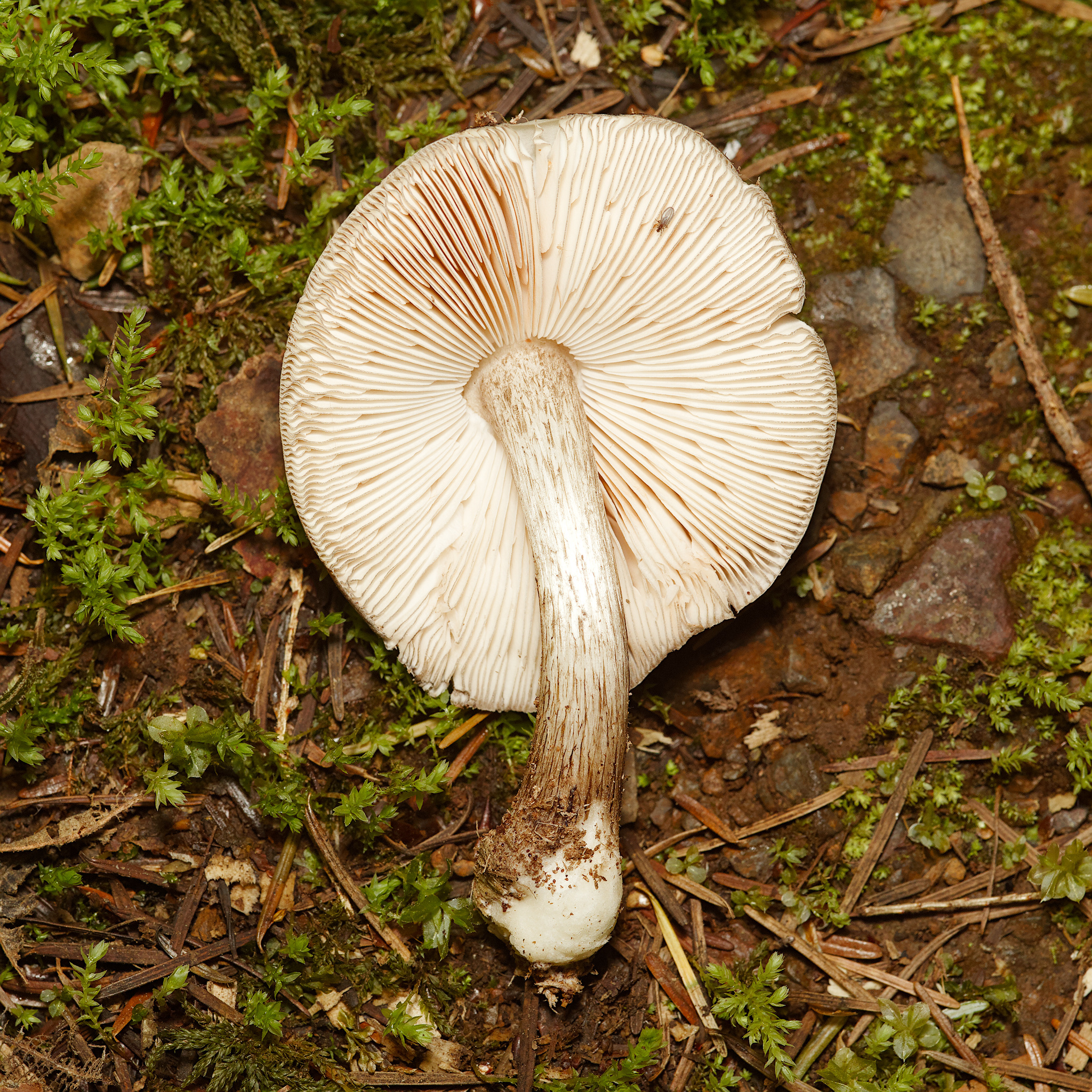
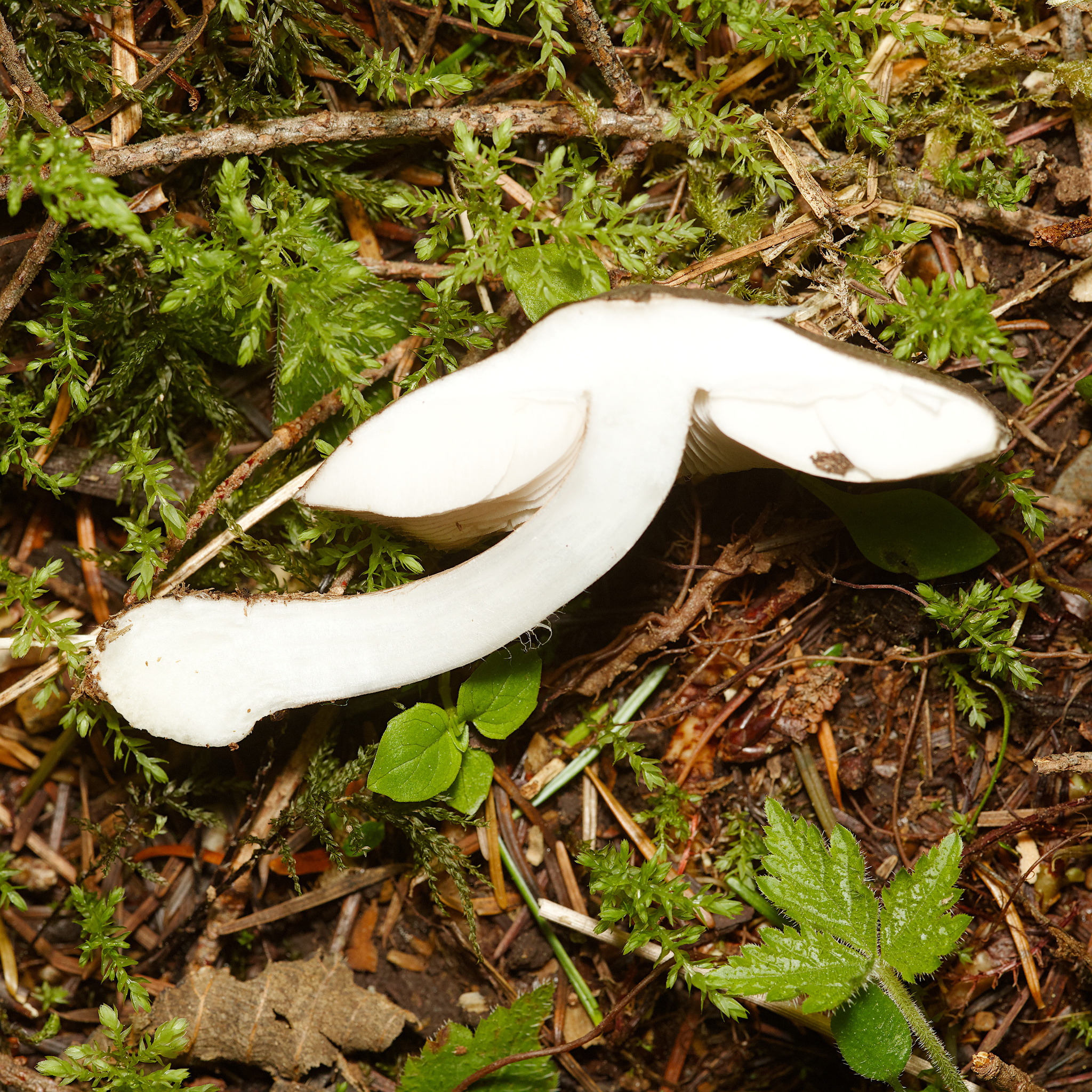
A Pluteus section Pluteus for this collection. (351054287) While calling this complex P. cervinus might be fair, P. exilis, I think the cap is fairly interesting and while not extremely clear here, the gills look faintly marginate. Confirming P. exilis would be nice. Not extremely useful data but once again, adding to the pile. Pluteus is a fairly easy genus to identify and is also fairly diverse.
It is while writing this that I am realizing we have some of the more brightly colored species in other sections, here in the PNW. I had thought they were more restricted to warmer more southerly climates. I think we’ll avoid the brown ones for now but would like to sequence the P. romellii complex, next time we see it.
Update: Sequencing has returned a result of Pluteus exilis.
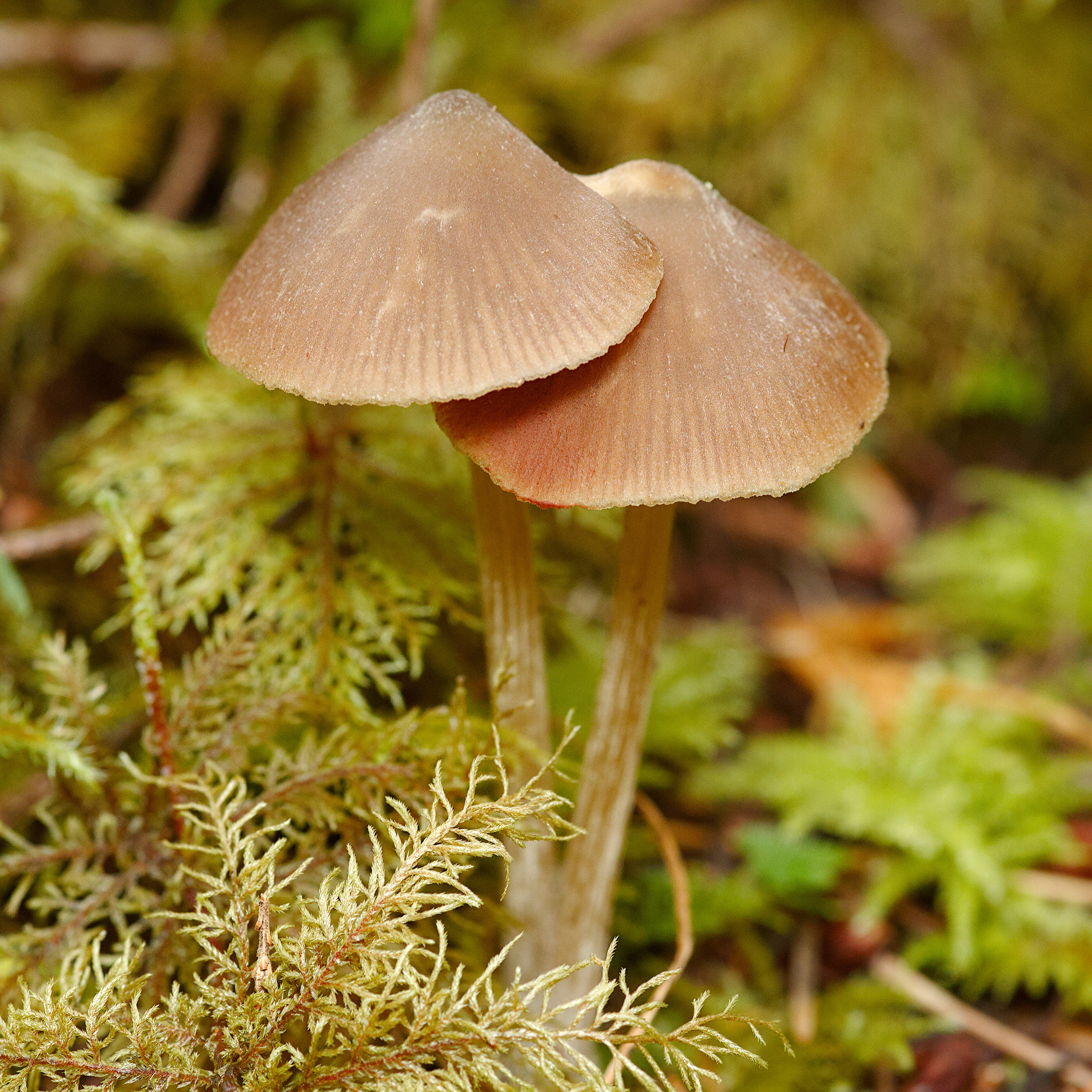
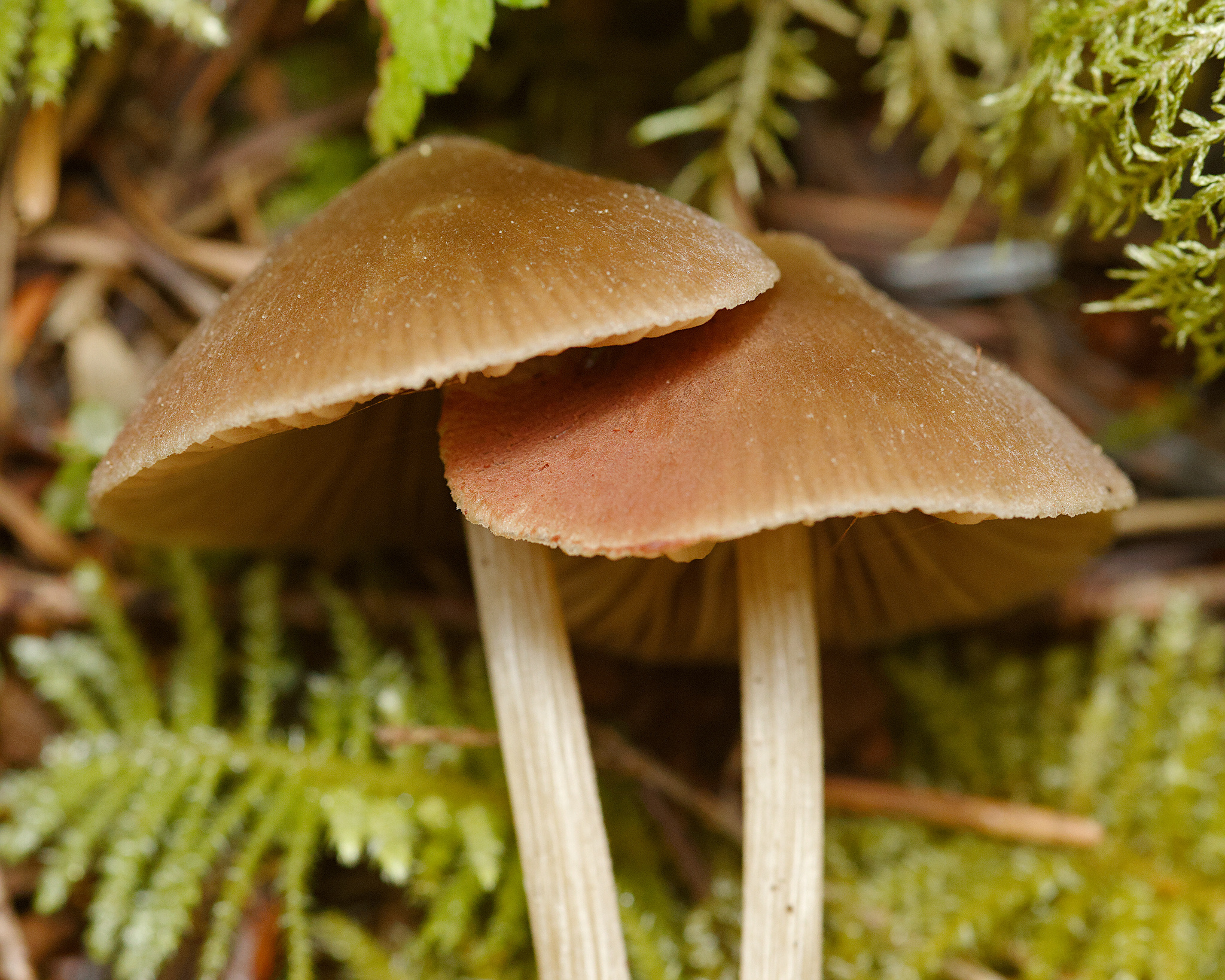
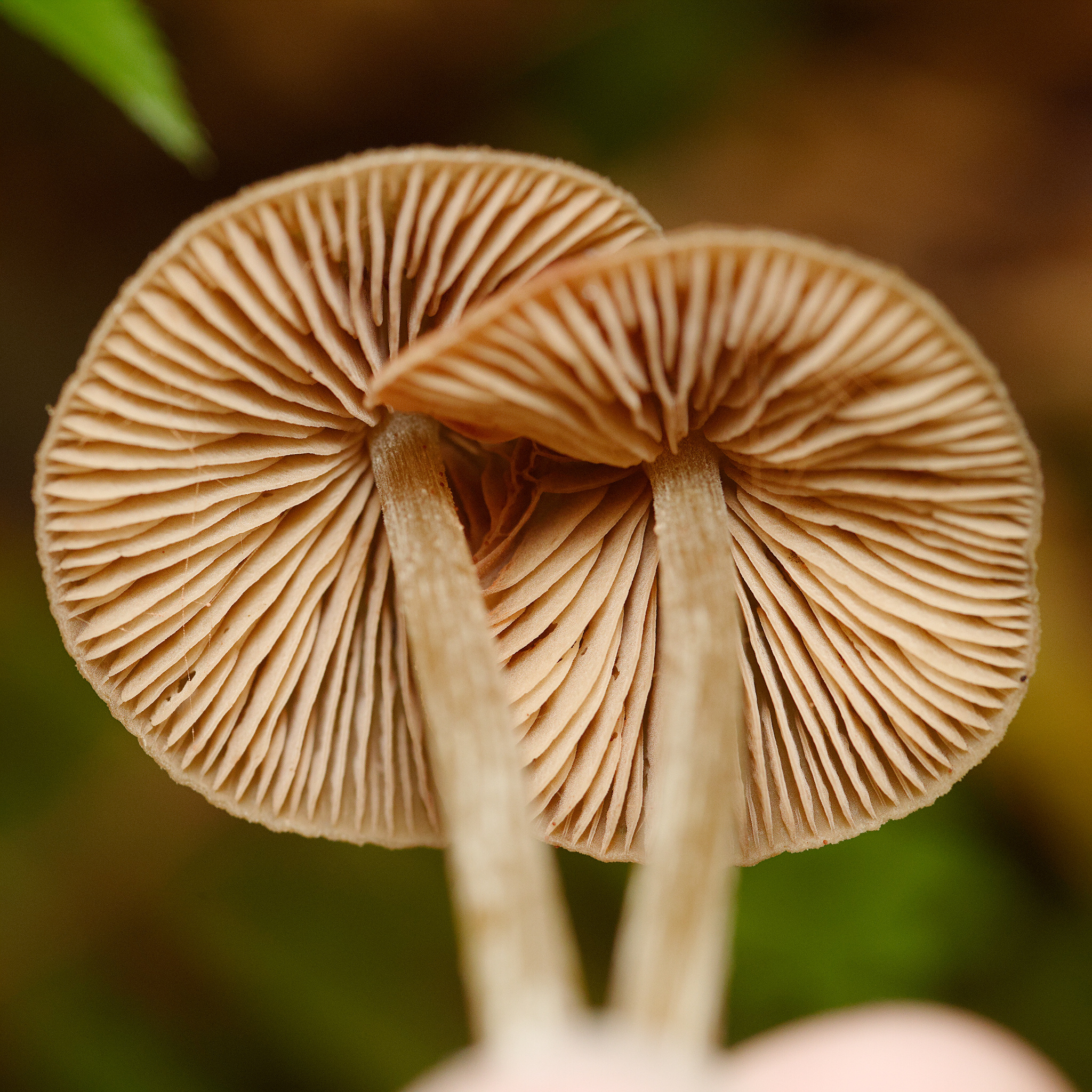
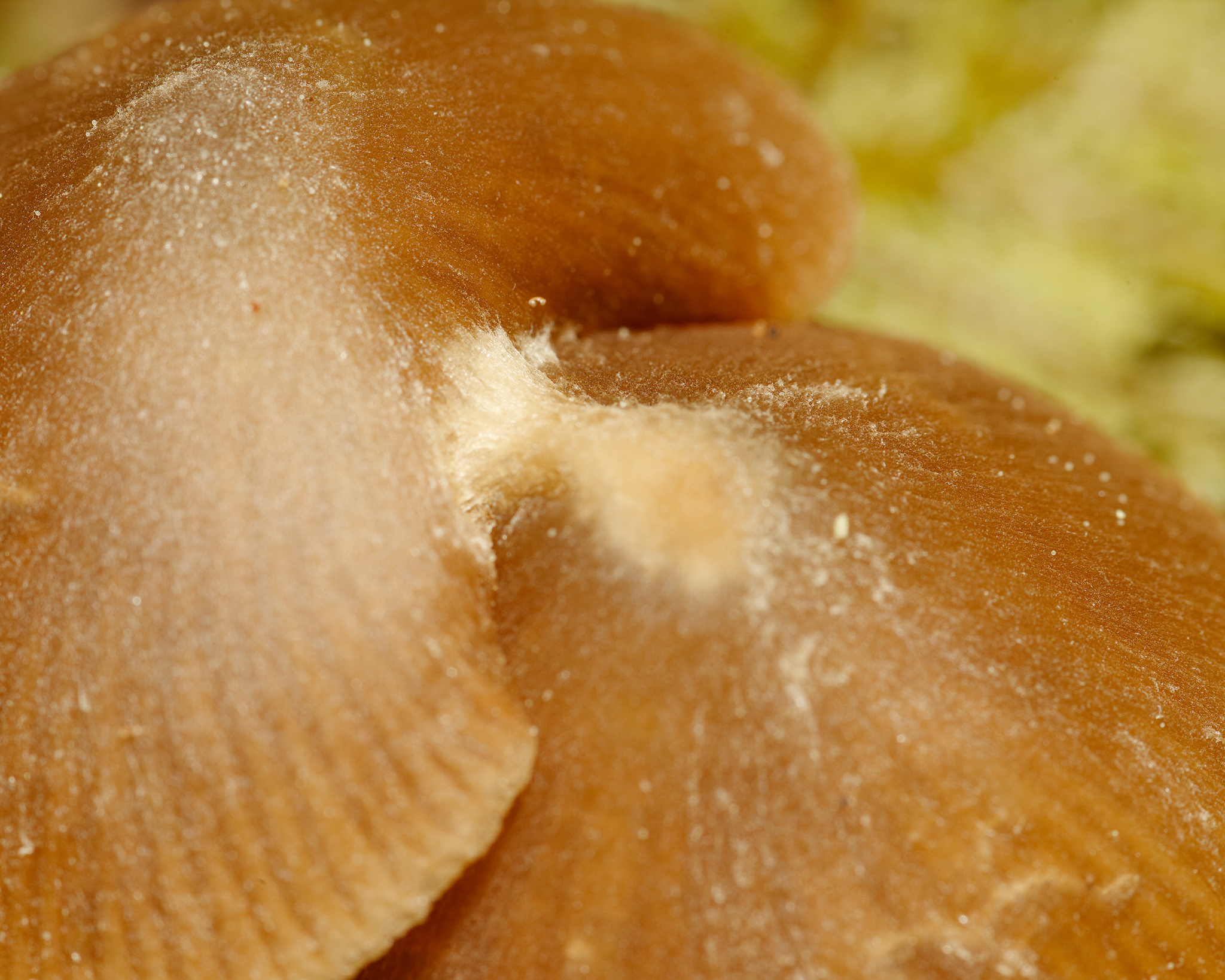
A collection (351054291) of what may also be Entoloma cetratum, which I collected last month on a solo hike. This fun specimen of conjoined twins attached at the top of the cap and through a fold, is certainly a spring Nolanea species, if not the aforementioned taxon. I’m sure there might be a more scientific way of describing that feature of the pair, but I don’t mind calling it like it is. Check out that rosy pink spore deposit on the slightly shorter cap, pretty awesome.
Update: Sequencing has returned a result of Entoloma holoconiotum.
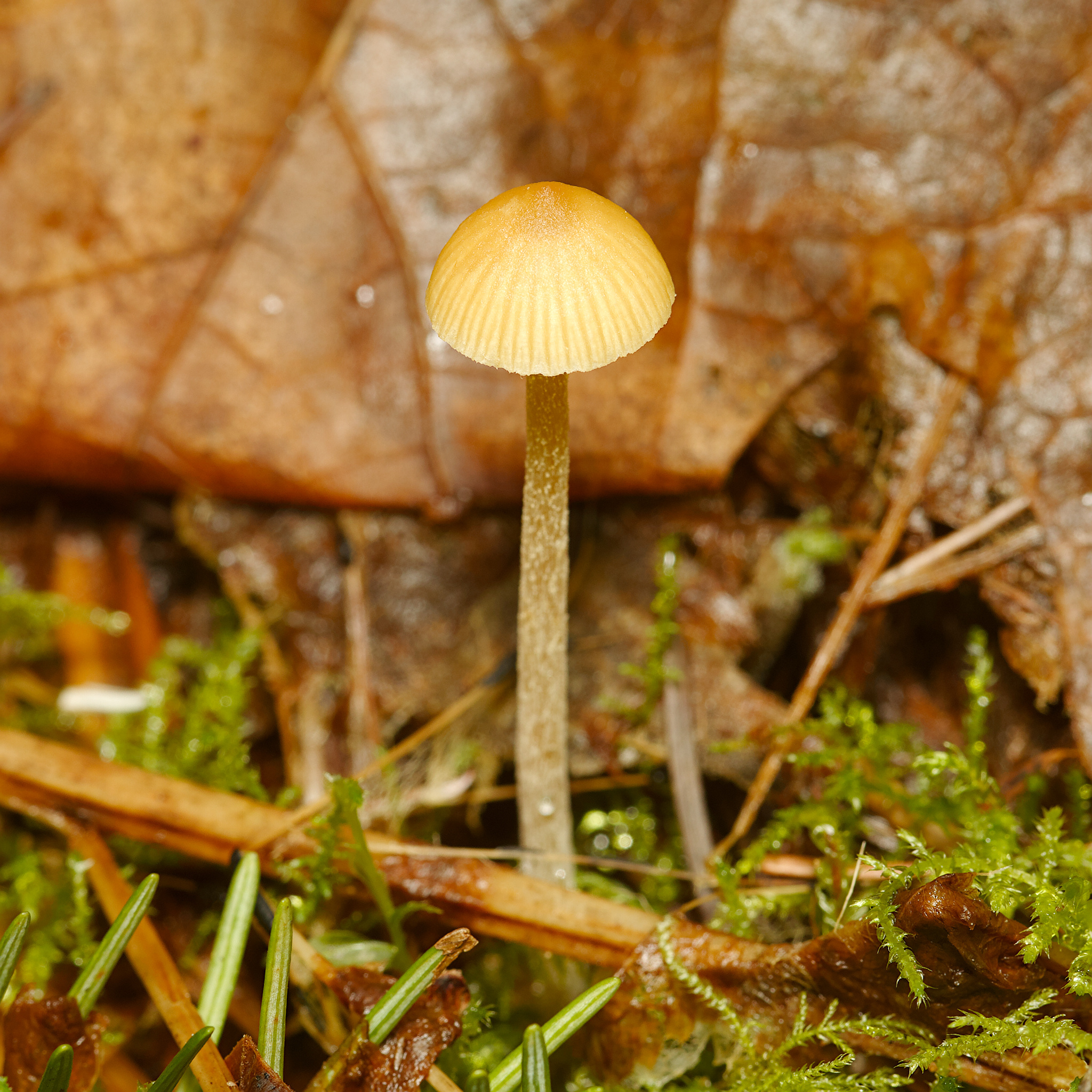
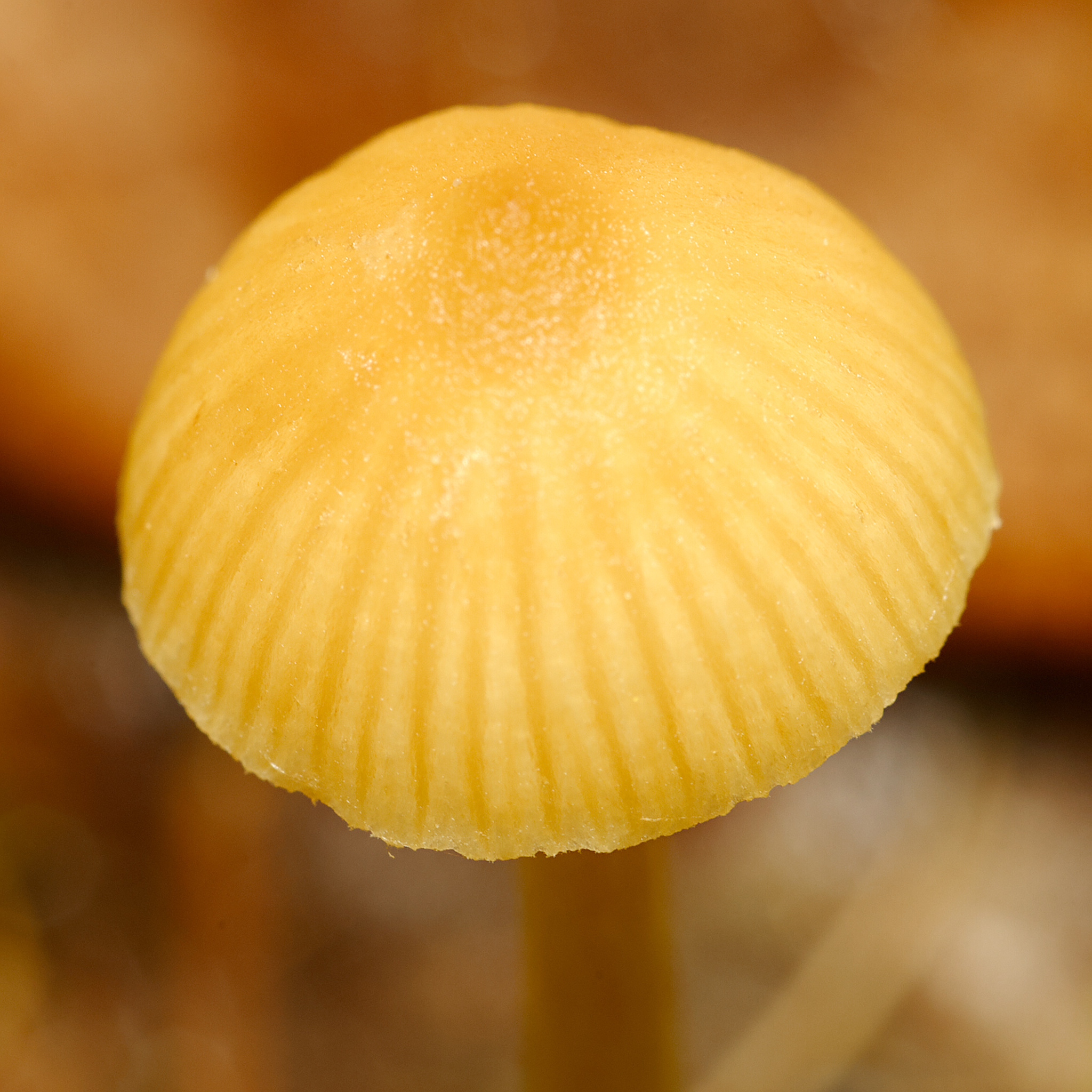
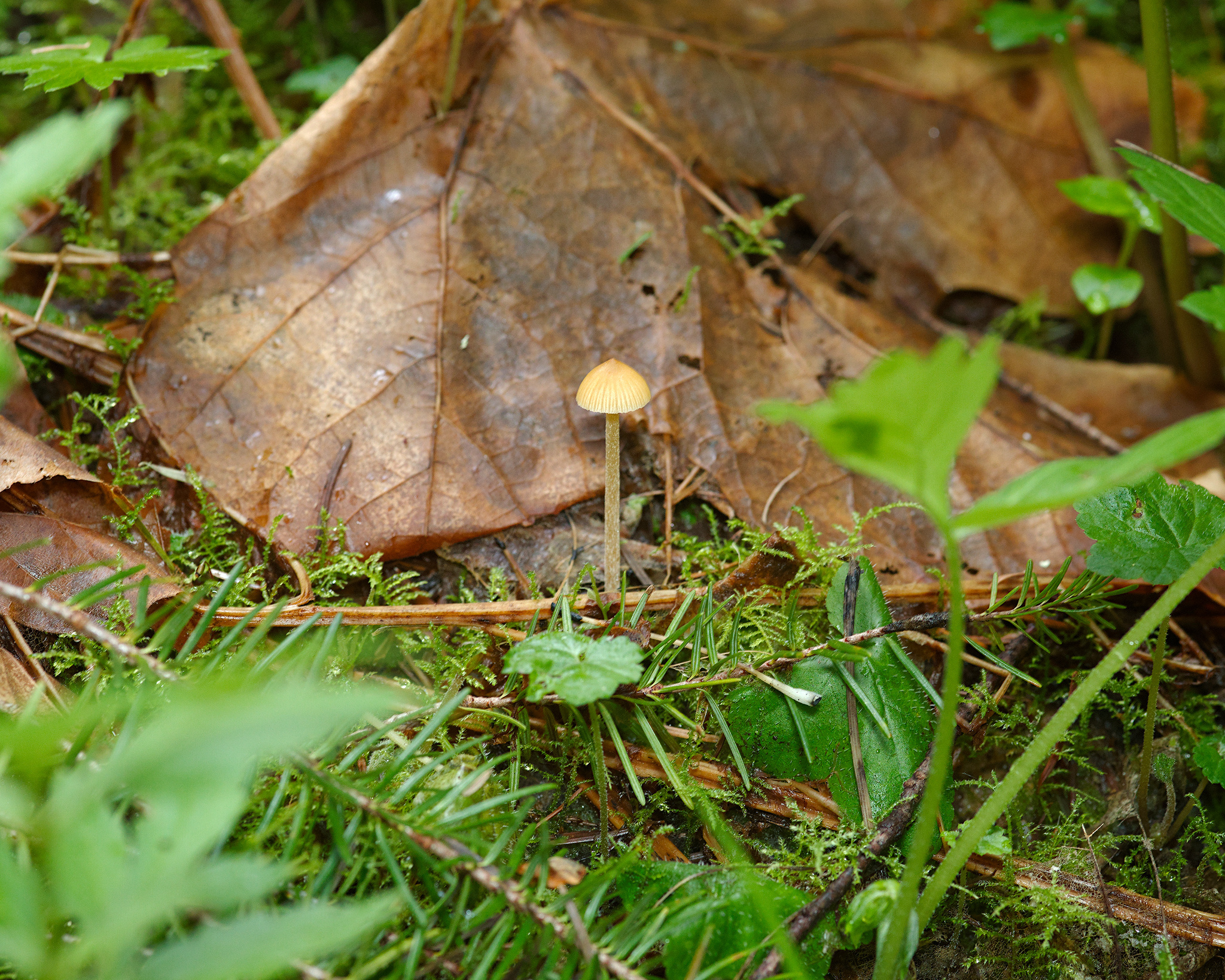
A brief mention of the next collection (351054294), which is probably Galerina semilanceata. From section Tubariopsis, that is the name we have received recently, however it may be synonymous with G. dimorphocystis. Here we did not check for any veil or remnants, but next time we should seek younger collections and do that!
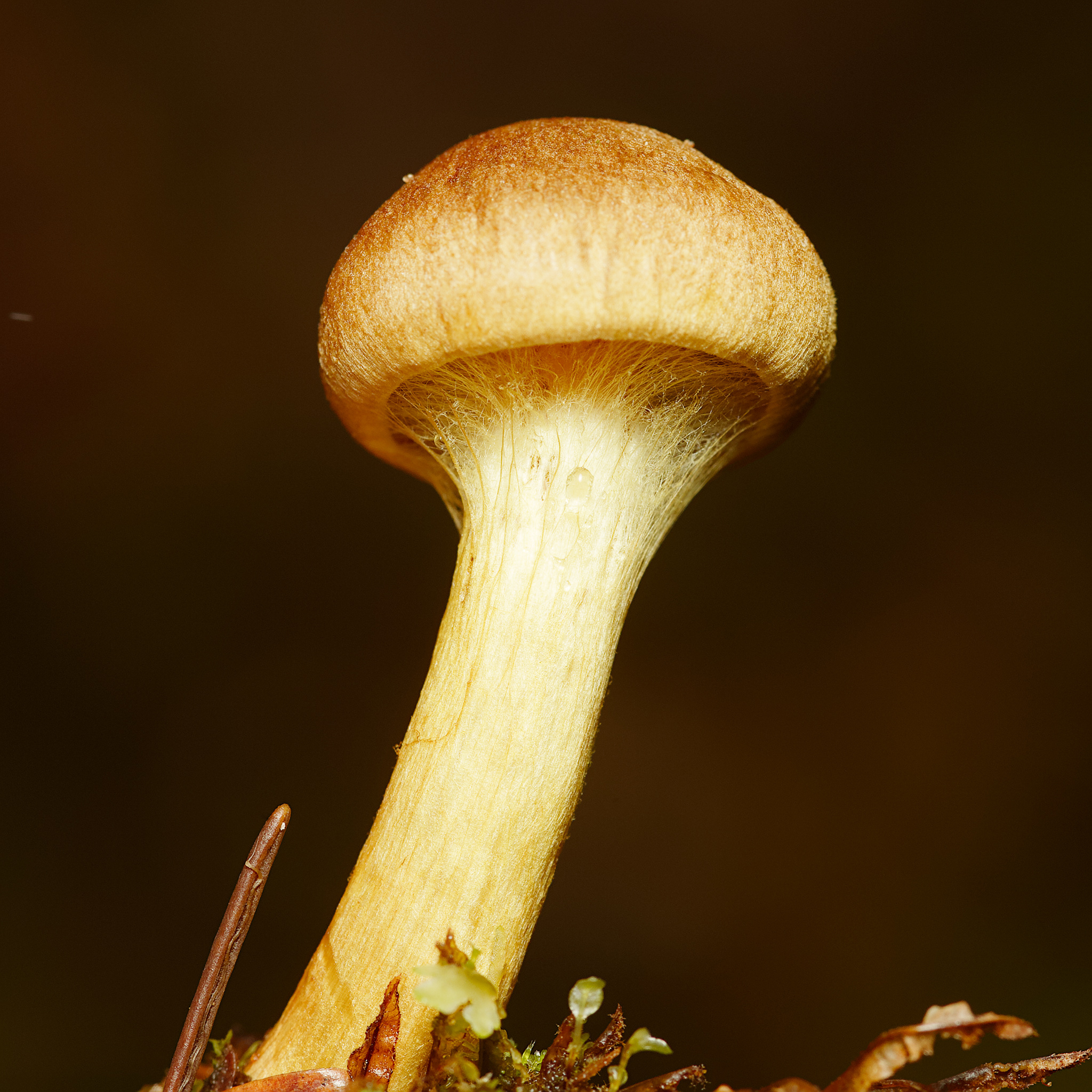
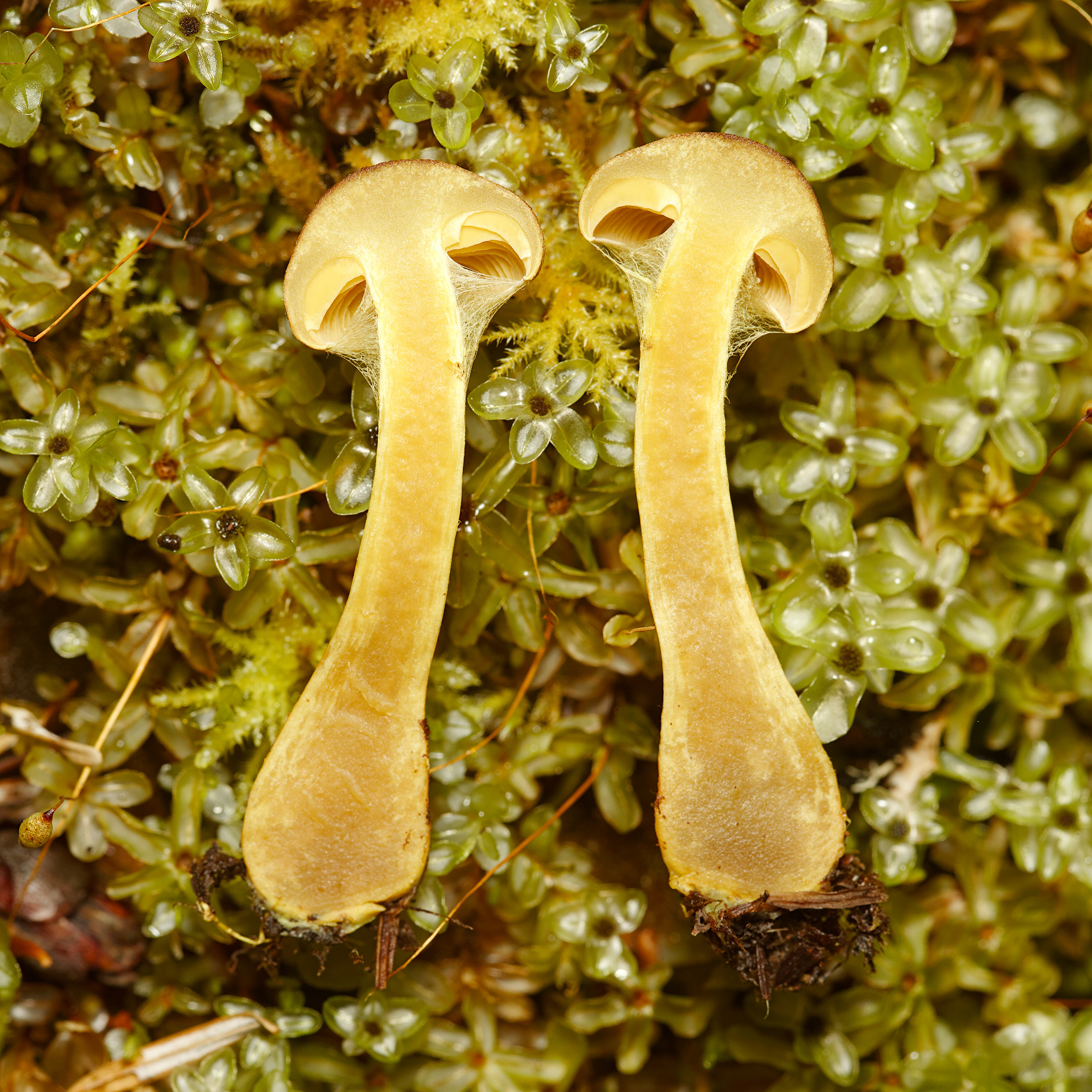
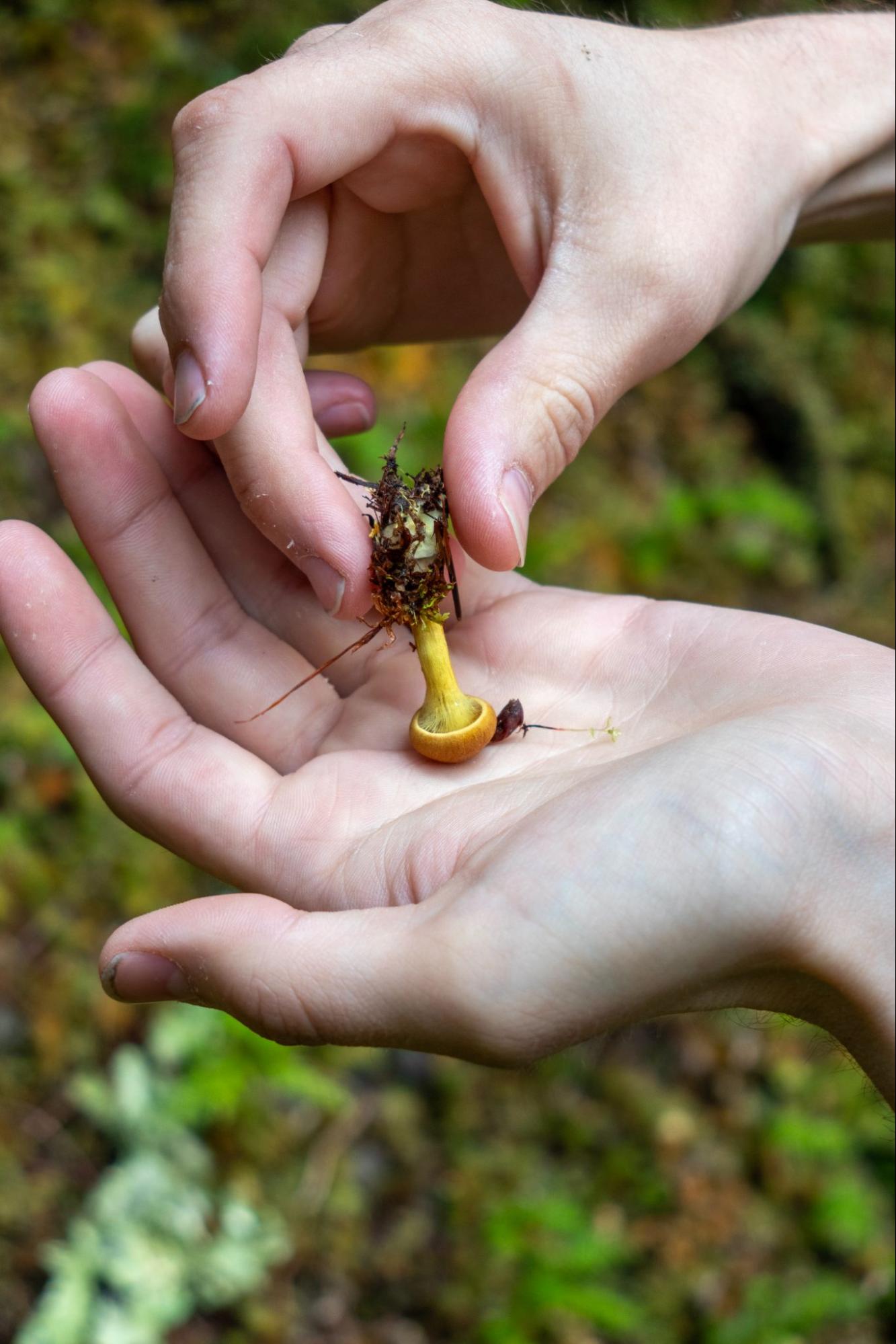
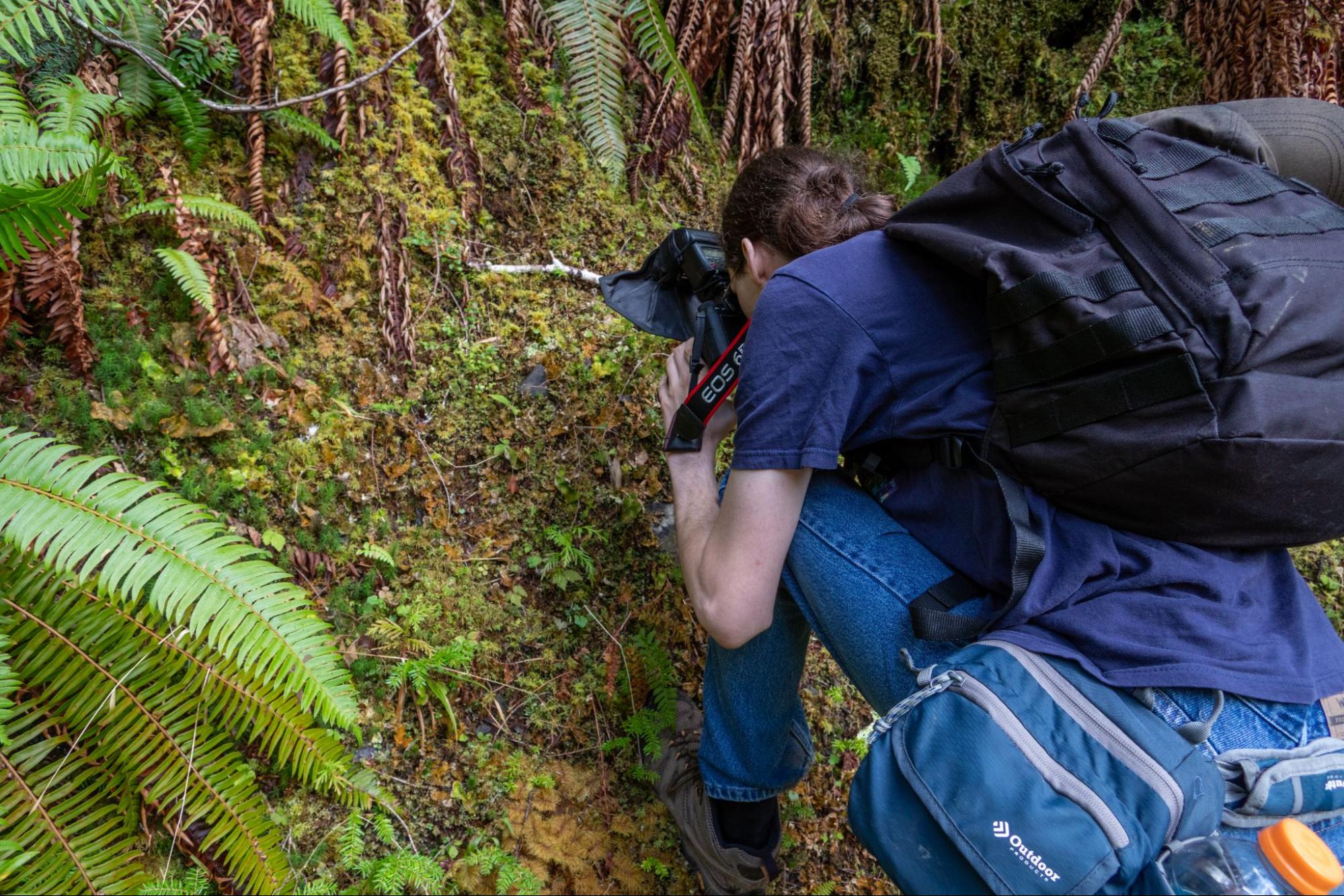
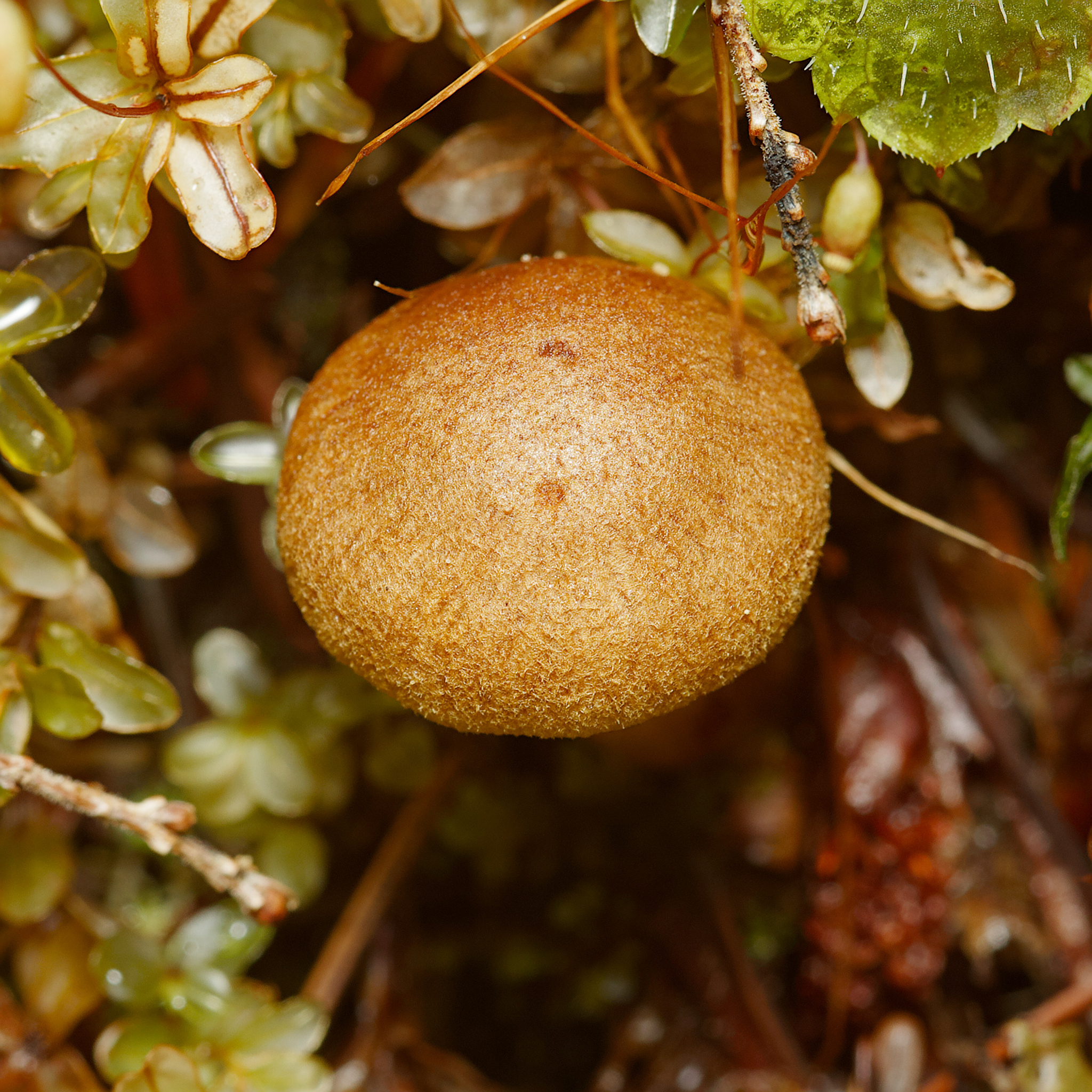
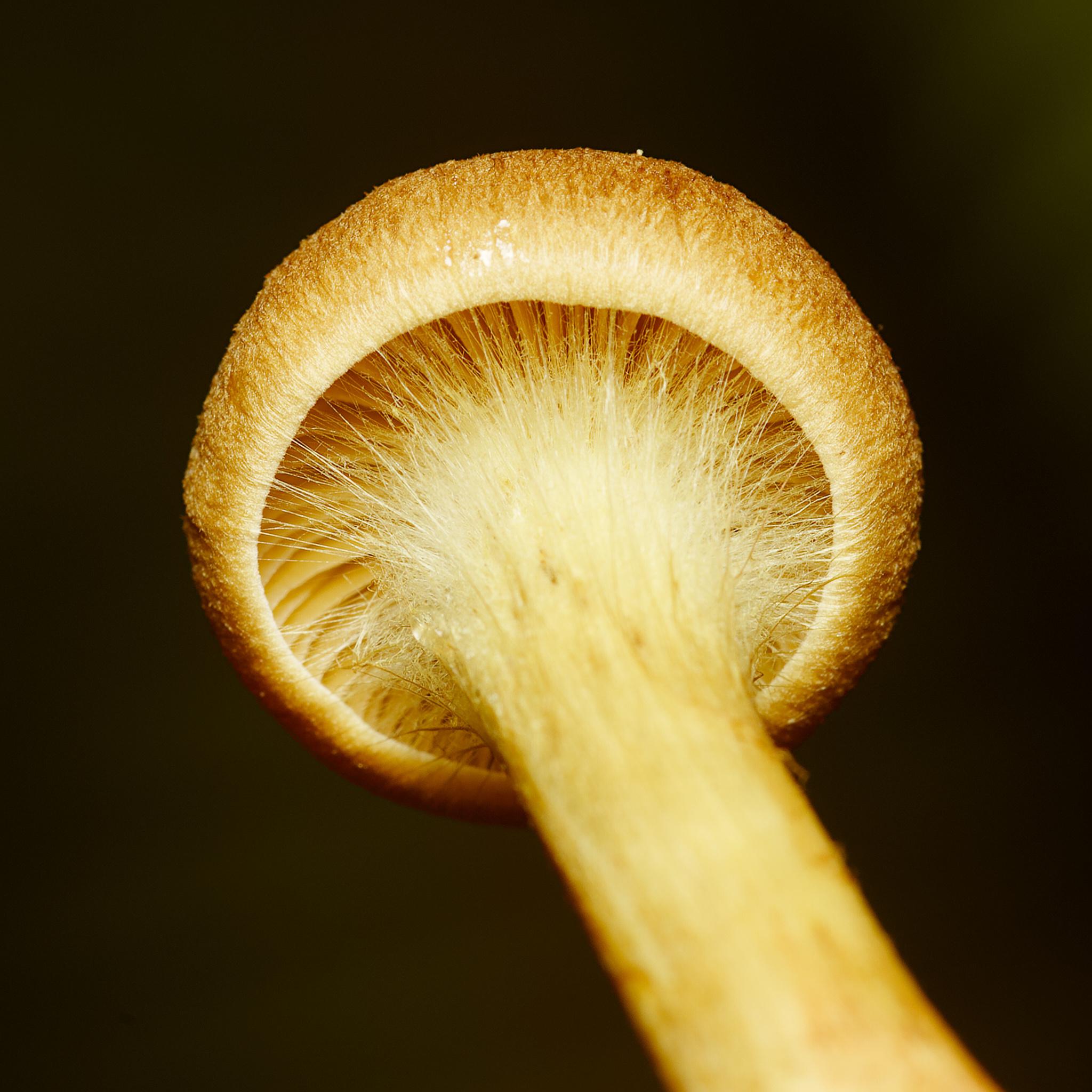
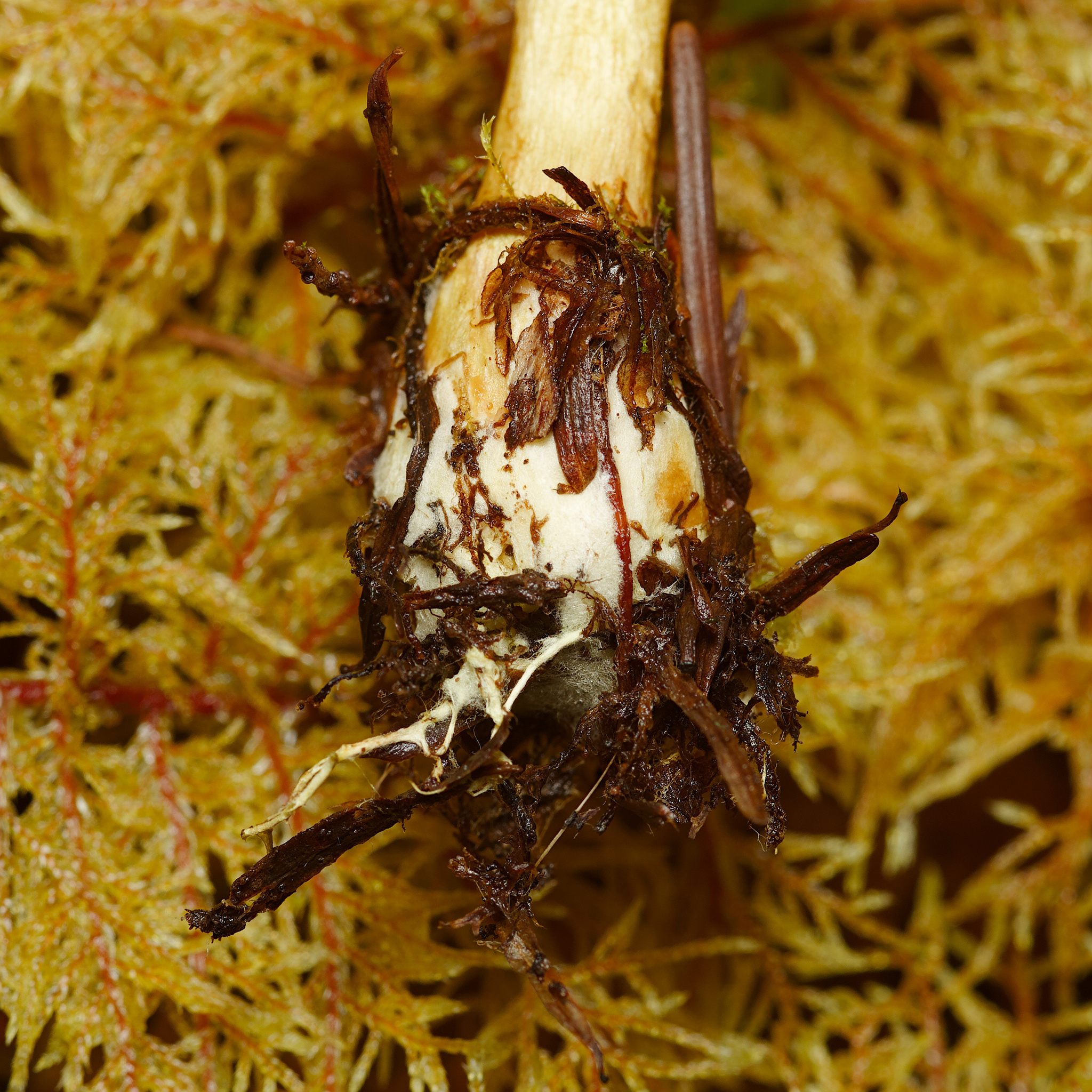
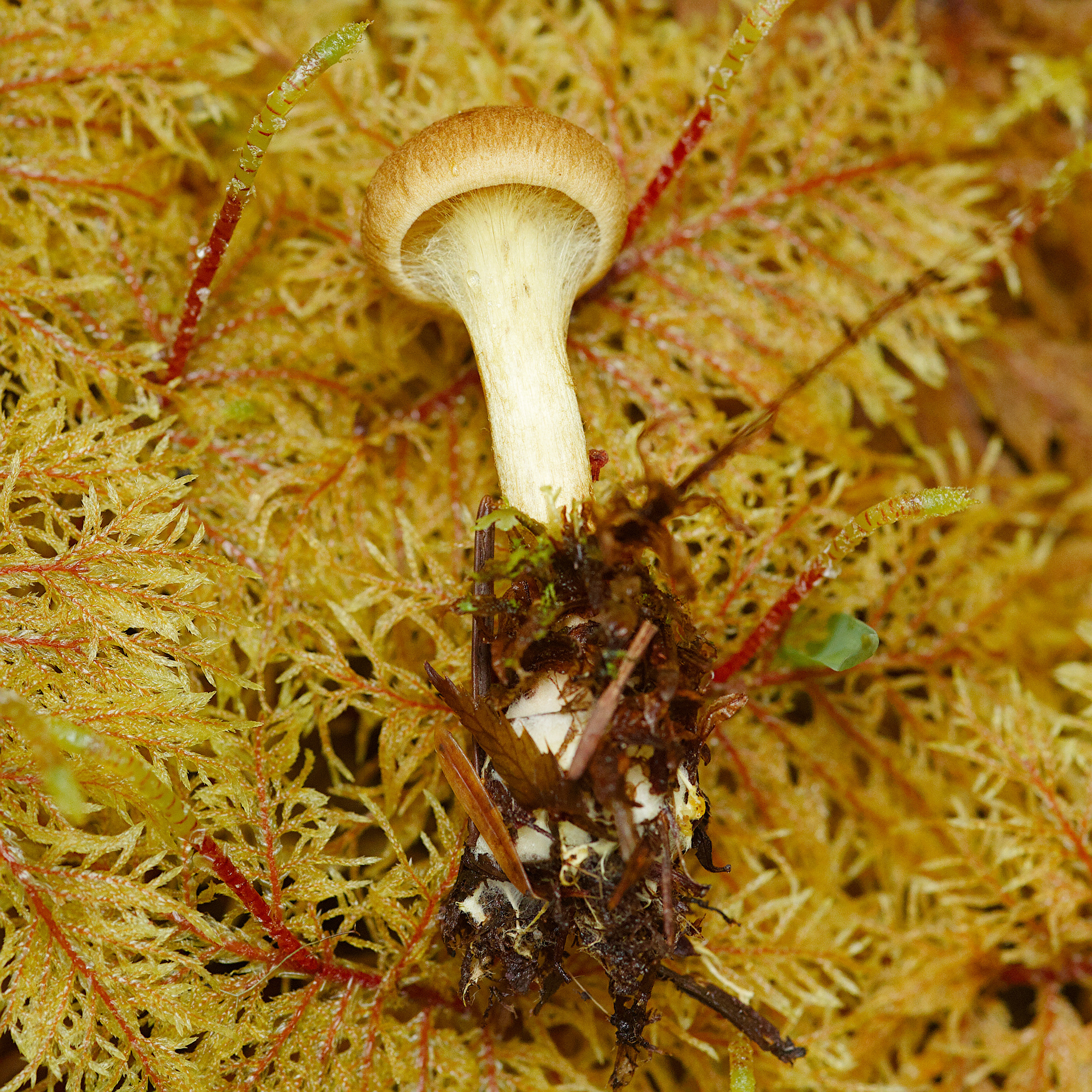
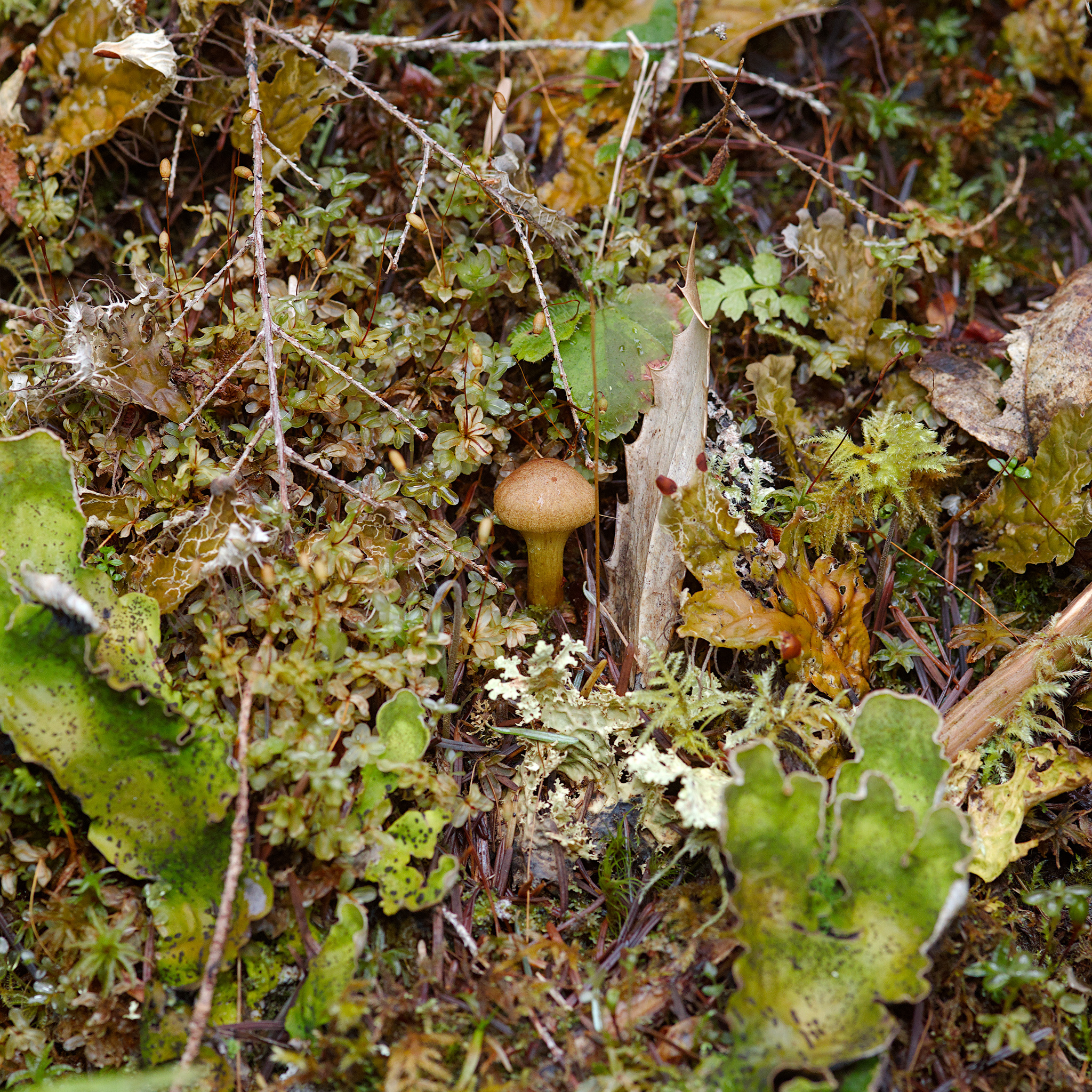
Quite a lovely small yellow Dermocybe for this collection. (351054296) I don’t believe either of us smelled much. I really enjoy Brodie’s photos here quite a lot. A cort expert did not have a more specific ID suggestion here so I am happy to await the sequence here!
Update: Sequencing has returned a result of Cortinarius ammiratii.
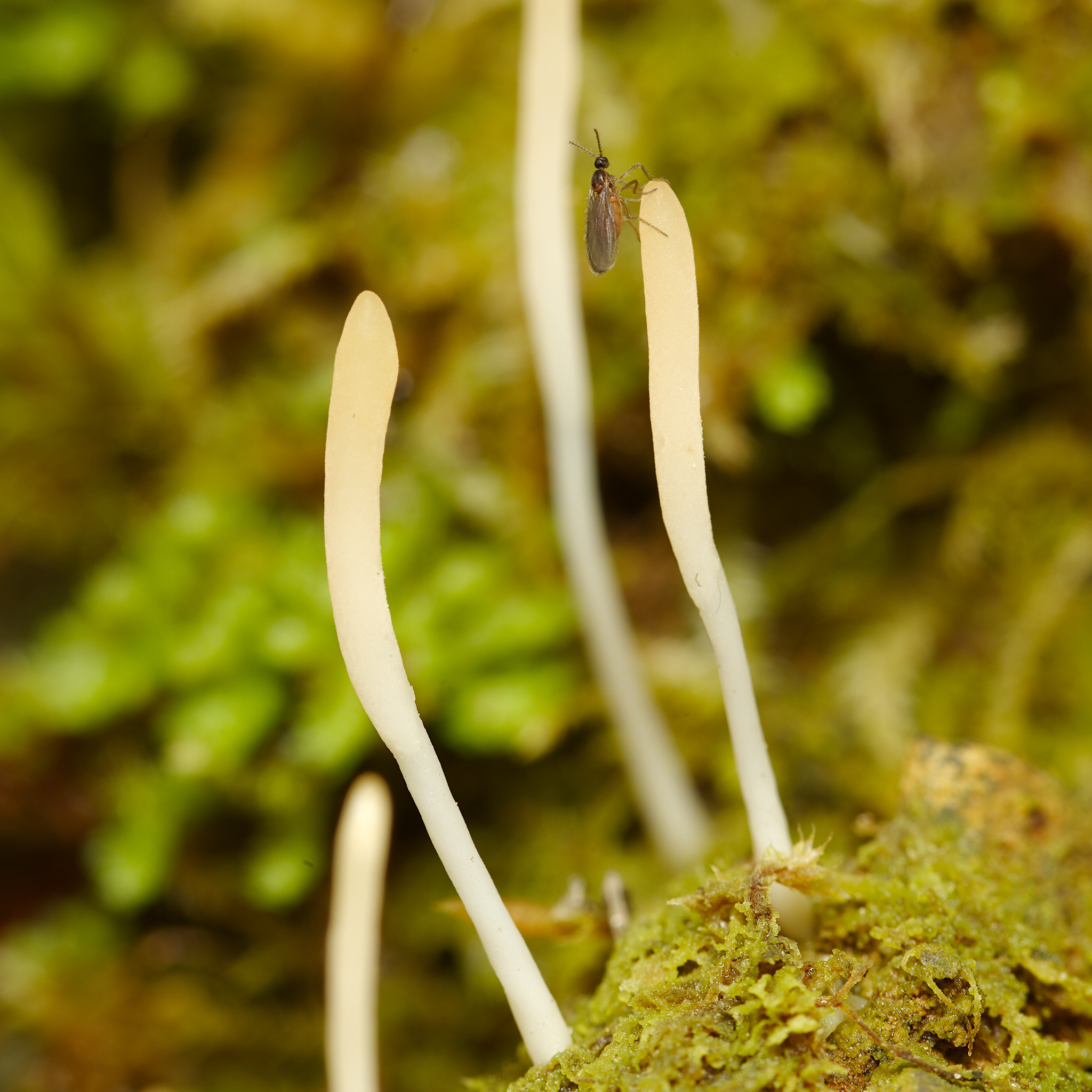
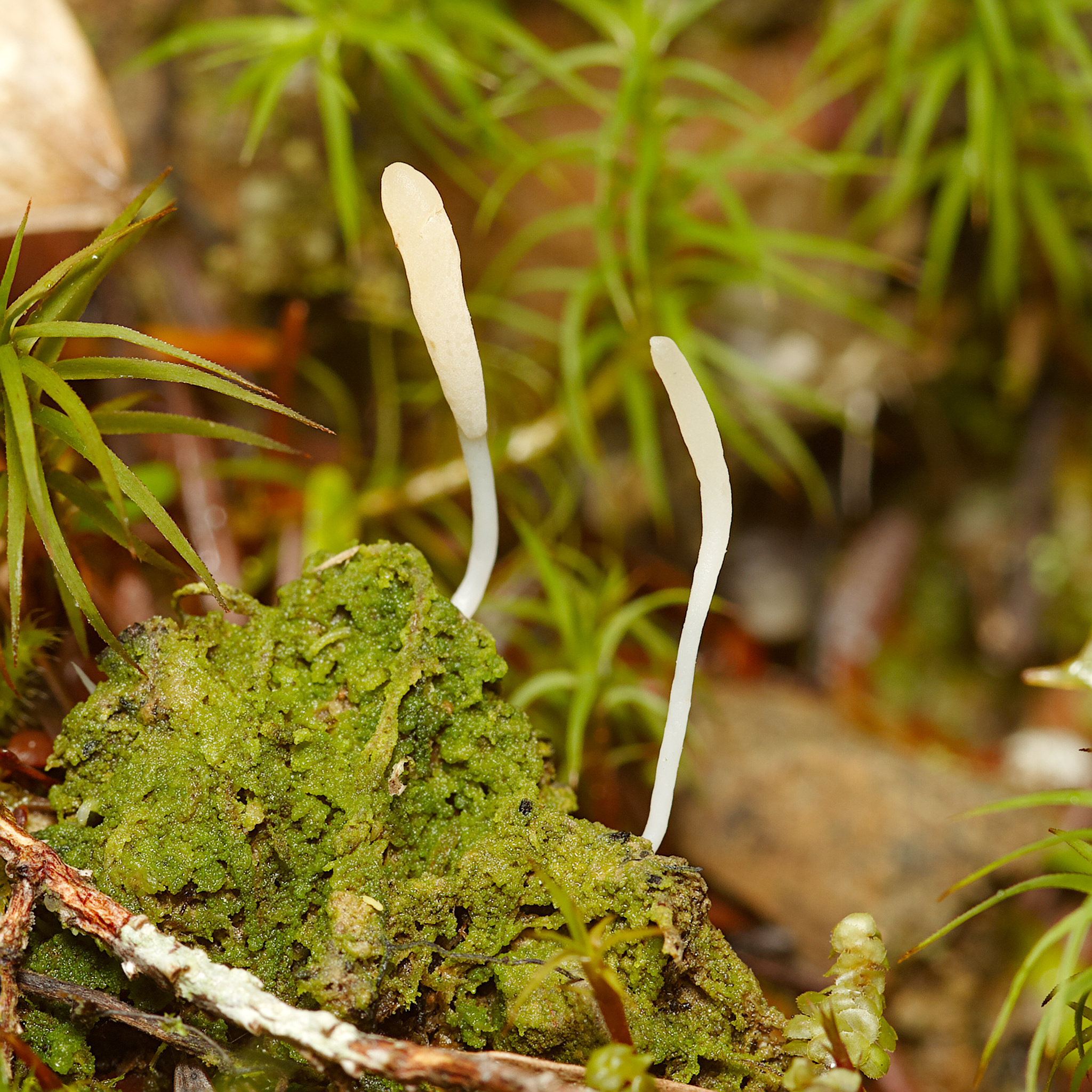
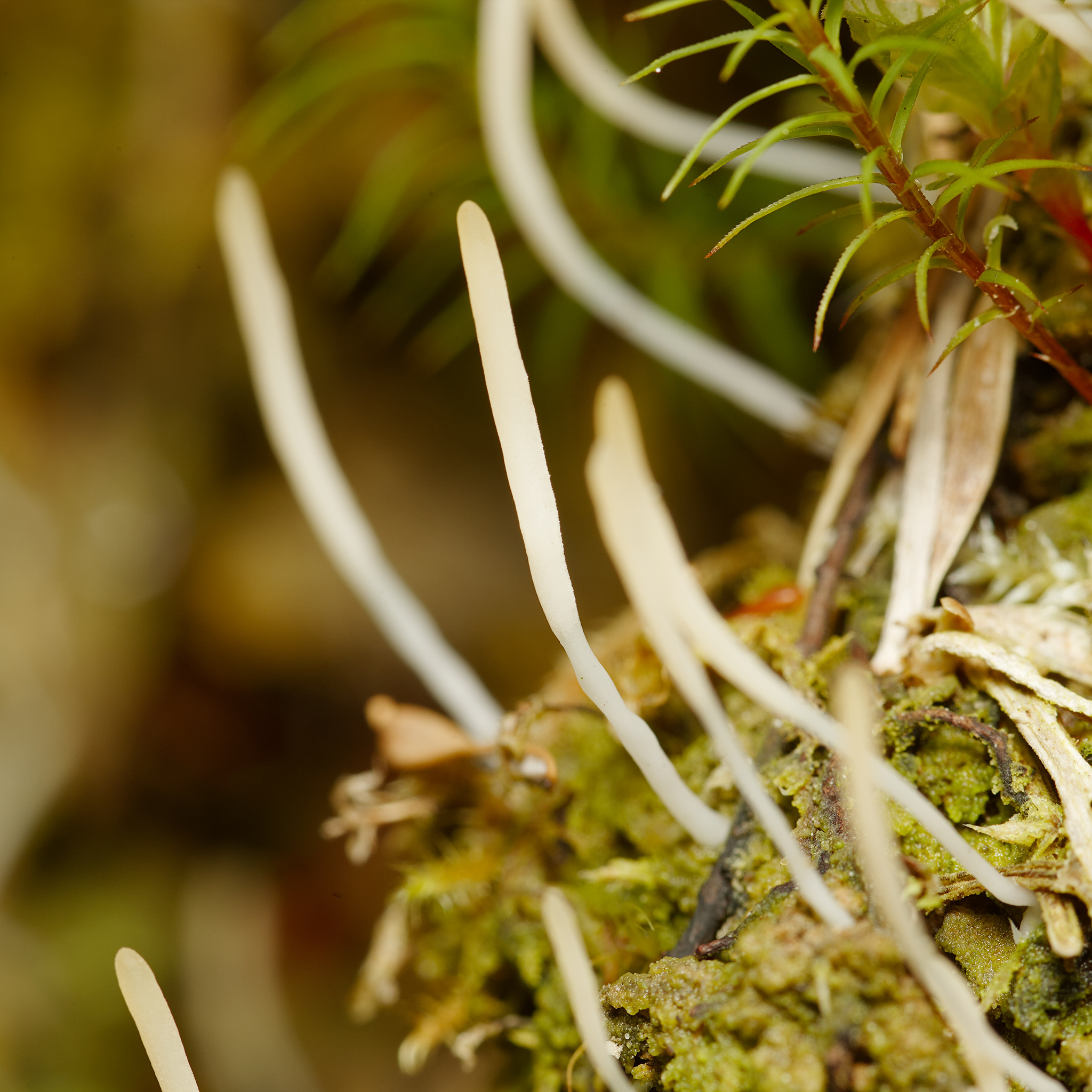
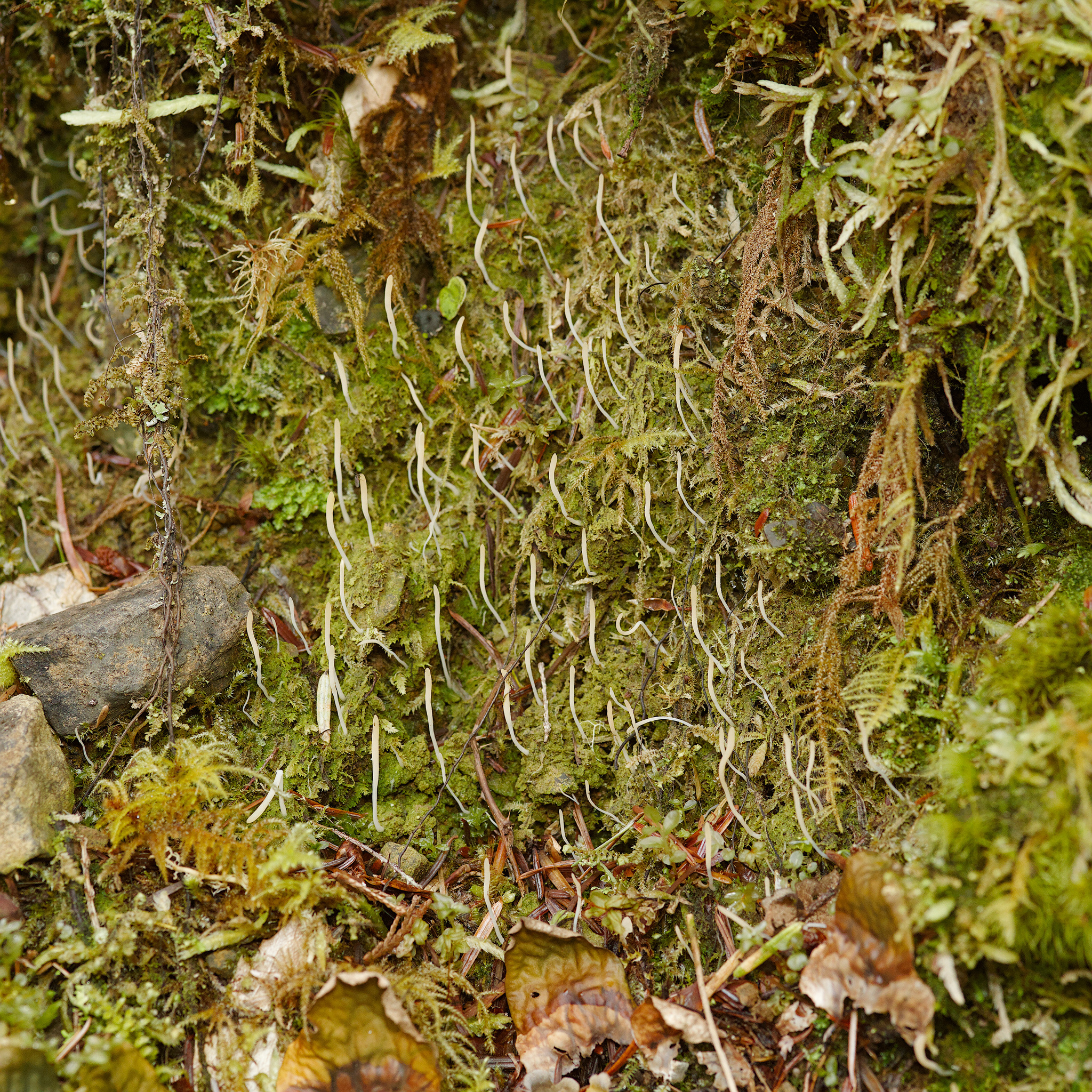
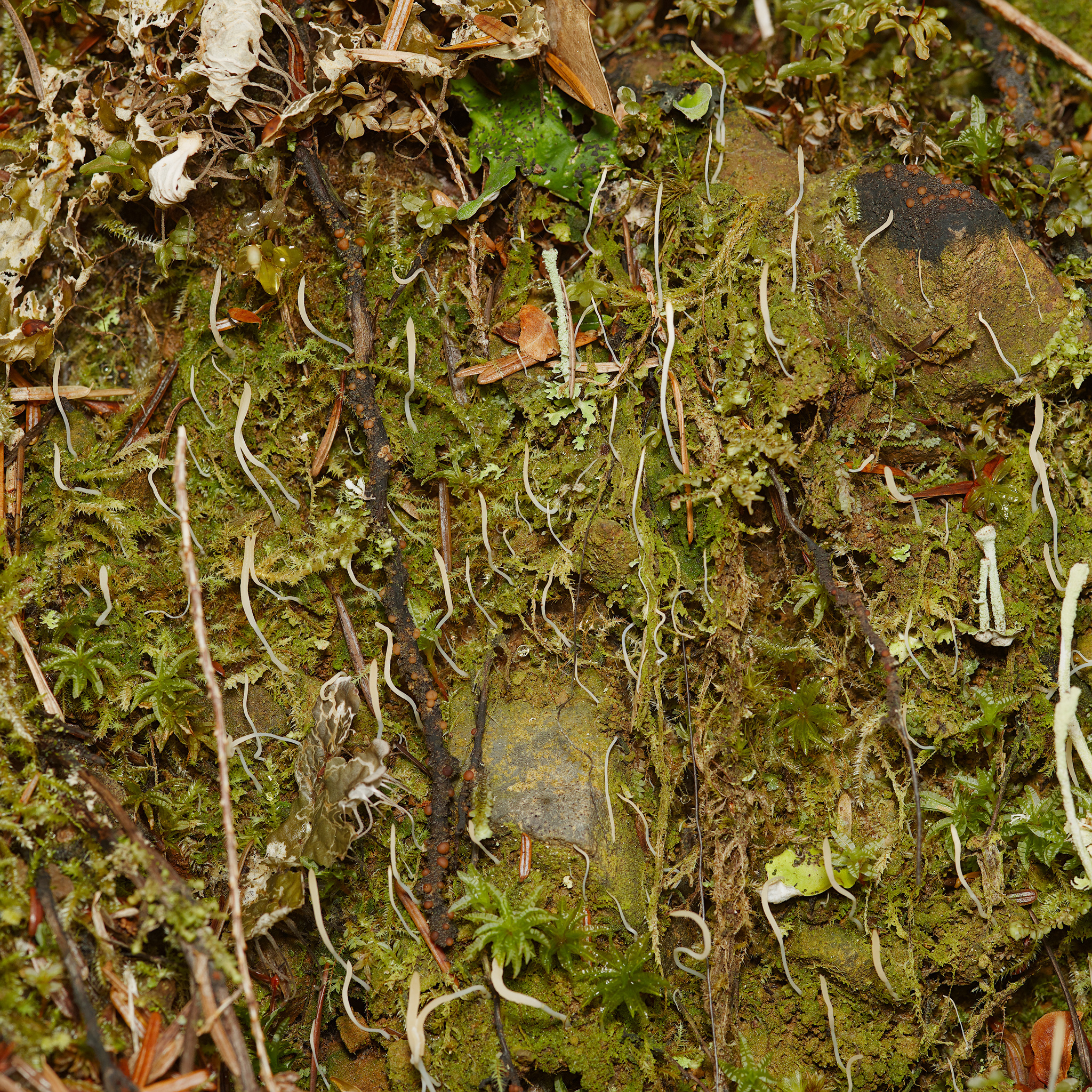
Another learning moment for me was this collection (351054299), of the genus Multiclavula. I didn’t know until further background research for this report, that this is a genus of basidiolichen with mushroom fruiting bodies, much like Lichenomphalia.
In fact, these two genera are just about it in the PNW, as far as my reading suggests. Not sure if that applies to a more broad scope! Excited to see which species this is and if our data adds anything to current knowledge. Seems like a common genus.
Update: Sequencing has returned a result of Multiclavula corynoides.
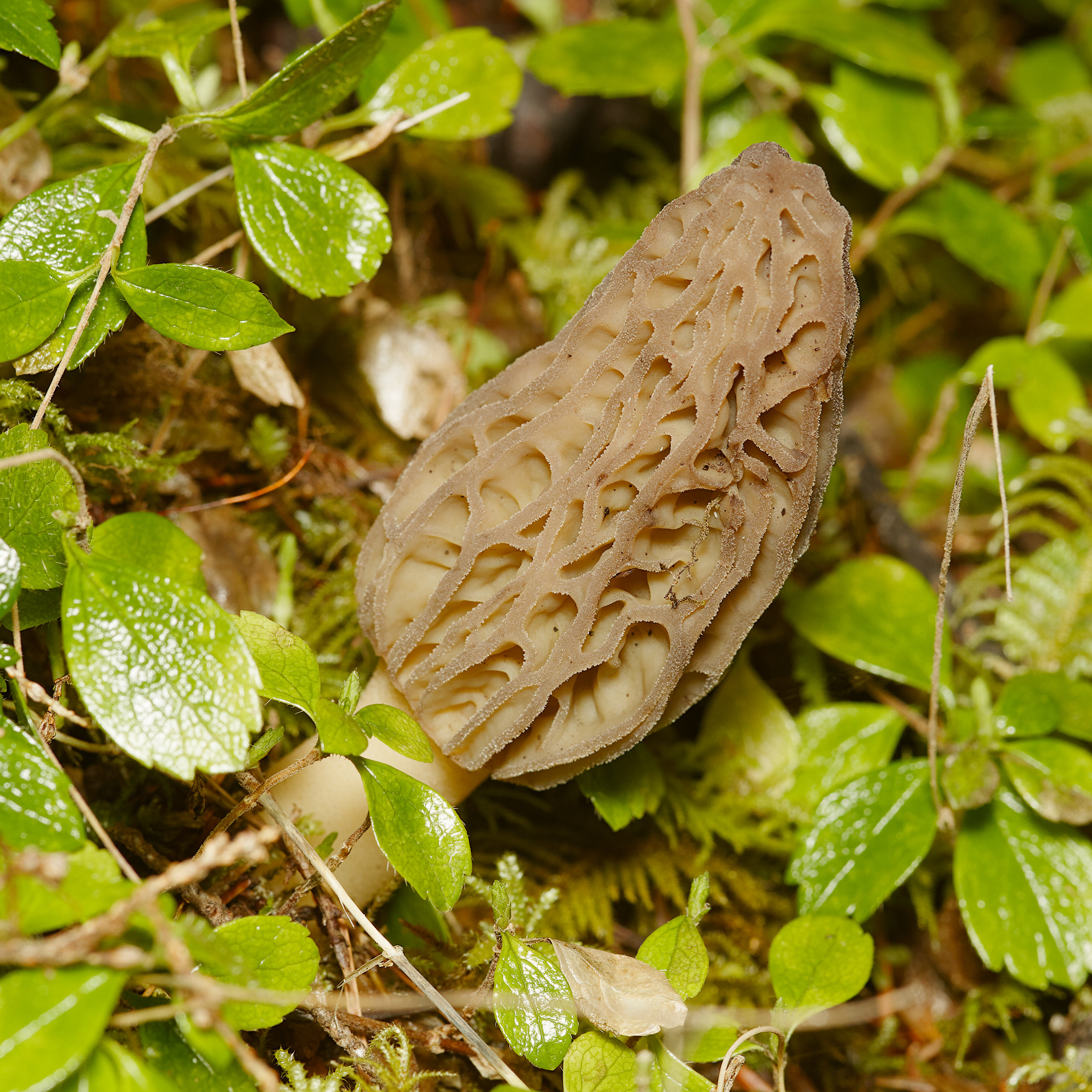
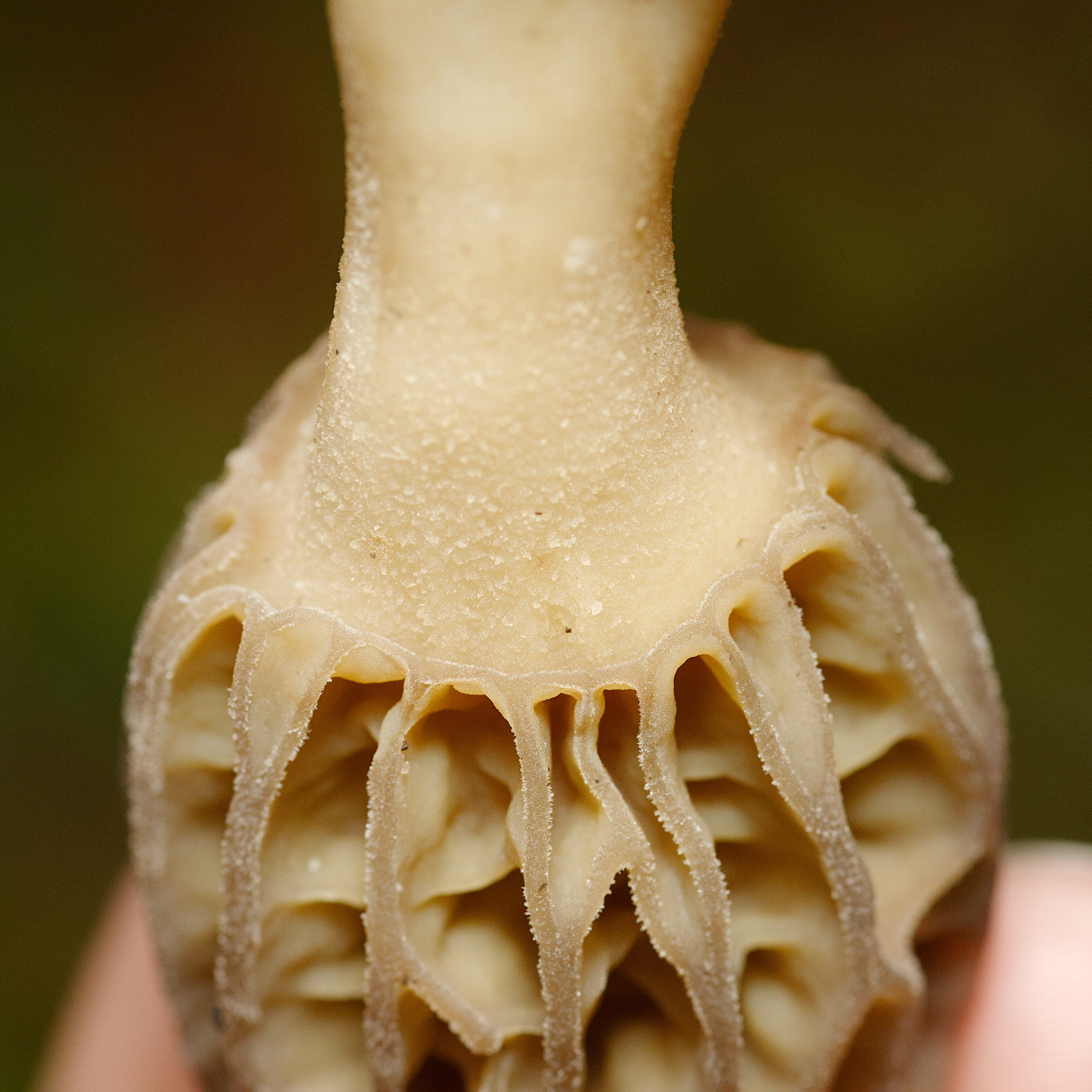
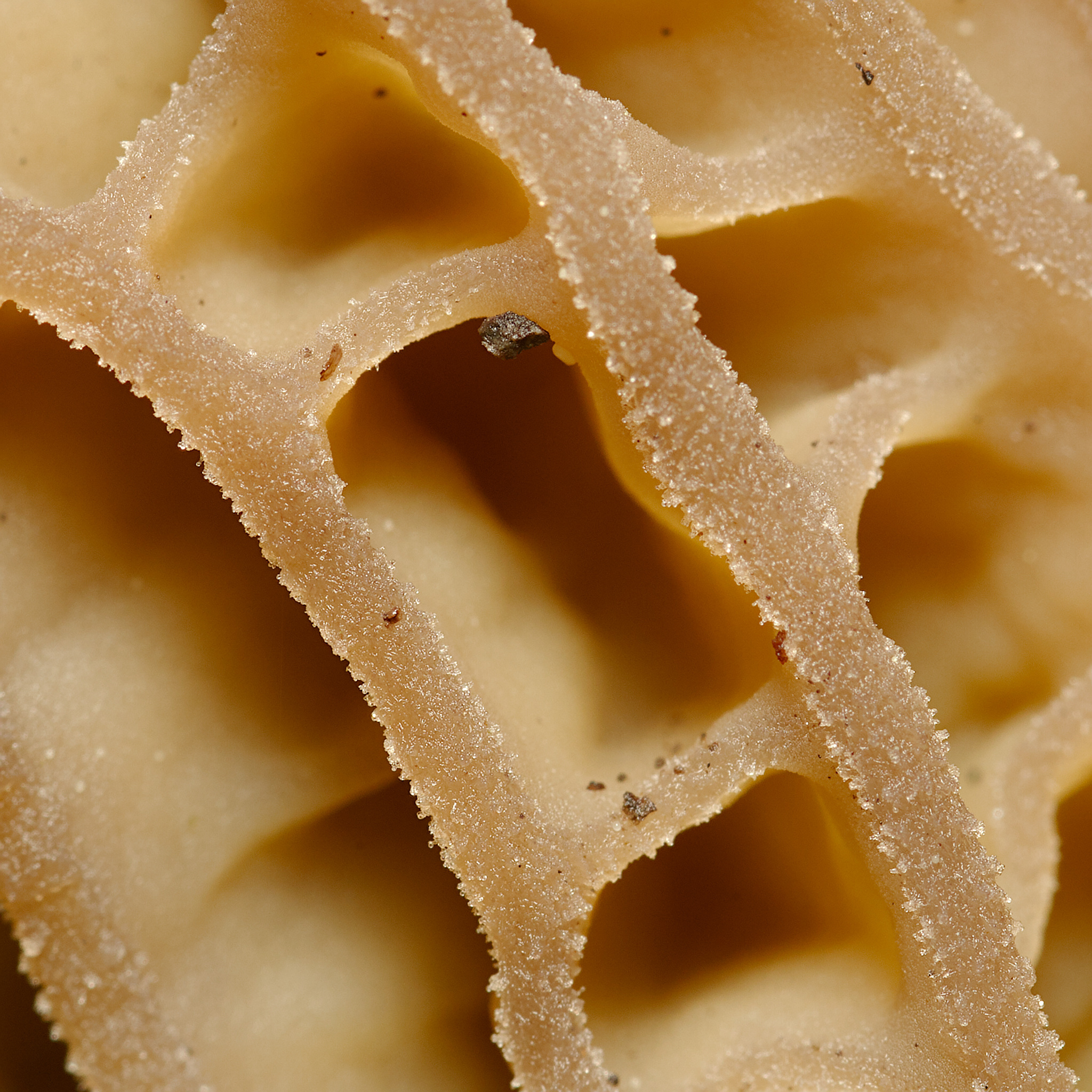
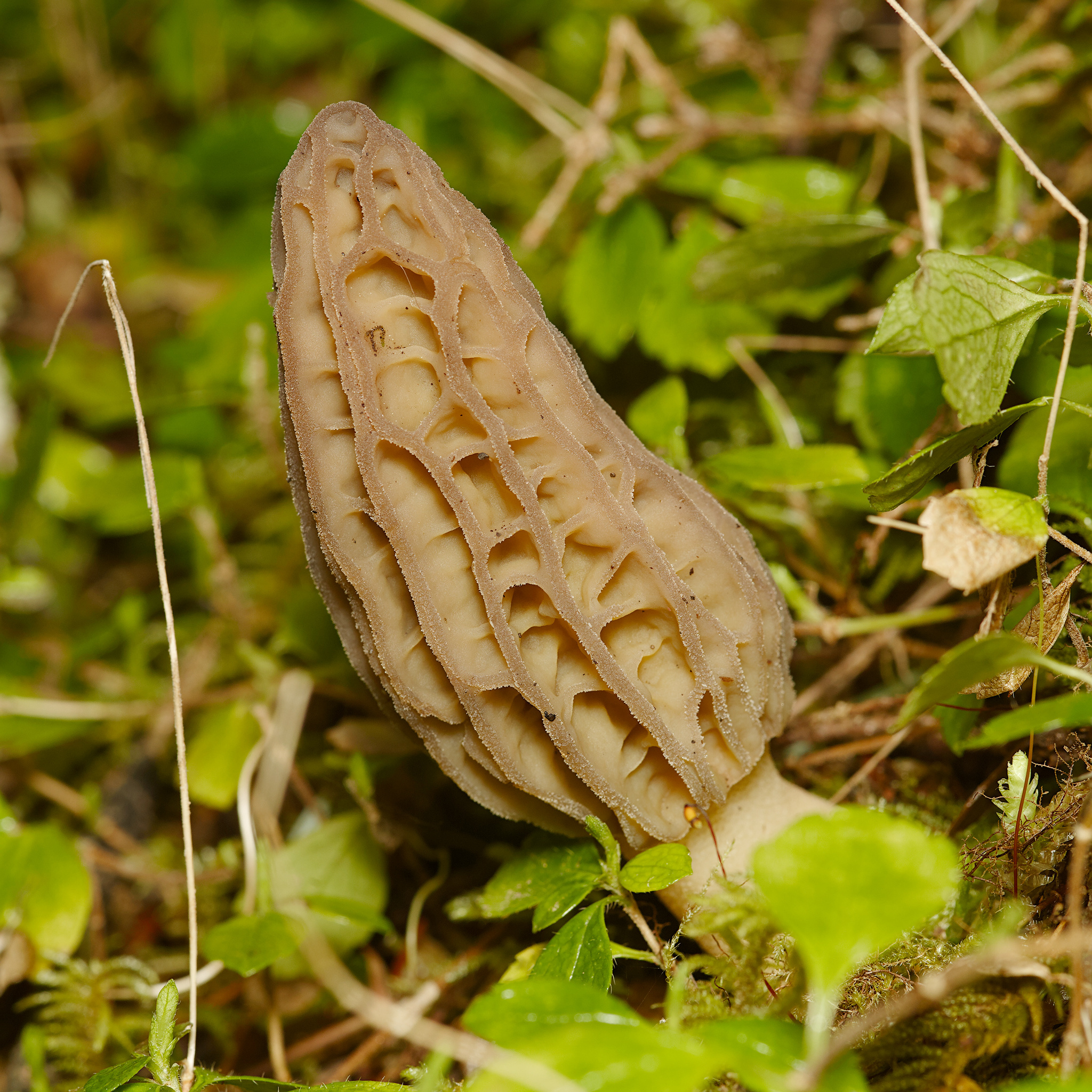
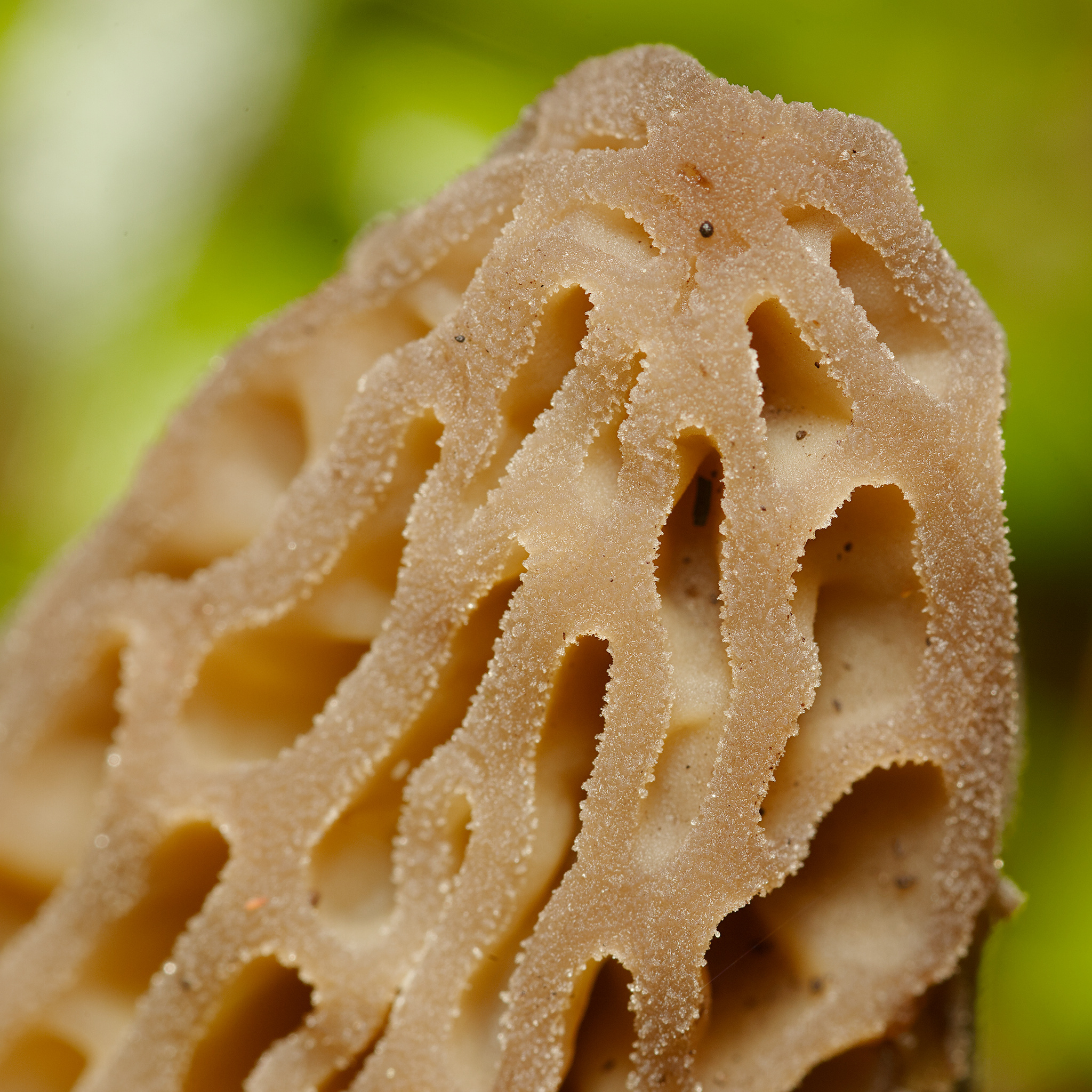
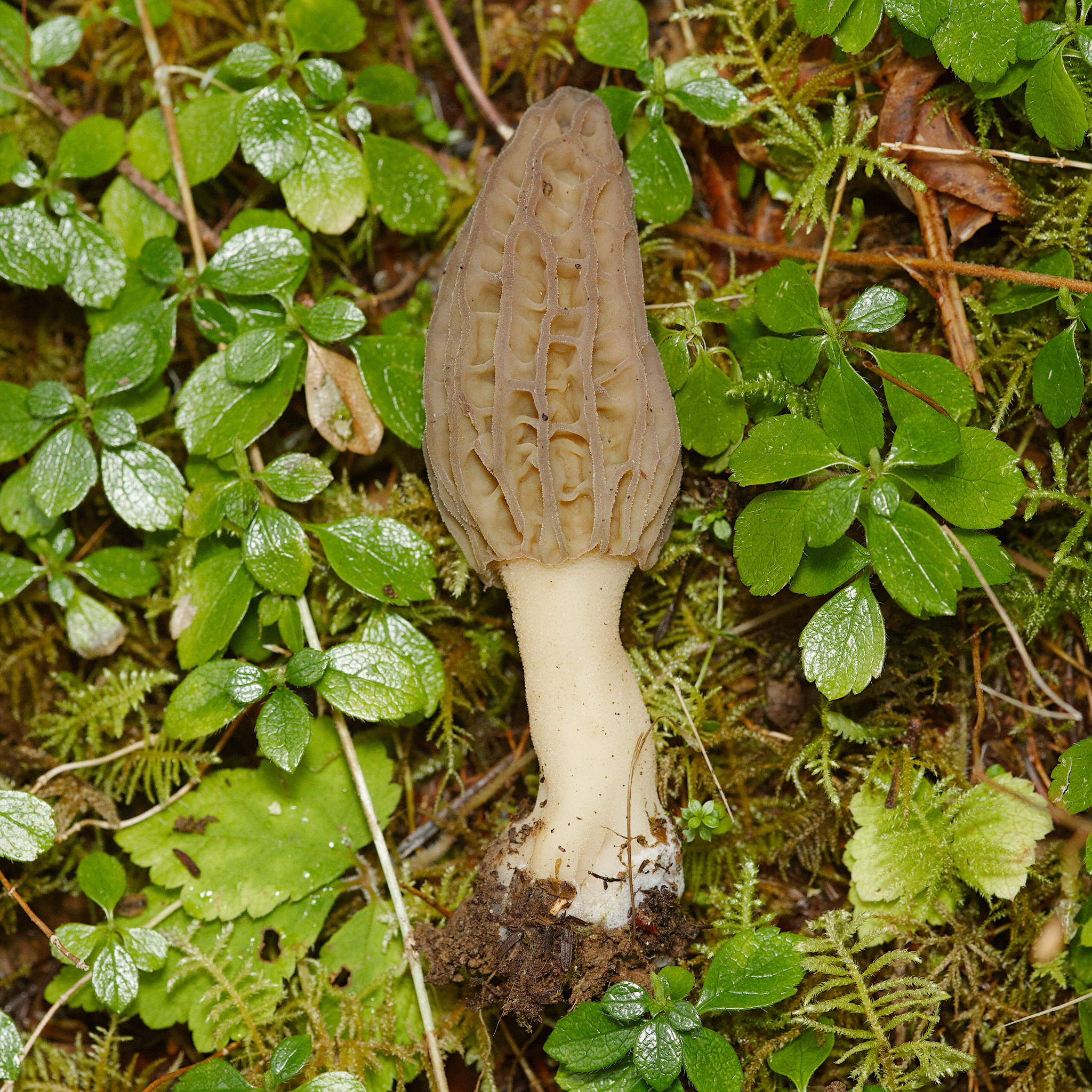
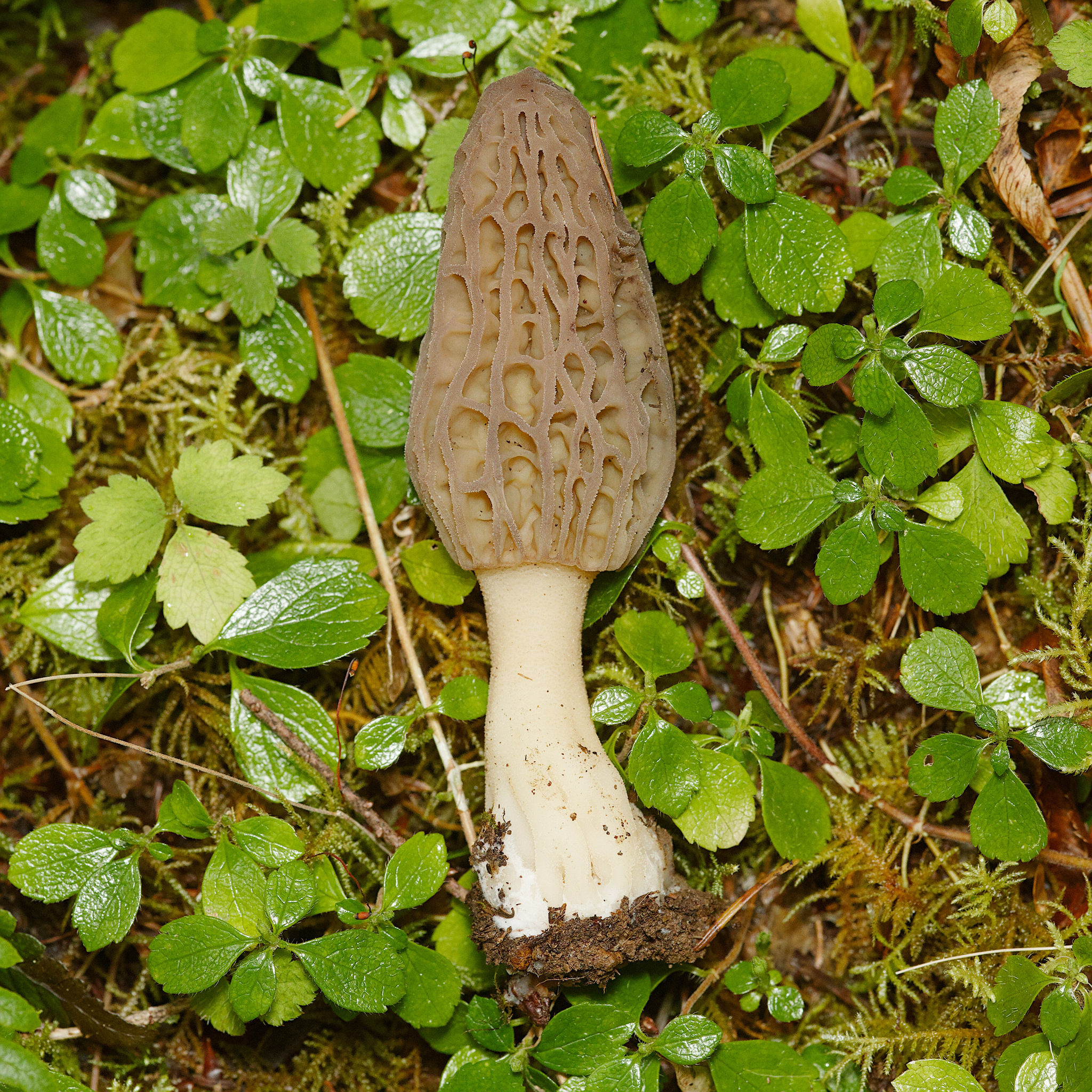
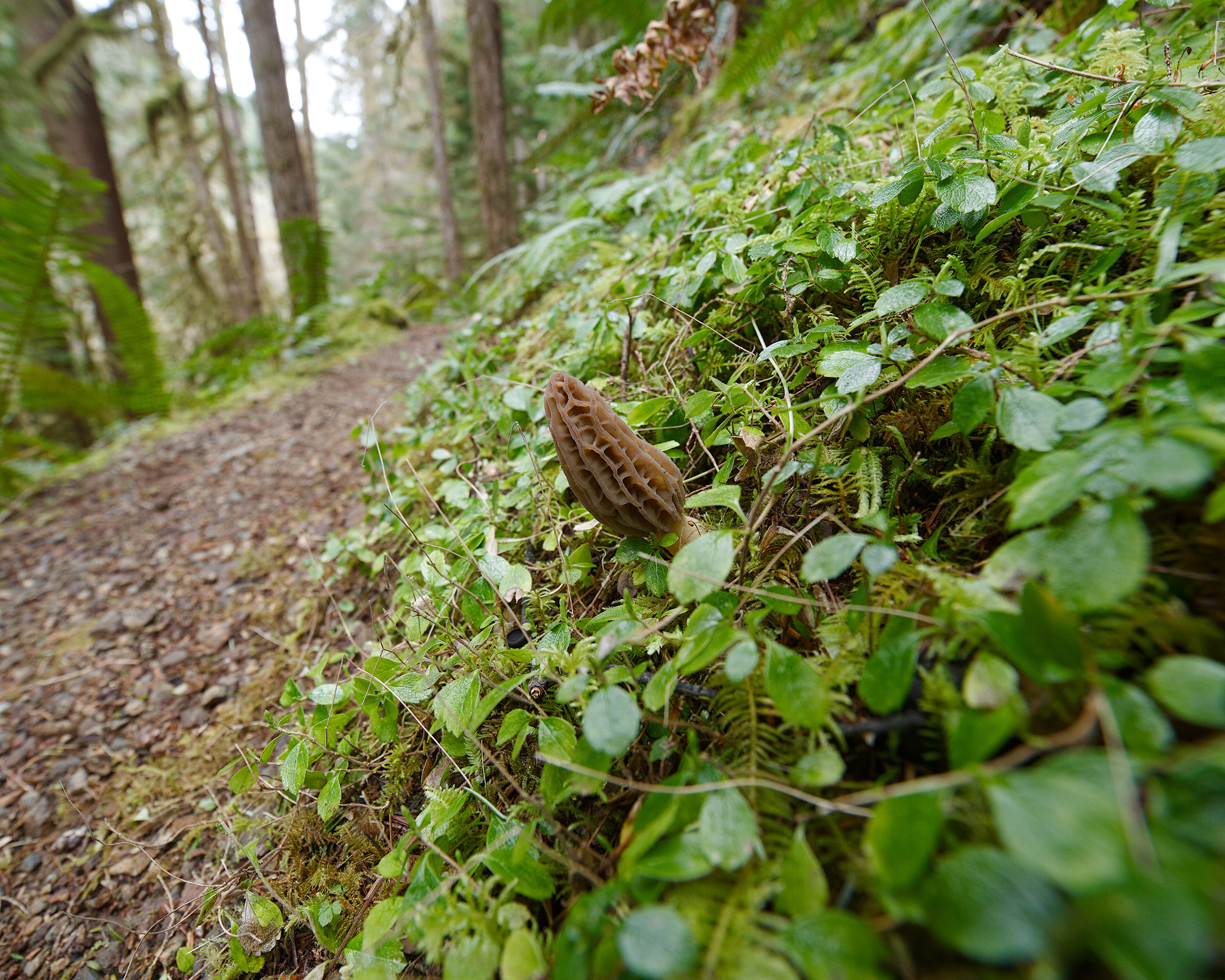
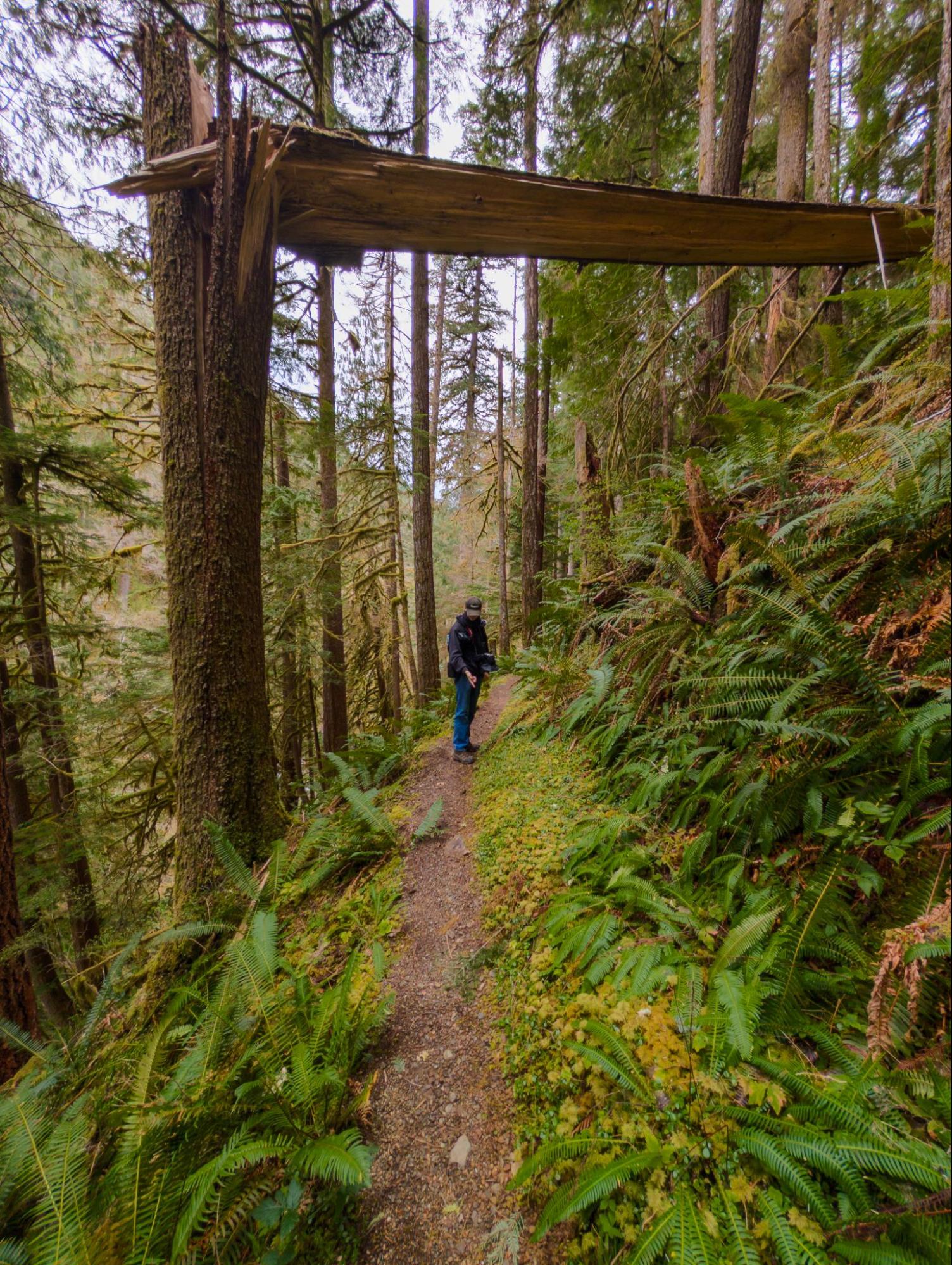
This Morchella collection (351054300), much more closely resembles the “true” M. norvegiensis. At least to our shared understanding. A beautiful collection that we had ignored on the way up. Also appears to associate with hemlock again though, so perhaps this will return the same sequence as our previous April morels and, the same as my 2024 collection.
Update: This has been returned as M. hotsonii being the best match. Making the below commentary more relevant here than it was on our surprise M. snyderi observation, as that name is not in the mix here.
+moved section+
A member of Morchella section Distantes, this is one of our local M. norvegiensis “group” members. I put the group in quotes because they could be a couple different species and there's a couple taxons that are thrown around for what is probably the same thing. Sometimes M. eohespera is used for example.* That and there’s another name, M. laurentiana, which has been used too but seems more limited to the east and Europe.
I’ve recorded morels here that returned sequences best matching M. hotsonii in 2024.
I’ve not delved deeply into Morchella taxonomy or phylogeny, as the reader might be able to tell, but I would love to contribute some useful data here on the topic. Will also tag in some comments from a couple people who are more proficient in these local species.
In some of our slightly later Morchella collections for this month we have made more of an effort to capture some of the finer macro-morphological details. We think this collection is the most different from the other few so far.
M. hotsonii seems to be the most likely and it seems like hemlock is a possible associate, while it is usually said true M. norvegiensis grows with spruce and might be later spring fruiting. The interesting part would be that we found a few specimens that more closely follow the true M. norvegiensis morphology, around this time and similar habitat, same location.
With the apparent hemlock association, locality, and timing within the season, I’m going to assume these may all return a sequence closest to M. hotsonii. However some credible sources suggest M. norvegiensis is not strictly limited to spruce association and I’m being told differentiating ITS here is also quite tough. I am interested to see if we can make any collections that help clarify any names.
*Being told that taxon is synonymous and the formerly mentioned name takes priority by some people, however Beug seems to insist his name, the latter, takes priority. Good thing this sequence came back as neither… currently.
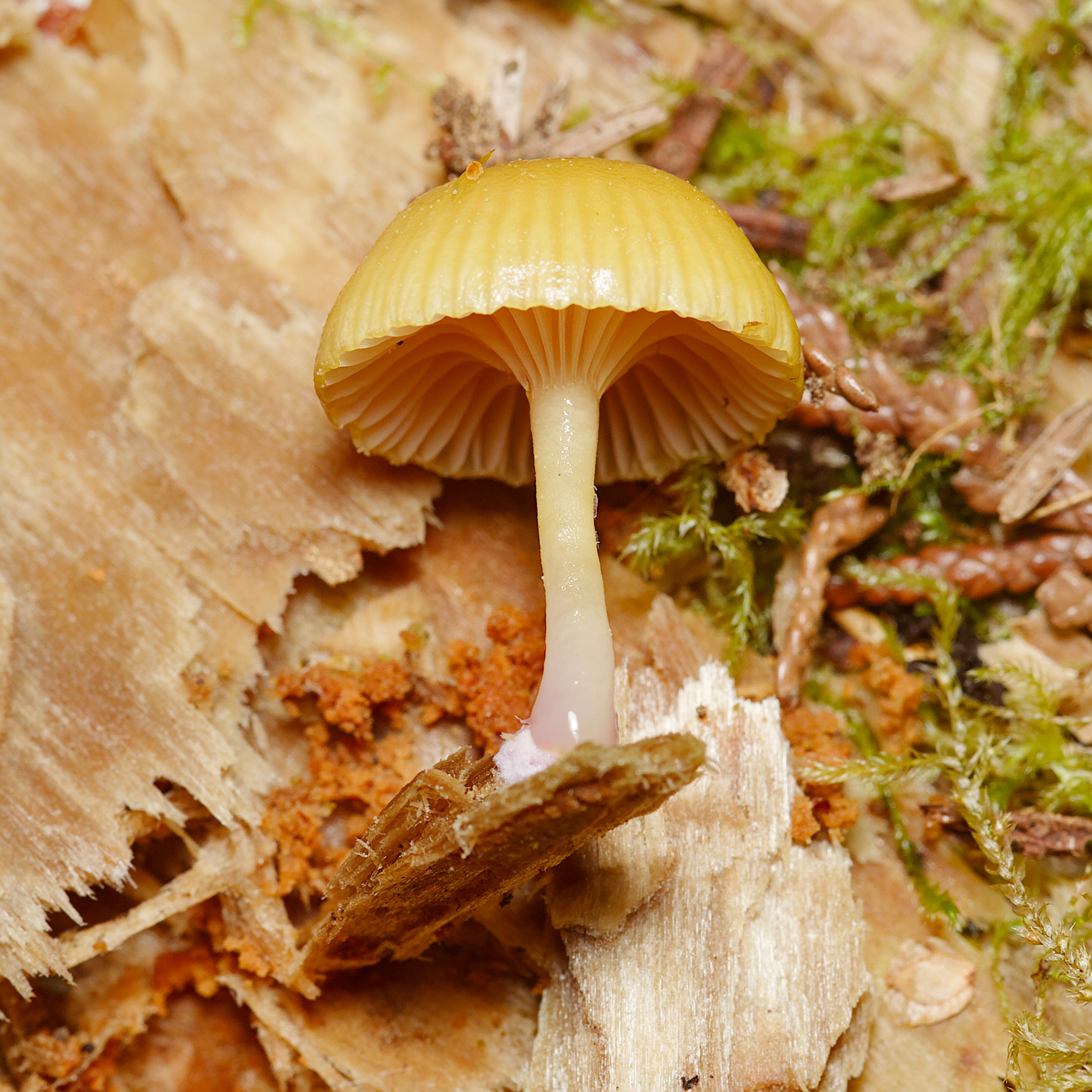
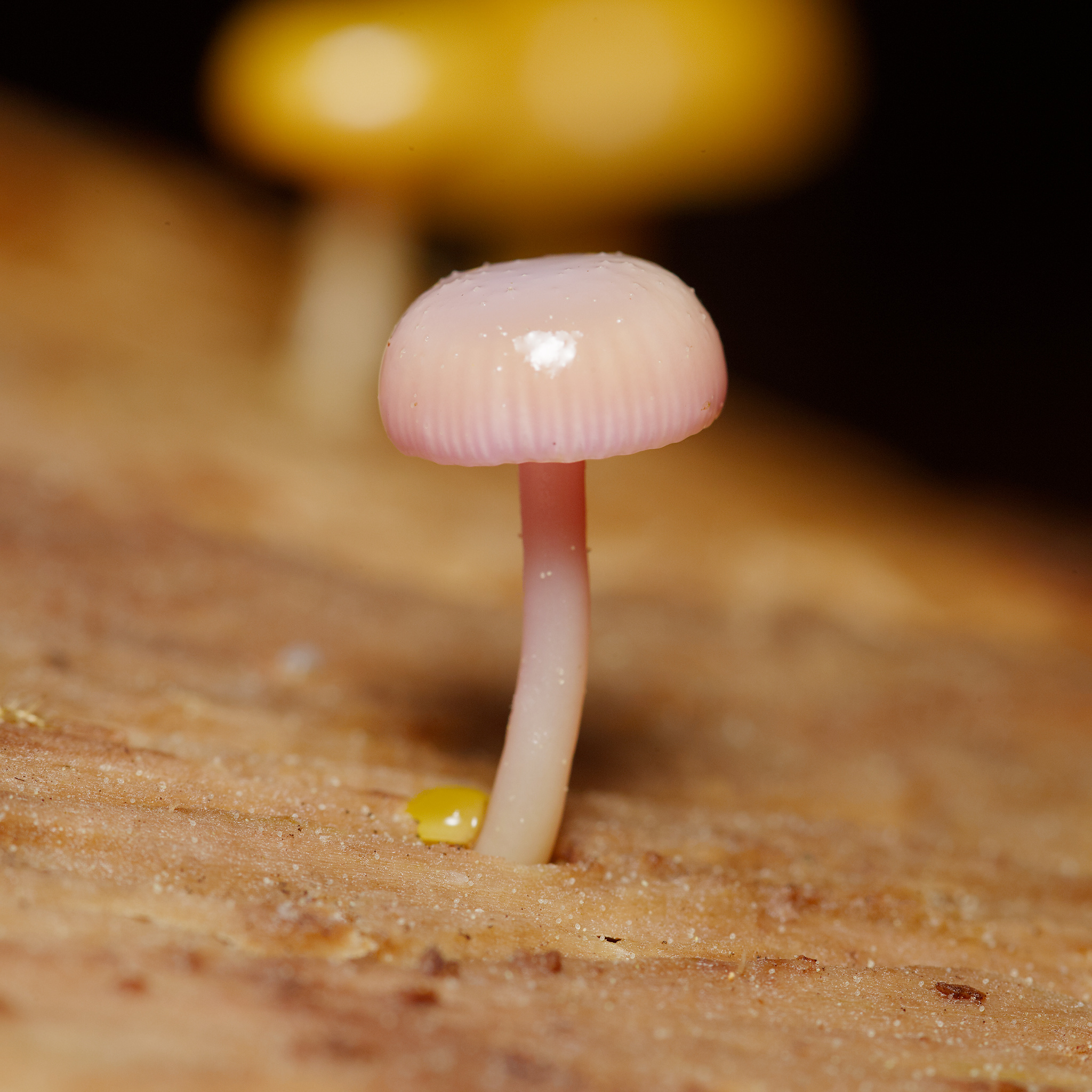
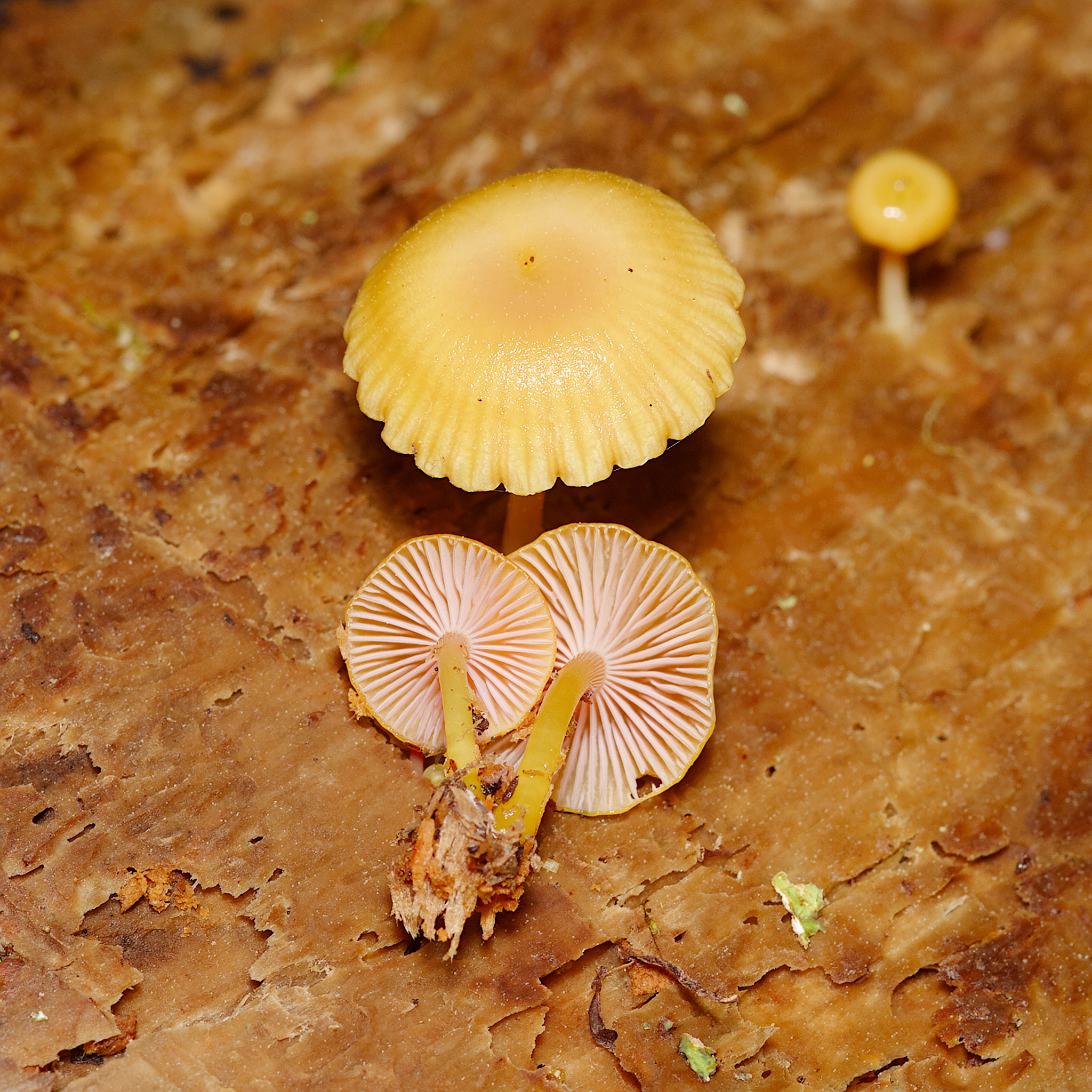
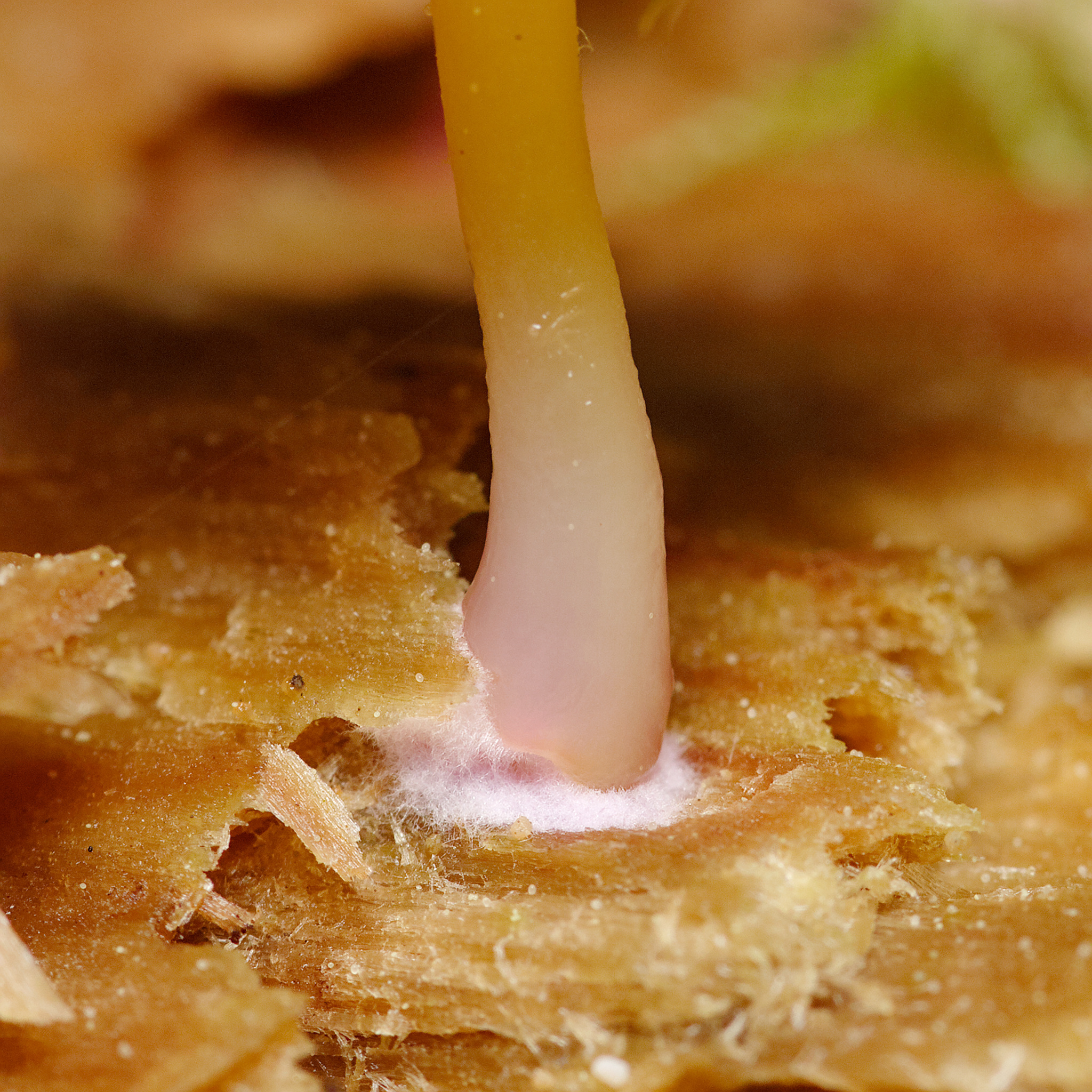
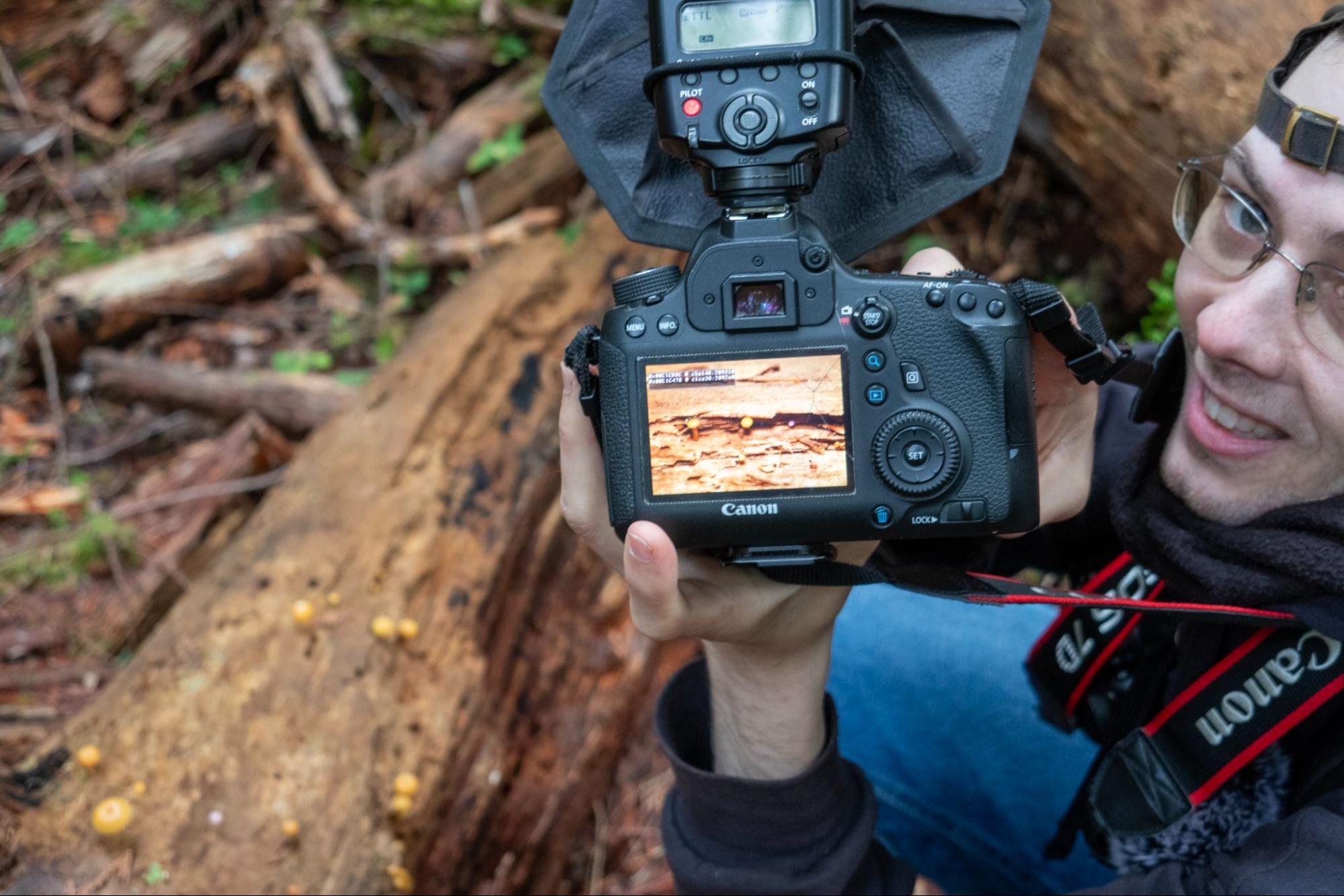
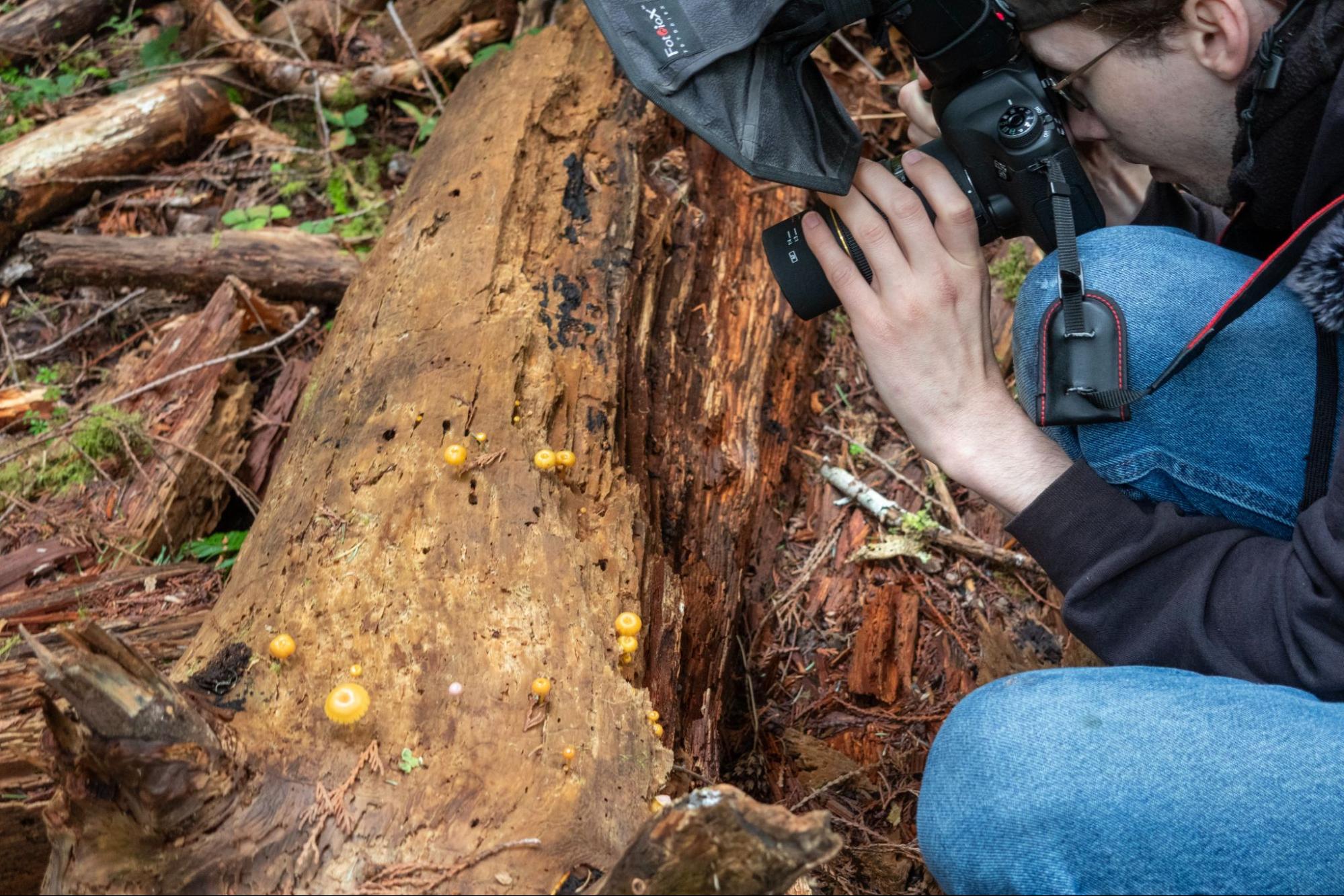
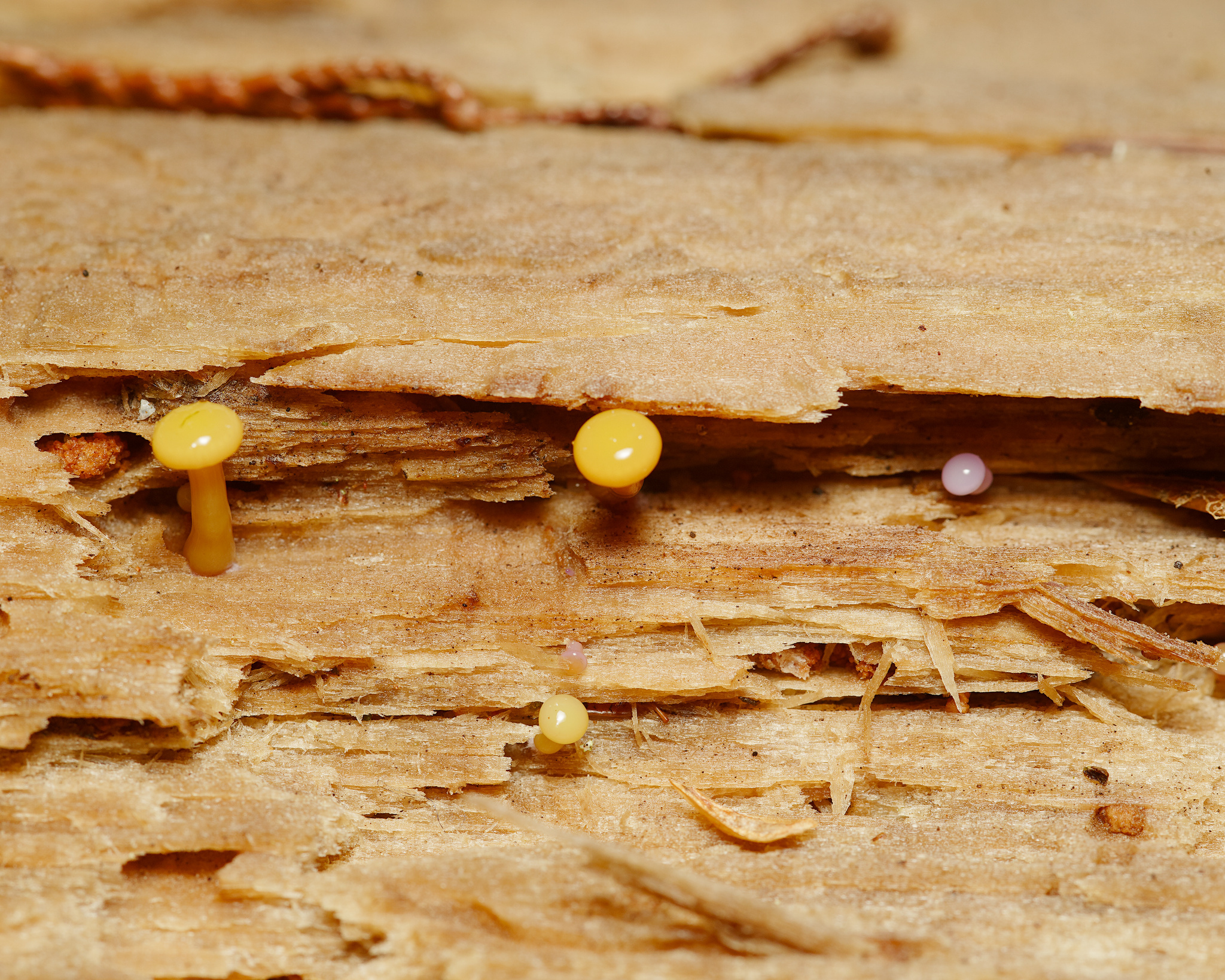
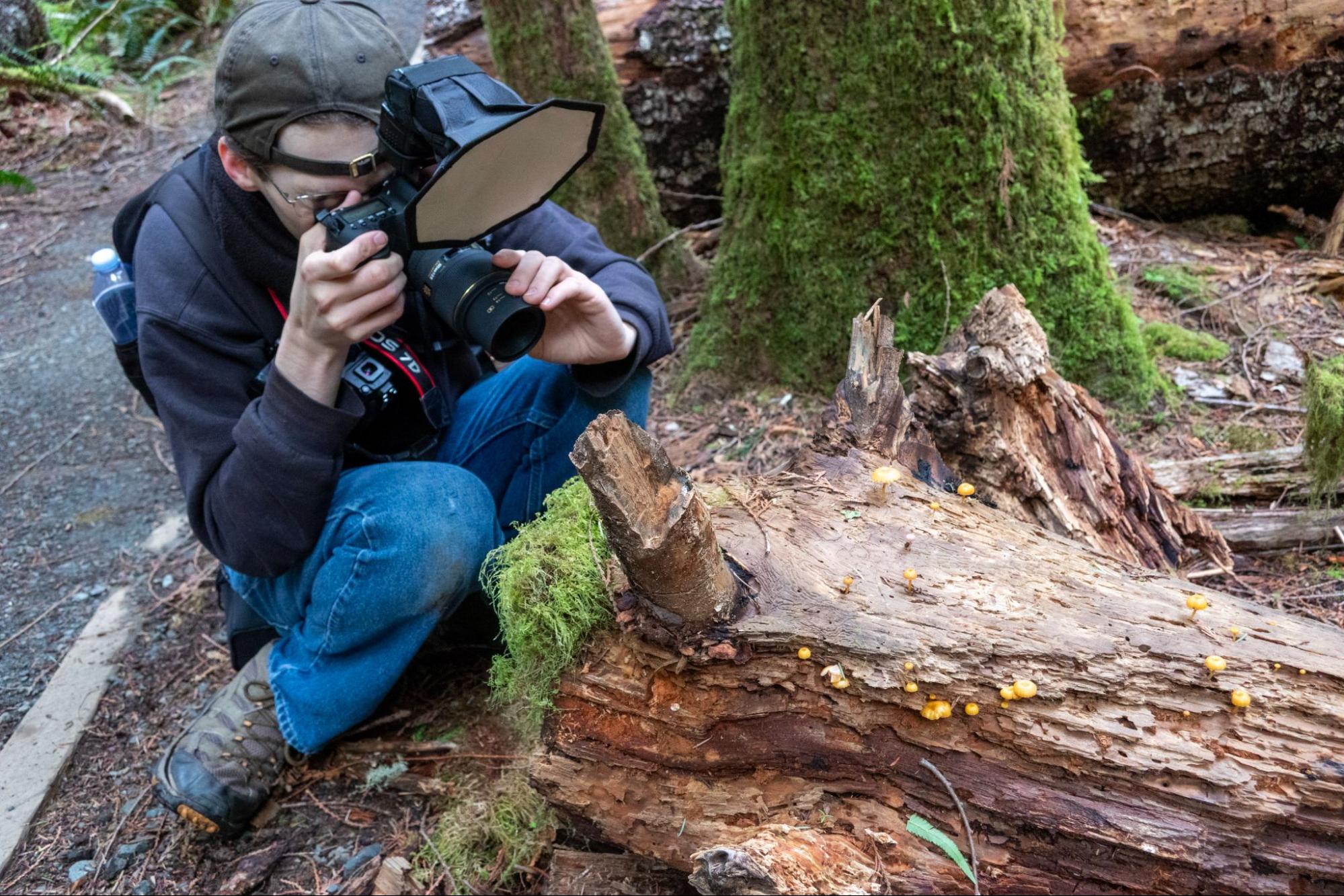
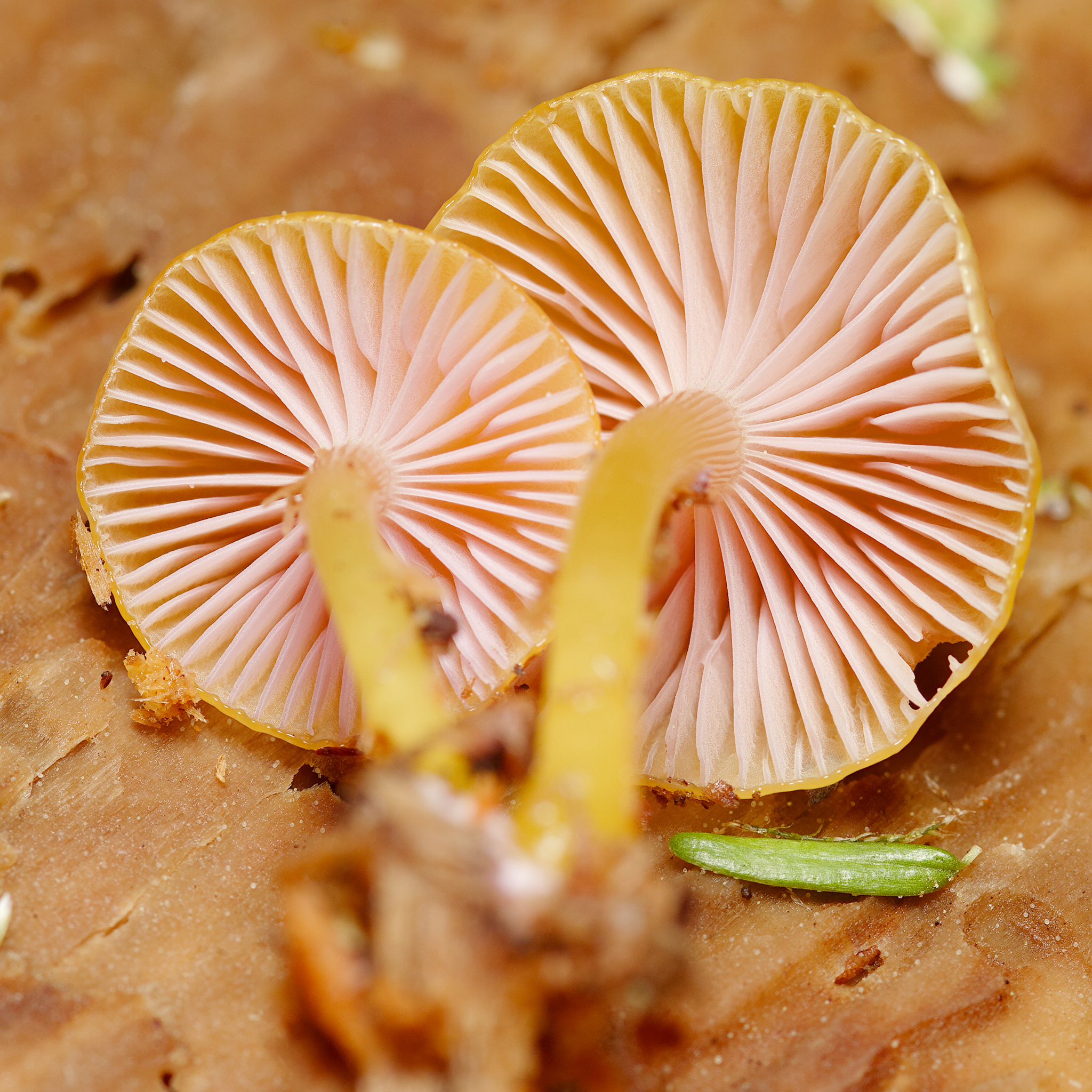
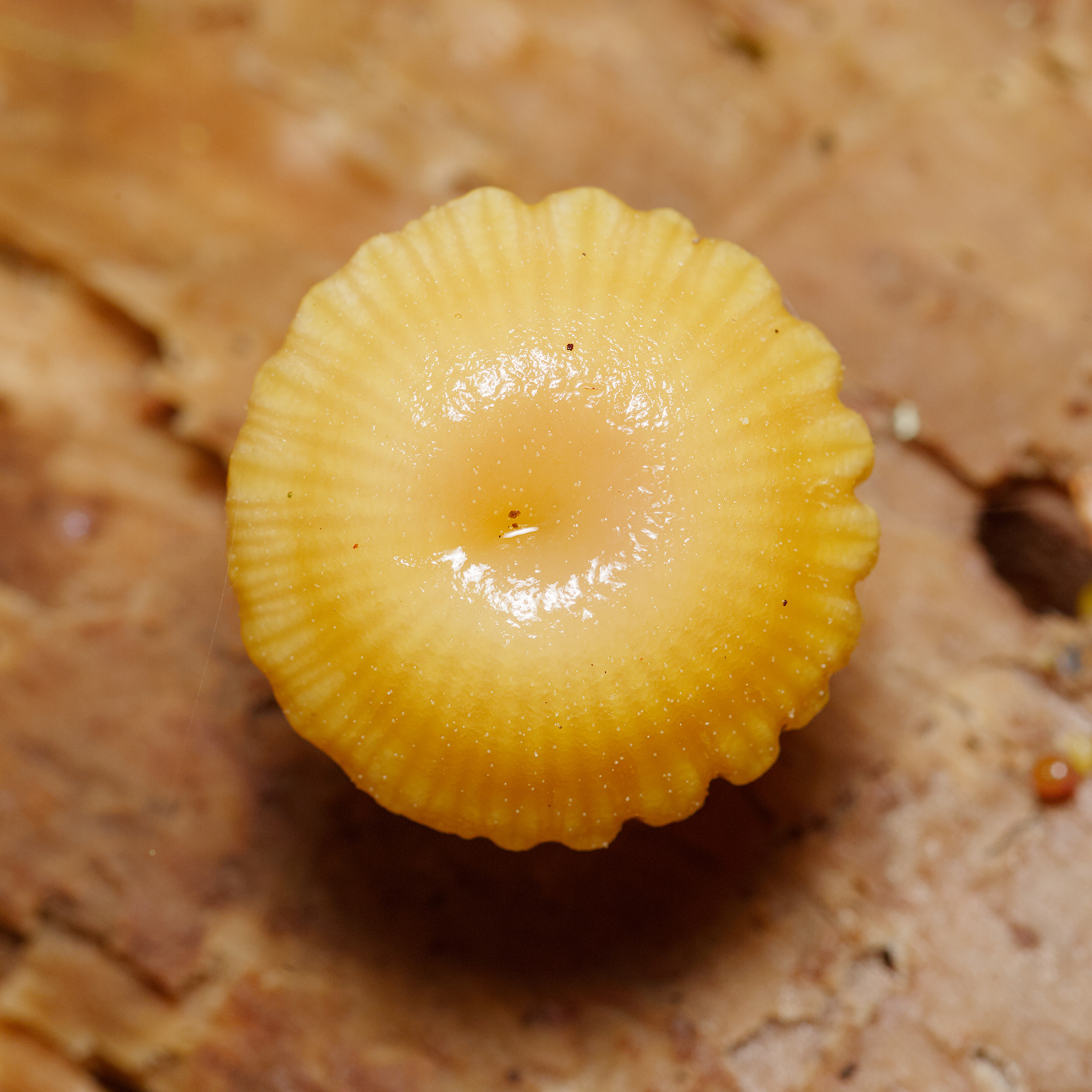
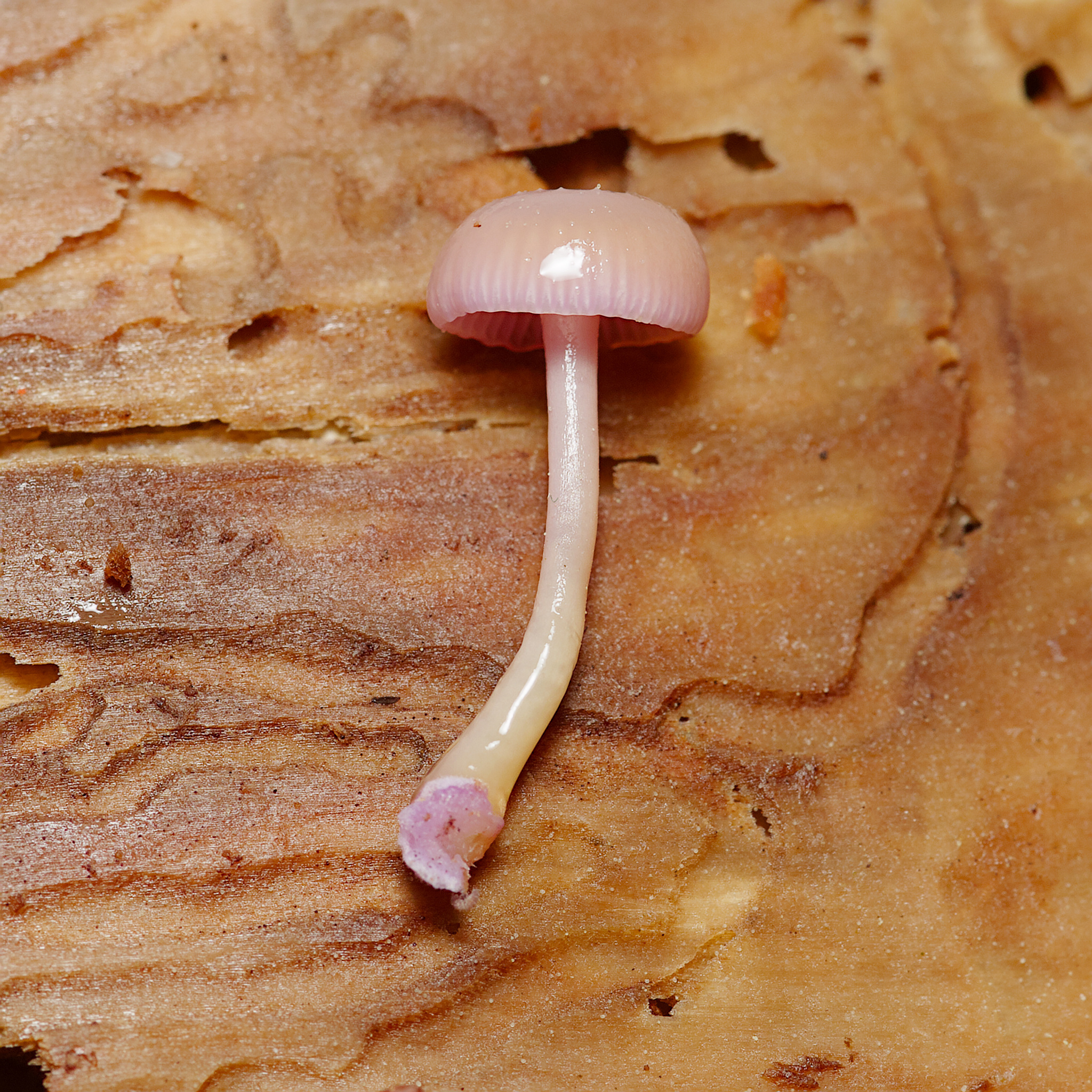
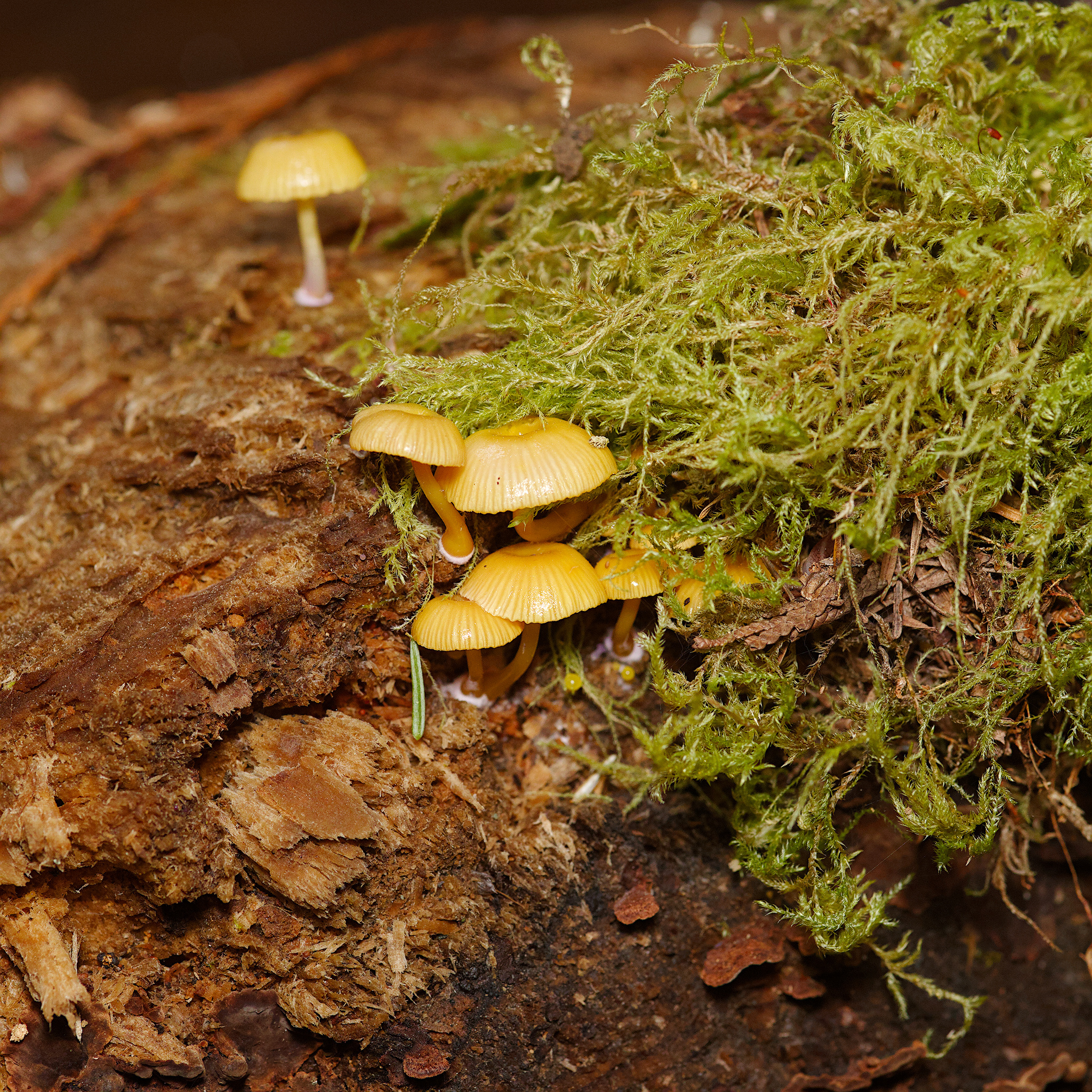
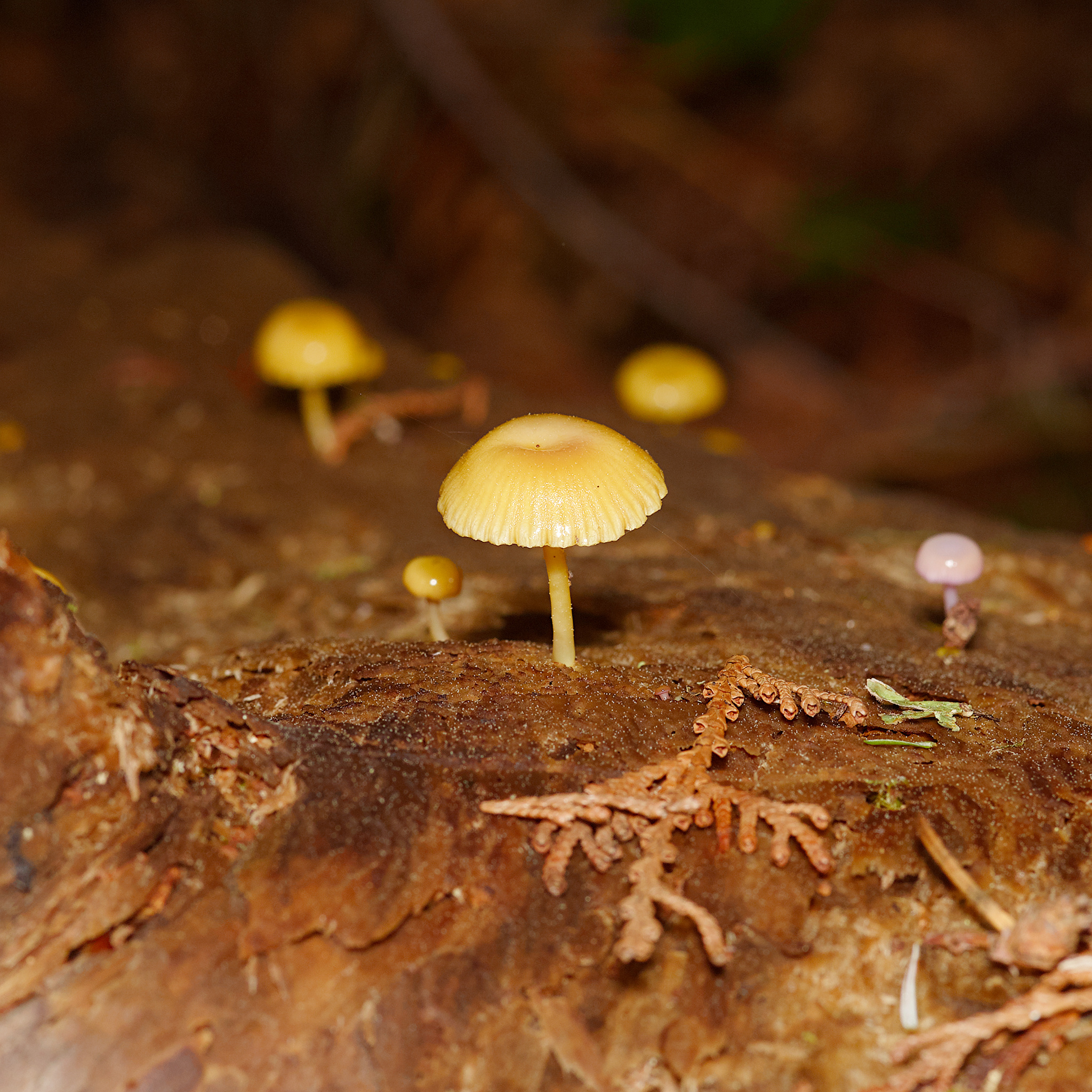
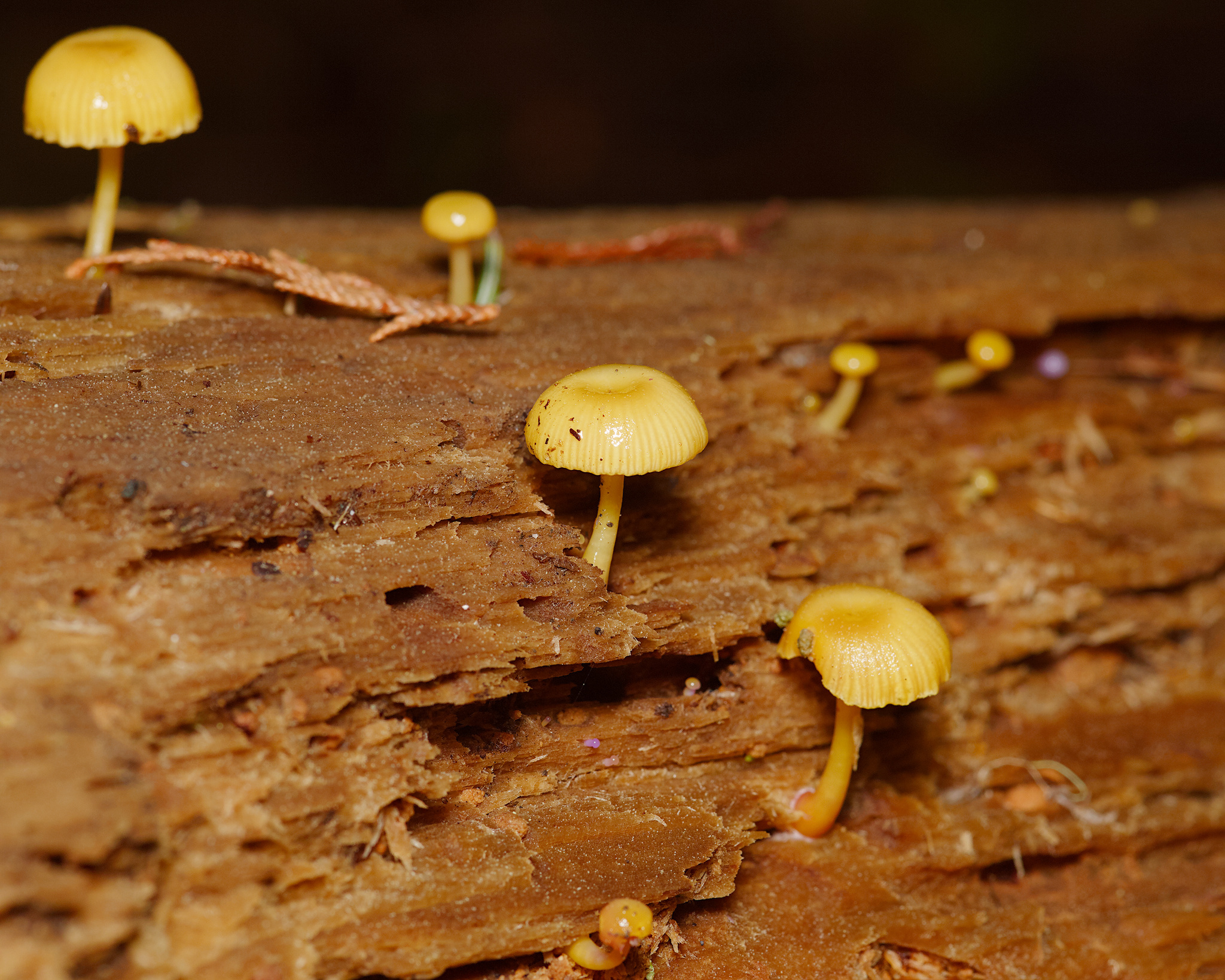
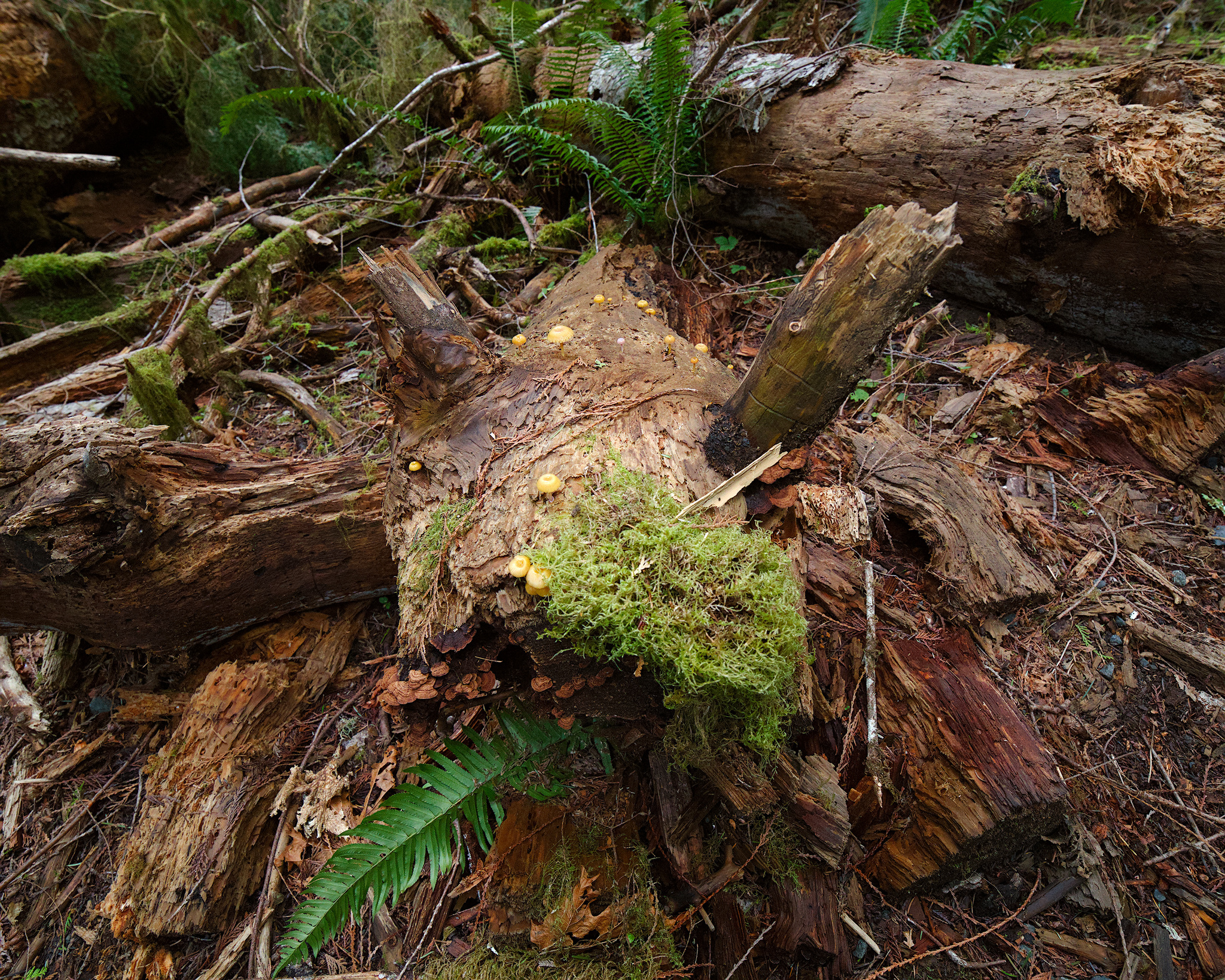
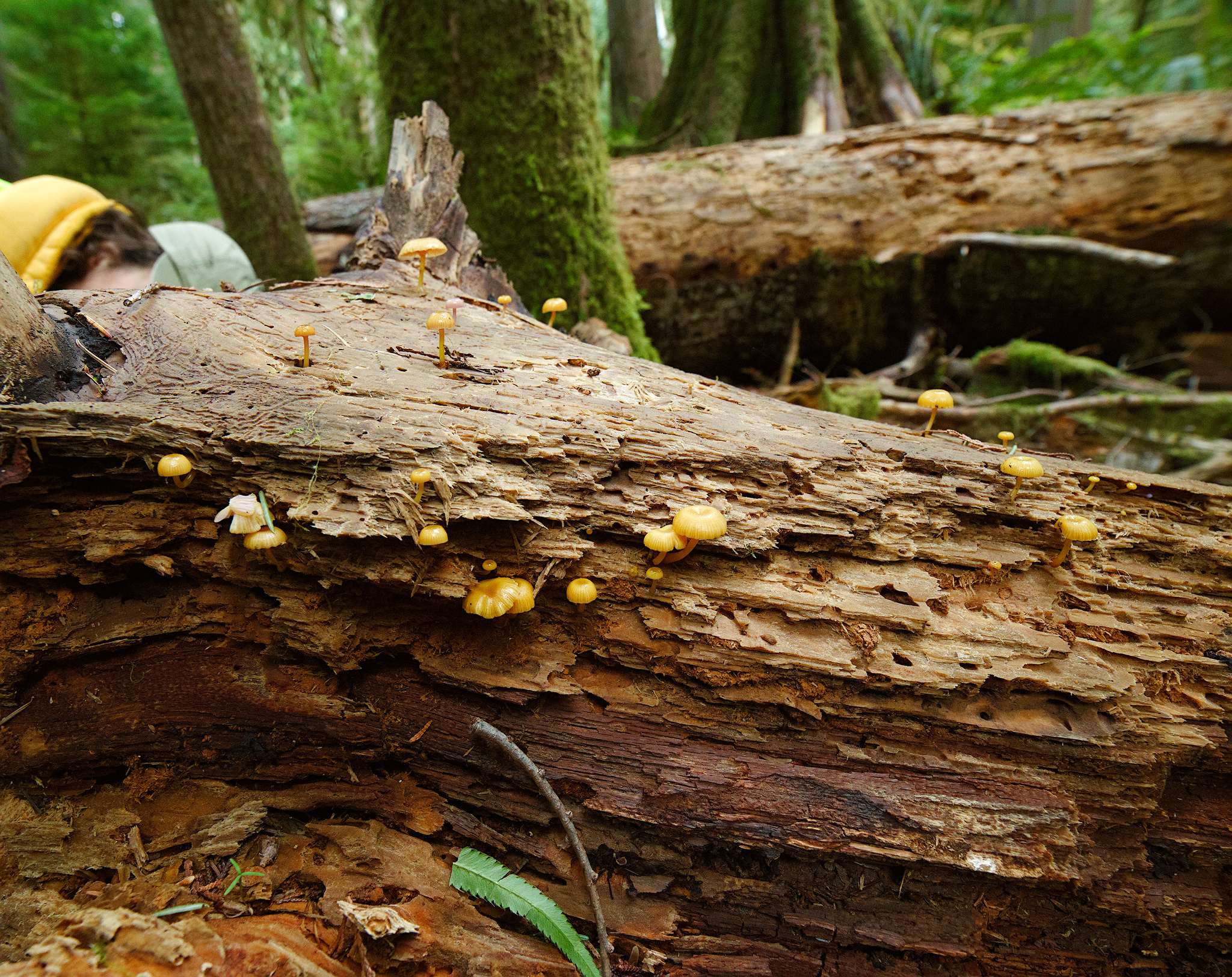
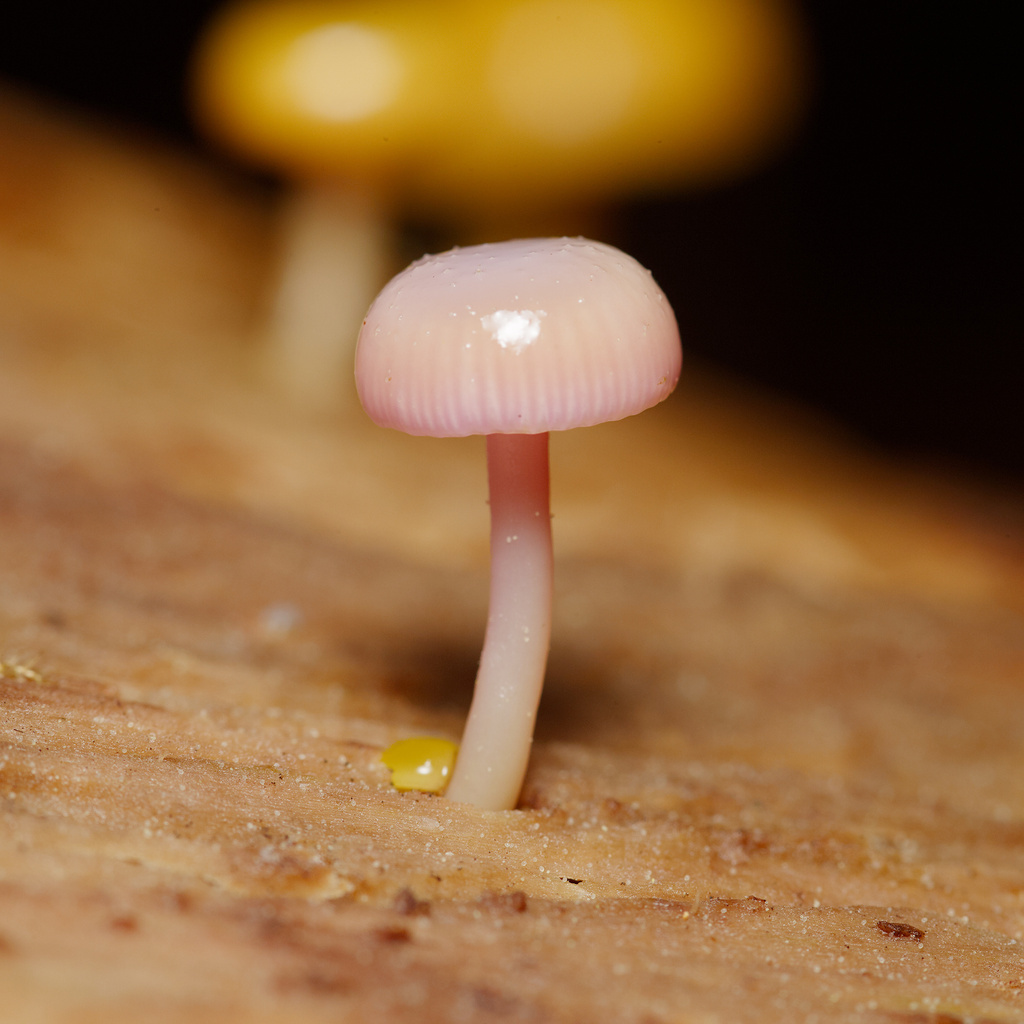
Just wow. This collection of Chromosera (351054307) blew me away. Apparently it’s not super uncommon, but it’s the first time I’ve seen the genus. A member of the Hygrophoraceae, it is closely related to Hygrocybe, but fruits directly on wood. Assuming this is C. loreleiae, a species described from conifers in the west in 2025. This is indeed quite west and coniferous, so I think that’s a safe assumption and will be glad to add data here. I was absolutely freaking out over some of the color and texture here, one of my new favorite species, that purple has been my favorite color. Here’s a number of additional photos!
Update: Sequencing has returned a result of Chromosera loreleiae.
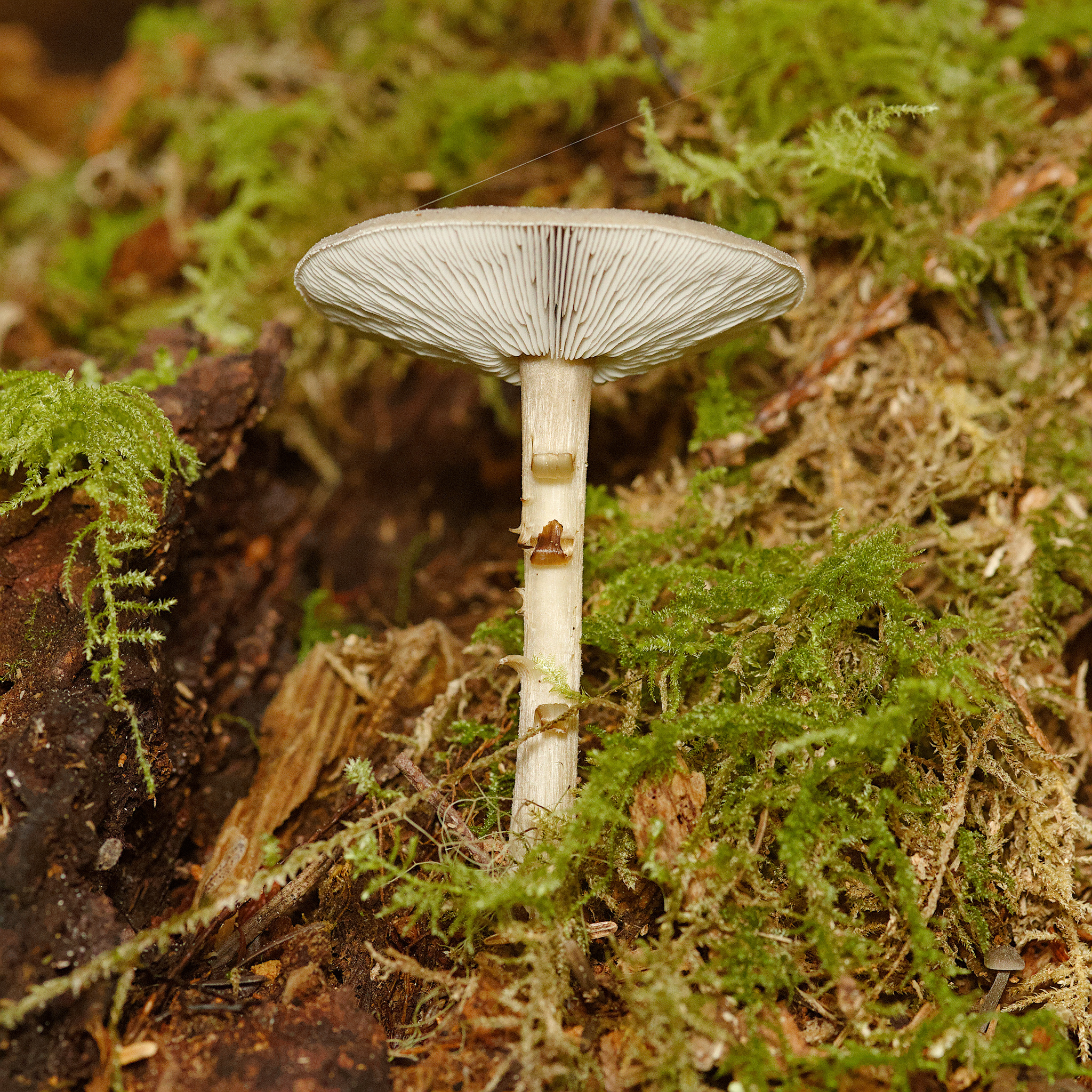
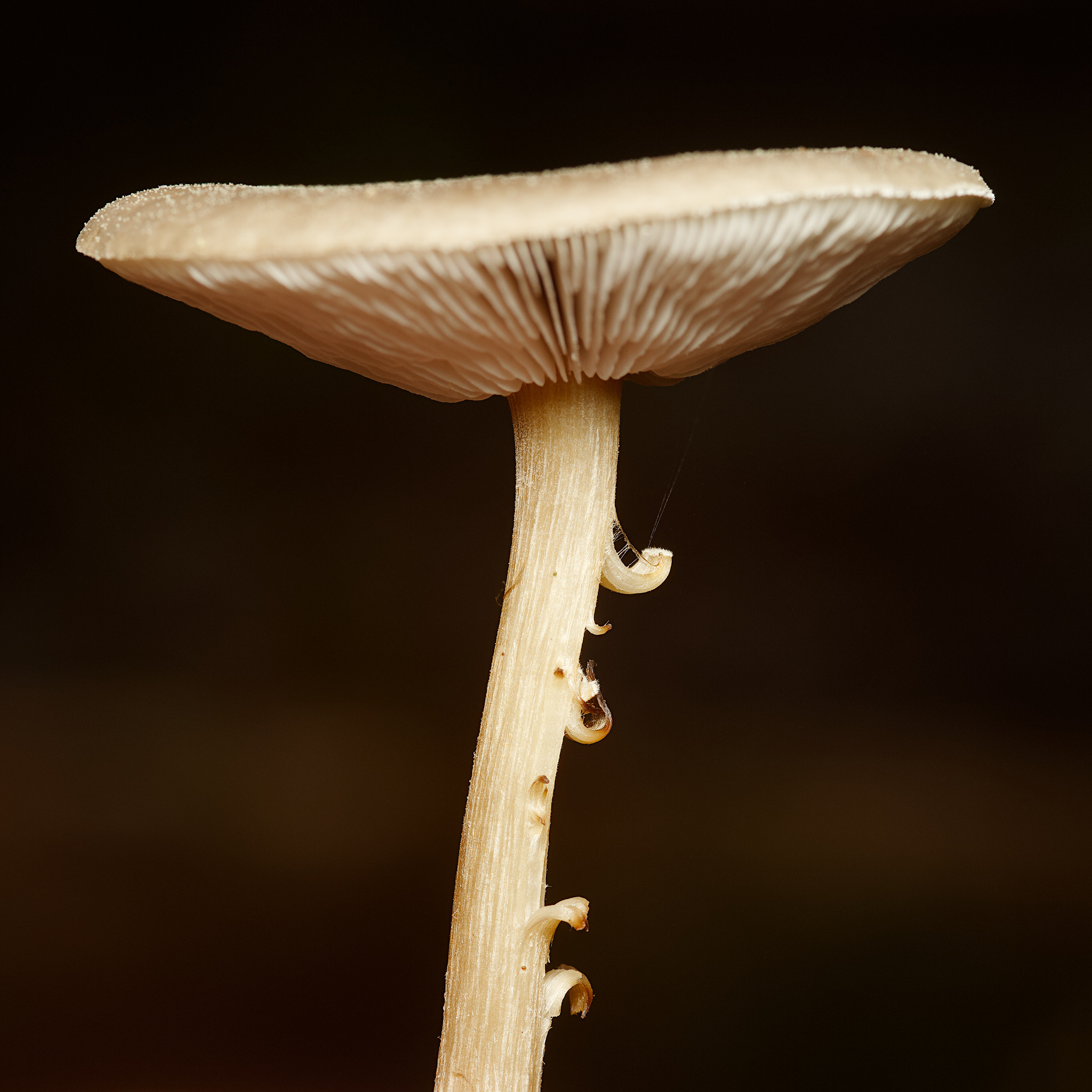
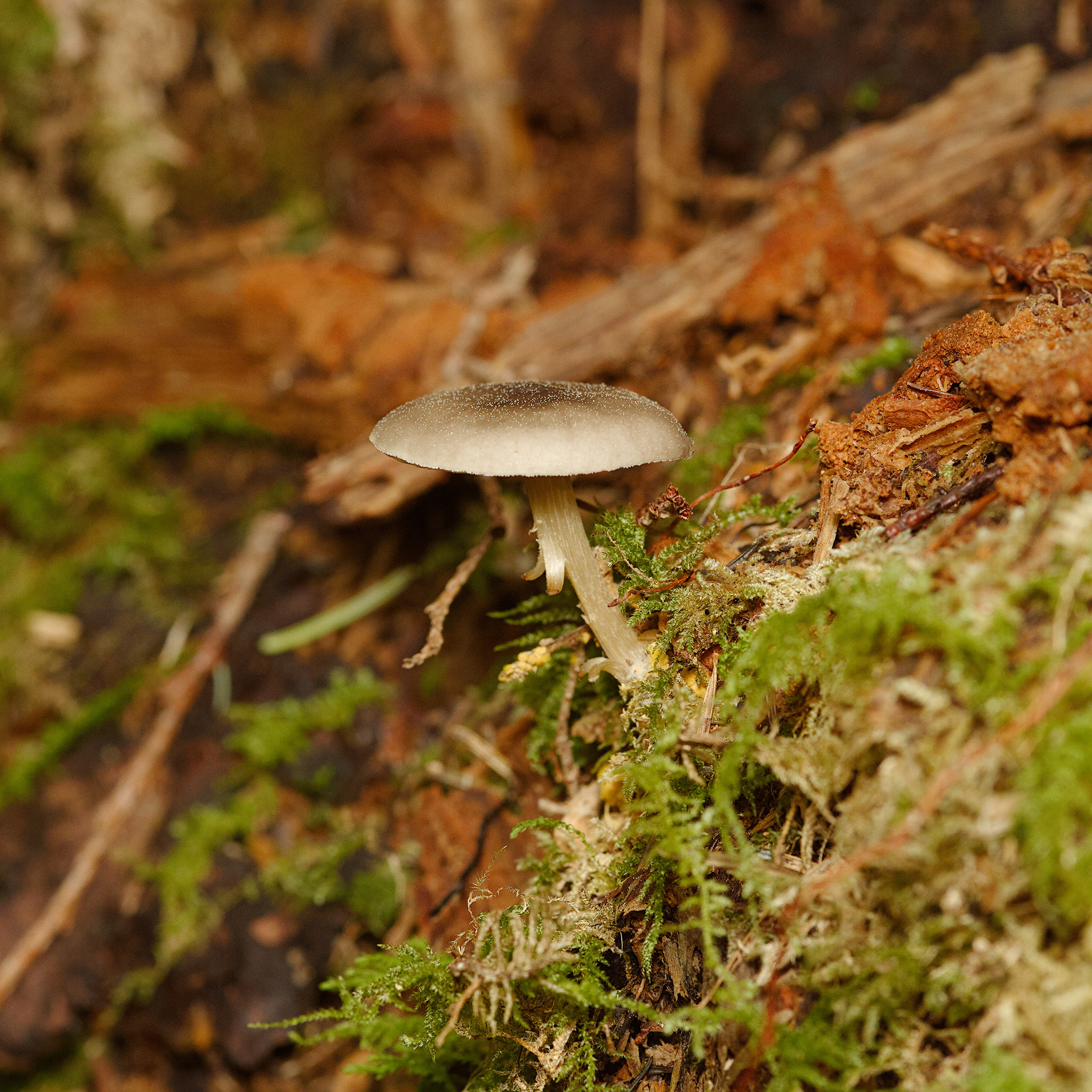
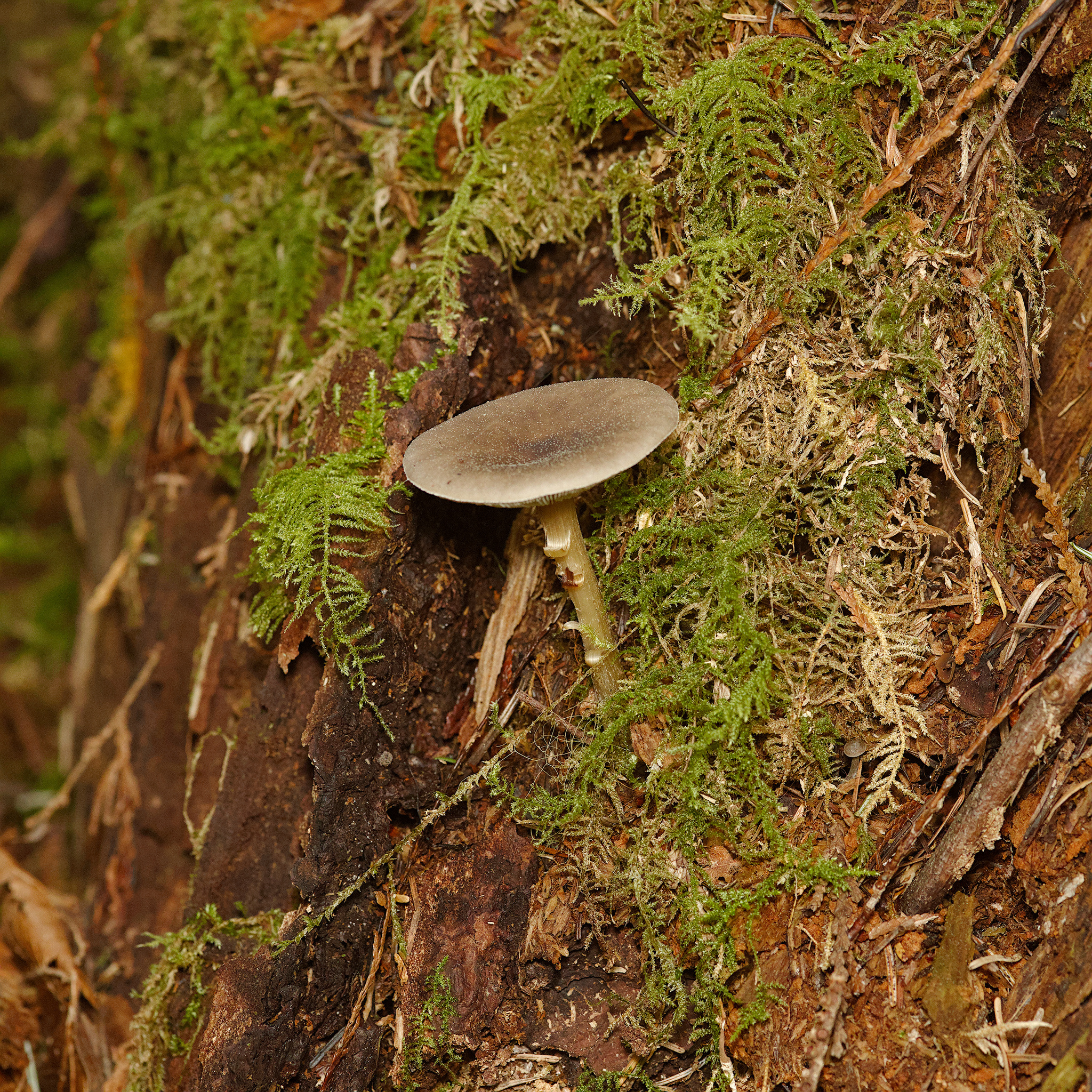
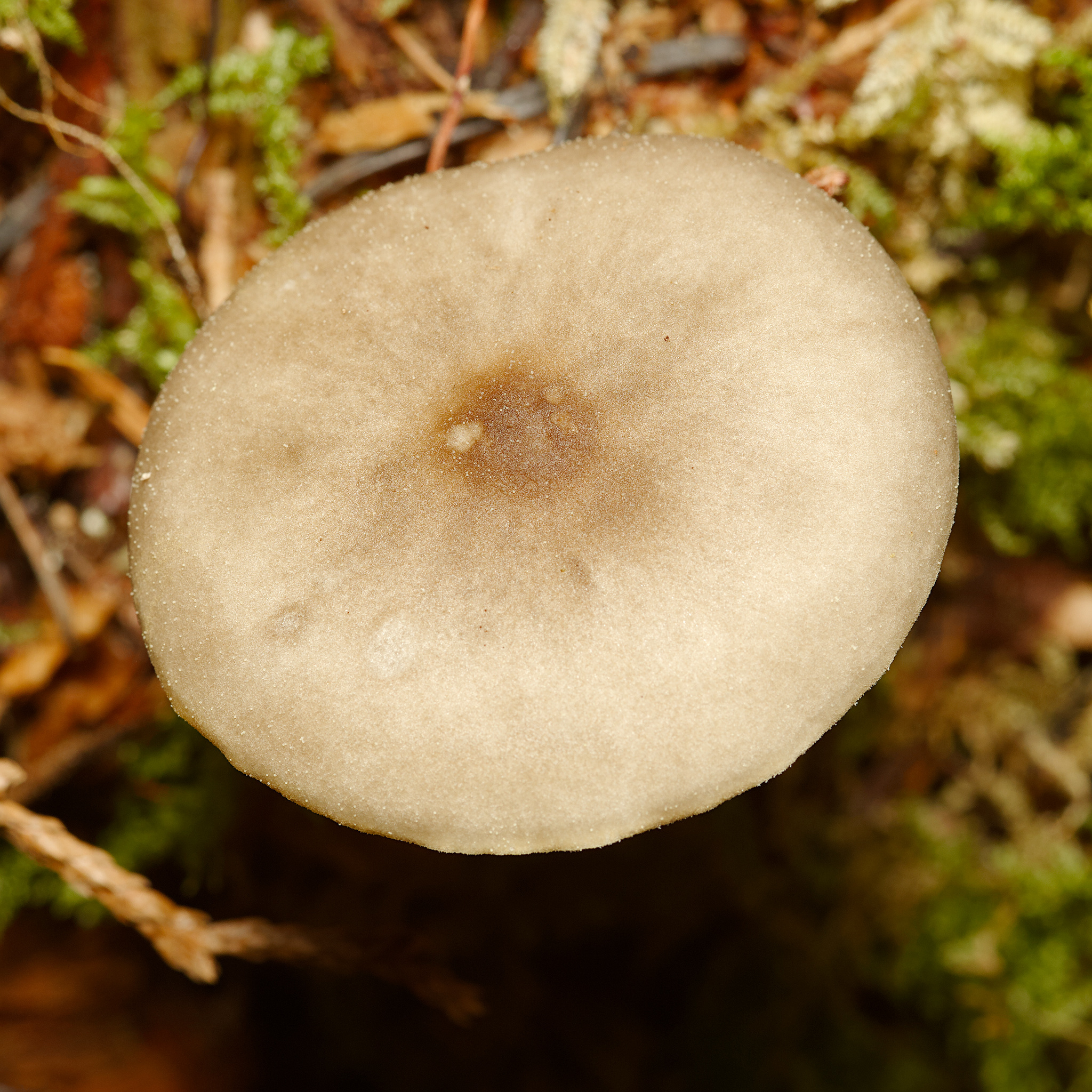
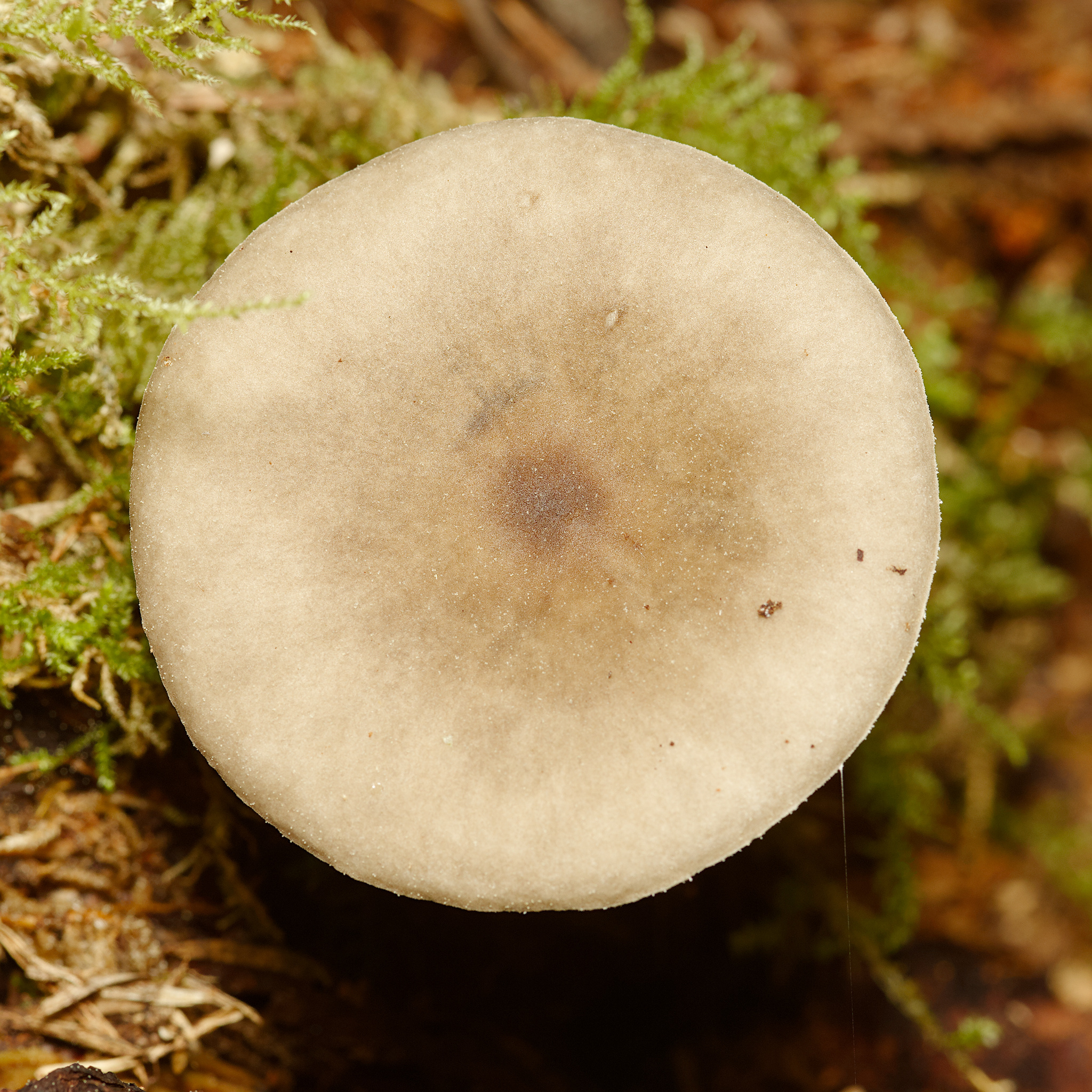
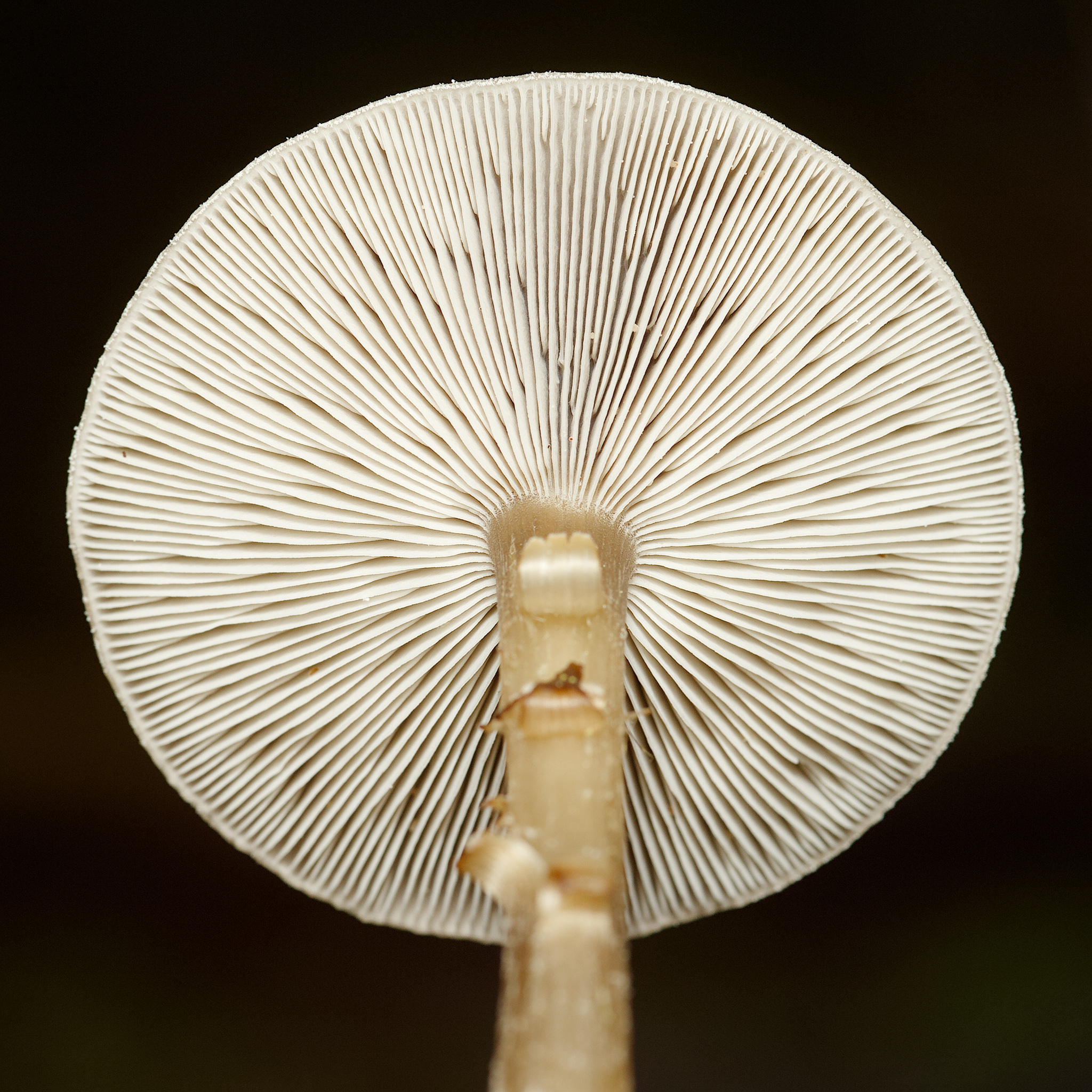
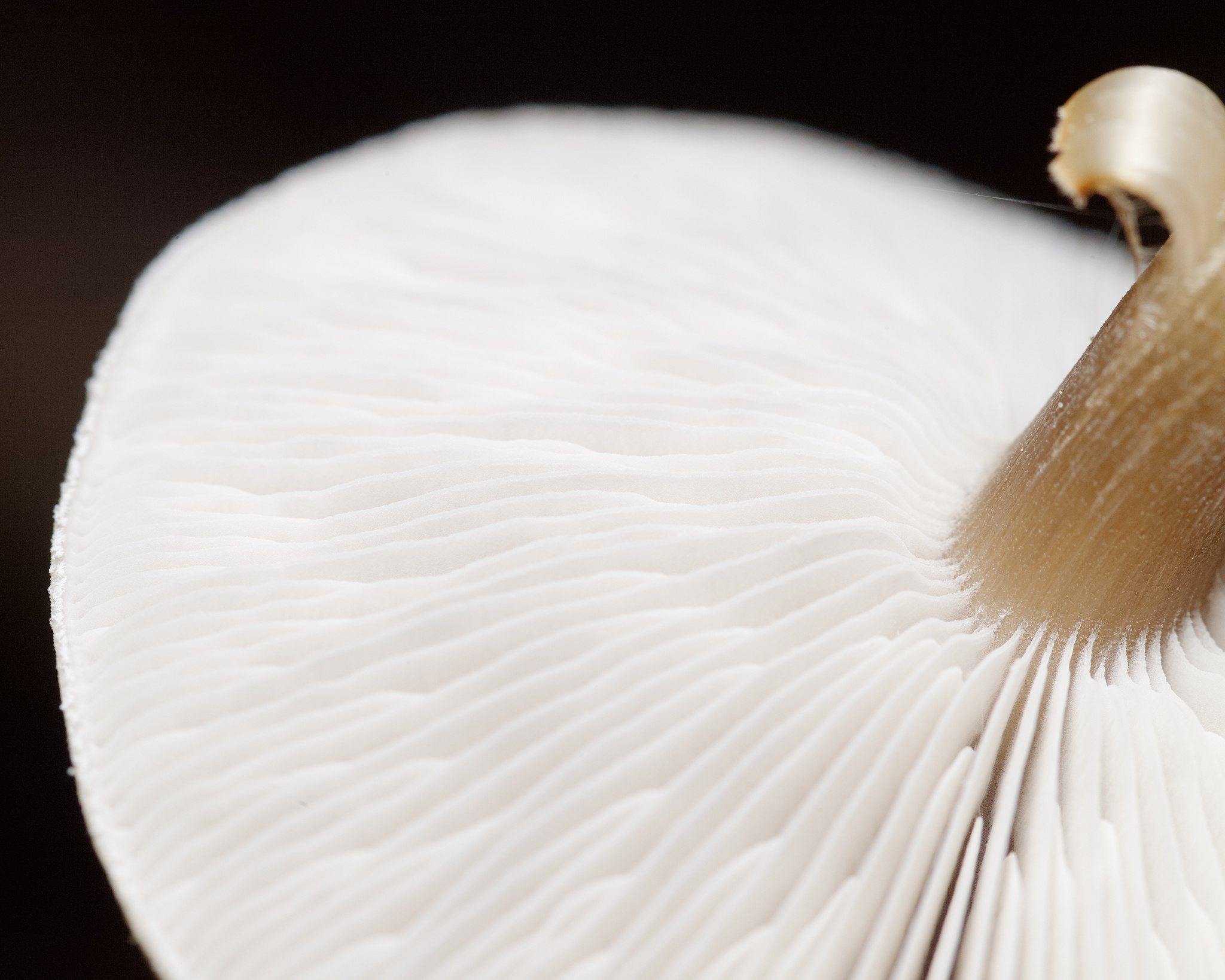
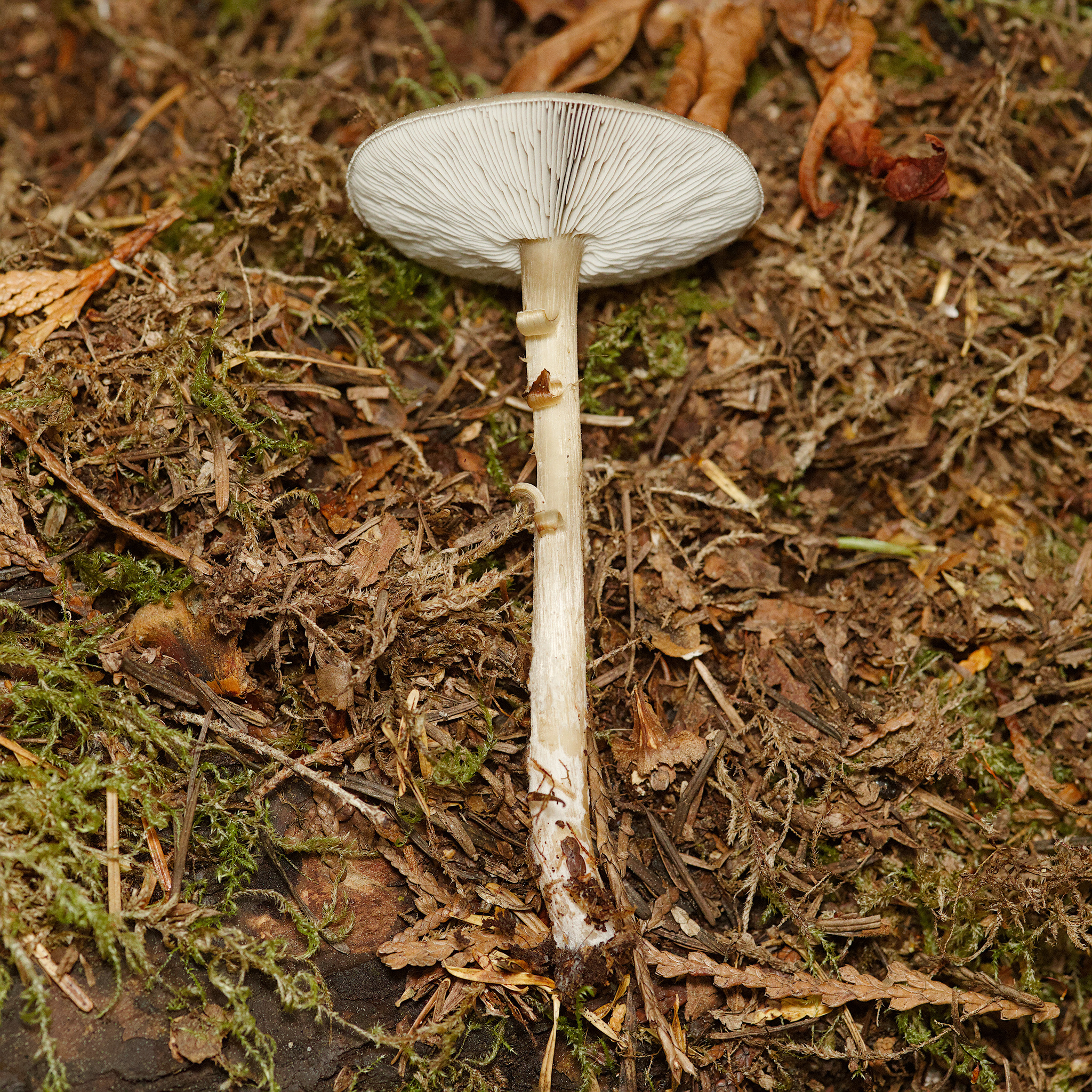
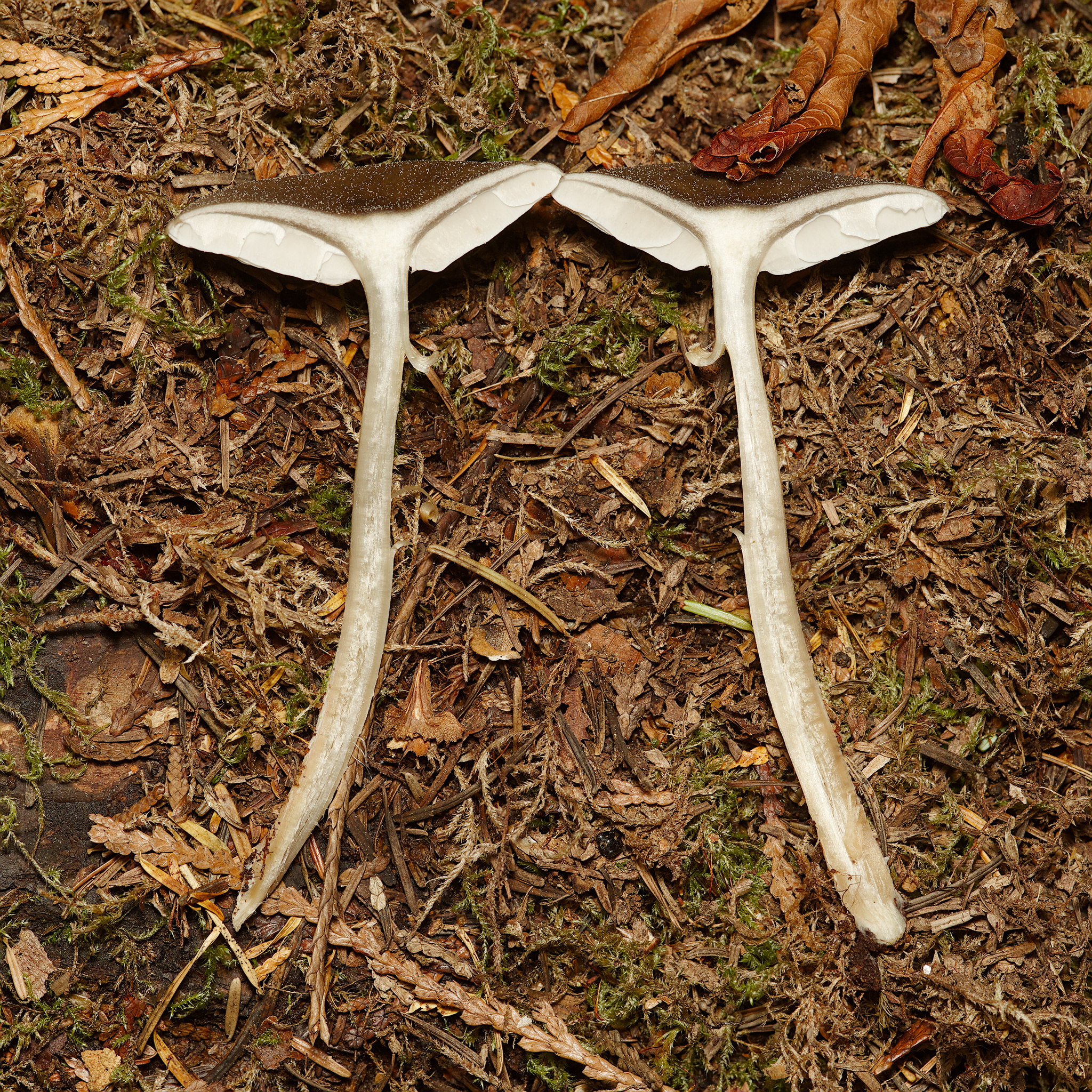
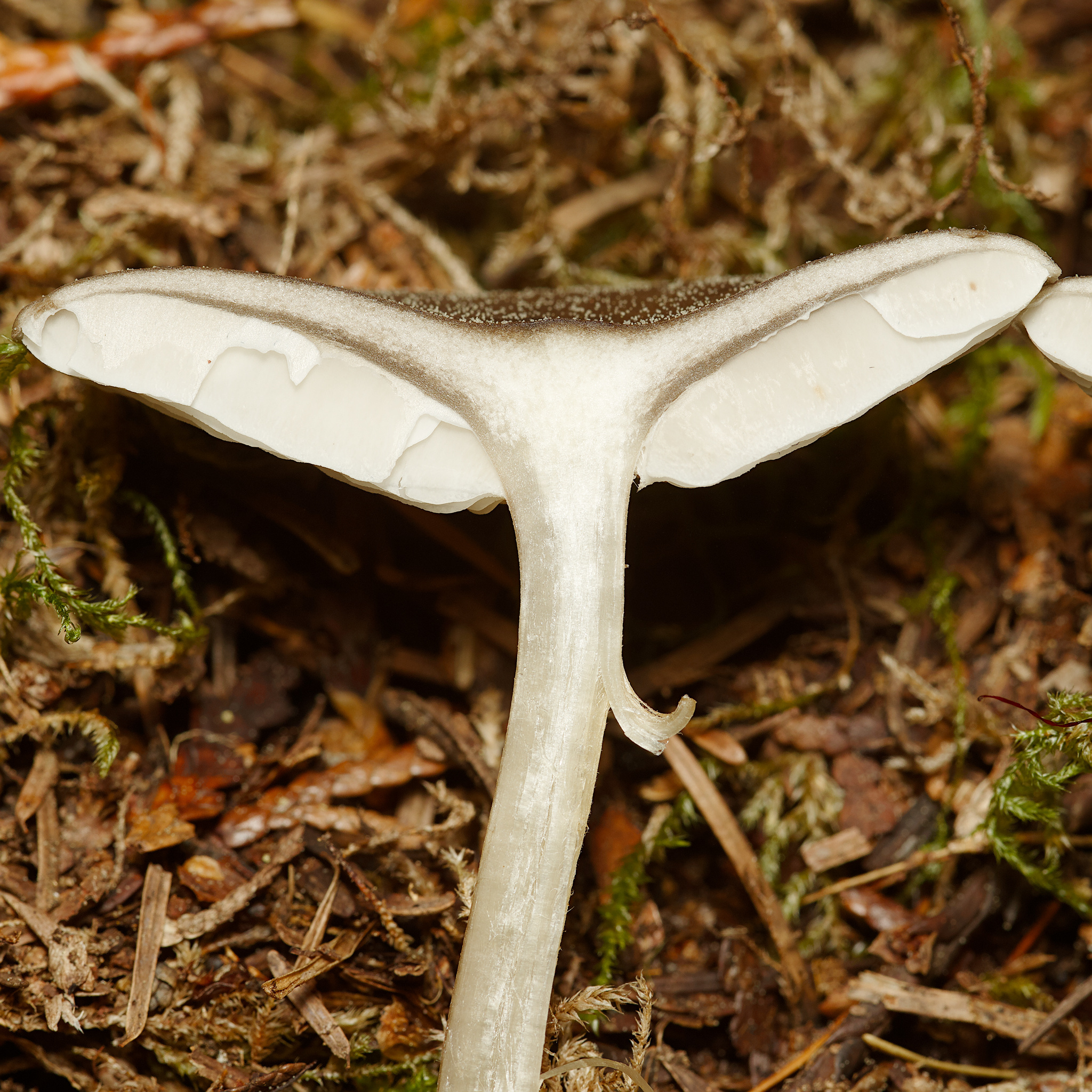
As promised, a Melanoleuca collection (351054306) that is fairly different from the one we made in March. Of course some things can be attributed to age and dryness, but I’d say morphology is still almost wholly different. Lanky, paler, smaller, slightly different habitat and elevation, different substrate, texture, maybe DNA too!
Again this would’ve been a great opportunity to pull out some microscopy, but we don’t have any here and will likely not retain this material. In the future we will be trying to do some better justice there, however I think that at least with this genus, there are at least a couple macroscopic distinctions to be made.
Update: Sequencing has returned a result of Melanoleuca sp. 'angelesiana-PNW03'. We still have not received the result from March but this one is interesting, will pursue further collections in the genus eventually.
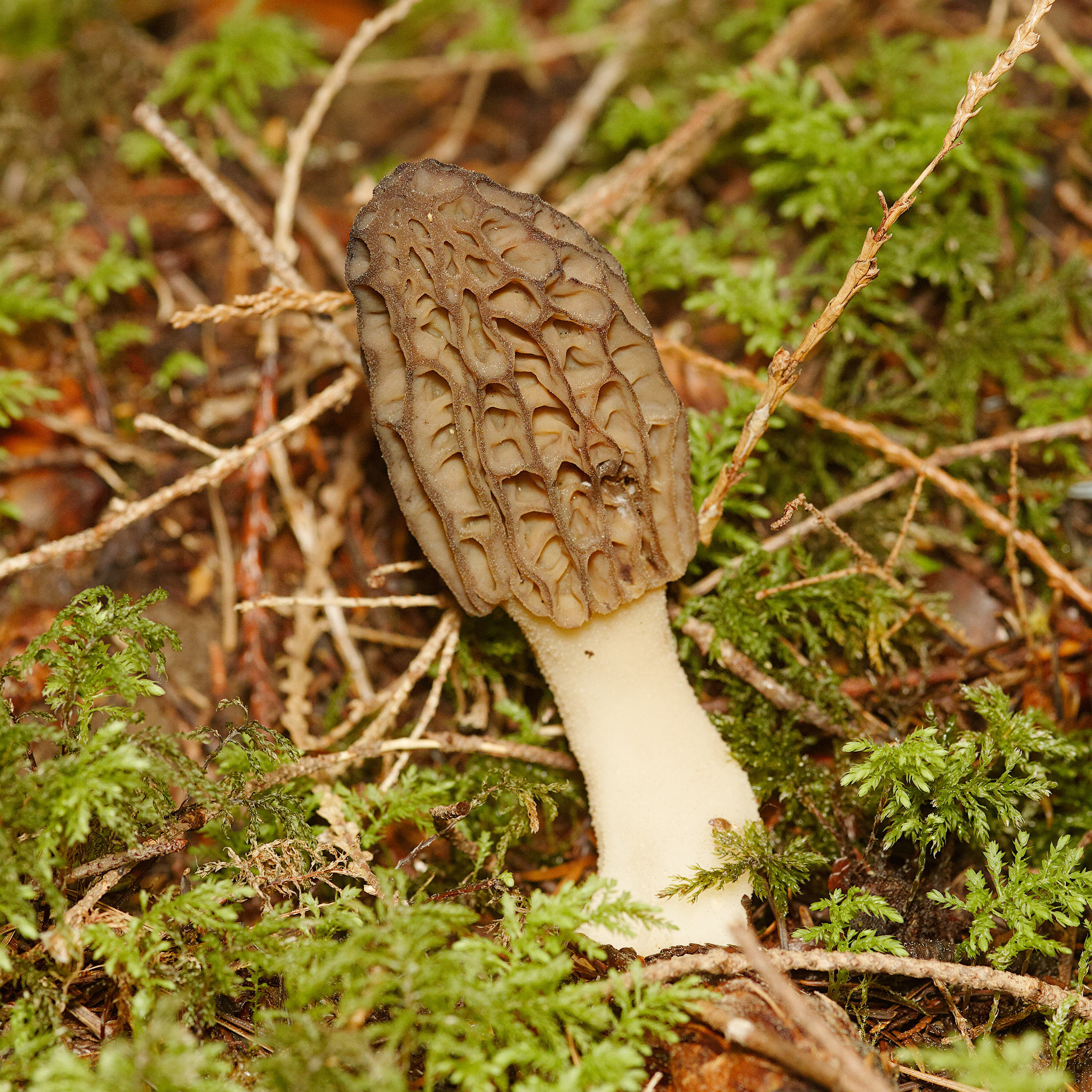
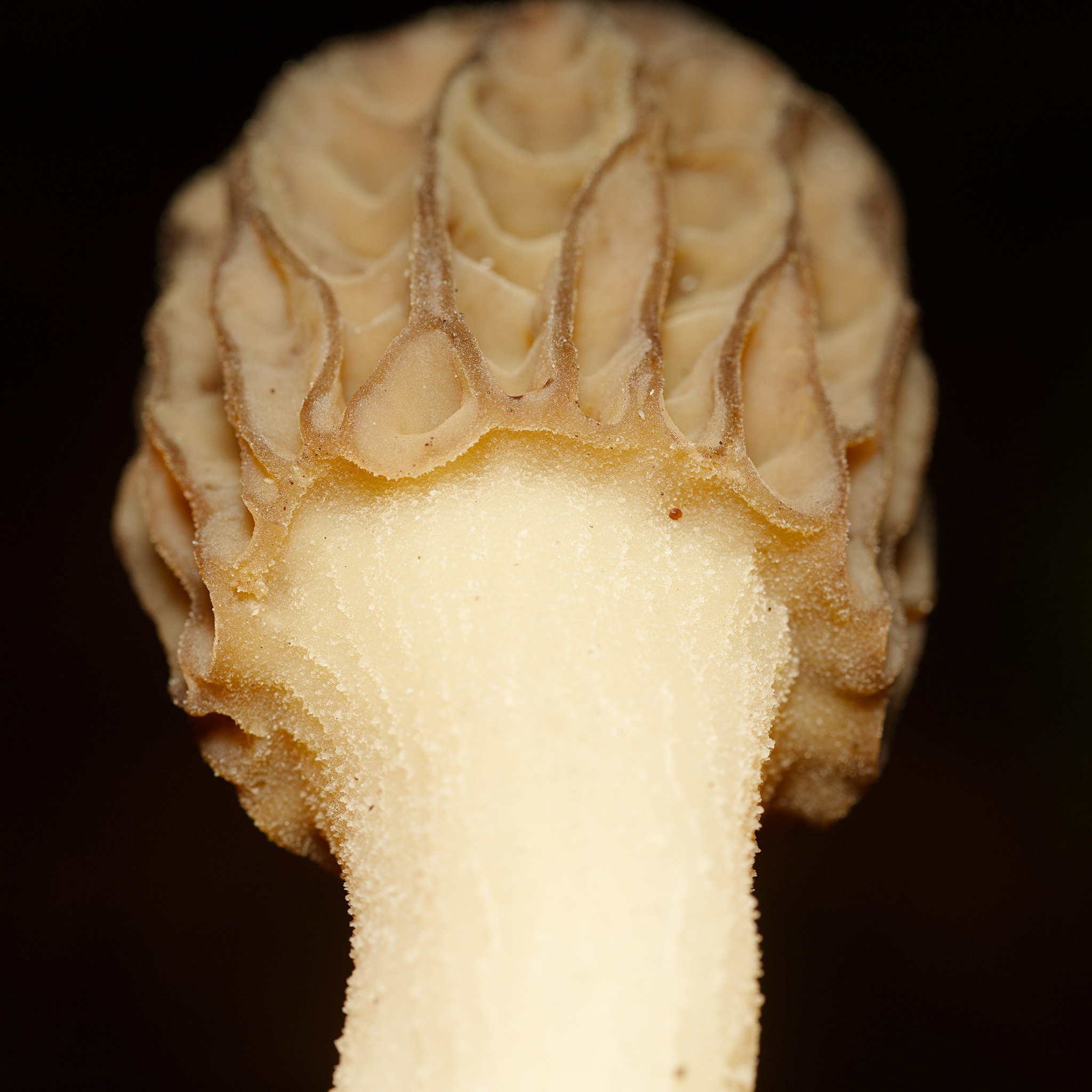
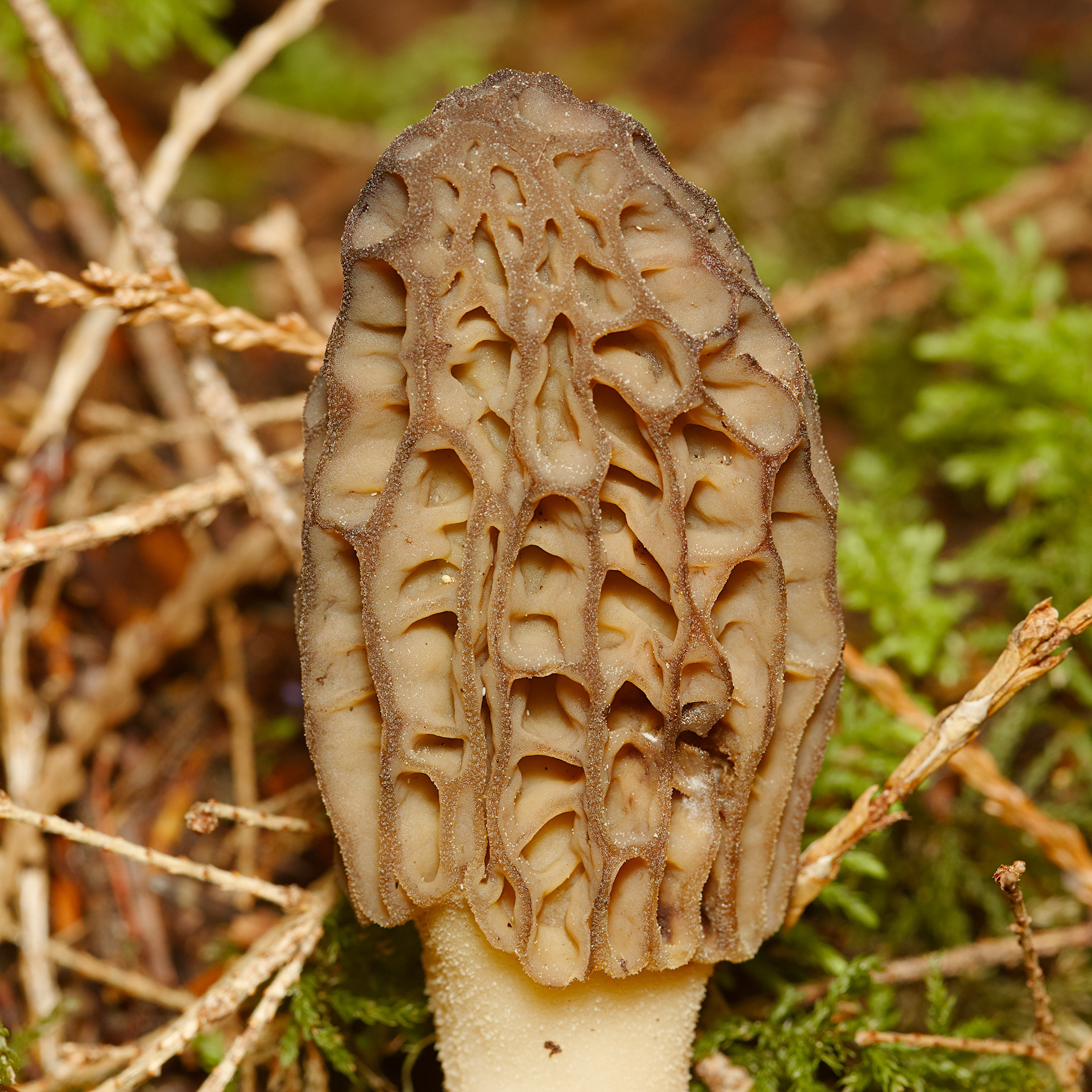
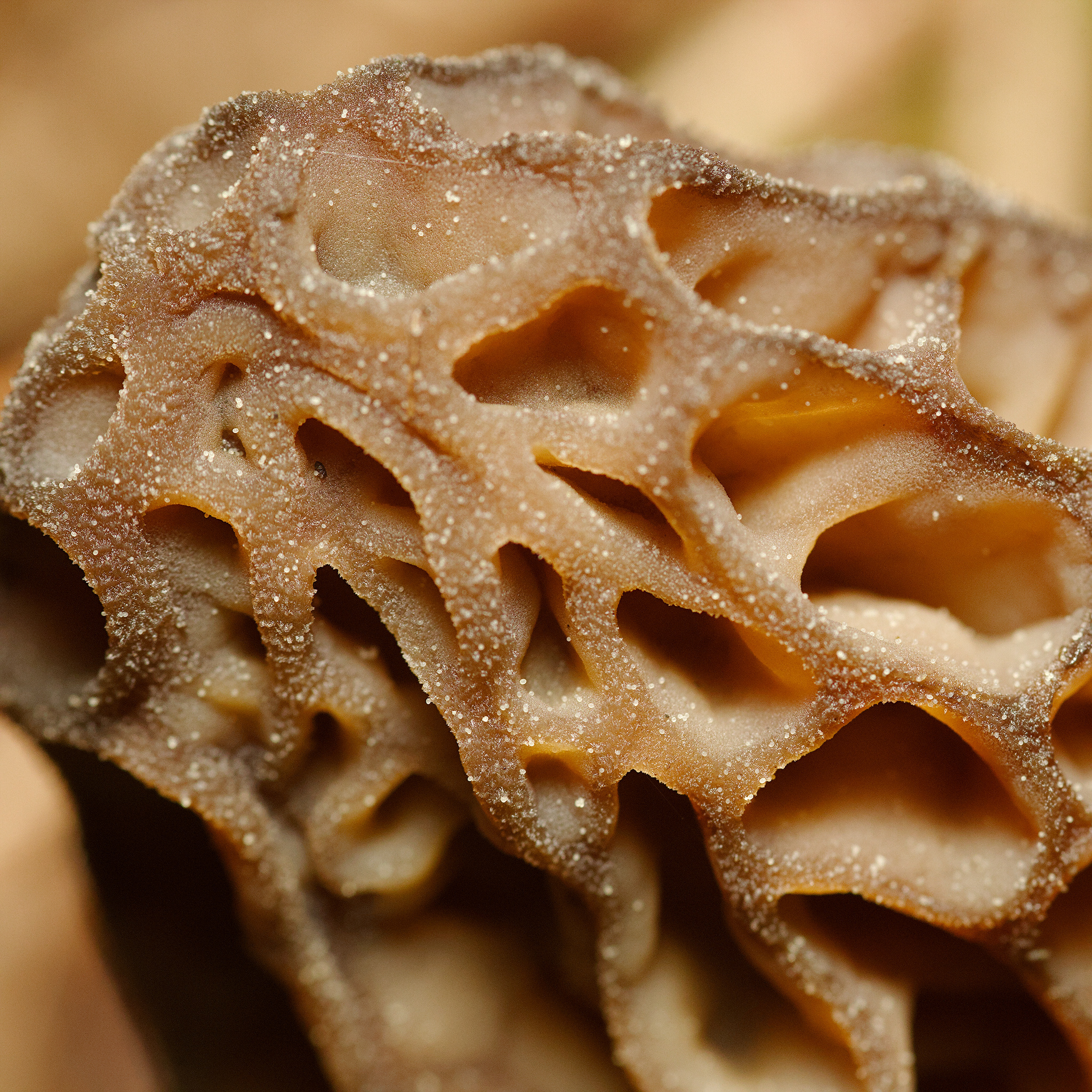
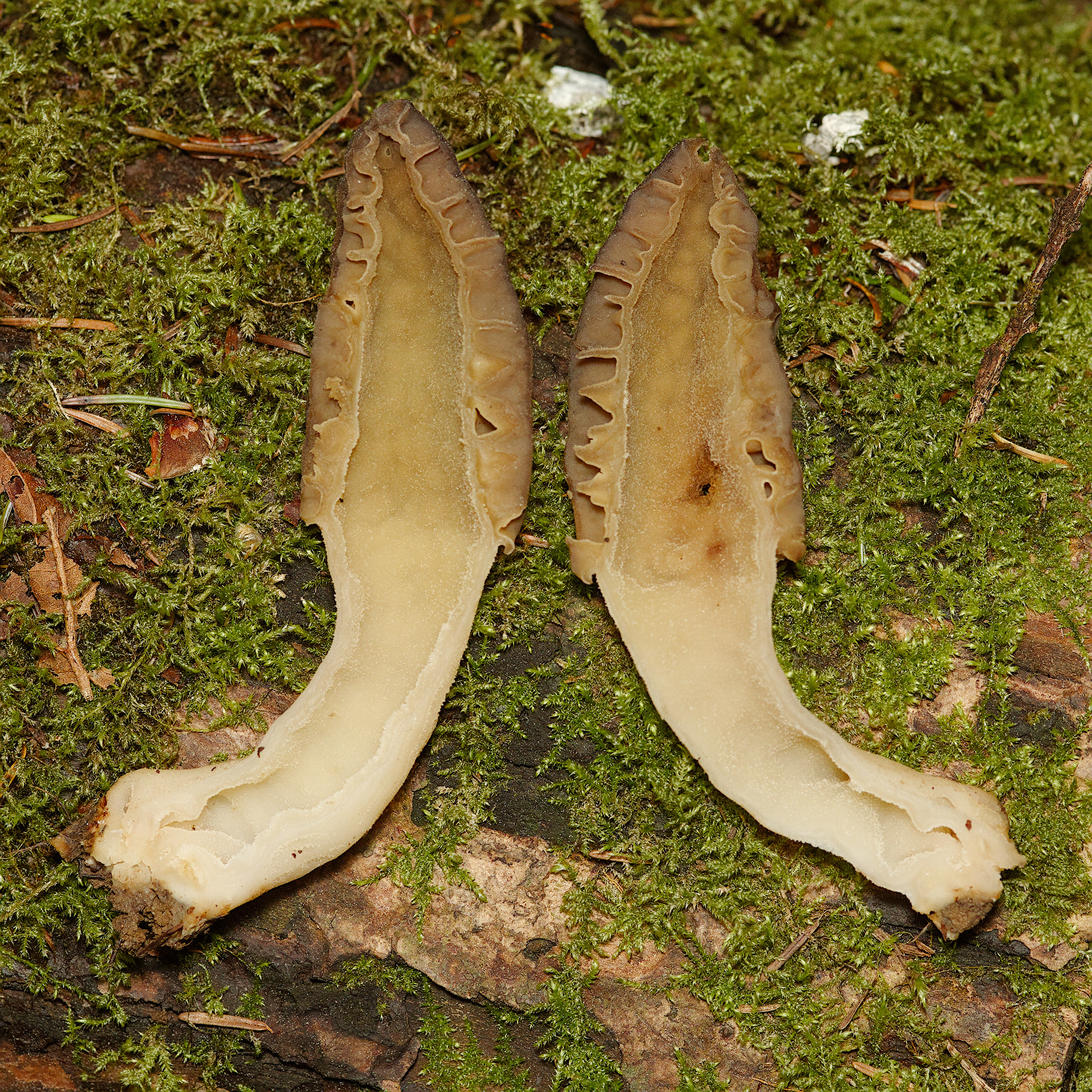
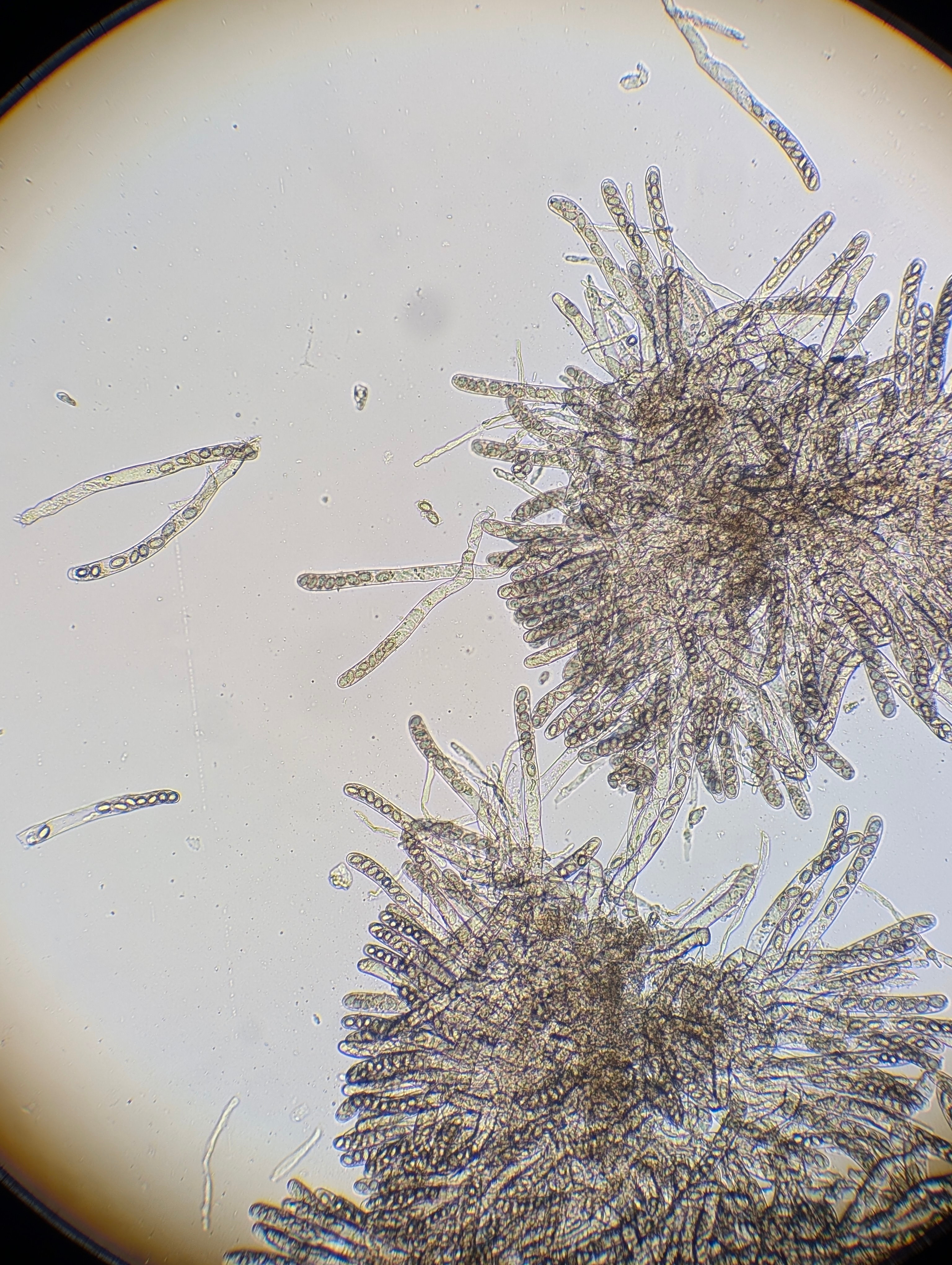
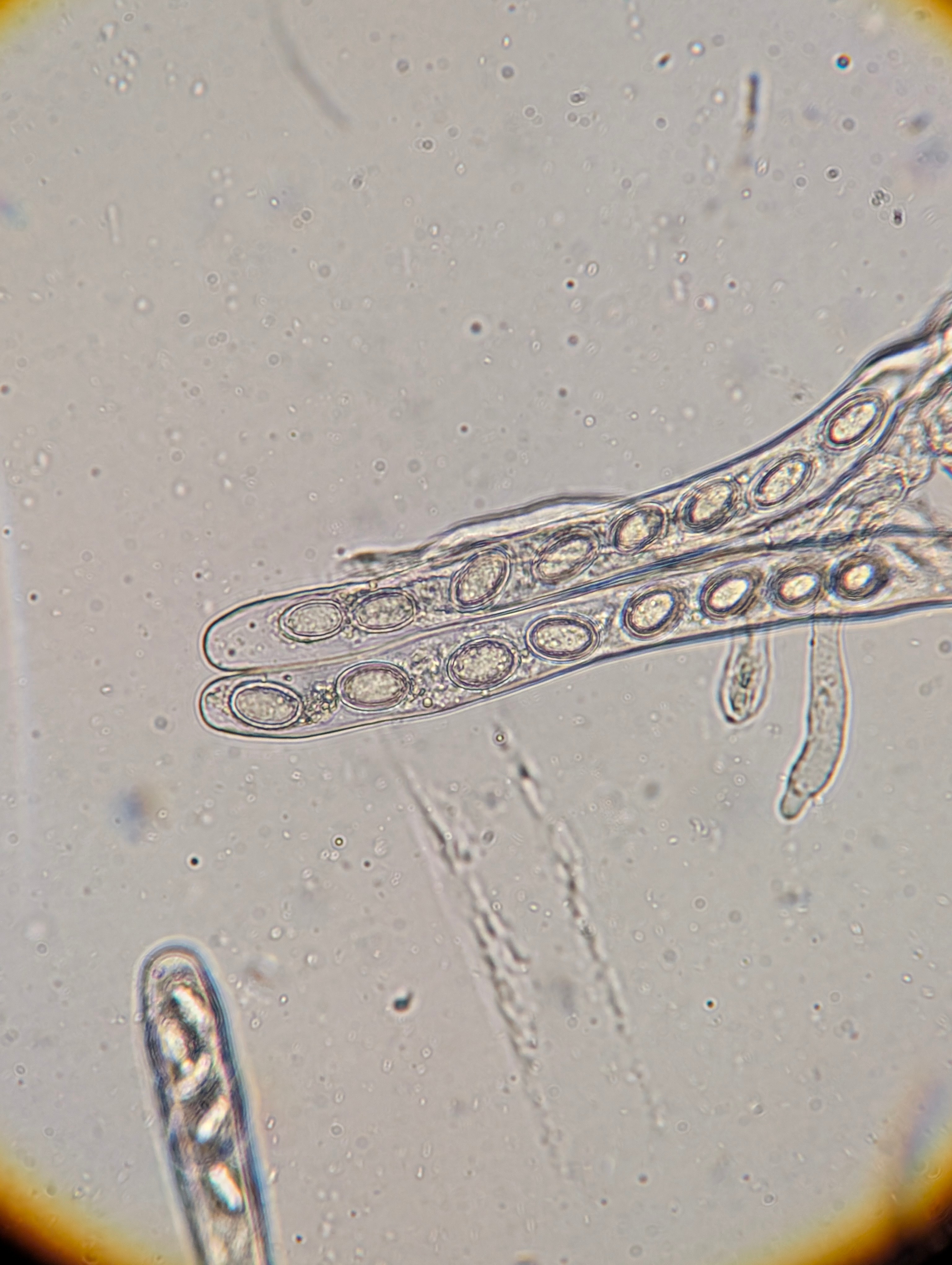
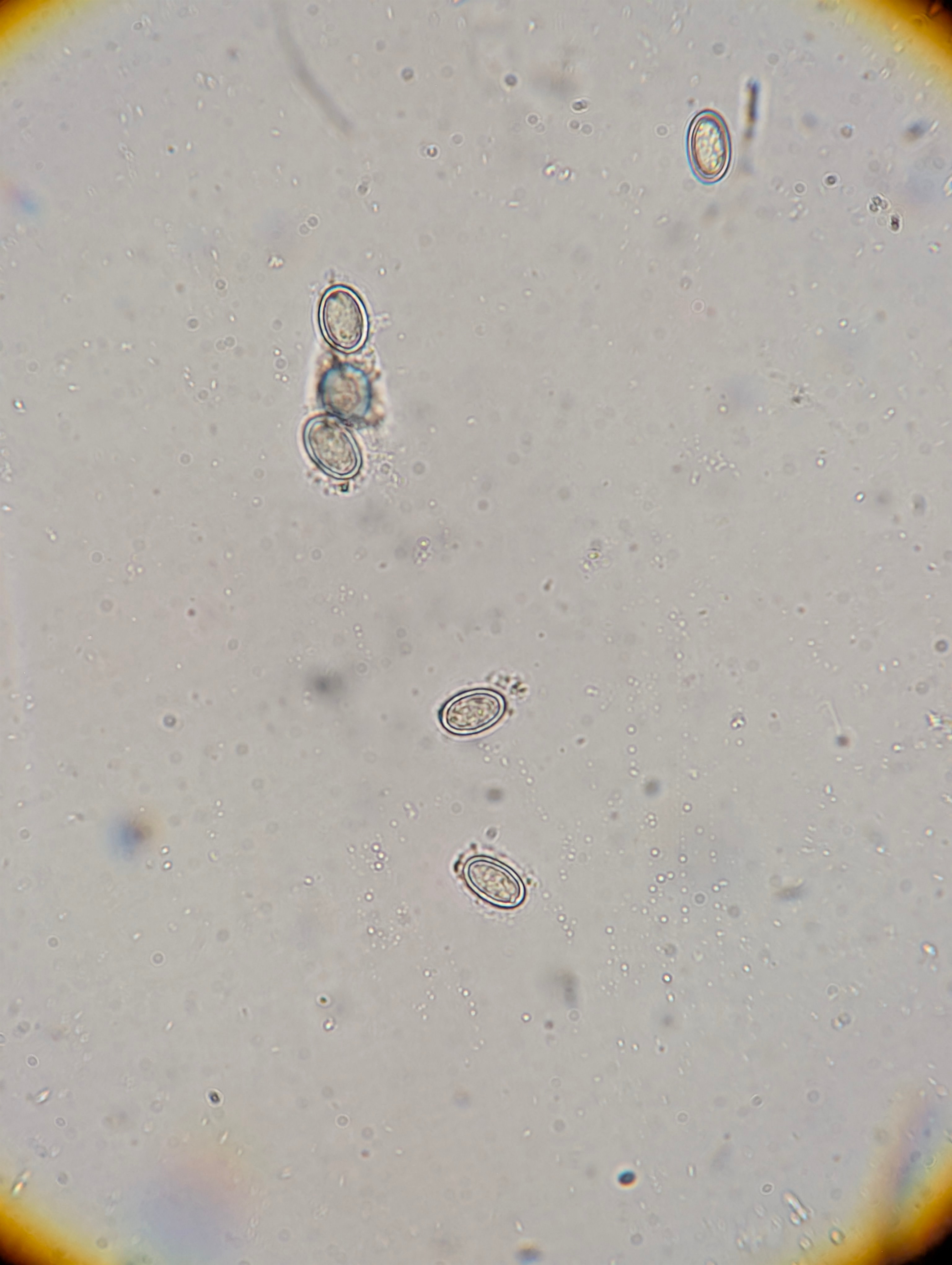
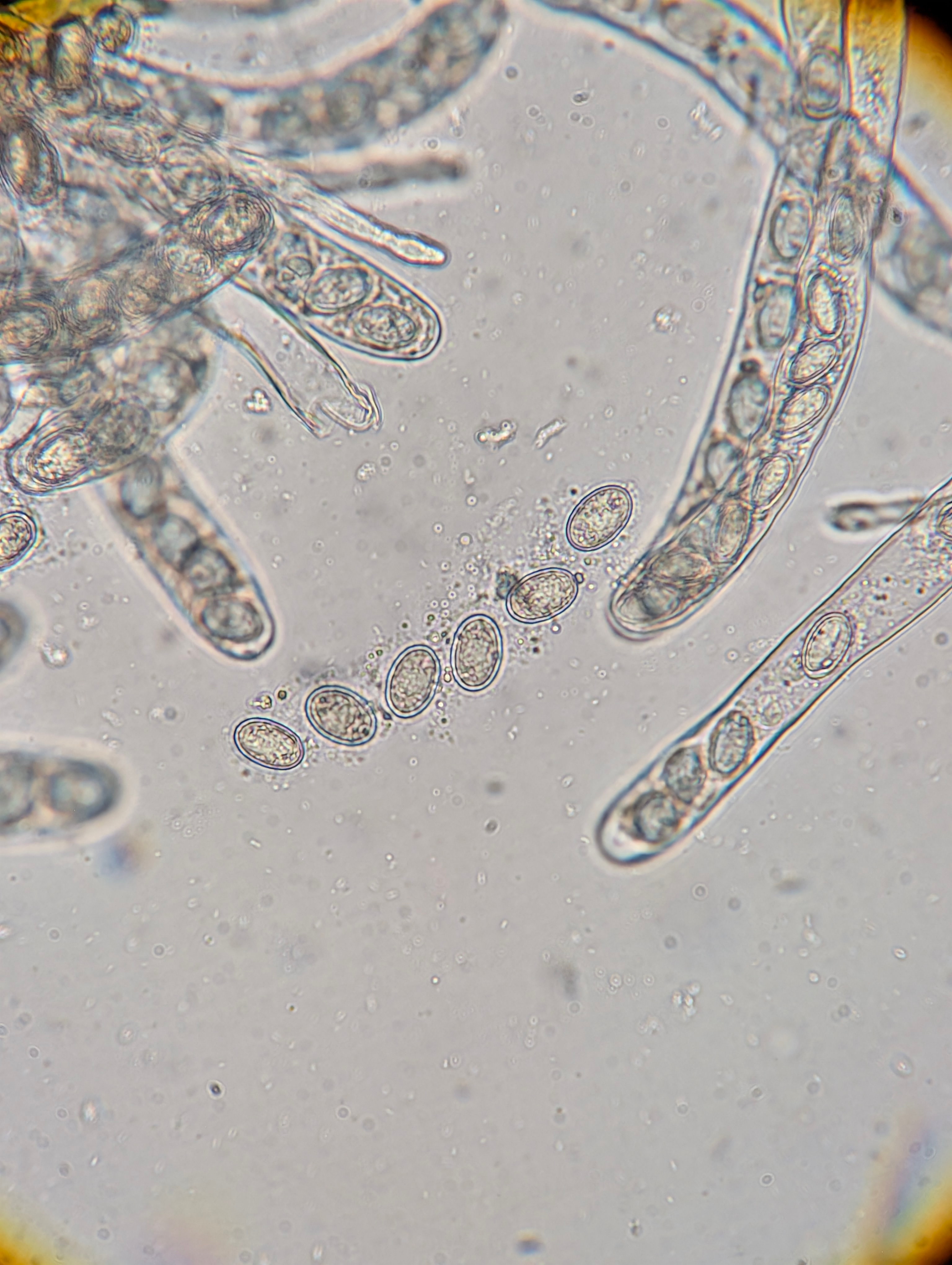
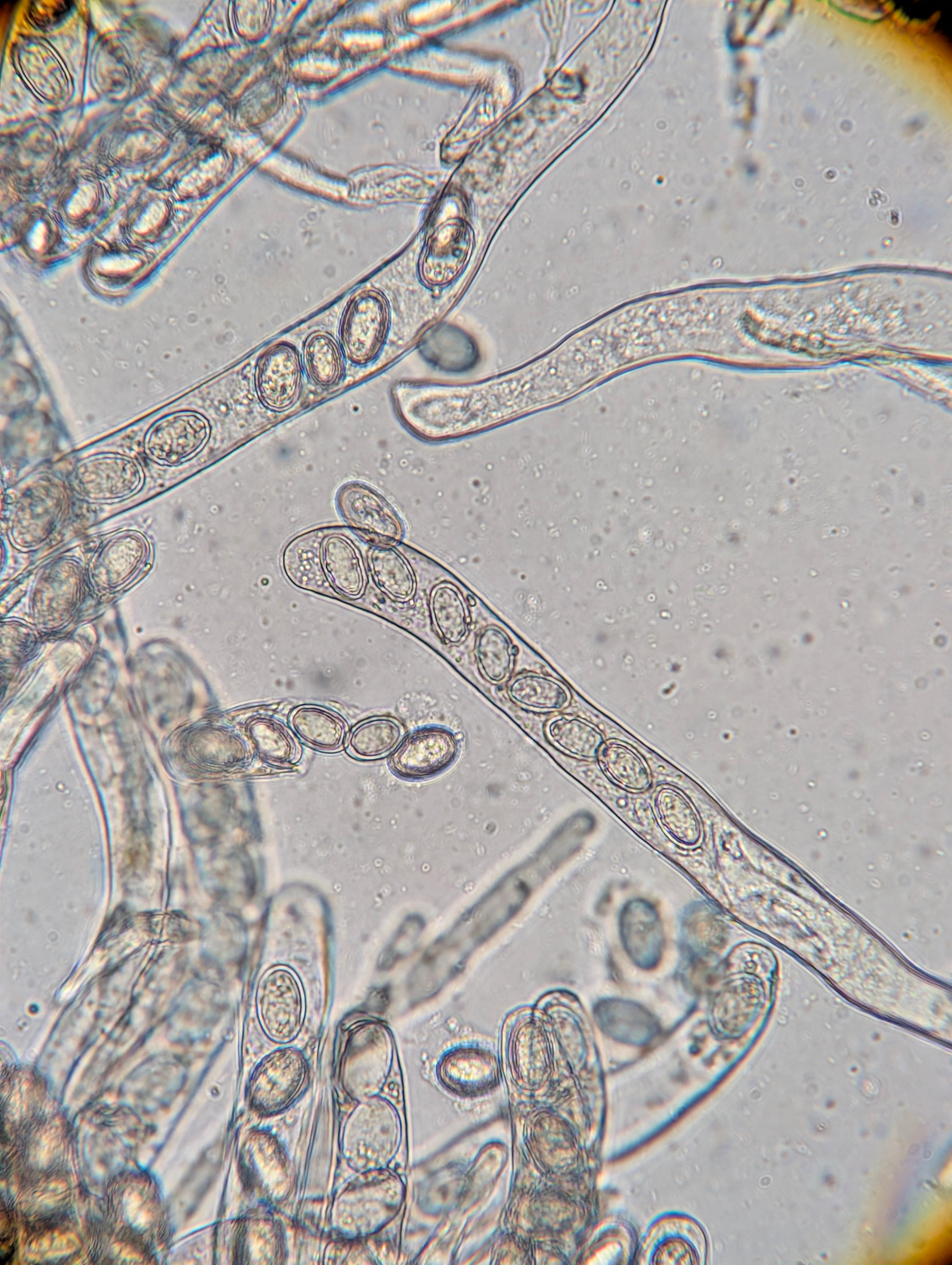
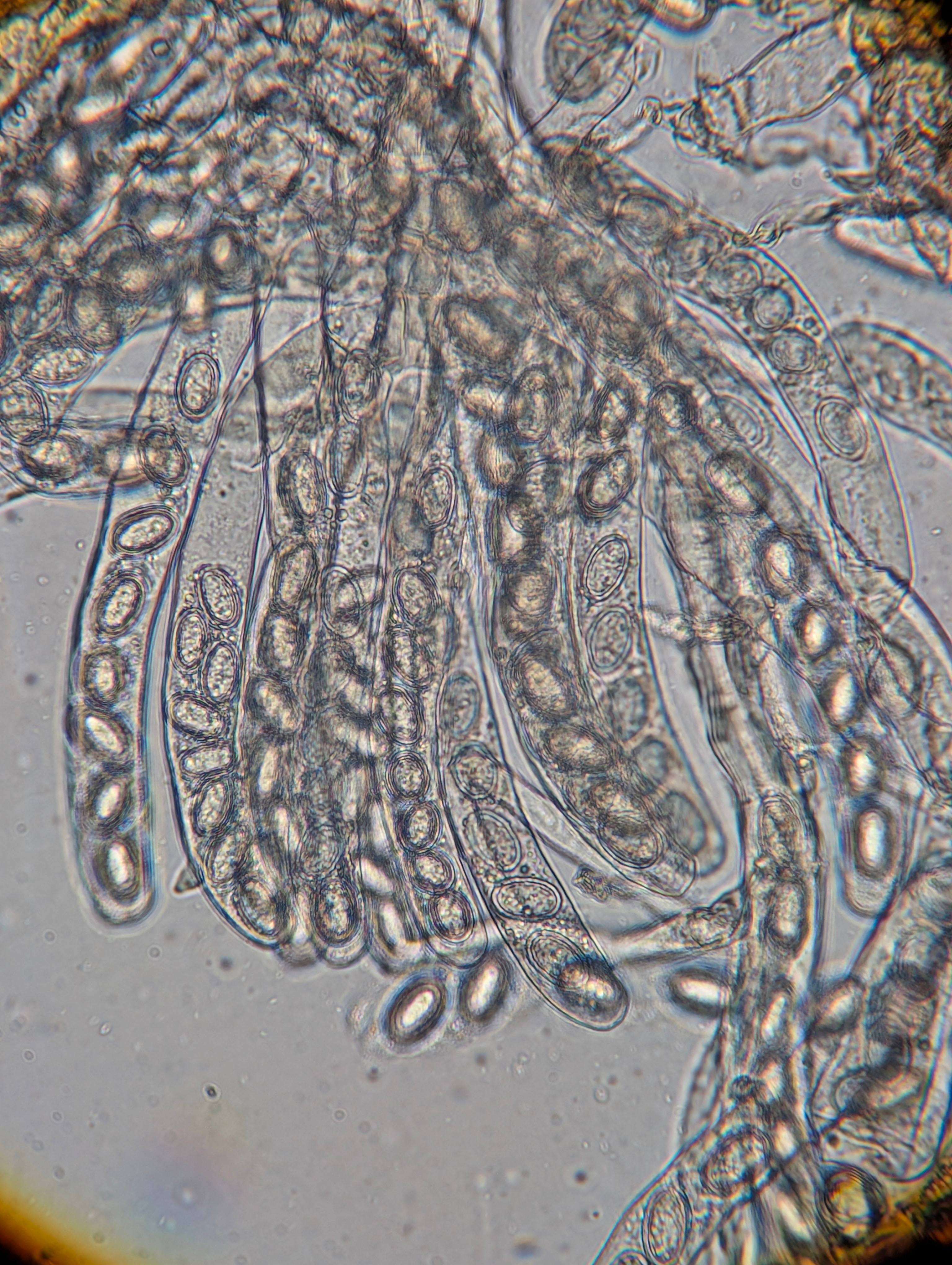
We saw a few more on the hike, but since the day was ending and we would not be sharing a good collection day together for a few months, I decided to make one more Morchella collection (351054313). I think our consensus in the field was that if any collection was different it would be the first, and that all the latter examples are the same. They may in fact all be the same, we shall see! We assumed hemlock but weren’t certain here.
Update: Sequencing has returned a result of Morchella hotsonii. Some microscopy added here.
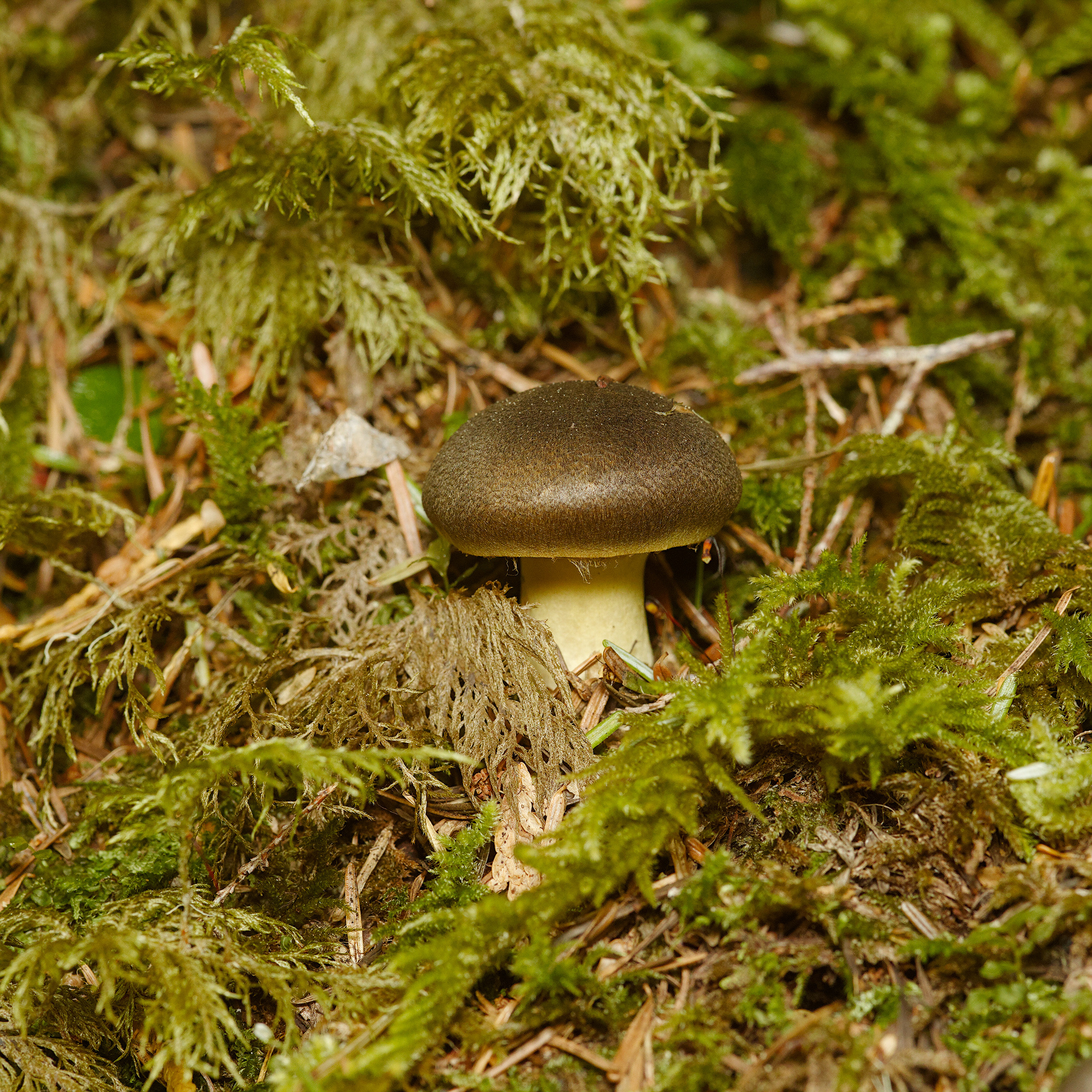
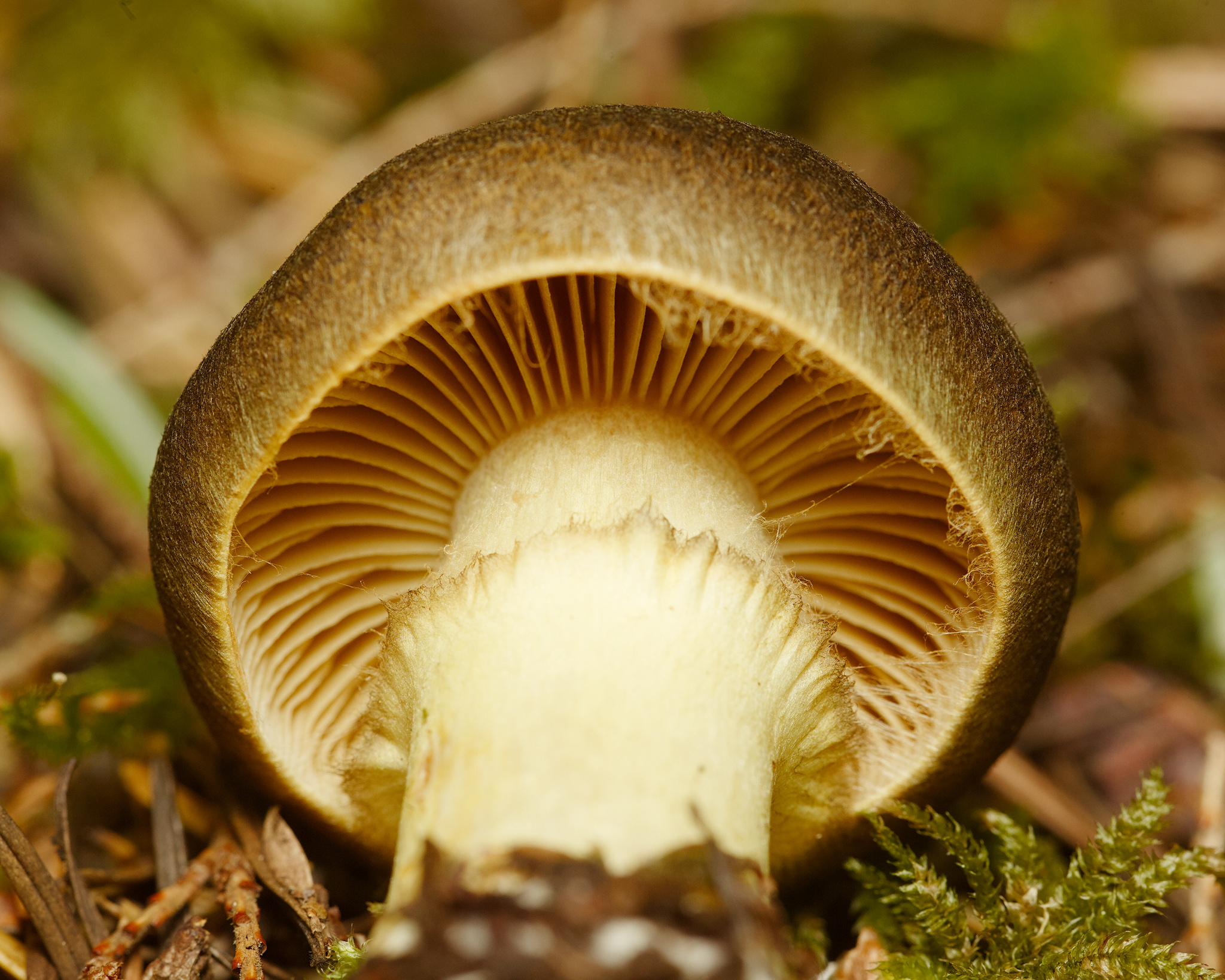
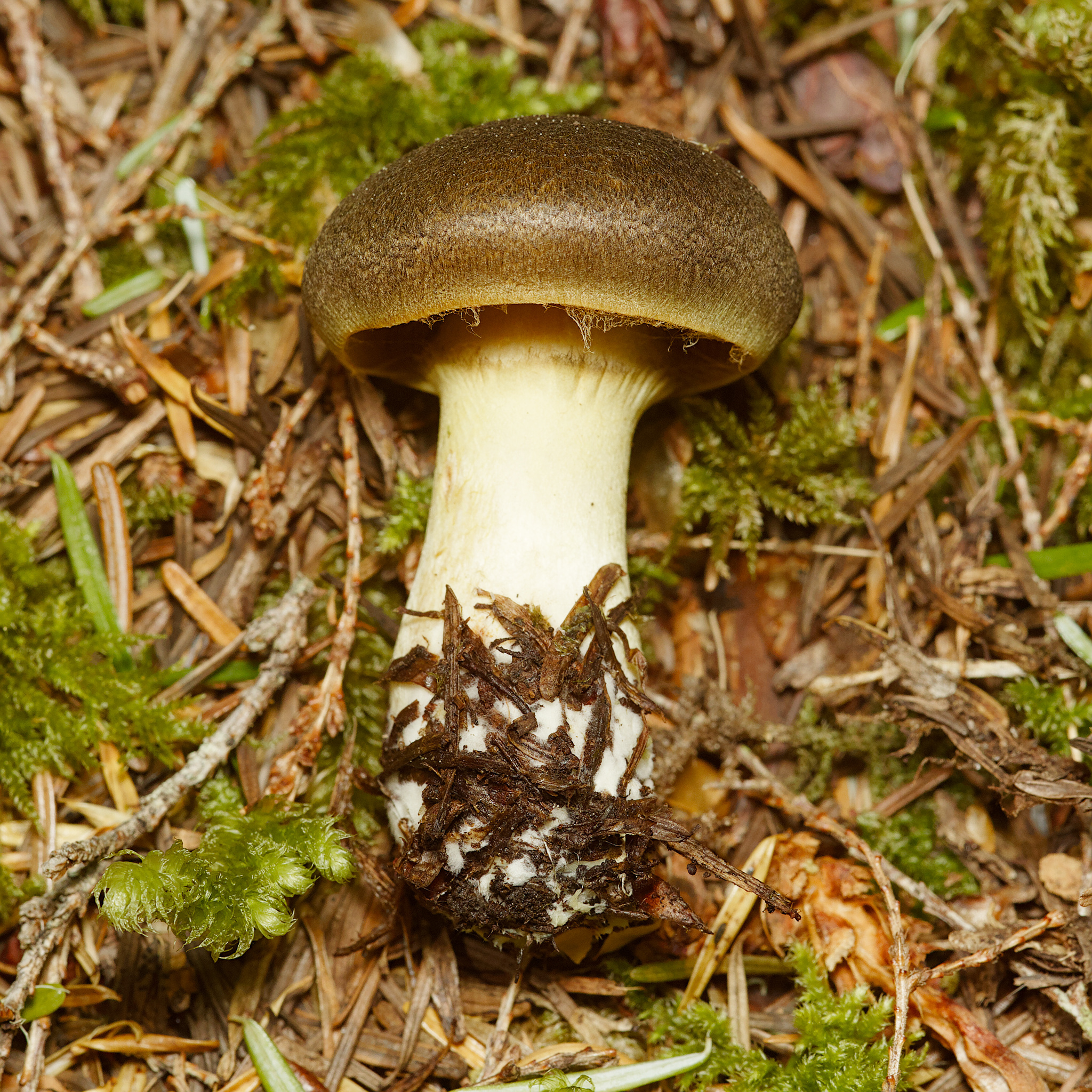
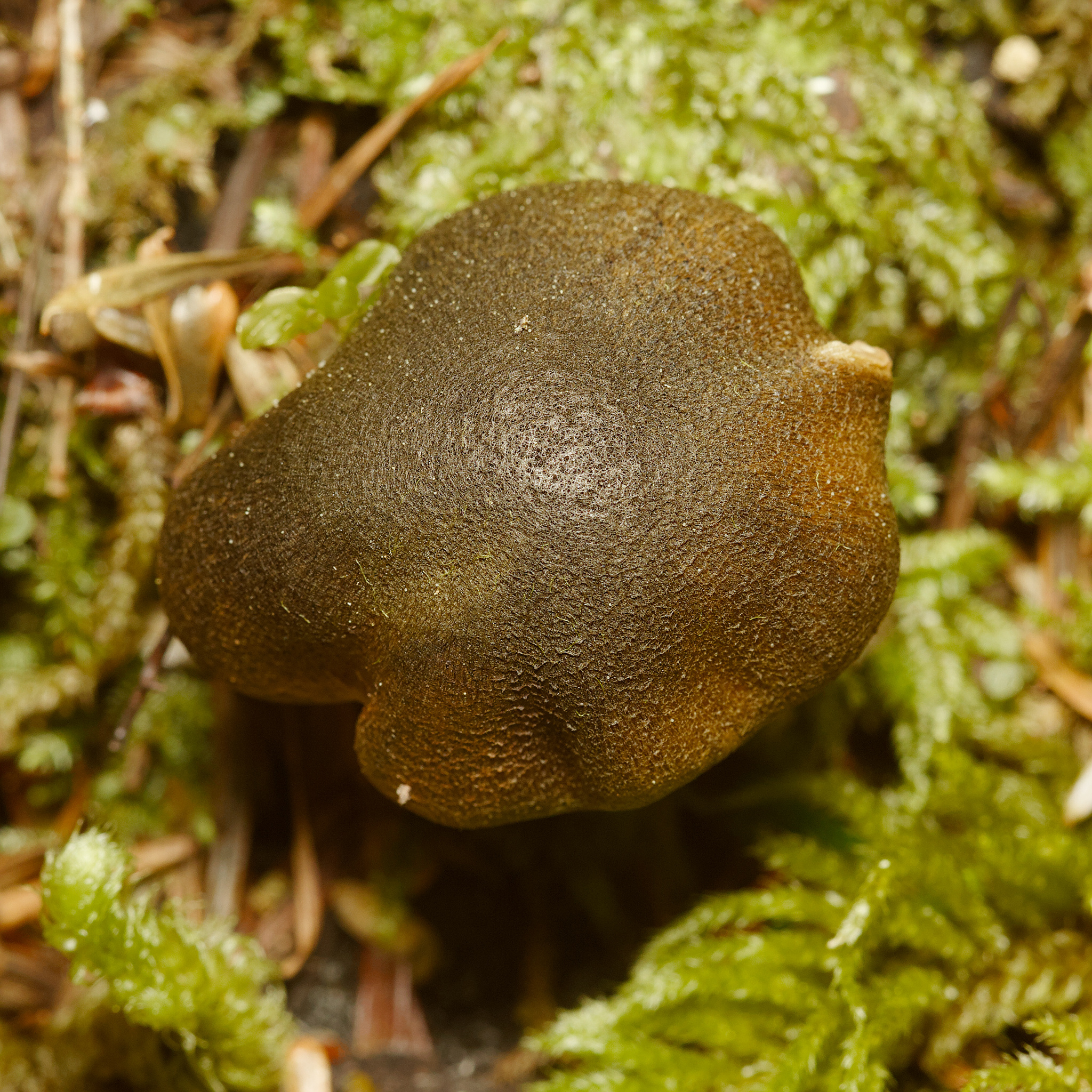
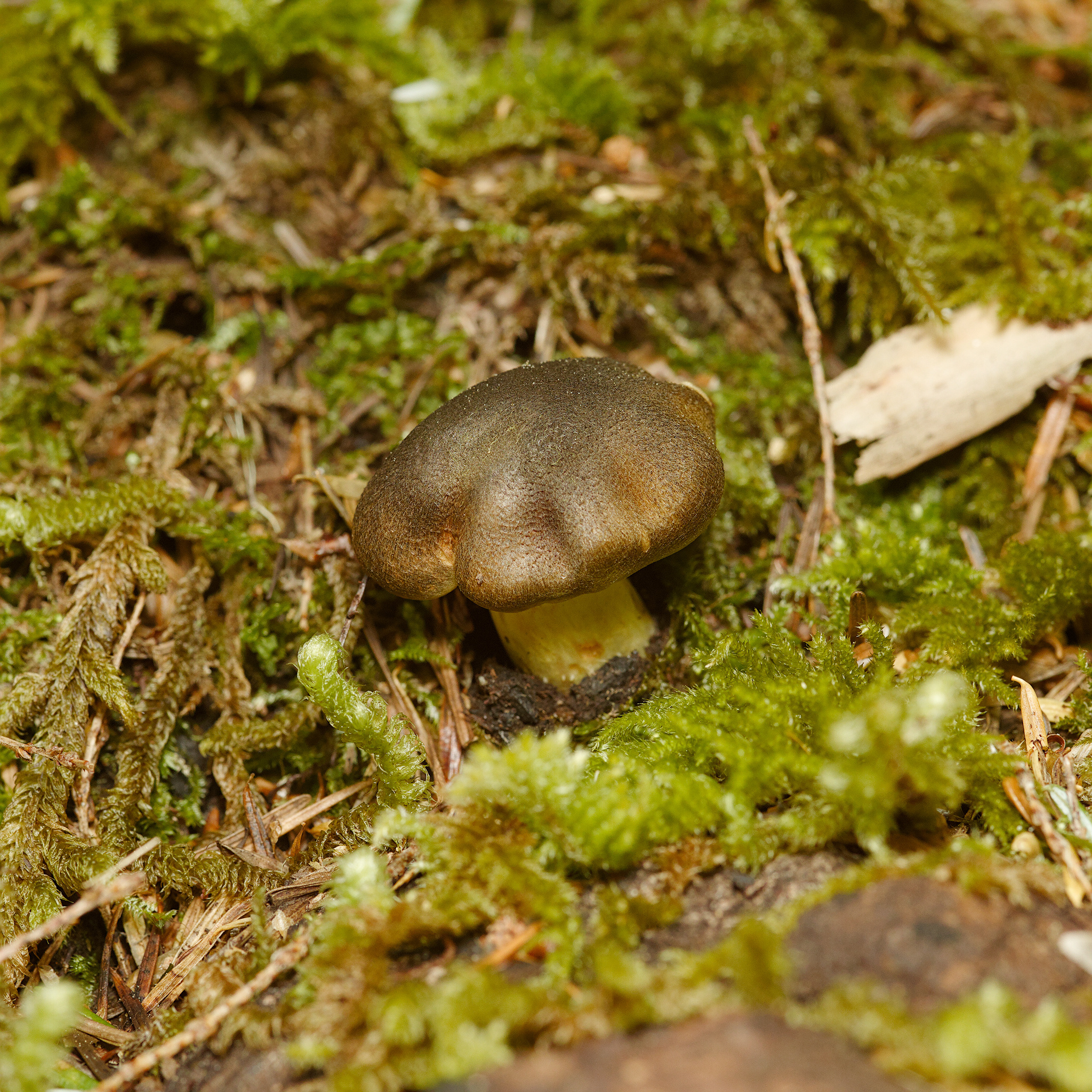
Our final collection (358082104) for the month was made by Brodie solo on the 26th. Likely Cortinarius clandestinus, as identified by to cort experts, I am only left wishing we had both grabbed some UV and some micro here. All good, room for improvements that we should have planned for!
In summary, April provided us with a great start to spring. We observed some key ascomycetes, and got pretty much everything I was hoping for in terms of targets. Not that we had too many to hit but I would say I am pleased with the coverage.
Sorting that duo or trio of Morchella species would be nice but I would also be happy to receive the “closest to M. hotsonii” sequence for all three we collected. A decent pair of Helvella collections, that could reveal more information about a lesser known species! A few other pieces of other genera to round out data there, and a lovely Hygrophoraceae to boot.
As for the future of the study, it will have to “prove itself” to some degree! As touched on before, we will be trying to seek a slightly higher limit for retention. For those less familiar, I'm referring to specimens / collections from our study that will be permanently stored in an herbarium. With collections from the park, the park retains ownership. This is why I say we will have to prove our worth a bit. Build some trust, so to speak. I think I speak for both of us, and many other scientists in our field, when I say that this study, or any like it, is extremely valuable to understanding fungi. As someone with interest in conservation I can also understand and try to communicate that studying the species and habitats in the park does not only further justify existing protections from the park, but furthers conservation research overall. I guess I should mention all that, and the fact that the good folks who work for the park are bound to existing bureaucracy and their responsibility to protect the park and its resources as described in their rules.
As I prepare for research in Crater Lake National Park come June, this topic will return. As mentioned before they have looser rules about collections for analysis, but much stricter rules about retention! No availability in their herbarium currently, for one example.
None of this means that we, or I, are less motivated to continue this research. If anything, I am more inspired to continue. I am incredibly proud of what we've done so far. I think that goes for Brodie also, I'll let him chime in if he'd like.
I am looking forward to continuing to share our work, start incorporating more details, more of my photos, more locations, more interesting targets from time to time, etc.
We have made some formatting adjustments here for this month. Trying to make it look a bit nicer, more functional. We are also working on a version that is better formatted for web viewing on all devices, as opposed to a managed PDF.
Thanks for reading and remember to resist hate. Peace and love to those on the side of peace and love.
Permit information, spreadsheets, material, etc. is available upon request. Happy to talk to almost anyone about mushrooms.